Secure Debt Shall Forget The Day Lyrics In California
Description

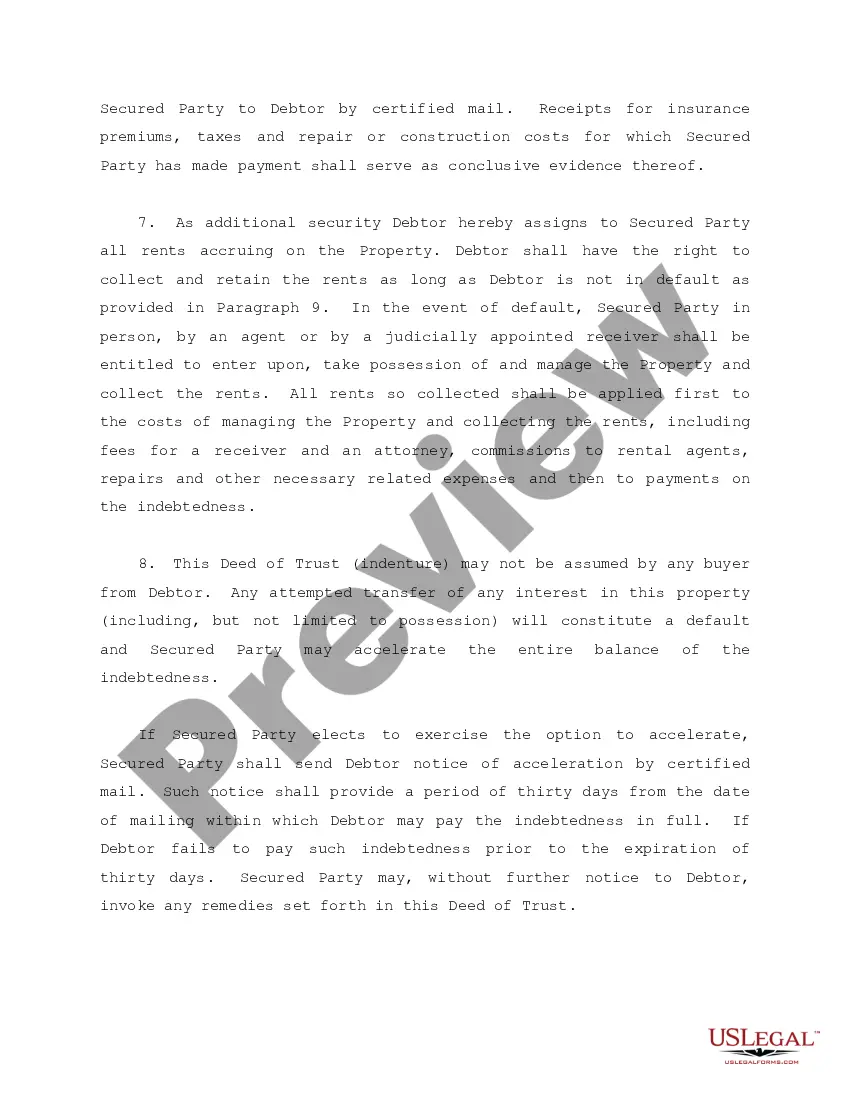
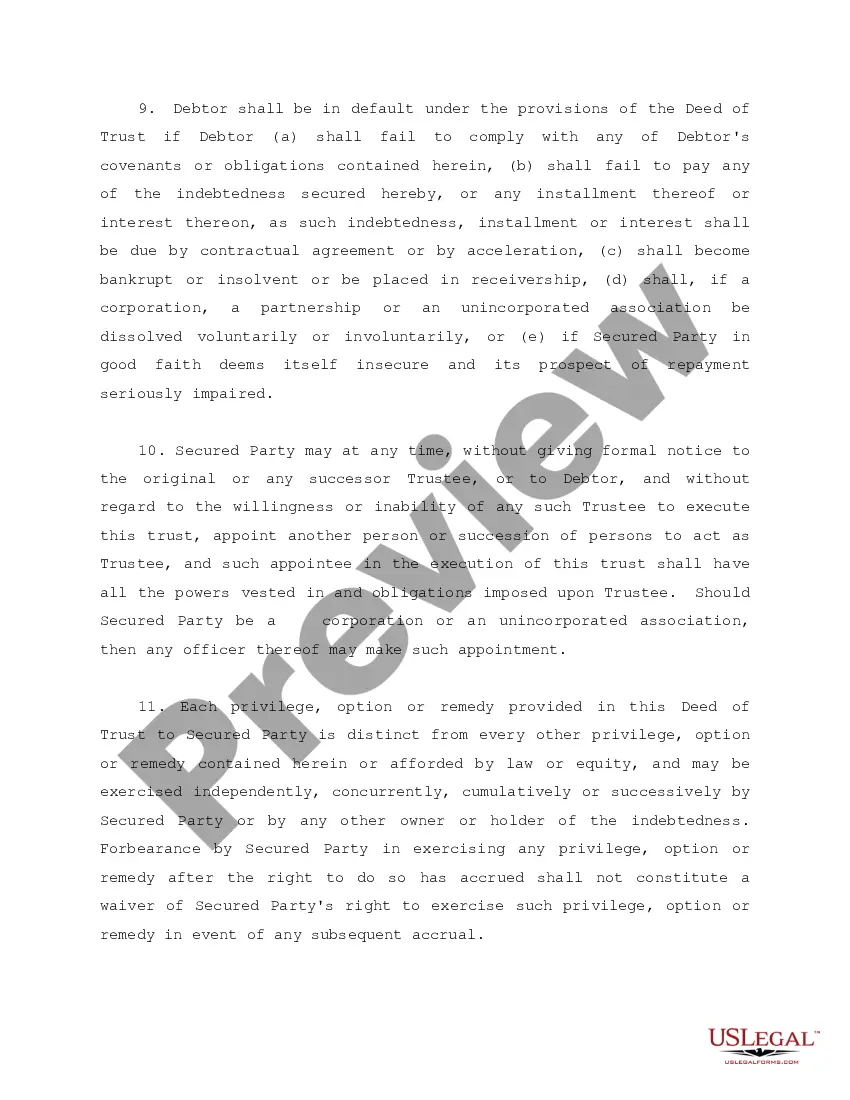
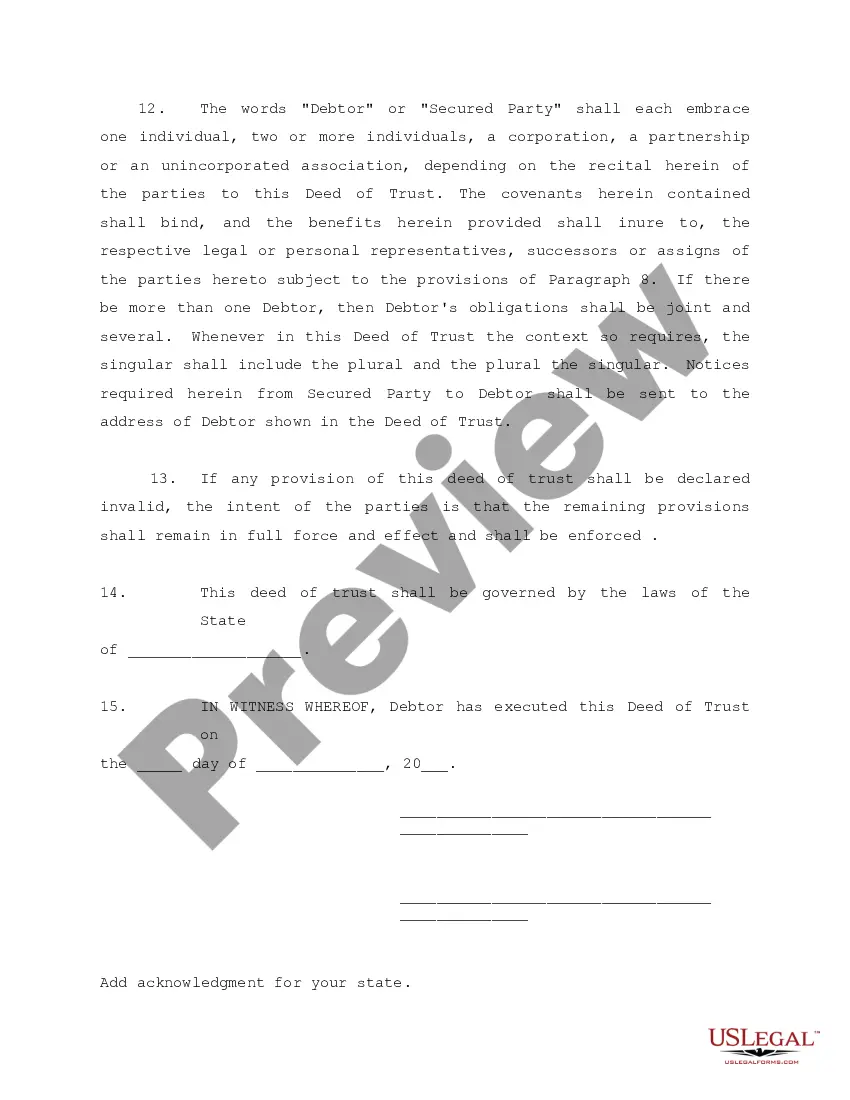
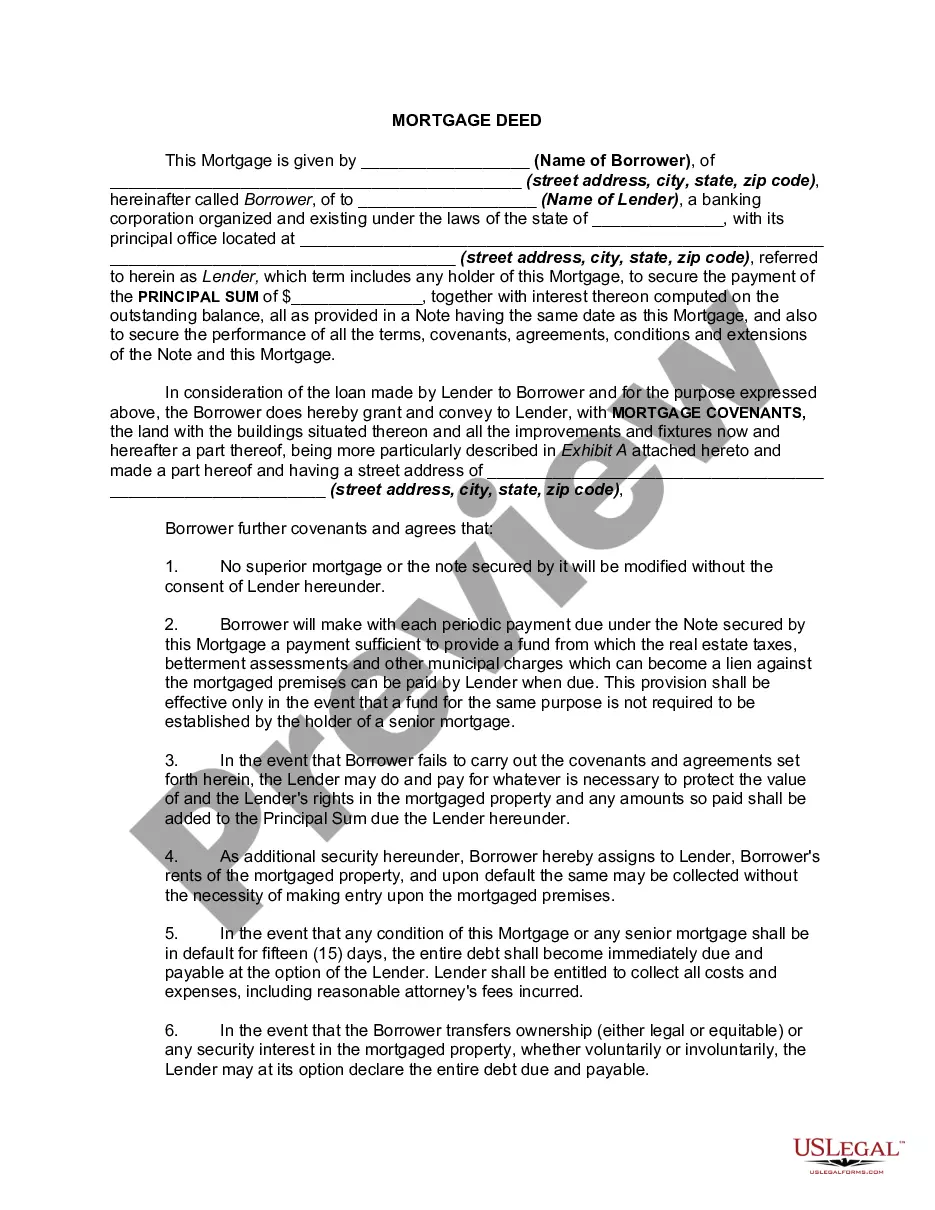

Get your form ready online
Our built-in tools help you complete, sign, share, and store your documents in one place.
Make edits, fill in missing information, and update formatting in US Legal Forms—just like you would in MS Word.
Download a copy, print it, send it by email, or mail it via USPS—whatever works best for your next step.
Sign and collect signatures with our SignNow integration. Send to multiple recipients, set reminders, and more. Go Premium to unlock E-Sign.
If this form requires notarization, complete it online through a secure video call—no need to meet a notary in person or wait for an appointment.
We protect your documents and personal data by following strict security and privacy standards.

Make edits, fill in missing information, and update formatting in US Legal Forms—just like you would in MS Word.

Download a copy, print it, send it by email, or mail it via USPS—whatever works best for your next step.

Sign and collect signatures with our SignNow integration. Send to multiple recipients, set reminders, and more. Go Premium to unlock E-Sign.

If this form requires notarization, complete it online through a secure video call—no need to meet a notary in person or wait for an appointment.

We protect your documents and personal data by following strict security and privacy standards.
Looking for another form?

Form popularity
FAQ
California's Fair Debt Collection Practices Act has long been a critical framework for protecting consumers from abusive or unfair debt collection practices. Recently, however, Governor Gavin Newsom signed into law SB 1286 on September 24, 2024, expanding these protections to certain commercial debts.
Specifically, the rule states that a debt collector cannot: Make more than seven calls within a seven-day period to a consumer regarding a specific debt. Call a consumer within seven days after having a telephone conversation about that debt.
Follow these steps to respond to a debt collection case in California Answer each claim listed in the complaint. Assert your affirmative defenses. File the Answer with the court and serve the plaintiff.
The Federal Fair Debt Collection Practices Act (15 U.S.C. §§ 1692-1692p) and California's Rosenthal Fair Debt Collection Practices Act (Civil Code §§ 1788 et seq.) protect consumers from abusive, unfair, or deceptive practices by debt collection agencies.
Debt collectors may not be able to sue you to collect on old (time-barred) debts, but they may still try to collect on those debts. In California, there is generally a four-year limit for filing a lawsuit to collect a debt based on a written agreement.
The most common FDCPA violation involves a debt collector attempting to collect a debt that was discharged in a prior bankruptcy case.
The FTC enforces the federal Fair Debt Collection Practices Act, which prohibits abusive, unfair, or deceptive debt collection practices. You may also report your complaint to the CFPB, which may forward it to the company and work to get you a response.
On June 12, 1987, at the Brandenburg Gate, United States president Ronald Reagan delivered a speech commonly known by a key line from the middle part: "Mr. Gorbachev, tear down this wall!" Reagan called for Soviet leader Mikhail Gorbachev to open the Berlin Wall, which had encircled West Berlin since 1961.
Reagan had argued that the legislation infringed on states' rights and the rights of churches and small business owners. Reagan's Equal Employment Opportunity Commission, as well as his Justice Department, prosecuted fewer civil rights cases per year than they had under his predecessor, President Jimmy Carter.
