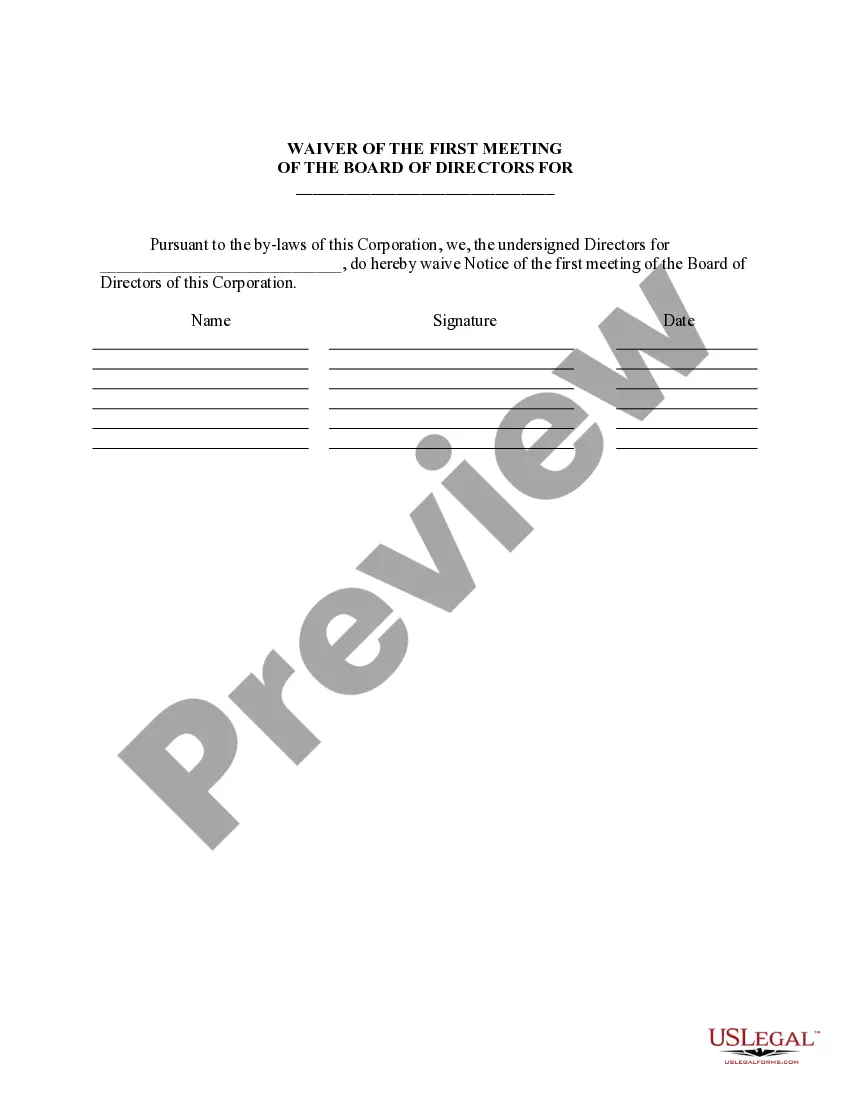
Board Directors Corporate Without Ceo In San Antonio
Description


Get your form ready online
Our built-in tools help you complete, sign, share, and store your documents in one place.
Make edits, fill in missing information, and update formatting in US Legal Forms—just like you would in MS Word.
Download a copy, print it, send it by email, or mail it via USPS—whatever works best for your next step.
Sign and collect signatures with our SignNow integration. Send to multiple recipients, set reminders, and more. Go Premium to unlock E-Sign.
If this form requires notarization, complete it online through a secure video call—no need to meet a notary in person or wait for an appointment.
We protect your documents and personal data by following strict security and privacy standards.

Make edits, fill in missing information, and update formatting in US Legal Forms—just like you would in MS Word.

Download a copy, print it, send it by email, or mail it via USPS—whatever works best for your next step.

Sign and collect signatures with our SignNow integration. Send to multiple recipients, set reminders, and more. Go Premium to unlock E-Sign.

If this form requires notarization, complete it online through a secure video call—no need to meet a notary in person or wait for an appointment.

We protect your documents and personal data by following strict security and privacy standards.
Looking for another form?
Form popularity
FAQ
Often, the CEO will also be designated as the company's president and, therefore, be one of the inside directors on the board (if not the chair). However, it is highly suggested that a company's CEO should not also be the company's chair to ensure the chair's independence and clear lines of authority.
Normally, the board or the shareholders by an ordinary resolution (a majority in favour) decide the appointment. The Articles may contain provisions that require more than 51% of shareholders to agree to the appointment.
For a smaller board, the process often involves being interviewed, whereas larger organizations tend to have a more formalized review before nominating someone for a seat. In publicly traded companies, board members are approved by shareholders at the recommendation of management.
A Board candidate should have extensive and relevant leadership experience, including current or prior service as the Chief Executive Officer, Chief Operating Officer or other high level executive of a complex public corporation or a comparable position in the nonprofit sector or government, as well as experience with ...
A core aspect of the role of the Non-Exec is to attend and contribute to board meetings. These can be anything from once a quarter to once a month and are likely to be at least two hours, and more often a half or full day. Before the meetings, you will be sent through papers for discussion or approval at the meeting.
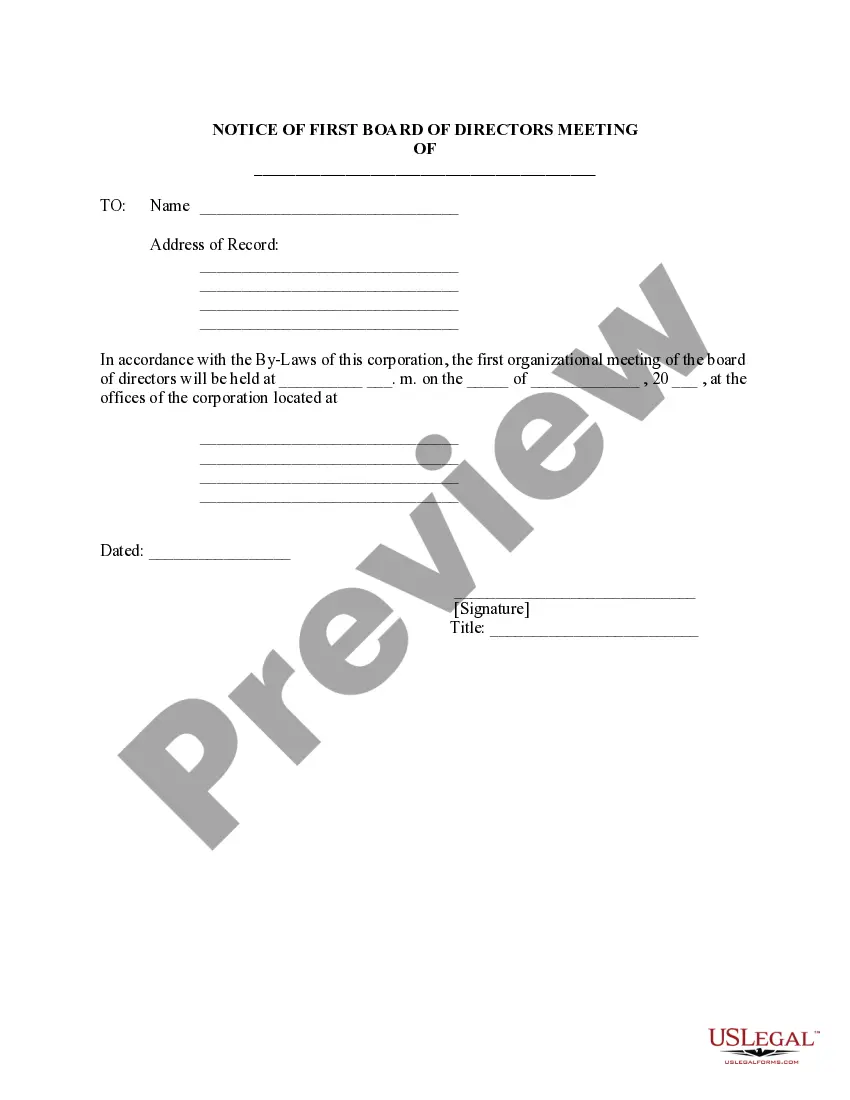
It is a good practice for each board meeting to include an in camera or executive session where board members can meet privately, without the CEO present. In camera is simply Latin for “in chamber” or private. These sessions provide the board the opportunity to have candid discussions without non-board members present.
The board of directors is not above the CEO because they are elected by the shareholders. The CEO is responsible for the day-to-day operations of the company and reports to the board of directors. The board of directors has the authority to hire and Fired CEOs, but they cannot tell the CEO what to do on a daily basis.
Robert's allows both discussion and voting during an executive session. In fact, decisions made during a closed meeting don't even have to be revealed to non-board members until the board chooses.
If the CEO is not also a board member, it is normal for them to attend most board meetings to report on progress, however from time to time it may be appropriate for board meetings to be held without the CEO.