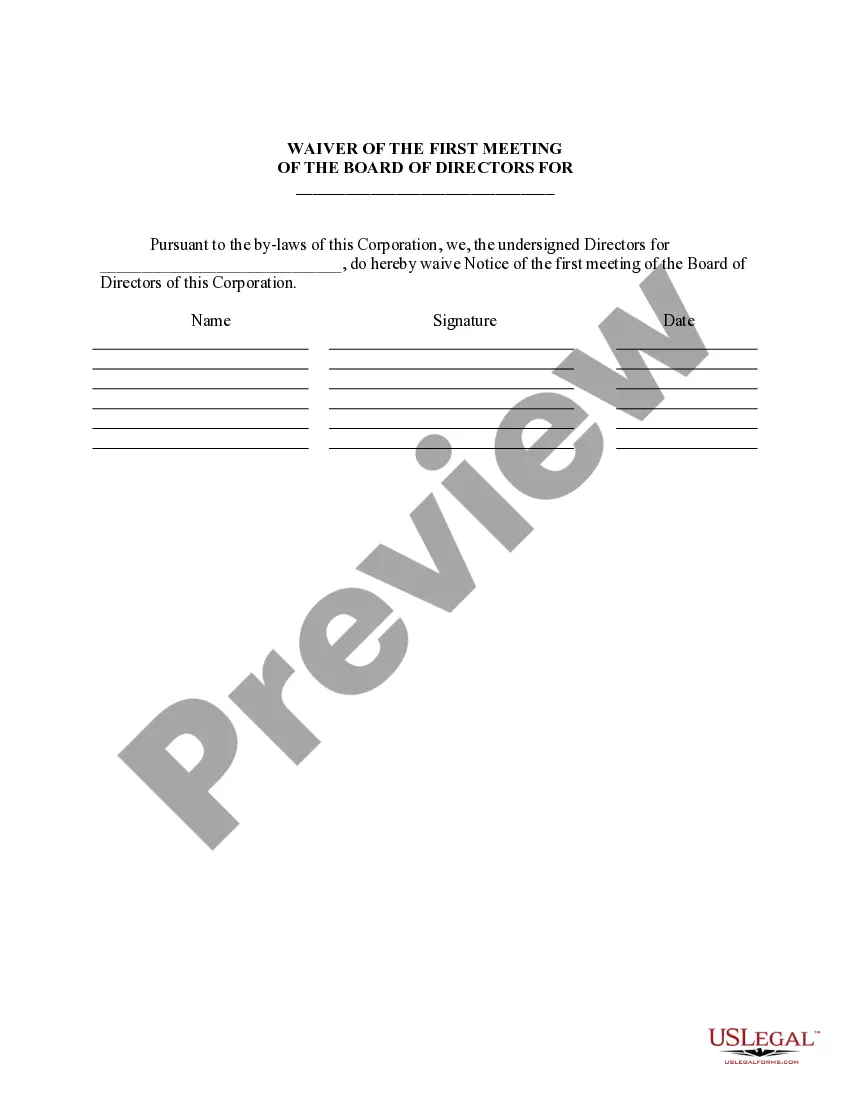
Board Directors Corporate With Shareholders In Pennsylvania
Description
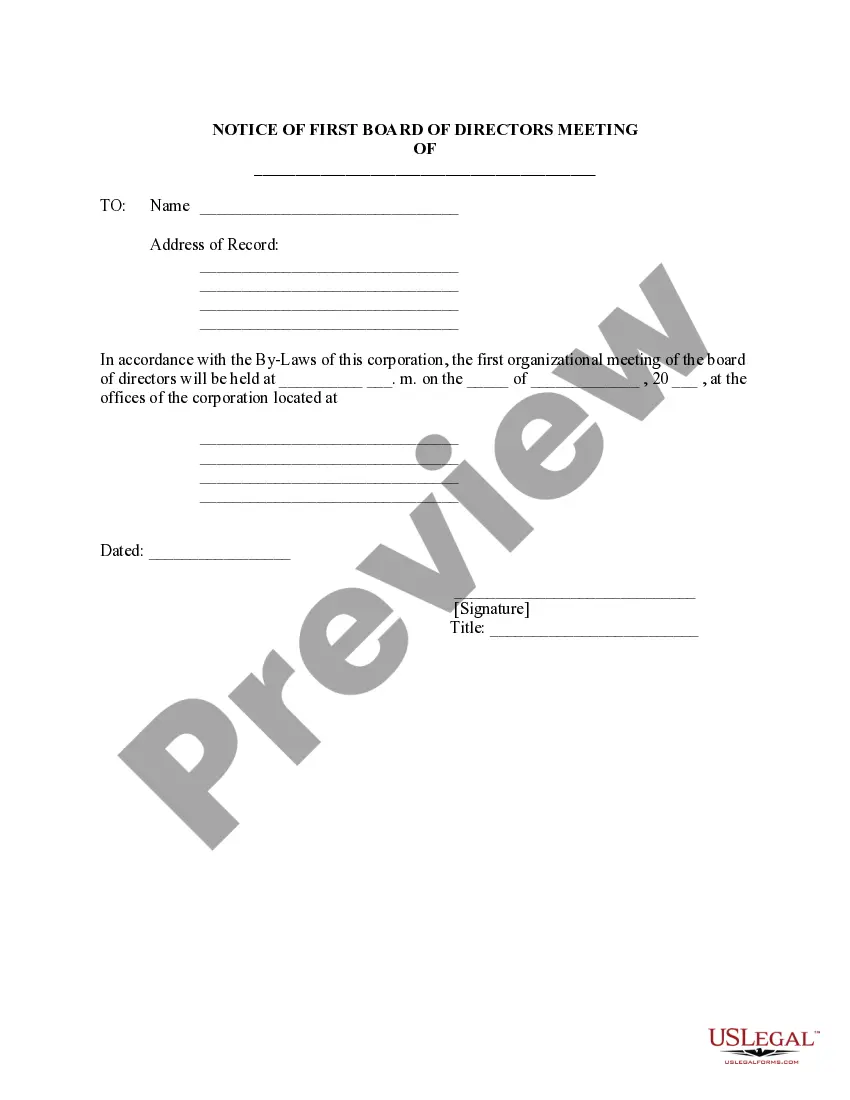


Get your form ready online
Our built-in tools help you complete, sign, share, and store your documents in one place.
Make edits, fill in missing information, and update formatting in US Legal Forms—just like you would in MS Word.
Download a copy, print it, send it by email, or mail it via USPS—whatever works best for your next step.
Sign and collect signatures with our SignNow integration. Send to multiple recipients, set reminders, and more. Go Premium to unlock E-Sign.
If this form requires notarization, complete it online through a secure video call—no need to meet a notary in person or wait for an appointment.
We protect your documents and personal data by following strict security and privacy standards.
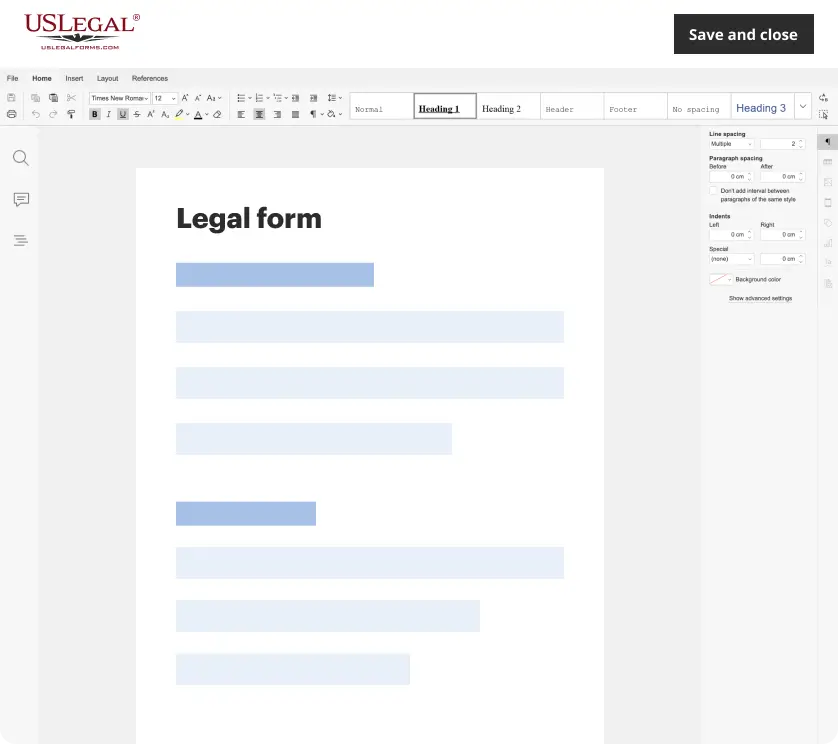
Make edits, fill in missing information, and update formatting in US Legal Forms—just like you would in MS Word.
Download a copy, print it, send it by email, or mail it via USPS—whatever works best for your next step.
Sign and collect signatures with our SignNow integration. Send to multiple recipients, set reminders, and more. Go Premium to unlock E-Sign.

If this form requires notarization, complete it online through a secure video call—no need to meet a notary in person or wait for an appointment.
We protect your documents and personal data by following strict security and privacy standards.
Looking for another form?


Form popularity
FAQ
Shareholder power depends on the level of ownership As such, a shareholder with only 10% of the voting rights and no influence over other shareholders would in practice have much less power over the company than its board of directors.
Shareholders own the company by buying and holding its shares, acting as the company's financial supporters. Directors are responsible for day-to-day management of the business and its operations. Being a shareholder does not automatically confer the right to have a say in how that company is run on a day-to-day basis.
But their control is limited to matters that are put to a vote. Their ultimate decision-making ability may be minimal without a position on the board of directors. In states like Texas, for example, the shareholders' agreement can limit or eliminate the board of directors' managerial power.
While the directors are in control of the day to day running of the company, with access to information about its business and effective control over the calling and conduct of meetings, the shareholders have an ultimate source of power: any director can be removed from office by ordinary resolution: CA 2006, sec168.
While the shareholders control the ownership of the company and are entitled to share its profits in the ratio of their shareholding, directors are responsible for controlling the day to day management of the company and ensuring its compliance with all legal, tax, and regulatory frameworks.
No. Corporations are formed and fictitious names are registered by filings made with the Corporation Bureau. You should, however, contact your local county, township, city, or borough for additional licensing requirements that may apply to your business.
Start an S corp in Pennsylvania Step 1 – Choose a name. Step 2 – Designate a Pennsylvania registered office. Step 3 – File Pennsylvania Certificate of Organization. Step 4 – Create an operating agreement. Step 5 – Apply for an EIN. Step 6 – Apply for S Corp status with IRS Form 2553.
A foreign corporation (both business and nonprofit corporation) is required to advertise its intention to register or its registration to do business in Pennsylvania.
Publication of either the intent to file or the actual filing of Articles of Incorporation must be made in two newspapers of general circulation, one a legal journal, if possible. Proofs of the advertising are not required to be sent to the Bureau but should be filed with the minutes of the corporation.
In general, corporate seals are not mandatory in many jurisdictions, but they are often used to add a professional touch to official documents. It's important to consult with legal professionals or local authorities to understand the specific requirements in your jurisdiction.