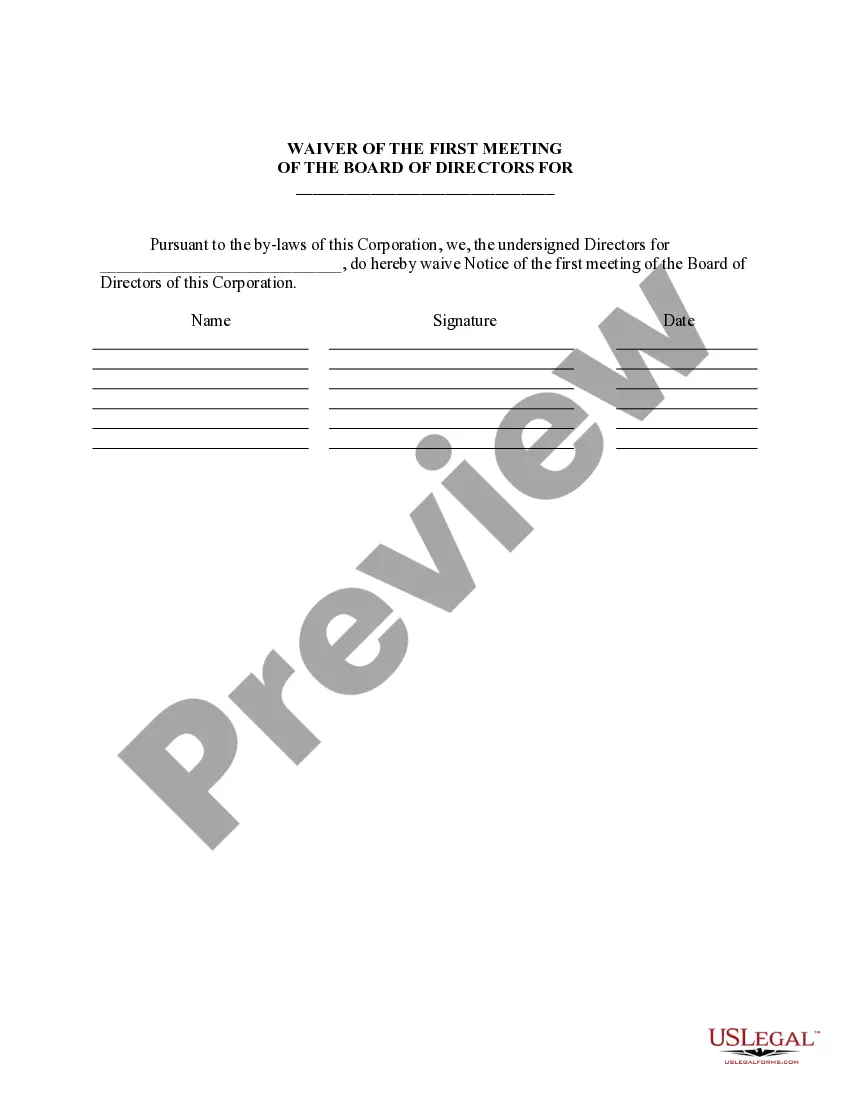
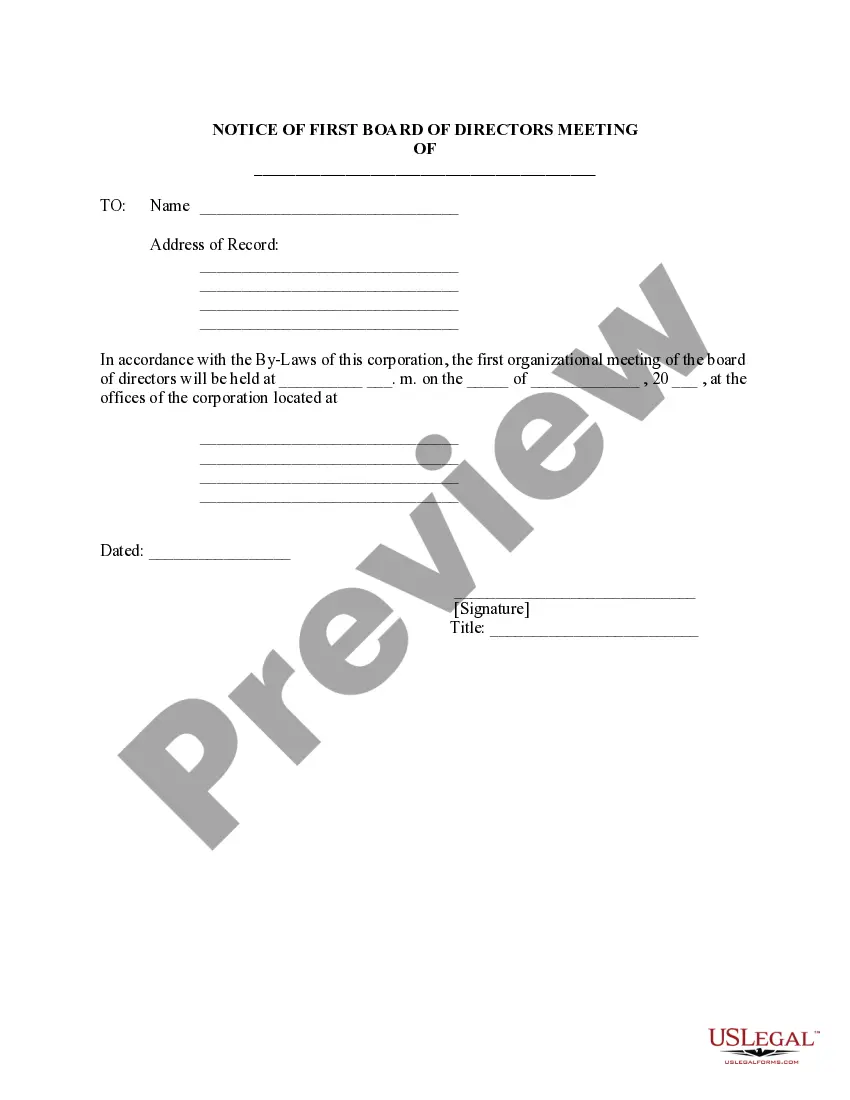
Board Directors Corporate With Shareholders In Michigan
Description


Get your form ready online
Our built-in tools help you complete, sign, share, and store your documents in one place.
Make edits, fill in missing information, and update formatting in US Legal Forms—just like you would in MS Word.
Download a copy, print it, send it by email, or mail it via USPS—whatever works best for your next step.
Sign and collect signatures with our SignNow integration. Send to multiple recipients, set reminders, and more. Go Premium to unlock E-Sign.
If this form requires notarization, complete it online through a secure video call—no need to meet a notary in person or wait for an appointment.
We protect your documents and personal data by following strict security and privacy standards.

Make edits, fill in missing information, and update formatting in US Legal Forms—just like you would in MS Word.

Download a copy, print it, send it by email, or mail it via USPS—whatever works best for your next step.

Sign and collect signatures with our SignNow integration. Send to multiple recipients, set reminders, and more. Go Premium to unlock E-Sign.

If this form requires notarization, complete it online through a secure video call—no need to meet a notary in person or wait for an appointment.

We protect your documents and personal data by following strict security and privacy standards.
Looking for another form?





Form popularity
FAQ
An “all purpose clause” is a statement that the purpose is to engage in any lawful activity within the purposes for which corporations may be organized.
Every public company must have a board of directors. Many private companies and nonprofit organizations will have a board of directors, often called a board of trustees, as well.
While every board member is a shareholder, not every shareholder is automatically a board member. Shareholders who own a certain percentage of the company's shares (usually 10 percent or more) are eligible to serve on the board. However, they must be nominated and elected by the other shareholders.
Public companies must have at least three directors. Only public companies may be listed on the Johannesburg Securities Exchange. Public companies must be audited and must produce audited financial statements which are tabled before shareholders annually.
All business corporations—large, medium, and small—have boards of directors as required by the general corporation laws of the states in which the companies are incorporated.
Board members are added—and removed—by a vote. For publicly traded companies, shareholders vote for directors, typically during the annual stockholders' meeting.
If your business is a corporation, then you are required by law to have a board of directors. Depending on your particular corporate structure and your state, one or two directors may be all that's legally required.
Board of directors candidates can be nominated by the company's nominations committee or by outsiders seeking change. Public companies must have a board of directors. The New York Stock Exchange and Nasdaq require that the majority of members on the boards of listed companies be outside, or independent, directors.
Prompt notice of the taking of the corporate action without a meeting by less than unanimous written consent shall be given to shareholders that would have been entitled to notice of the shareholder meeting if the action had been taken at a meeting and that have not consented to the action in writing.