Stockholders Meeting Resolution With Crown In Minnesota
Description


Get your form ready online
Our built-in tools help you complete, sign, share, and store your documents in one place.
Make edits, fill in missing information, and update formatting in US Legal Forms—just like you would in MS Word.
Download a copy, print it, send it by email, or mail it via USPS—whatever works best for your next step.
Sign and collect signatures with our SignNow integration. Send to multiple recipients, set reminders, and more. Go Premium to unlock E-Sign.
If this form requires notarization, complete it online through a secure video call—no need to meet a notary in person or wait for an appointment.
We protect your documents and personal data by following strict security and privacy standards.

Make edits, fill in missing information, and update formatting in US Legal Forms—just like you would in MS Word.

Download a copy, print it, send it by email, or mail it via USPS—whatever works best for your next step.

Sign and collect signatures with our SignNow integration. Send to multiple recipients, set reminders, and more. Go Premium to unlock E-Sign.

If this form requires notarization, complete it online through a secure video call—no need to meet a notary in person or wait for an appointment.

We protect your documents and personal data by following strict security and privacy standards.
Looking for another form?

Form popularity
FAQ
You do not always need to have a meeting to pass a resolution. If enough shareholders or directors have told you they agree, you can usually confirm the resolution in writing. You must write to all shareholders letting them know about the outcome of a resolution.
Meeting minutes describe actions taken during a meeting, while a resolution describes actions that a corporation's board of directors have authorized.
Shareholder resolutions are a meaningful way for shareholders to encourage corporate responsibility and discourage company practices that are unsustainable or unethical.
A resolution in lieu of a meeting is a written resolution (signed by all shareholders who are entitled to vote at the meeting) that deals with all matters that need to be addressed at a shareholders' meeting. This resolution is just as valid as it would be if passed at a meeting of shareholders.
A shareholders' resolution can either be passed during a formal meeting of the shareholders or in writing (without holding an actual meeting). Regardless of the method, the resolutions must be passed in ance with certain statutory, and possibly contractual, requirements.
As a general rule, resolutions of the shareholders' meeting are passed by a simple majority of votes, without the requirement of a quorum – unless otherwise stipulated in the limited liability company's articles of association or the Commercial Code. There is one vote for each share of equal nominal value.
Menu Inversionistas. In ance with the current Statutes, two types of general assemblies can be held: ordinary and extraordinary. Ordinary general shareholders meetings are those convened to discuss any matter that is not reserved for extraordinary general shareholders meetings.
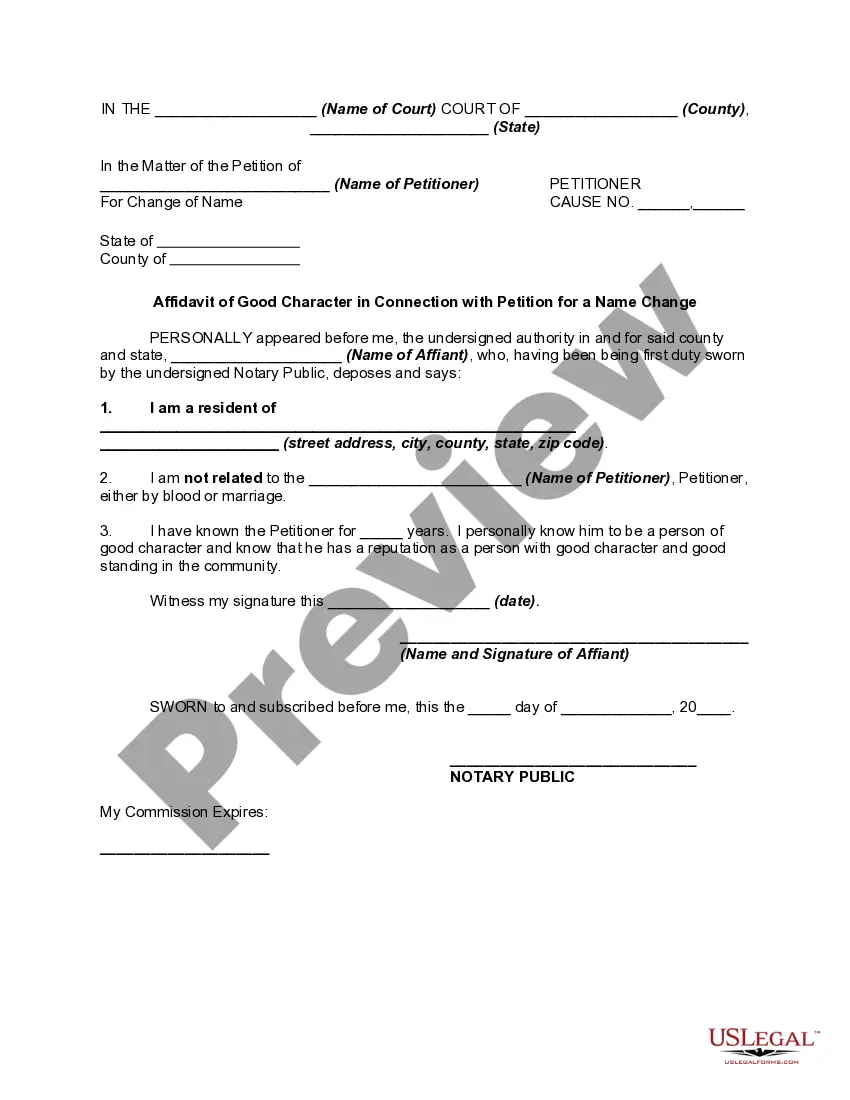
Three days before a special meeting, a public body must post written notice on its principal bulletin board or usual meeting room door. (For example, a public body must post by Tuesday for a Friday meeting.) The posted notice must include the date, time, and place of the special meeting.
A meeting notice should include the following key details: Name and contact information of the meeting chair. Name and role of the sender of the meeting notice. Names and roles of all the invitees. Type of meeting — regular, annual, or special. Date, time and location of the meeting (the notice should also be dated)

