Meeting Annual Consider For Llc In Tarrant
Description
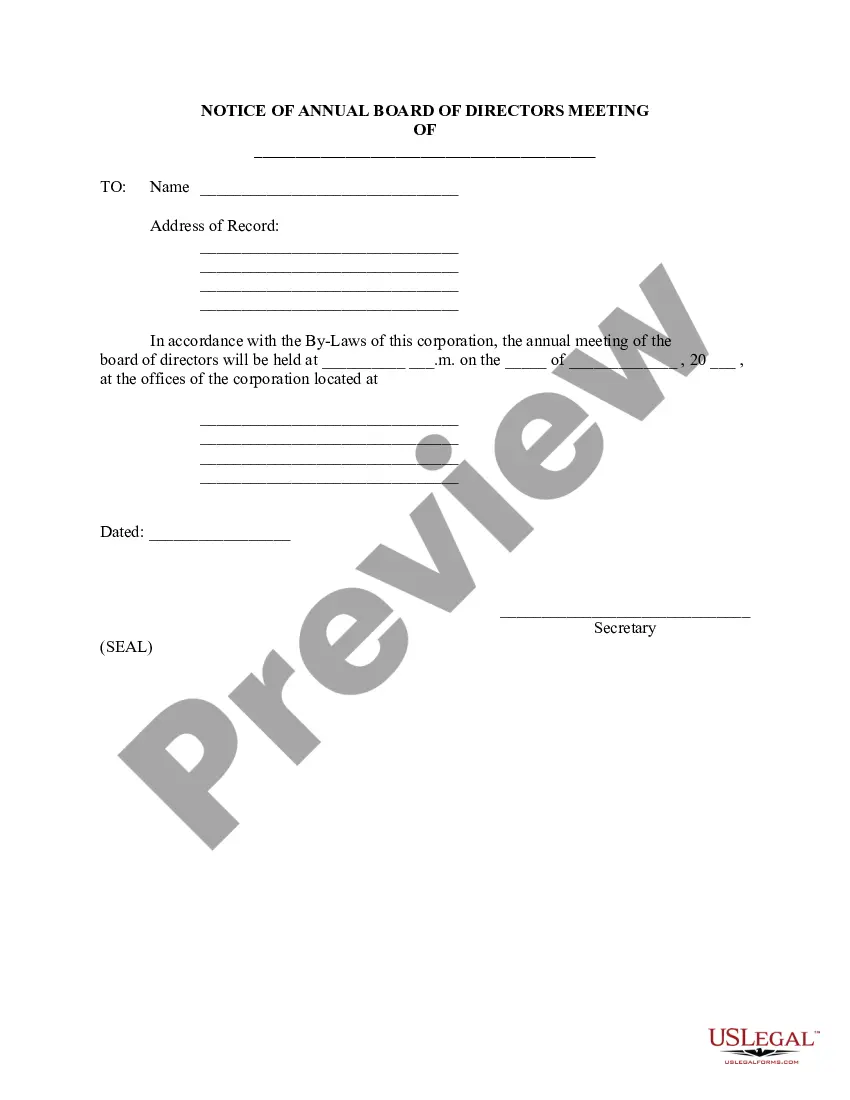


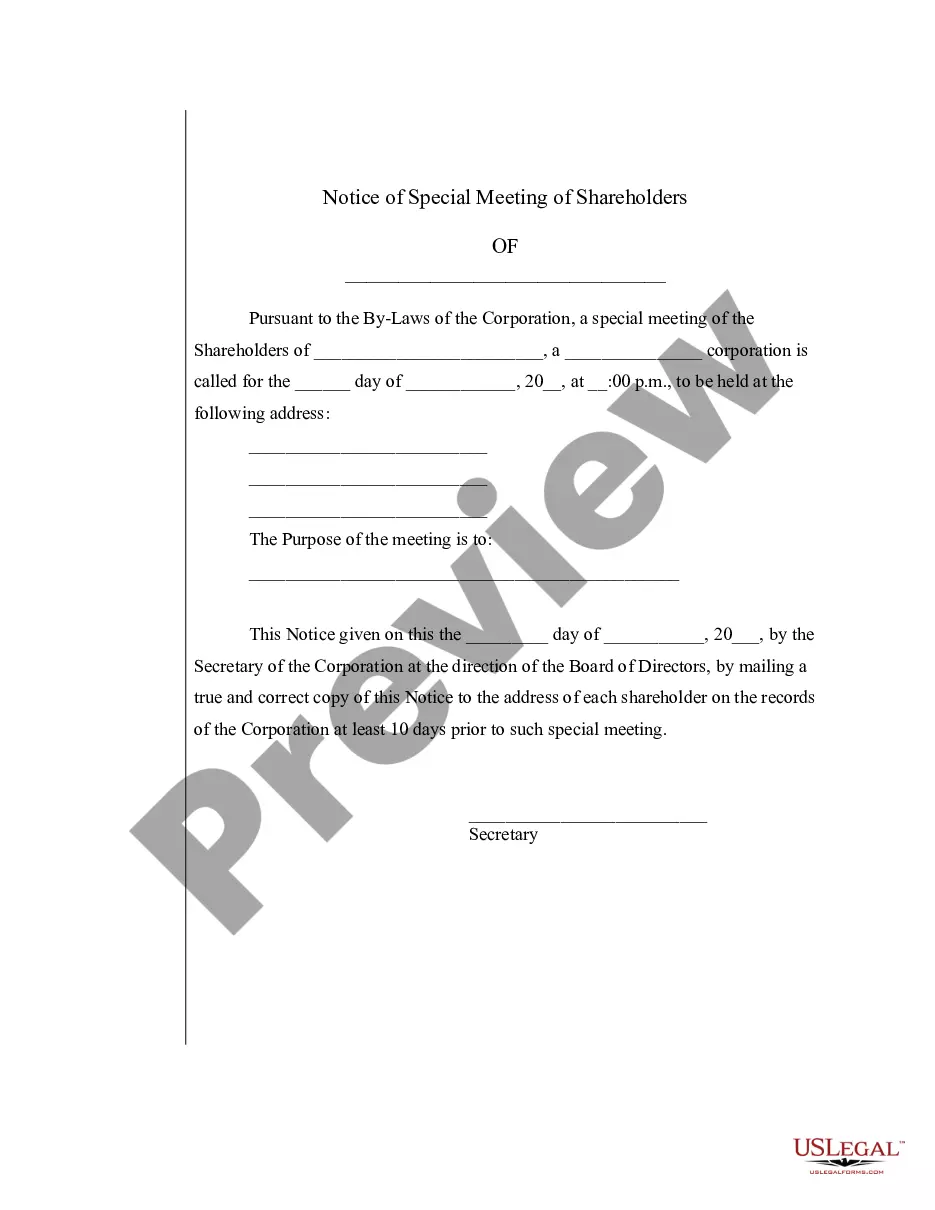
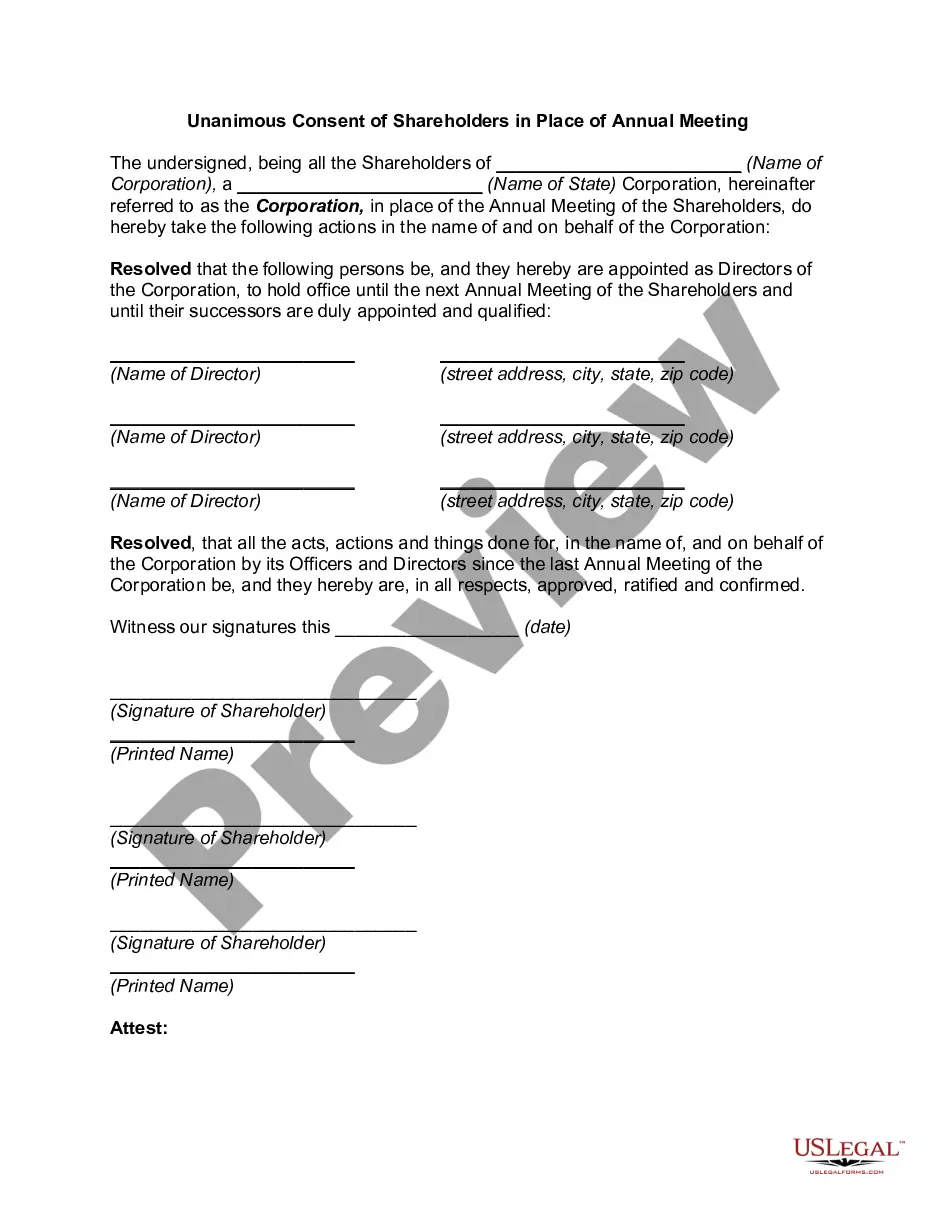
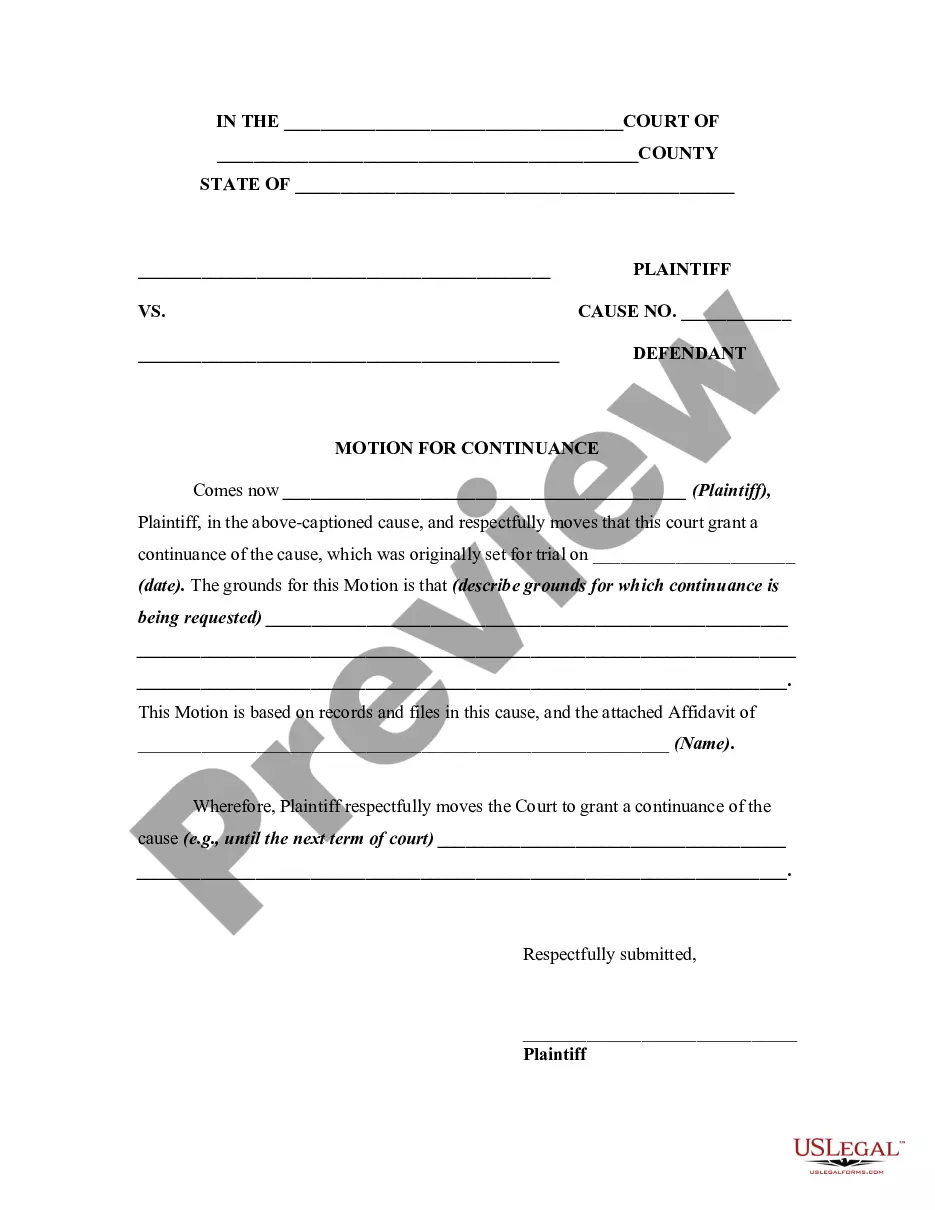
Get your form ready online
Our built-in tools help you complete, sign, share, and store your documents in one place.
Make edits, fill in missing information, and update formatting in US Legal Forms—just like you would in MS Word.
Download a copy, print it, send it by email, or mail it via USPS—whatever works best for your next step.
Sign and collect signatures with our SignNow integration. Send to multiple recipients, set reminders, and more. Go Premium to unlock E-Sign.
If this form requires notarization, complete it online through a secure video call—no need to meet a notary in person or wait for an appointment.
We protect your documents and personal data by following strict security and privacy standards.

Make edits, fill in missing information, and update formatting in US Legal Forms—just like you would in MS Word.

Download a copy, print it, send it by email, or mail it via USPS—whatever works best for your next step.

Sign and collect signatures with our SignNow integration. Send to multiple recipients, set reminders, and more. Go Premium to unlock E-Sign.

If this form requires notarization, complete it online through a secure video call—no need to meet a notary in person or wait for an appointment.

We protect your documents and personal data by following strict security and privacy standards.
Looking for another form?

Form popularity
FAQ
Notes: Domestic or foreign Texas limited liability companies (including professional LLCs) must file a Public Information Report when they file their annual franchise tax with the Texas Comptroller of Public Accounts. There is no separate submission to the Texas Secretary of State.
After an initial filing, some states—such as California, Iowa, and Indiana— require LLCs to file a report every other year. In some states, you'll file a report every two years from the year you formed your LLC.
Most state laws note that an LLC's failure to uphold internal formalities (such as yearly meetings) does not invalidate the LLC or constitute piercing the corporate veil. That said, LLCs with more than one member should take the time to go over details at least once a year.
In Texas, LLCs do not need to be renewed each year like in some other states. However, Texas does impose a franchise tax on LLCs. This is an annual tax based on the LLC's revenue. While there is no annual renewal requirement for the LLC itself, the franchise tax report acts as a type of annual check-in with the state.
Unlike most states, Texas does not require LLCs to file annual reports. Despite this, LLCs in the state of Texas are required to file annual franchise tax reports.
Member and Manager Meetings in Limited Liability Companies Unlike corporations, neither Texas nor Delaware law require LLCs to hold annual meetings or maintain minutes of meetings if they are held – this holds true for members and managers (FYI, LLCs don't always have managers).
Information captured in an LLC's annual meeting minutes usually includes: The meeting's date, time, and location. Who wrote the minutes. The names of the members in attendance. Brief description of the meeting agenda. Details about what the members discussed. Decisions made or voting actions taken.
What are the Steps to Starting an LLC in Texas? Step 1: Name Your Texas LLC. Step 2: Designate a Registered Agent. Step 3: File Articles of Organization (or similar document) ... Step 4: Receive a Certificate From the State. Step 5: Create an Operating Agreement. Step 6: Get an Employer Identification Number.

