Annual Meeting Shareholders With Example In North Carolina
Description


Get your form ready online
Our built-in tools help you complete, sign, share, and store your documents in one place.
Make edits, fill in missing information, and update formatting in US Legal Forms—just like you would in MS Word.
Download a copy, print it, send it by email, or mail it via USPS—whatever works best for your next step.
Sign and collect signatures with our SignNow integration. Send to multiple recipients, set reminders, and more. Go Premium to unlock E-Sign.
If this form requires notarization, complete it online through a secure video call—no need to meet a notary in person or wait for an appointment.
We protect your documents and personal data by following strict security and privacy standards.

Make edits, fill in missing information, and update formatting in US Legal Forms—just like you would in MS Word.

Download a copy, print it, send it by email, or mail it via USPS—whatever works best for your next step.

Sign and collect signatures with our SignNow integration. Send to multiple recipients, set reminders, and more. Go Premium to unlock E-Sign.

If this form requires notarization, complete it online through a secure video call—no need to meet a notary in person or wait for an appointment.

We protect your documents and personal data by following strict security and privacy standards.
Looking for another form?


Form popularity
FAQ
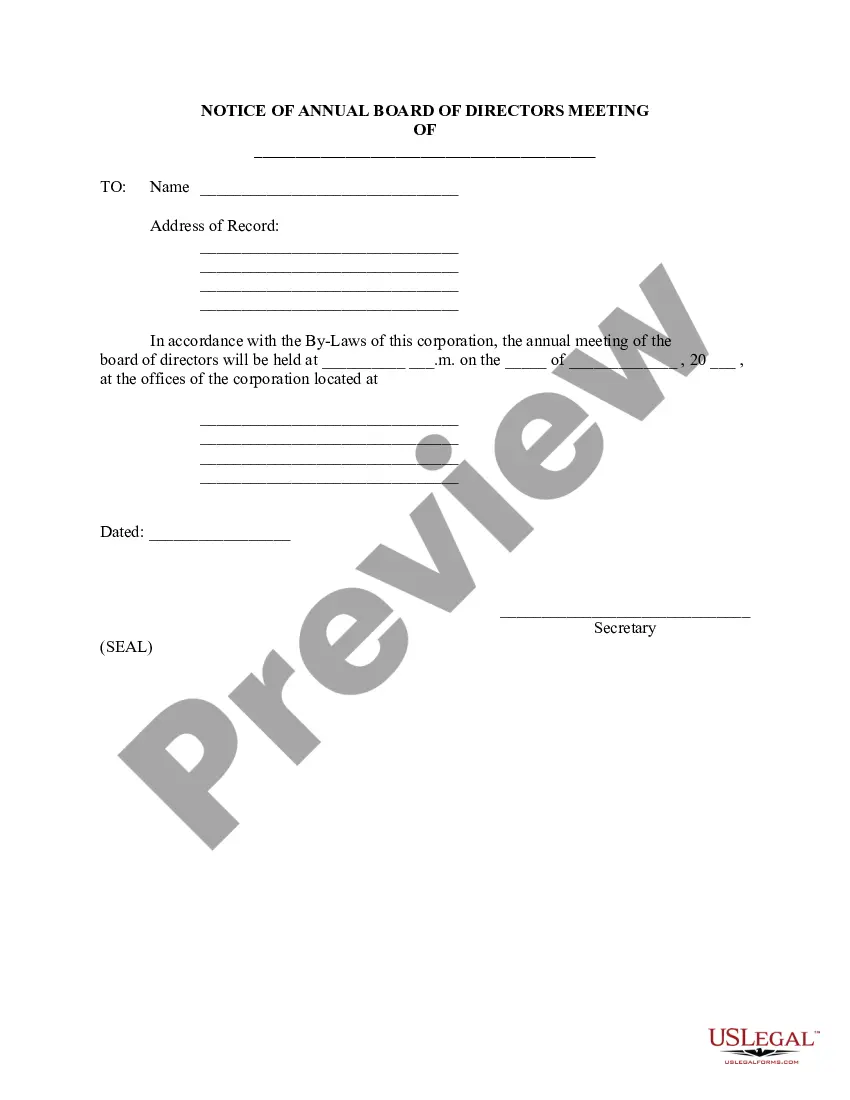
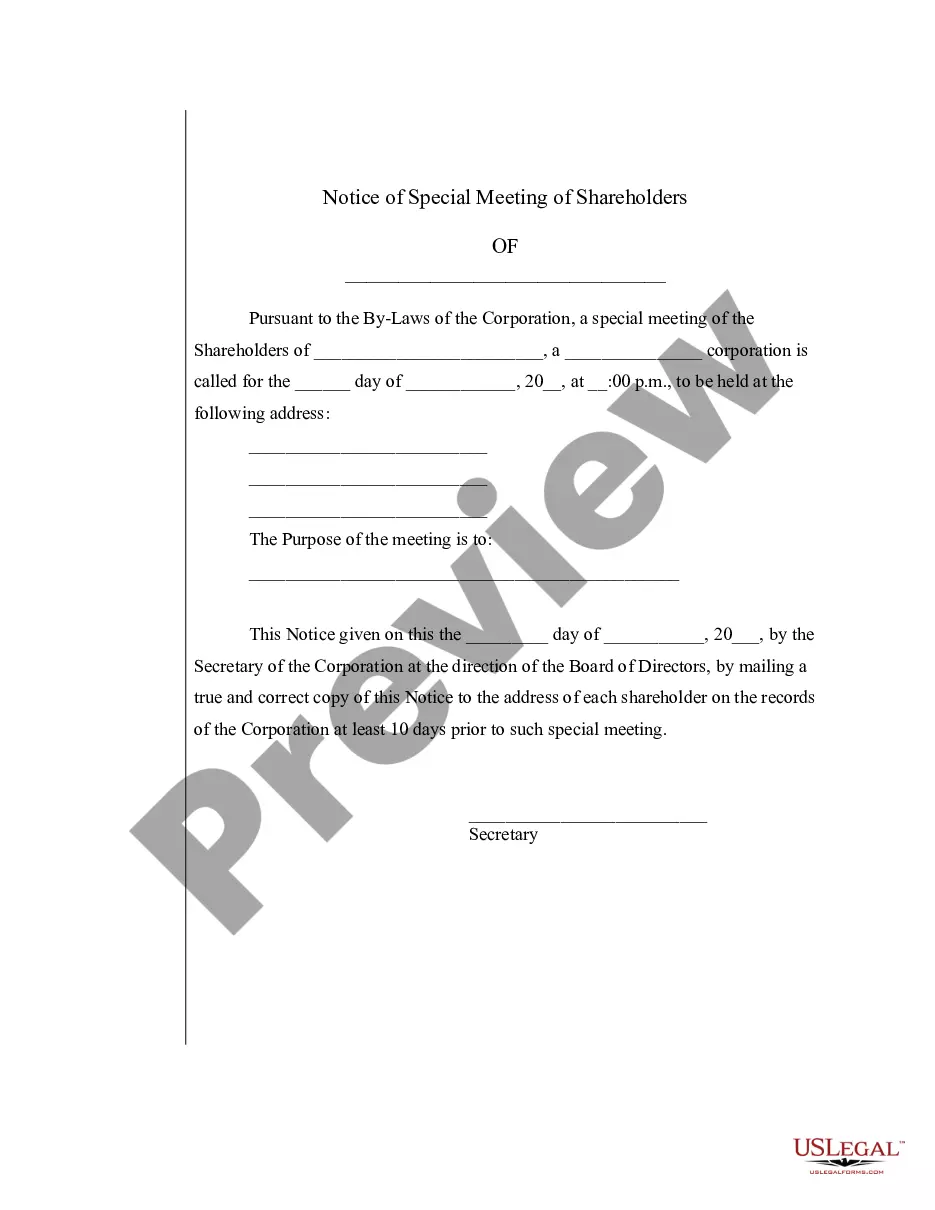
Notification to Shareholders Annual shareholder meetings require a notice period of at least 21 days. The notice period can be shortened with the expressed consent of all shareholders. The notice should include all the basic meeting details and other important pieces of documentation, such as the meeting agenda.
As the name implies, an annual general meeting (AGM) is a yearly meeting where shareholders and board members converge to discuss business matters, review financial reports, and vote on the election or removal of company directors. AGMs are mandatory for both public and private companies.
At AGMs, the chair must allow a reasonable opportunity for members to ask questions about or make comments on the management of the company (s 250S) and, in the case of listed companies, the remuneration report (s 250SA), and to ask questions of the company's auditors or their representative (s 250T).
Information captured in an LLC's annual meeting minutes usually includes: The meeting's date, time, and location. Who wrote the minutes. The names of the members in attendance. Brief description of the meeting agenda. Details about what the members discussed. Decisions made or voting actions taken.
Include a declaration that the meeting has begun, a welcome to the members, an introduction of the board members and manager, and a brief explanation of the meeting's goals. Declare each item on the agenda and what it means. Introduce reports and speakers formally; clearly state motions and their results.
Decision Making: AGMs are essential for making important decisions about the company's future. Shareholders vote on matters such as the appointment of auditors, the declaration of dividends, and the election of directors.
How has the Board minimised/limited/managed possible exchange rate fluctuations? Does the Board's plan for the future need working capital – how will it raise it? Has the Board identified under-performing assets, operations or divisions? What are they doing about them?
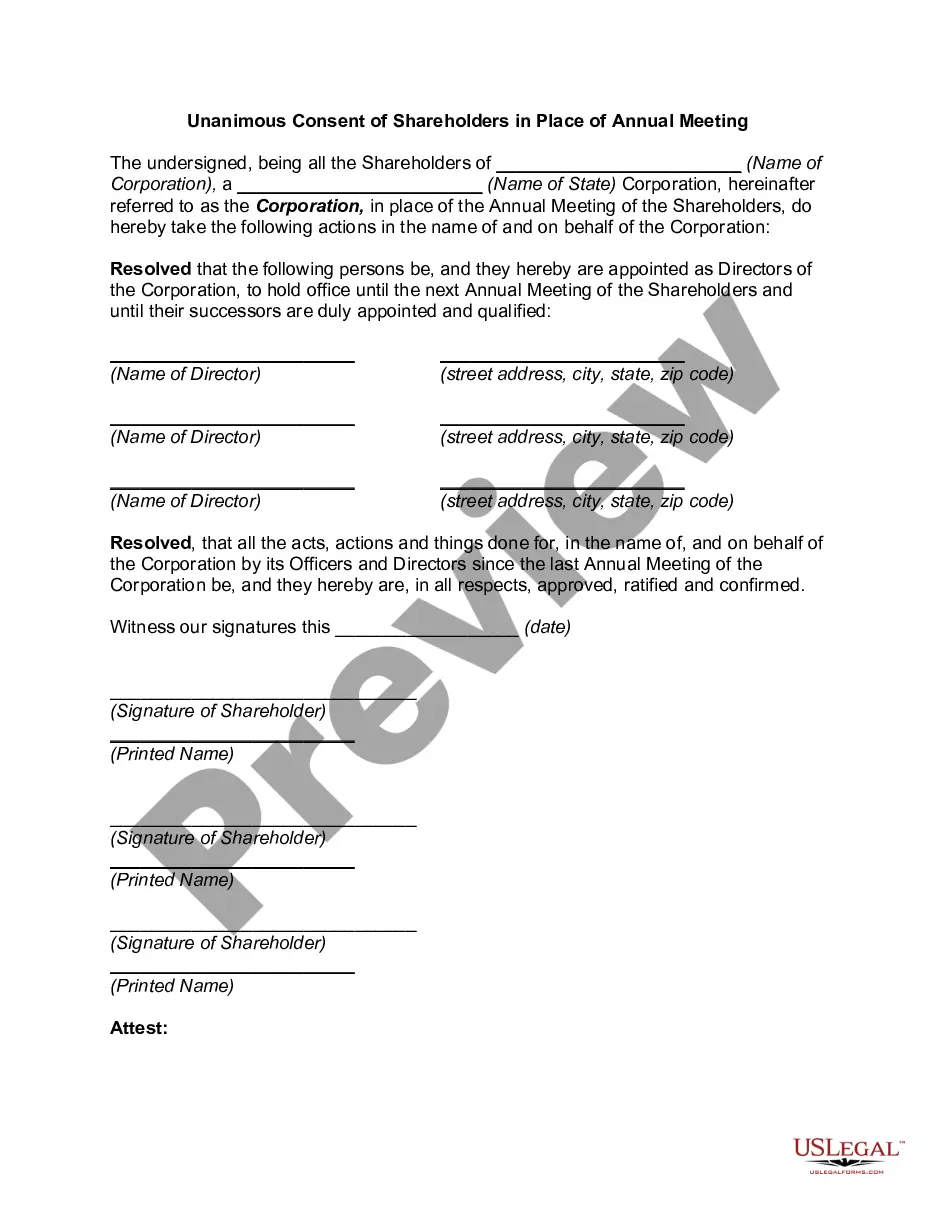
Annual General Meeting (AGM) During these meetings, corporate board members present annual financial reports and accounts to be ratified by shareholders. Shareholders can also question board decisions and vote on the appointment, election, or removal of company directors.
The format for a meeting depends on the meeting type and style. While there is no set format for meeting minutes, templates provide guidelines for essential information that should be included in your documentation.
