Personal Use Property Vs Listed Personal Property
Description

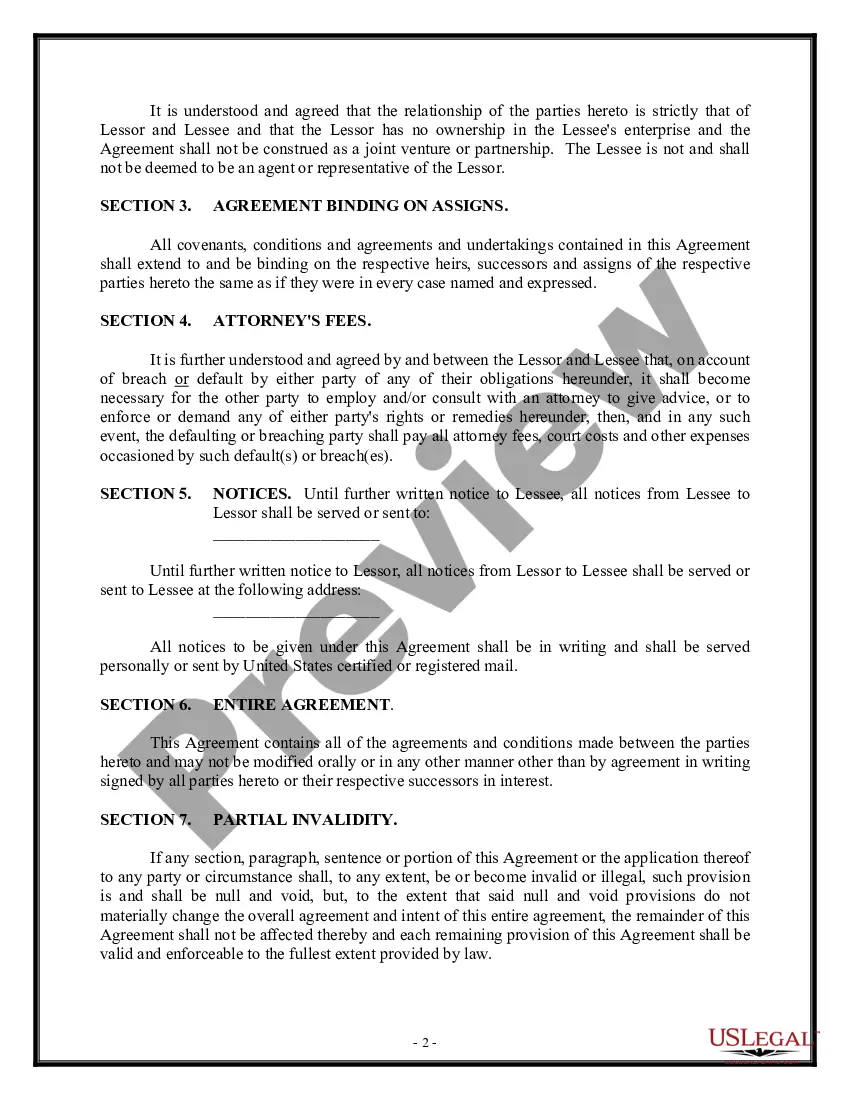
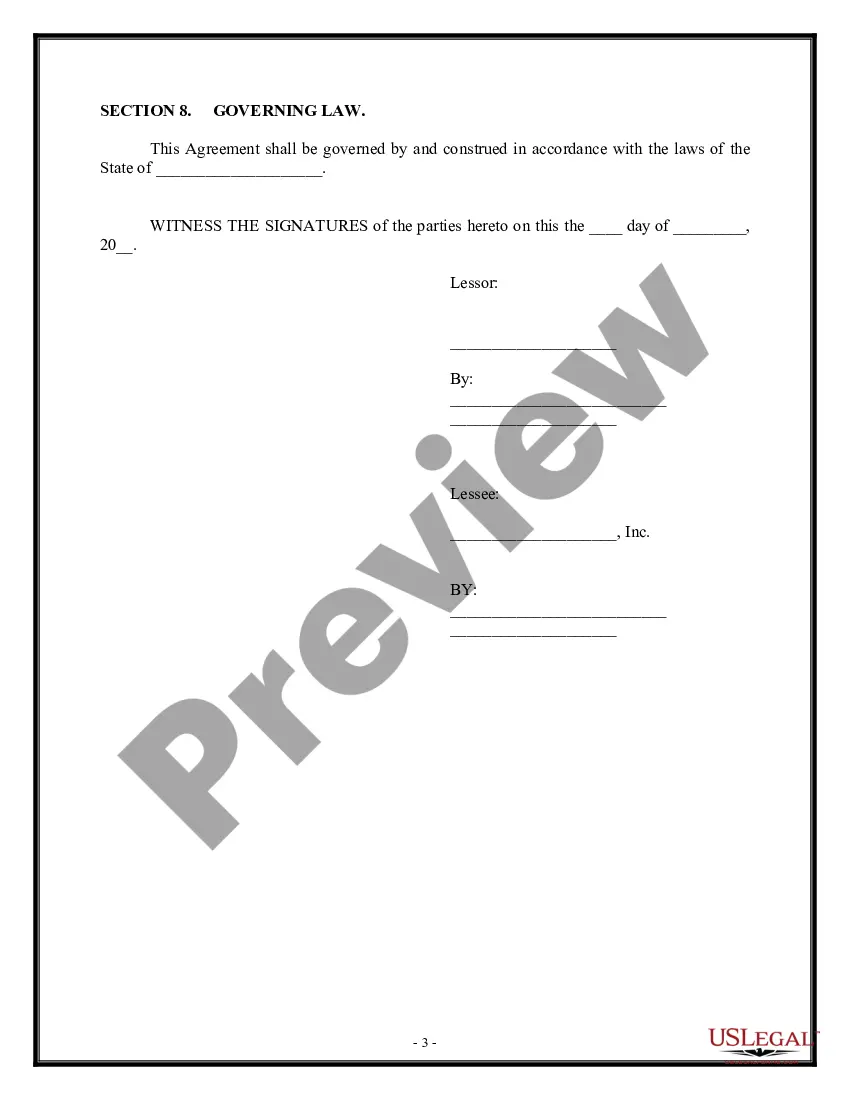
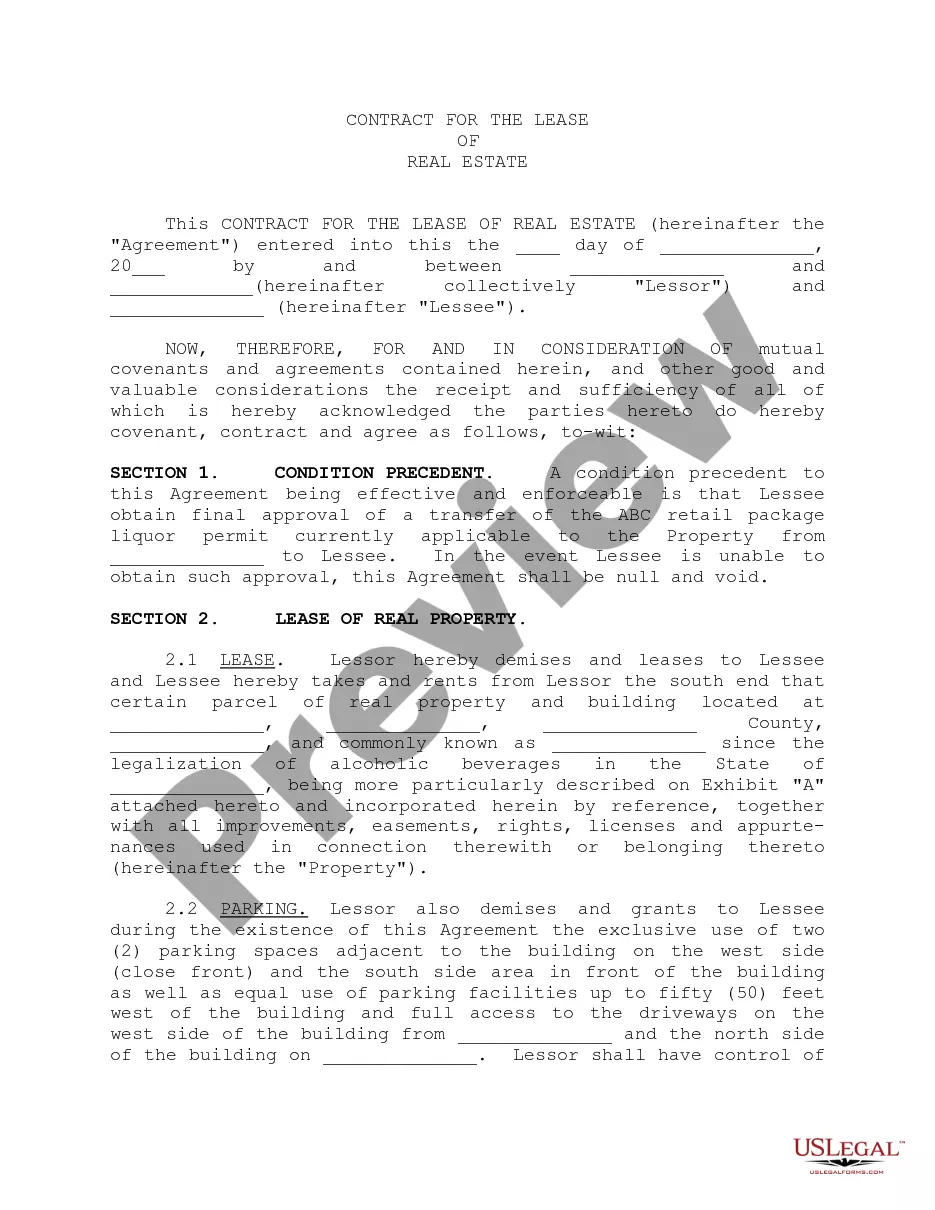
Get your form ready online
Our built-in tools help you complete, sign, share, and store your documents in one place.
Make edits, fill in missing information, and update formatting in US Legal Forms—just like you would in MS Word.
Download a copy, print it, send it by email, or mail it via USPS—whatever works best for your next step.
Sign and collect signatures with our SignNow integration. Send to multiple recipients, set reminders, and more. Go Premium to unlock E-Sign.
If this form requires notarization, complete it online through a secure video call—no need to meet a notary in person or wait for an appointment.
We protect your documents and personal data by following strict security and privacy standards.

Make edits, fill in missing information, and update formatting in US Legal Forms—just like you would in MS Word.

Download a copy, print it, send it by email, or mail it via USPS—whatever works best for your next step.

Sign and collect signatures with our SignNow integration. Send to multiple recipients, set reminders, and more. Go Premium to unlock E-Sign.

If this form requires notarization, complete it online through a secure video call—no need to meet a notary in person or wait for an appointment.

We protect your documents and personal data by following strict security and privacy standards.
Looking for another form?
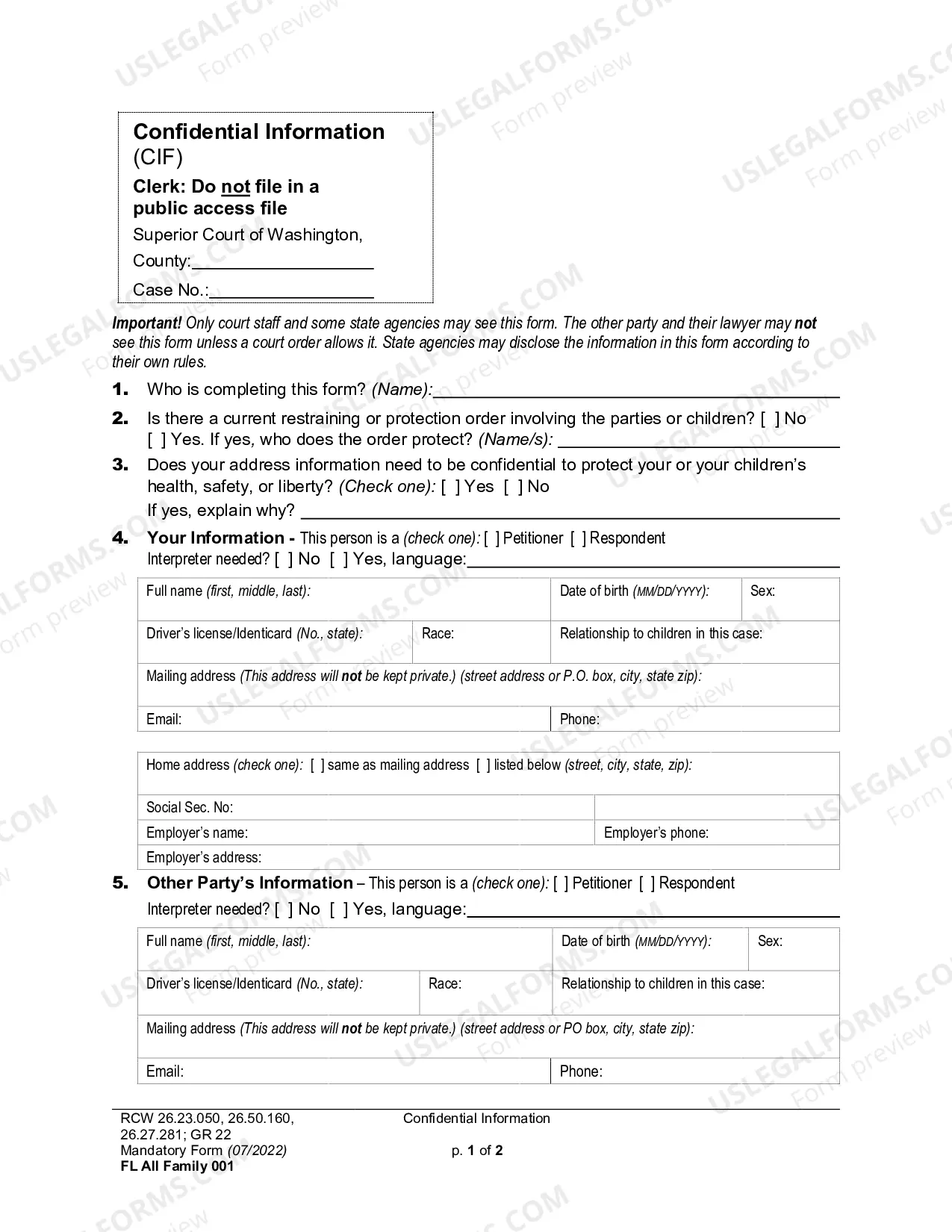






How to fill out Contract For The Lease Of Personal Property?
Utilizing legal templates that adhere to federal and state regulations is crucial, and the web provides numerous options to choose from.
However, what's the advantage of wasting time searching for the correct Personal Use Property Vs Listed Personal Property sample online when the US Legal Forms digital library already has such templates compiled in one location.
US Legal Forms is the largest online legal repository with more than 85,000 fillable templates created by attorneys for various business and personal situations.
Review the template using the Preview feature or through the text outline to confirm it meets your requirements.
- They are easy to navigate with all documents categorized by state and intended use.
- Our experts keep pace with legal modifications, ensuring your documents remain current and compliant when acquiring a Personal Use Property Vs Listed Personal Property from our platform.
- Obtaining a Personal Use Property Vs Listed Personal Property is quick and effortless for both existing and new users.
- If you already possess an account with an active subscription, Log In and save the necessary document sample in the desired format.
- If you're new to our site, follow the steps below.
Form popularity
FAQ
Tangible personal property is a tax term describing personal property that can be physically relocated, such as furniture and office equipment. Tangible personal property is always depreciated over either a five- or seven-year period using straight-line depreciation but is eligible for accelerated depreciation as well.
Losses from the sale of personal?use property, such as your home or car, are not deductible. It is not eligible for the capital gains loss of up to $3,000 annually. For more information, see About Publication 523, Selling Your Home.
Definition of Real Property and Business Personal Property Real property refers to land and any permanent structures attached to it, such as buildings or improvements. Business personal property refers to all other types of property used in a business, such as machinery, equipment, tools, and furniture.
Personal use property is used for personal enjoyment as opposed to business or investment purposes. These may include personally-owned cars, homes, appliances, apparel, food items, and so on.
Individual Personal Property includes: Unlicensed vehicles, which are those not having an active North Carolina registration on January 1 of a year, including automobiles, trucks, trailers, permanent multi-year trailers, campers and motorcycles. Boats, Boat Motors, Jet Skis, etc. Mobile Homes.