Personal Property Form Insurance In California
Description

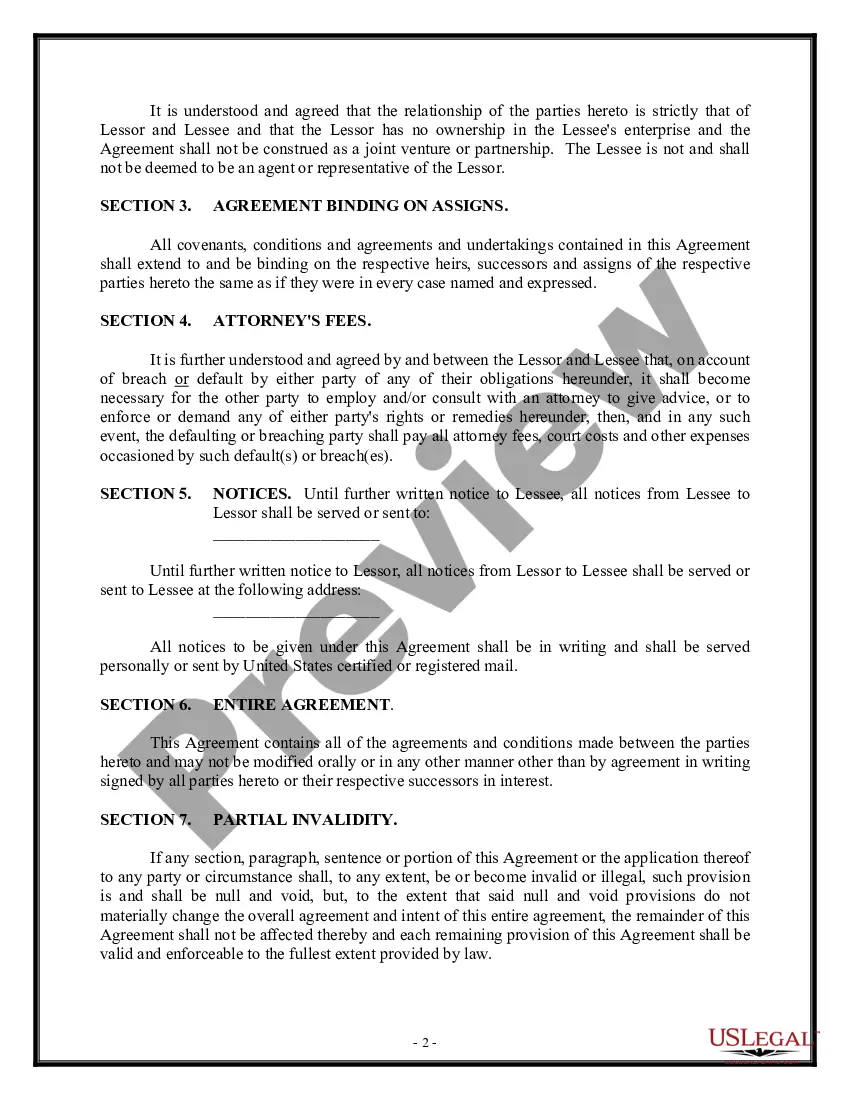
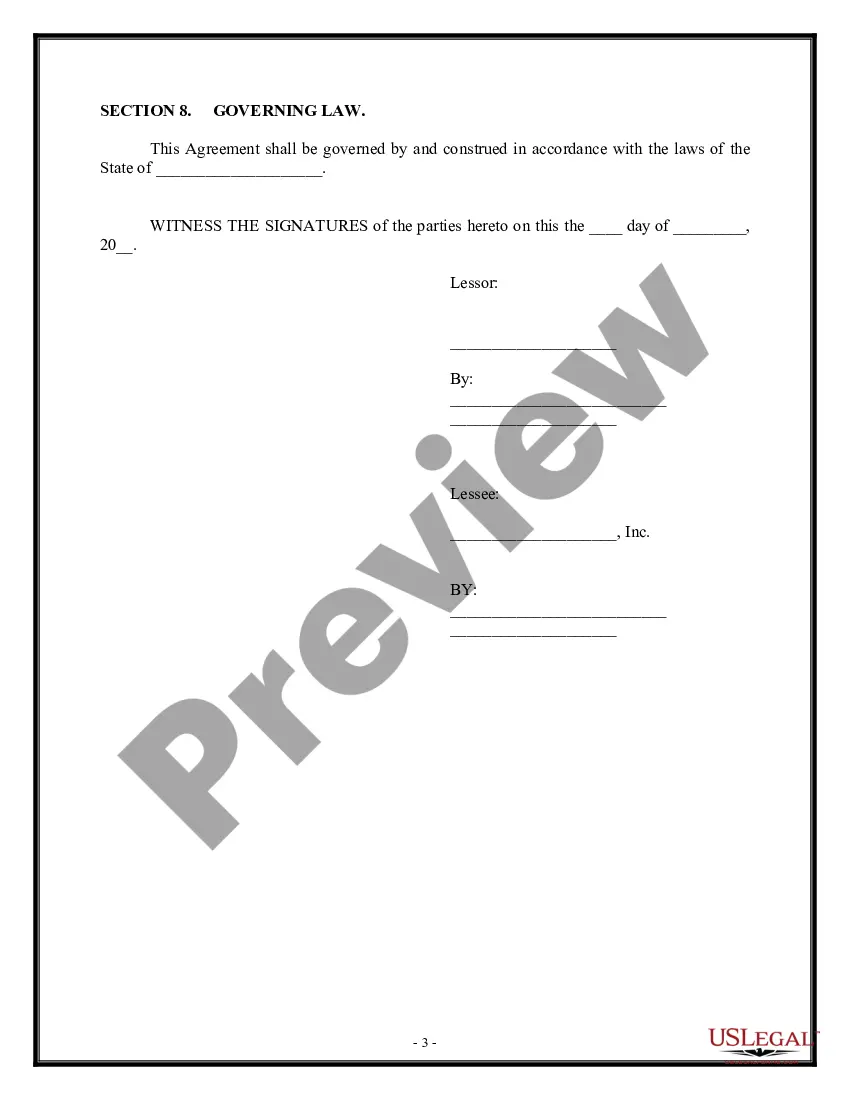
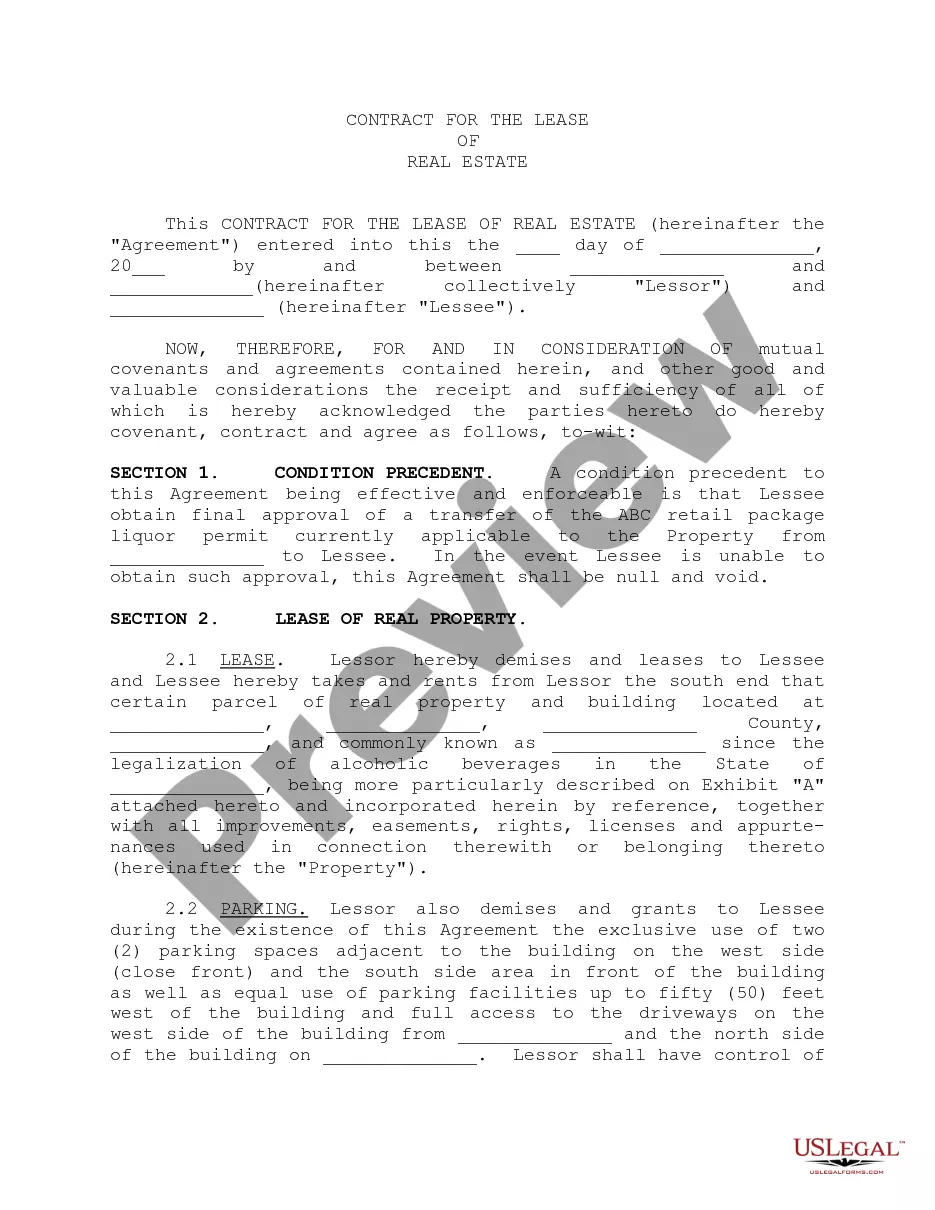
Get your form ready online
Our built-in tools help you complete, sign, share, and store your documents in one place.
Make edits, fill in missing information, and update formatting in US Legal Forms—just like you would in MS Word.
Download a copy, print it, send it by email, or mail it via USPS—whatever works best for your next step.
Sign and collect signatures with our SignNow integration. Send to multiple recipients, set reminders, and more. Go Premium to unlock E-Sign.
If this form requires notarization, complete it online through a secure video call—no need to meet a notary in person or wait for an appointment.
We protect your documents and personal data by following strict security and privacy standards.

Make edits, fill in missing information, and update formatting in US Legal Forms—just like you would in MS Word.

Download a copy, print it, send it by email, or mail it via USPS—whatever works best for your next step.

Sign and collect signatures with our SignNow integration. Send to multiple recipients, set reminders, and more. Go Premium to unlock E-Sign.

If this form requires notarization, complete it online through a secure video call—no need to meet a notary in person or wait for an appointment.

We protect your documents and personal data by following strict security and privacy standards.
Looking for another form?




Form popularity
FAQ
Final answer: Coverage C, Personal Property, typically includes most personal items within the insured home, but does not cover vehicles, and high-value items may require additional coverage.
Examples of tangible personal property include vehicles, furniture, boats, and collectibles. Digital assets, patents, and intellectual property are intangible personal property. Just as some loans—mortgages, for example—are secured by real property like a house, some loans are secured by personal property.
Tangible personal property, or TPP as it is sometimes called, includes items such as furniture, machinery, cell phones, computers, and collectibles. Intangibles, on the other hand, consist of things that cannot be seen or touched like patents and copyrights.
A personal property damage claim works like any other type of insurance claim, and the process officially begins when you notify your insurer about your loss. They'll assign a claims adjuster to assess the damage, determine if coverage applies and process the appropriate settlement.
A health insurance claim form has two sections, i.e., Part A and Part B. While Part A is to be filled out by the policyholder, Part B is for the hospital. 2. In Part A of the form, you must fill out your name, residential address, policy number, email ID, phone number, medical history, details of hospitalisation, etc.
Under Article XIII, Section I of the California Constitution, all property is taxable unless it is exempt. Each year Personal Property is reassessed as of lien date, January 1st. Personal Property is all property except real estate and can include business equipment, vessels, aircraft, vehicles and manufactured homes.
The sum of the value of all your items is how much coverage you need. Often, the amount of personal property coverage is determined by using 50% of your dwelling coverage limit. For example, if your dwelling coverage is $400,000, you'll have $200,000 in personal property coverage.
Your homeowners insurance policy will typically include some percentage – such as 50% -- of your dwelling coverage for personal property coverage. For example, if your policy's dwelling limit is $200,000, you'll have $100,000 in personal property insurance coverage.
While there isn't a minimum home insurance requirement in California, separate wildfire, earthquake and flood insurance may be needed depending on your home's exact location. You may want to check with your agent for guidance on the appropriate levels of homeowners insurance.
How much BPP coverage do you need? For business property insurance policies, you typically need a policy limit of at least 80% or 90% of the value of the covered property. This is spelled out in what's called the “coinsurance provision,” which you can find in your policy declarations.