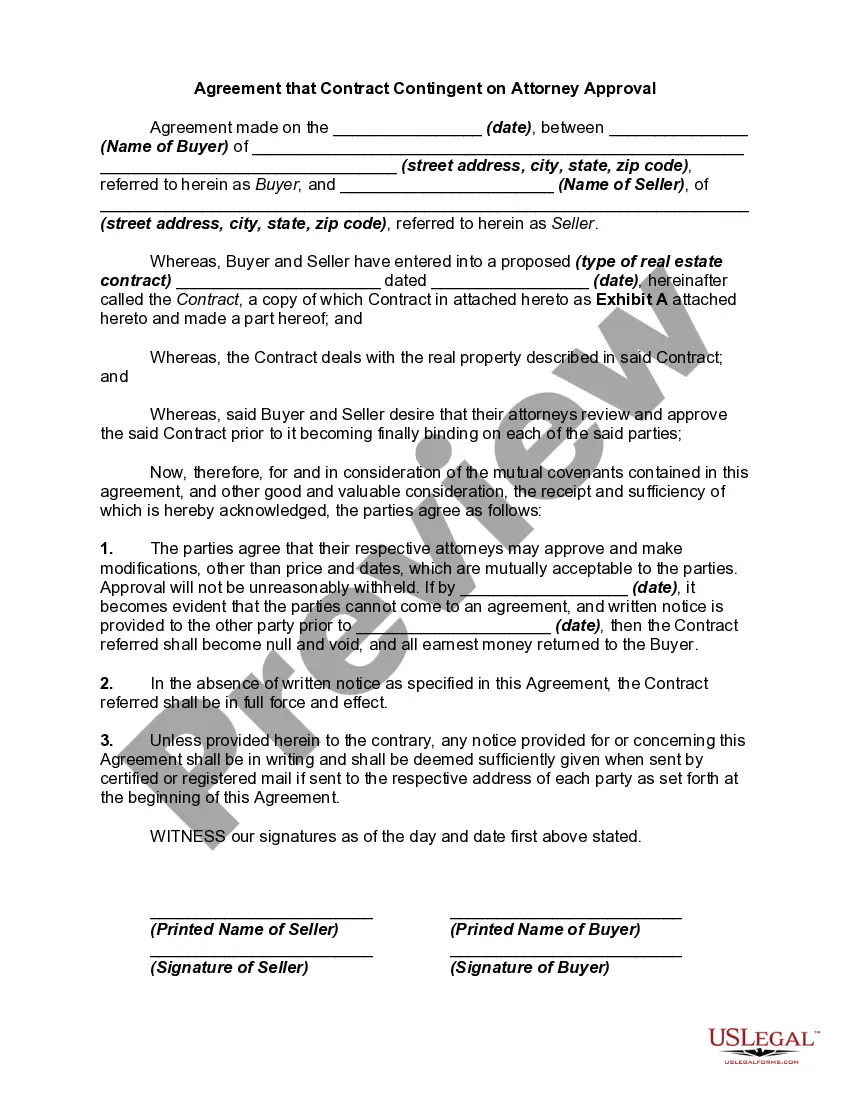
Real Estate Clause In A Will In Santa Clara
Description

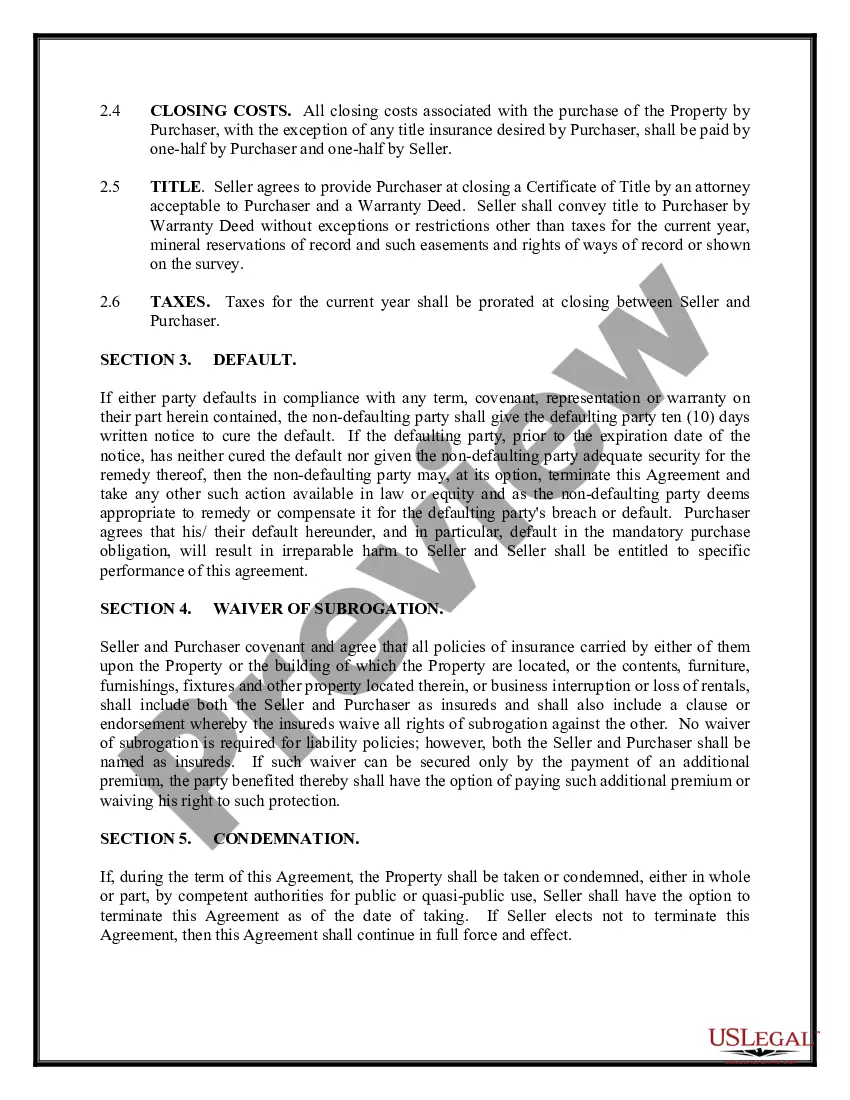
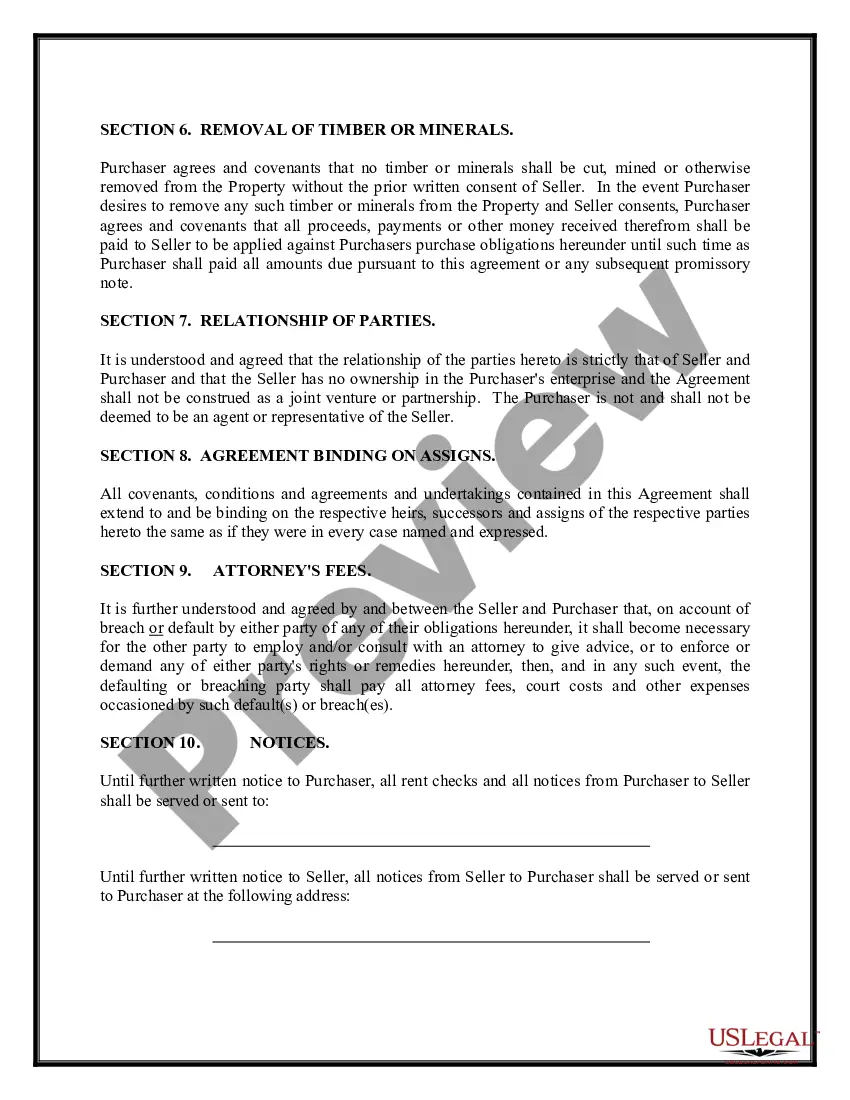
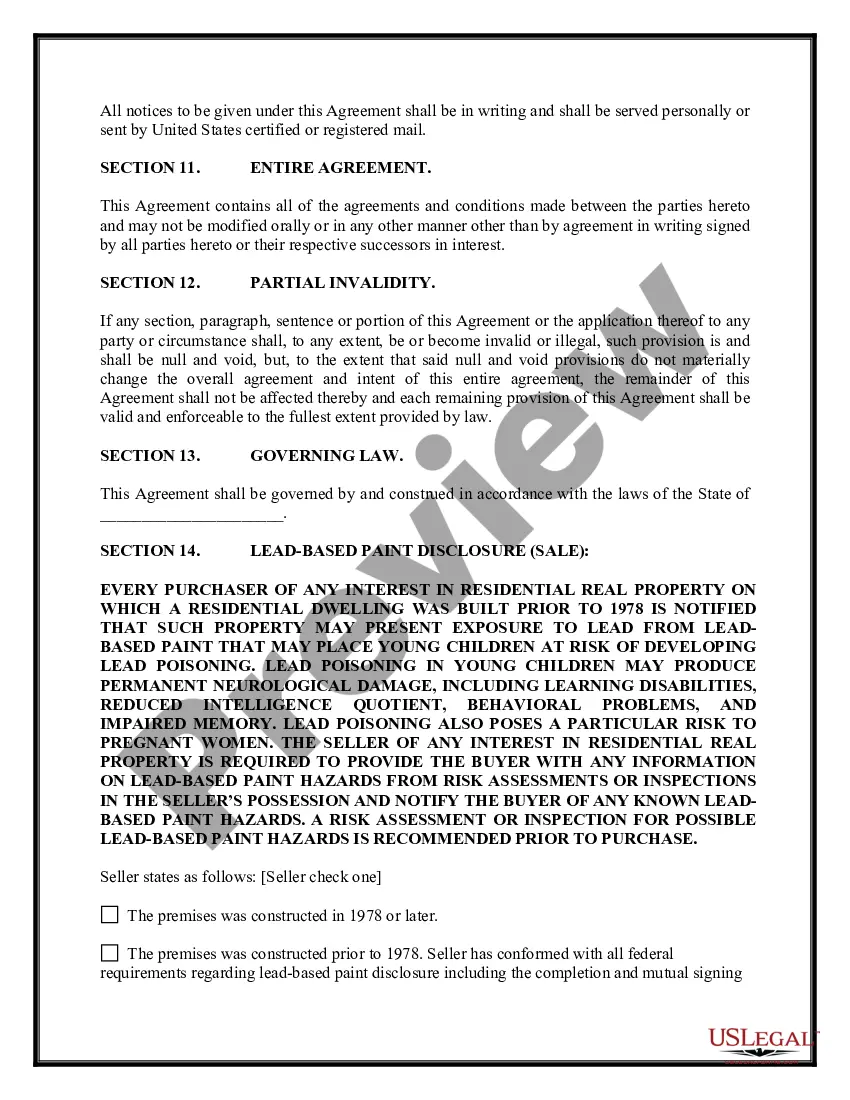
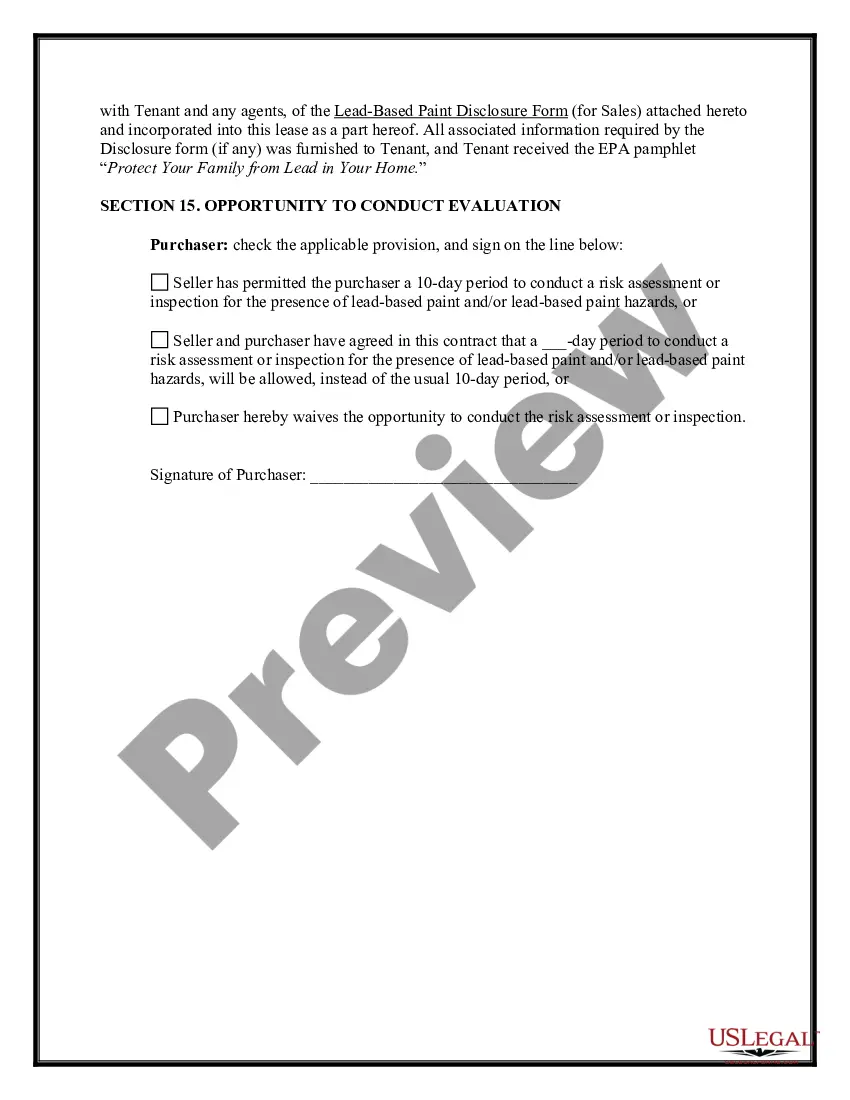
Get your form ready online
Our built-in tools help you complete, sign, share, and store your documents in one place.
Make edits, fill in missing information, and update formatting in US Legal Forms—just like you would in MS Word.
Download a copy, print it, send it by email, or mail it via USPS—whatever works best for your next step.
Sign and collect signatures with our SignNow integration. Send to multiple recipients, set reminders, and more. Go Premium to unlock E-Sign.
If this form requires notarization, complete it online through a secure video call—no need to meet a notary in person or wait for an appointment.
We protect your documents and personal data by following strict security and privacy standards.

Make edits, fill in missing information, and update formatting in US Legal Forms—just like you would in MS Word.

Download a copy, print it, send it by email, or mail it via USPS—whatever works best for your next step.

Sign and collect signatures with our SignNow integration. Send to multiple recipients, set reminders, and more. Go Premium to unlock E-Sign.

If this form requires notarization, complete it online through a secure video call—no need to meet a notary in person or wait for an appointment.

We protect your documents and personal data by following strict security and privacy standards.
Looking for another form?





Form popularity
FAQ
It is here that it is determined if probate is required. If the total of all assets of the estate is below $166,250 or if there aren't any assets that require a complex transfer, the estate may not require a probate in California.
Low Value Assets: If an estate is of low value, usually $166,250 or less for both real estate and personal property in California, it can skip the process also.
If no Will exists, the property (estate) is divided among the person's heirs. In California, if the person has a spouse and/or children, the property first goes to them. If there is no spouse or children, the property goes to the person's next nearest relatives.
California law says the personal representative must complete probate within one year from the date of appointment, unless s/he files a federal estate tax. In this case, the personal representative can have 18 months to complete probate.
Probate is typically necessary when the total value of a deceased person's estate exceeds a certain amount. As of this year, if the value of the deceased's estate exceeds $184,500 (up from $166,250 in previous years), probate is required.
The estate is a "small estate" (valued under a set amount) You can transfer property without opening probate if the estate is valued under a set amount. That amount changes every few years and is based on the year the person passed away.
Your land, houses, buildings, fences, or trees—anything permanently attached to the land—are all considered real property.
A Small Estate Affidavit is not filed with the Court. It is given to the person, company, or financial institution that has the Decedent's property. ➢ If the Decedent died before April 1, 2022, use Affidavit 1.
How do I file a Spousal Property petition? Fill out and file form DE-221 explaining why the property belongs or should legally pass to the surviving spouse and describing the property. Attach a copy of the decedent's Will (if there is a Will).
COMPLETING THE PETITION FOR PROBATE, DE-111 Write your name and address in the top left box. In the box that reads “Estate of,” write the name of the decedent. Leave the box that reads case number, hearing date, Dept, blank. You will get this information when you file your paperwork with the Probate filing window.