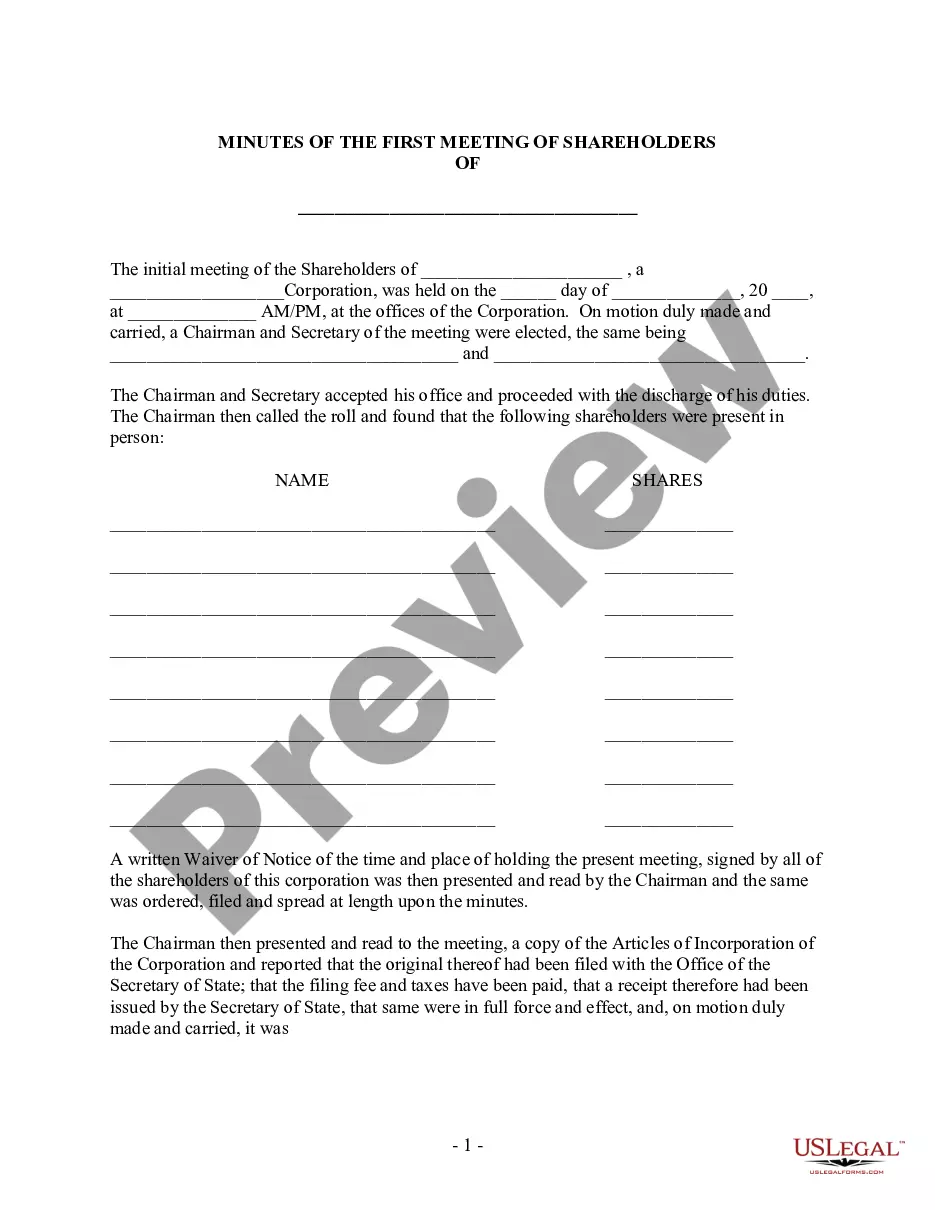
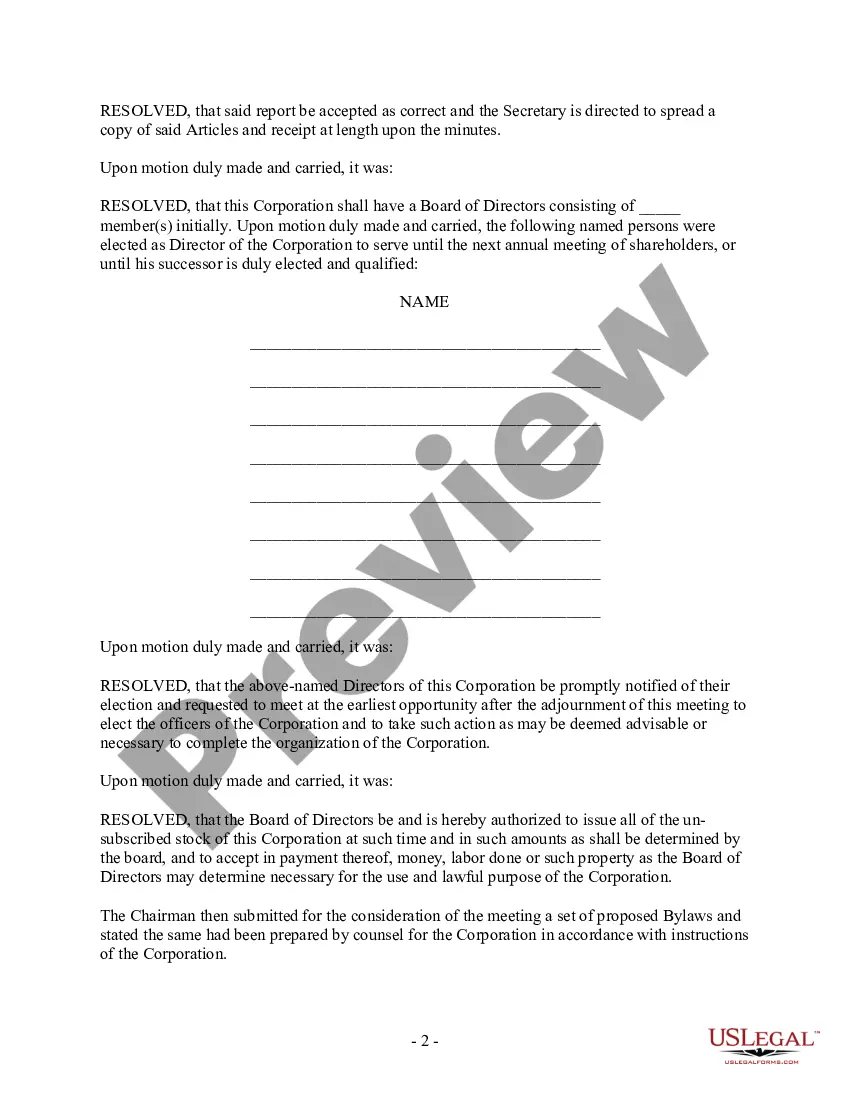
Meeting Minutes Corporate With Teams In Wayne
Description



Get your form ready online
Our built-in tools help you complete, sign, share, and store your documents in one place.
Make edits, fill in missing information, and update formatting in US Legal Forms—just like you would in MS Word.
Download a copy, print it, send it by email, or mail it via USPS—whatever works best for your next step.
Sign and collect signatures with our SignNow integration. Send to multiple recipients, set reminders, and more. Go Premium to unlock E-Sign.
If this form requires notarization, complete it online through a secure video call—no need to meet a notary in person or wait for an appointment.
We protect your documents and personal data by following strict security and privacy standards.

Make edits, fill in missing information, and update formatting in US Legal Forms—just like you would in MS Word.

Download a copy, print it, send it by email, or mail it via USPS—whatever works best for your next step.

Sign and collect signatures with our SignNow integration. Send to multiple recipients, set reminders, and more. Go Premium to unlock E-Sign.

If this form requires notarization, complete it online through a secure video call—no need to meet a notary in person or wait for an appointment.

We protect your documents and personal data by following strict security and privacy standards.
Looking for another form?
Form popularity
FAQ
What to include in meeting minutes Why the meeting happened. First and last names of attendees. The date and time of the meeting. Projects assigned during the meeting and their deadlines. Decisions employees and leadership made during the meeting. Any corrections to previous meeting minutes. Motions that passed or failed.
How To Write Effective Meeting Minutes (with Templates and Samples) Create an outline. Check-off attendees as they join the meeting. Record decisions or notes on action items. Ask for clarification if necessary. Don't try to capture it all. Record the meeting.
How detailed should meeting minutes be? Meeting minutes should be detailed enough to record key decisions, actions and motions while avoiding off-topic comments or personal opinions.
How to write meeting minutes Organization name. Meeting purpose. Start and end times. Date and location. List of attendees and absentees, if necessary. Space for important information like motions passed or deadlines given. Space for your signature and the meeting leader's signature.
The format for a meeting depends on the meeting type and style. While there is no set format for meeting minutes, templates provide guidelines for essential information that should be included in your documentation.
With our agenda. Added let's go ahead then click on the send button to get this invitation sent outMoreWith our agenda. Added let's go ahead then click on the send button to get this invitation sent out we can join the meeting inside of Microsoft Teams. And when you join your meeting in Teams.
Microsoft Teams is undoubtedly one of the best meeting apps. It has made things easier by making it possible to take and edit meeting notes right from within the platform.
What to include when writing meeting minutes? Meeting basics like name, place, date and time ... List of meeting participants. Meeting purpose. Agenda items. Next meeting date and place. Documents to be included in the meeting report. Key action items.
If the meeting has multiple attendees and busy conference rooms, it can be difficult to find a time that works for everyone. To find availability for people and rooms, select the Scheduling Assistant button on the ribbon, then select AutoPick and choose the appropriate criteria.
With the Scheduling Assistant, you can now easily see your coworkers' availability and find a time that works for everyone. Once you've created an event from your calendar and added your coworkers to the People field, you'll see an indicator of attendee's availability on the date picker.
