Meeting Minutes Corporate With Actions Template In Wayne
Description



Get your form ready online
Our built-in tools help you complete, sign, share, and store your documents in one place.
Make edits, fill in missing information, and update formatting in US Legal Forms—just like you would in MS Word.
Download a copy, print it, send it by email, or mail it via USPS—whatever works best for your next step.
Sign and collect signatures with our SignNow integration. Send to multiple recipients, set reminders, and more. Go Premium to unlock E-Sign.
If this form requires notarization, complete it online through a secure video call—no need to meet a notary in person or wait for an appointment.
We protect your documents and personal data by following strict security and privacy standards.

Make edits, fill in missing information, and update formatting in US Legal Forms—just like you would in MS Word.

Download a copy, print it, send it by email, or mail it via USPS—whatever works best for your next step.

Sign and collect signatures with our SignNow integration. Send to multiple recipients, set reminders, and more. Go Premium to unlock E-Sign.

If this form requires notarization, complete it online through a secure video call—no need to meet a notary in person or wait for an appointment.

We protect your documents and personal data by following strict security and privacy standards.
Looking for another form?






Form popularity
FAQ
How to Write Action Items Define a Title and Tracking Number for your Action Items. Define Expected Deliverables. Establish a Priority Level for Each Action Item. Set Due Dates for Action Items. Assign a Task Owner for your Action Items. Write a Short Description for Each Action Item. Add a Section for Specific Details.
For motions, include the exact wording of the statement, and the name of the person making the motion. Some organizations might require the name of the person seconding the motion, as well. Bowie adds that if the motion is not worded properly, it's up to the chair to help the member modify the wording.
Action items: List any tasks that have been assigned or agreed upon, along with the details of the assignees and deadlines. Next steps: Don't forget to record any remaining tasks to be accomplished, follow-up meetings, or plans for implementation.
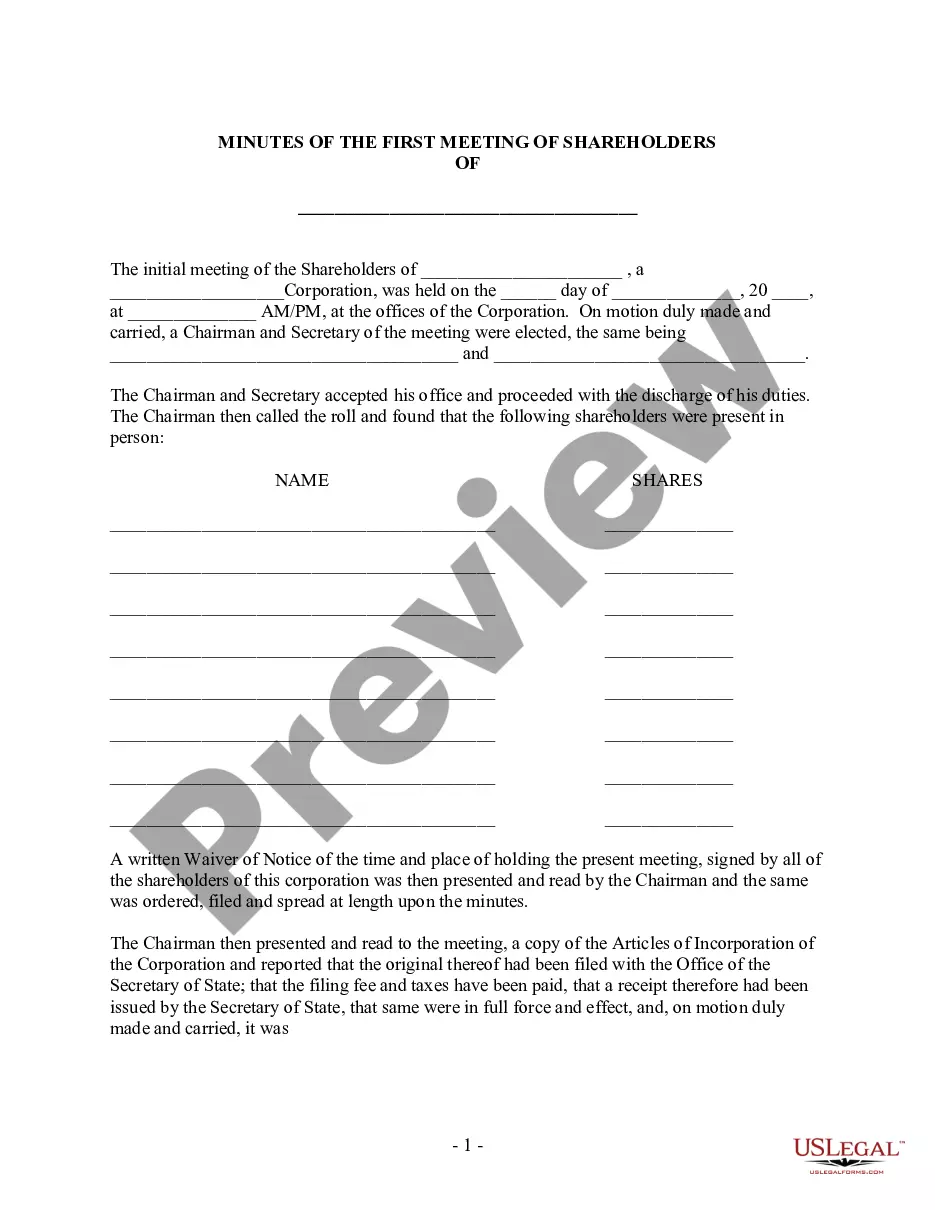
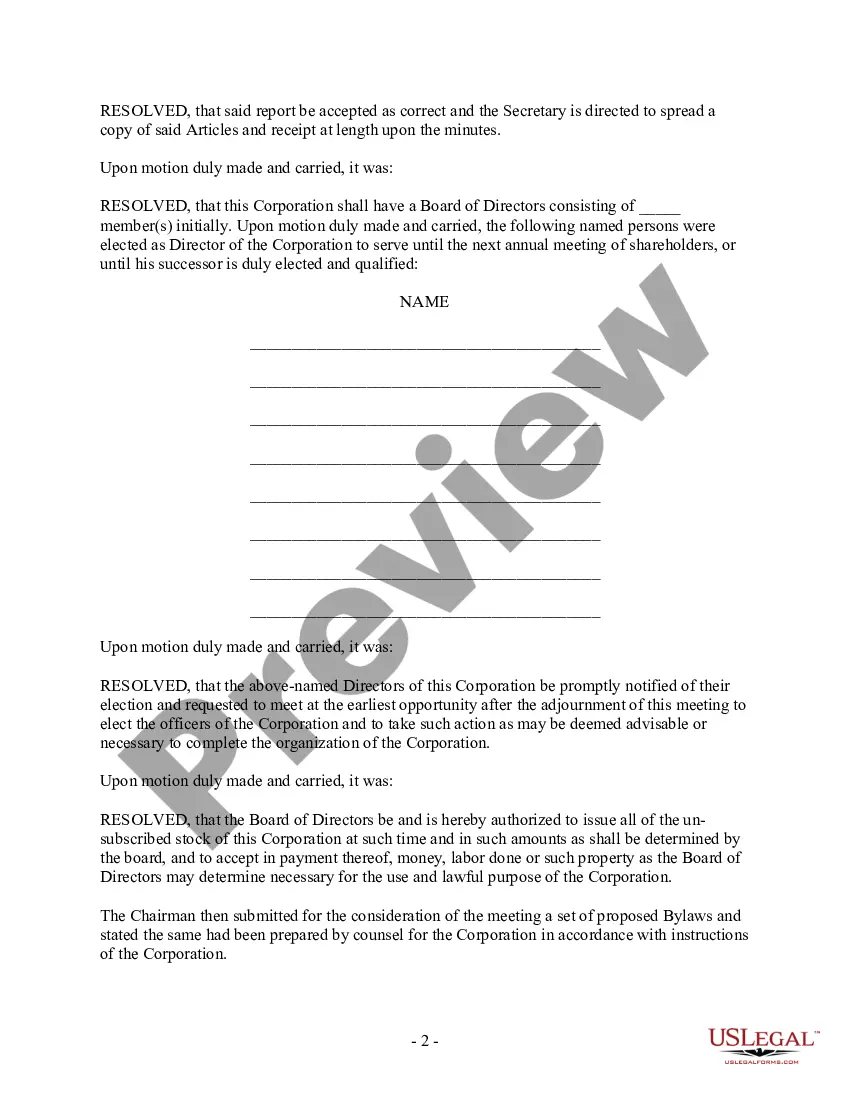
Corporate meeting minutes typically include: The meeting's date, time and location. A list of attendees and absentees, including any present board members or officers. Agenda items. Summaries of all discussion points. Details of all activities completed or agreed upon. Results of any votes or motions.
5 steps to write impactful meeting action items Write the action item (what) Discuss the purpose (why) Set a due date (when) Assign a person to every action item (who) Think about what happens next.
Personal observations or judgmental comments should not be included in meeting minutes. All statements should be as neutral as possible. Avoid writing down everything everyone said. Minutes should be concise and summarize the major points of what happened at the meeting.
An action item is a single, clearly defined task that must be done. For example, a personal action item could be to walk the dog or to call mom. While action items help you keep track of and complete the things you need to accomplish in your daily life, they have a bigger importance in the workplace.
The format for a meeting depends on the meeting type and style. While there is no set format for meeting minutes, templates provide guidelines for essential information that should be included in your documentation.
5 steps to write impactful meeting action items Write the action item (what) Discuss the purpose (why) Set a due date (when) Assign a person to every action item (who) Think about what happens next.
How to Record Meeting Minutes The date of the meeting. The names of people in attendance (including guests) The names of absent members. A call to order that lists the time the meeting began and what the overall objective is. Agenda item 1 with a summary, motions made, and other important details.
