Chattel Mortgage Form With Decimals In Contra Costa
Description

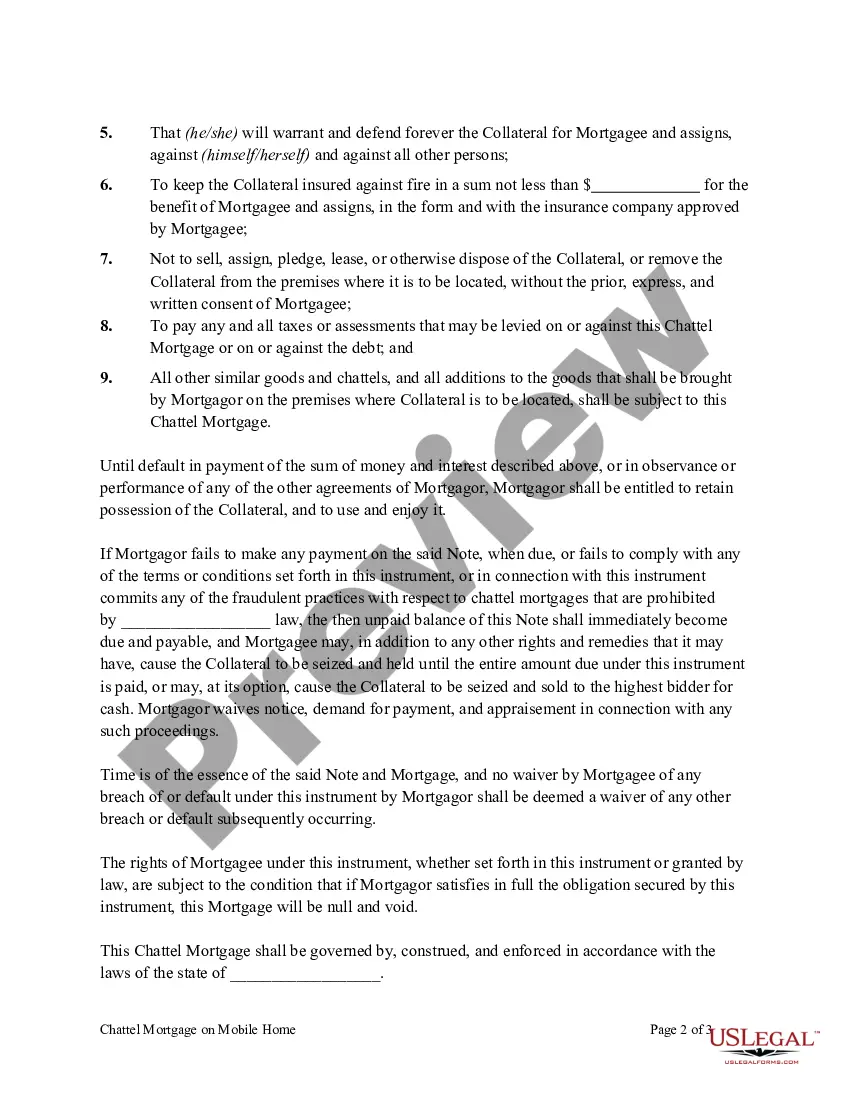
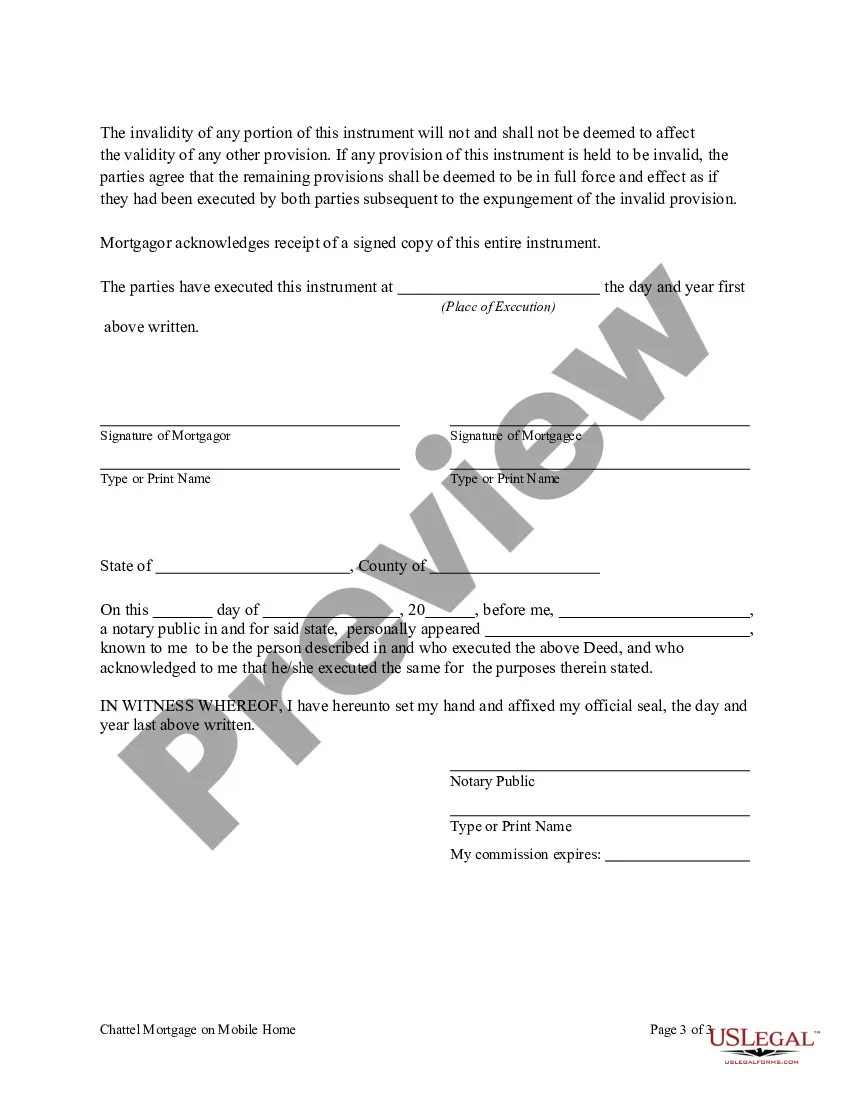
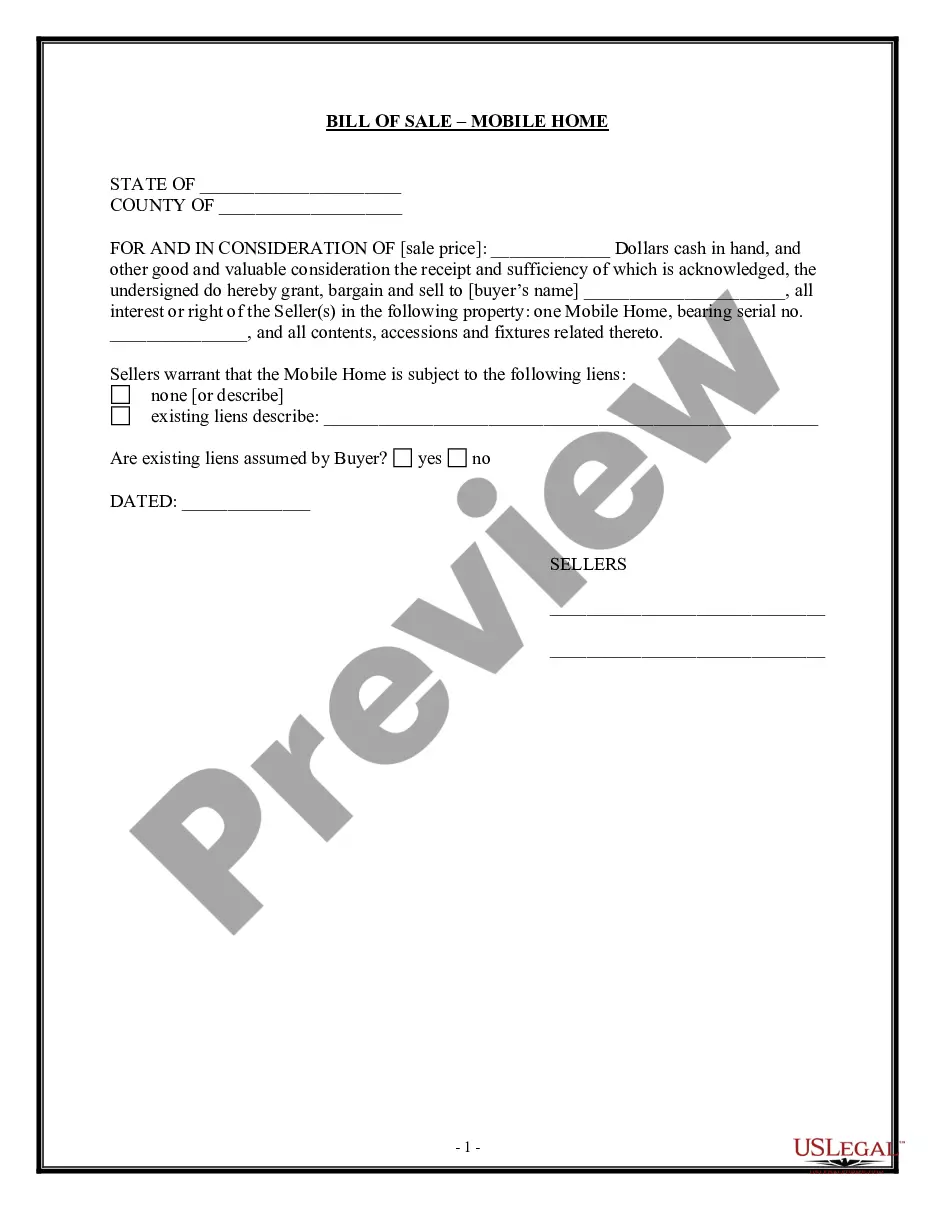
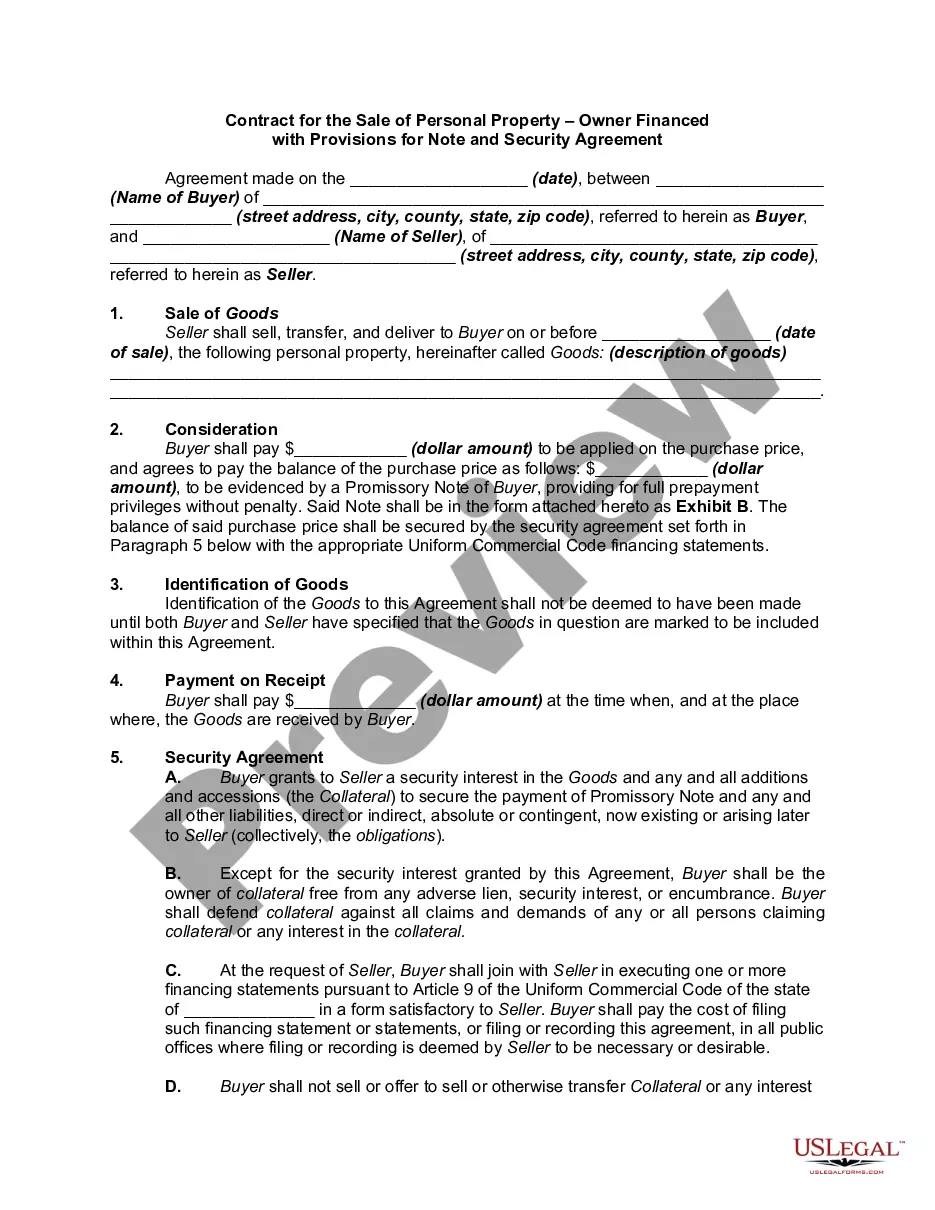
Get your form ready online
Our built-in tools help you complete, sign, share, and store your documents in one place.
Make edits, fill in missing information, and update formatting in US Legal Forms—just like you would in MS Word.
Download a copy, print it, send it by email, or mail it via USPS—whatever works best for your next step.
Sign and collect signatures with our SignNow integration. Send to multiple recipients, set reminders, and more. Go Premium to unlock E-Sign.
If this form requires notarization, complete it online through a secure video call—no need to meet a notary in person or wait for an appointment.
We protect your documents and personal data by following strict security and privacy standards.

Make edits, fill in missing information, and update formatting in US Legal Forms—just like you would in MS Word.

Download a copy, print it, send it by email, or mail it via USPS—whatever works best for your next step.

Sign and collect signatures with our SignNow integration. Send to multiple recipients, set reminders, and more. Go Premium to unlock E-Sign.

If this form requires notarization, complete it online through a secure video call—no need to meet a notary in person or wait for an appointment.

We protect your documents and personal data by following strict security and privacy standards.
Looking for another form?


Form popularity
FAQ
This tax is levied in Contra Costa County at a rate of 10% for accommodations at facilities in the unincorporated areas of the county. TOT funds are discretionary, in that the Board of Supervisors may direct use of these funds for any legitimate county expense.
Contra Costa County Transfer Tax. The party that is handling the transfer or conveyance of title to a property usually handles the payment of transfer tax. Certain jurisdictions have different rules about who pays, but it generally comes down to the buyer and seller to decide who handles it.
Documentary Transfer Tax Exemptions Conveyance Given for No Value. Conveyance to Establish Sole and Separate Property of a Spouse. Conveyance to Confirm a Community Property Interest when property was purchased with Community Property Funds. Conveyances transferring interests into or out of a Living Trust.
In most California counties, the seller typically pays for the transfer tax. But this can be negotiated between both parties and specified within the contract. RETTs are imposed by state and local governments in many parts of the United States, including California.
Your annual property tax bill lists separately all of the tax rates, including the basic one percent tax and voter approved additional taxes (mostly for school bonds), as well as all of the various special taxes, assessments, fees and charges that apply to your property.
WHAT IS A HOMESTEAD DECLARATION? A homestead declaration is a legal document that claims and registers a particular house as the owner's homestead or principle dwelling. This document helps to protect the house against loss to creditors.
Preserves Home Equity: Filing a homestead declaration ensures that a portion of your home's equity is protected. The statutory amount that can be shielded is capped at $600,000 and will depend upon the average home value in your county.
You can file a declared homestead by taking these steps: Buy a declared homestead form from an office-supply store, or download a form from the Registrar-Recorder's website. Fill out the form. Sign the form and have it notarized.
If you own and occupy your home as your principal place of residence on January 1, you may apply for an exemption of $7,000 off your assessed value for an annual savings of approximately $70 on your property taxes. New property owners will automatically receive an exemption application.
