Companies Board Meeting Rules In Phoenix
Description


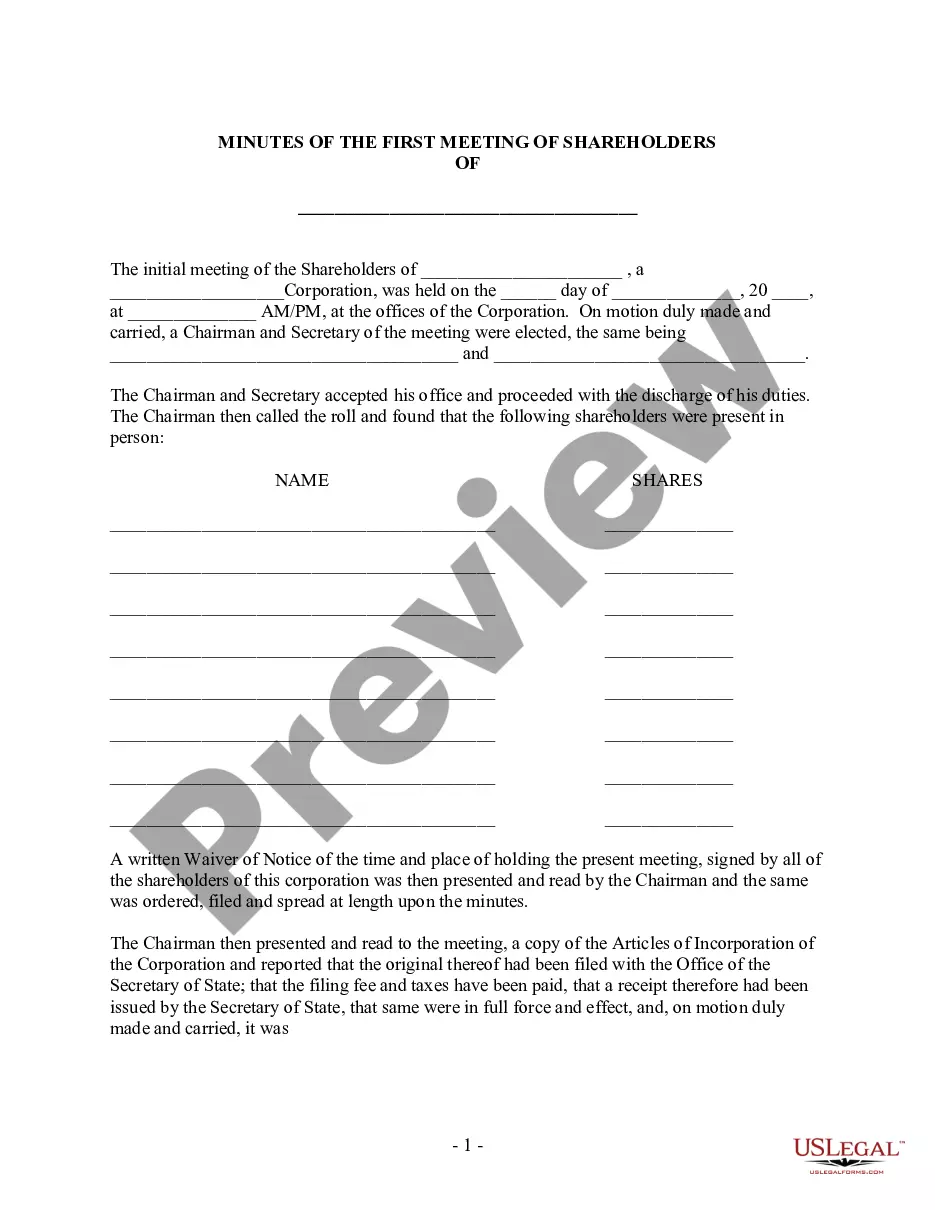
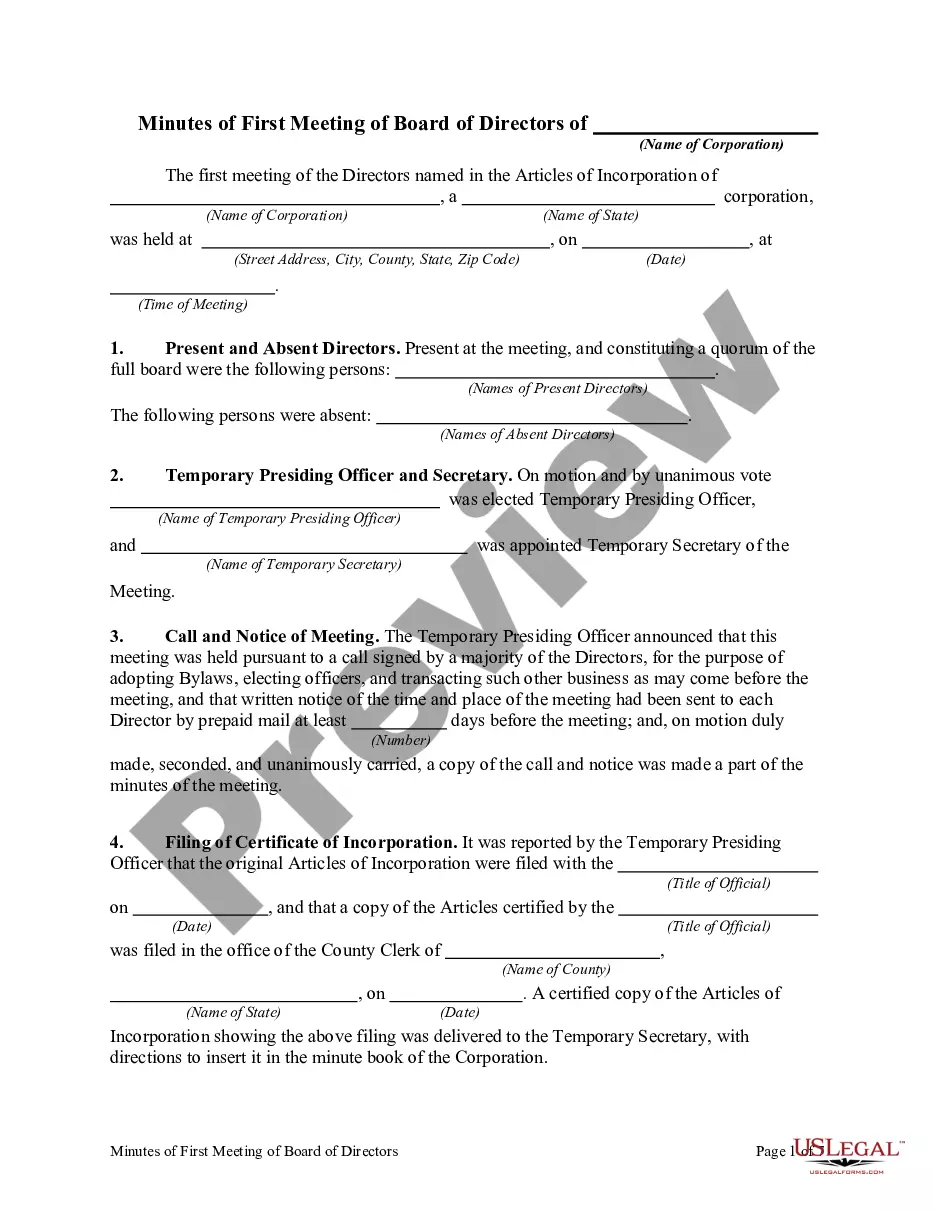
Get your form ready online
Our built-in tools help you complete, sign, share, and store your documents in one place.
Make edits, fill in missing information, and update formatting in US Legal Forms—just like you would in MS Word.
Download a copy, print it, send it by email, or mail it via USPS—whatever works best for your next step.
Sign and collect signatures with our SignNow integration. Send to multiple recipients, set reminders, and more. Go Premium to unlock E-Sign.
If this form requires notarization, complete it online through a secure video call—no need to meet a notary in person or wait for an appointment.
We protect your documents and personal data by following strict security and privacy standards.

Make edits, fill in missing information, and update formatting in US Legal Forms—just like you would in MS Word.

Download a copy, print it, send it by email, or mail it via USPS—whatever works best for your next step.

Sign and collect signatures with our SignNow integration. Send to multiple recipients, set reminders, and more. Go Premium to unlock E-Sign.

If this form requires notarization, complete it online through a secure video call—no need to meet a notary in person or wait for an appointment.

We protect your documents and personal data by following strict security and privacy standards.
Looking for another form?







Form popularity
FAQ
Robert's Rules of Order is the standard set of rules to run orderly meetings. The rules help provide the most fairness to all meeting attendees. They were first published in 1876 by Henry M. Robert.
To bring order to the boardroom, many organizations follow a meeting framework known as Robert's Rules of Order. The guidelines outline procedures for motions, voting, debate, amendments, and resolutions, ensuring decisions are made with order, fairness, and transparency.
A quorum must be present for business to be conducted • All members have equal rights, privileges and obligations • No person should speak until recognized by the chair • Personal remarks or side discussions during debate are out of order • Only one question at a time may be considered, and only one person may have the ...
Example of Handling a Main Motion: Member rises and addresses the chair: Madam (Mister) President. Chair recognizes member (by title or name). Member makes the motion. I move that… Another member seconds the motion (without recognition).
Board meetings are almost always confidential. However, it takes both legally binding nondisclosure agreements and good board policy to ensure confidentiality.
Board Meeting Etiquette Tips Good timekeeping is essential for the meeting to run as it should. Do not use electronic devices for any other purpose than for referencing meeting items. Refrain from interrupting other members as they speak. Do not try and chat with other members secretly.
Arizona's Open Meeting Law. It is the public policy of this state that meetings of public bodies be conducted openly and that notices and agendas be provided for such meetings which contain such information as is reasonably necessary to inform the public of the matters to be discussed or decided.
Failure to Follow Open Meeting Laws: Open meeting laws mandate that meetings be accessible to the public or community members. Violating these laws, such as by conducting business in secret or excluding members from discussions that should be open, constitutes an illegal meeting.
Board meetings are critical opportunities for the board and staff to build relationships rooted in respect. Don't miss this opportunity by segregating them. Board members really want to learn and appreciate what it takes to do the work.
Executive Sessions In executive sessions, the public is not allowed to attend or listen to the discussions, and the public body is not permitted to take final action. A.R.S. § 38-431.03(D). Members of the public body may not vote or take a poll in executive sessions.
