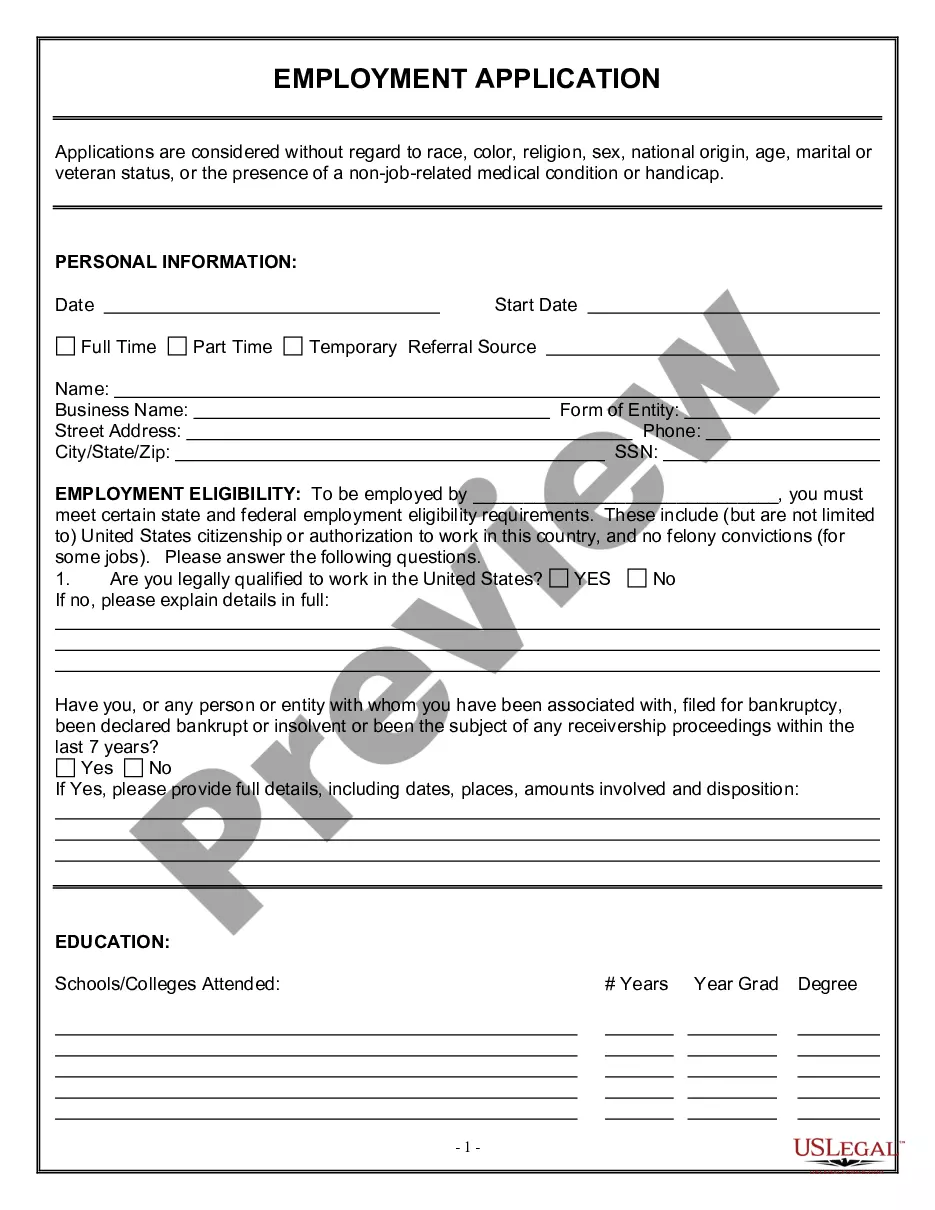
Acta Directorio Without English In Minnesota
Description


Get your form ready online
Our built-in tools help you complete, sign, share, and store your documents in one place.
Make edits, fill in missing information, and update formatting in US Legal Forms—just like you would in MS Word.
Download a copy, print it, send it by email, or mail it via USPS—whatever works best for your next step.
Sign and collect signatures with our SignNow integration. Send to multiple recipients, set reminders, and more. Go Premium to unlock E-Sign.
If this form requires notarization, complete it online through a secure video call—no need to meet a notary in person or wait for an appointment.
We protect your documents and personal data by following strict security and privacy standards.

Make edits, fill in missing information, and update formatting in US Legal Forms—just like you would in MS Word.

Download a copy, print it, send it by email, or mail it via USPS—whatever works best for your next step.

Sign and collect signatures with our SignNow integration. Send to multiple recipients, set reminders, and more. Go Premium to unlock E-Sign.

If this form requires notarization, complete it online through a secure video call—no need to meet a notary in person or wait for an appointment.

We protect your documents and personal data by following strict security and privacy standards.
Looking for another form?
Form popularity
FAQ
Usually, authentication is needed when apply for permanent residence, travel permit extension, school enrollment and so on. Many people are confused with notarization and authentication. If you need to use your birth certificate in other country, it should be authenticated, but not notarized.
If the country where you want to use your document is on the 1961 Hague Convention member list, you will need an apostille. Documents such as vital records issued by a U.S. state will need an apostille from that state's secretary of state. Federal documents will need an apostille from the U.S. Department of State.
When is an Apostille needed? Usually, the lawyers in a foreign jurisdiction will specifically state that an Apostille is required. Sometimes they assume that one will be affixed and do not mention it specifically. Commercial documents will very often need Apostilles and Powers of Attorney.
If the country where you want to use your document is on the 1961 Hague Convention member list, you will need an apostille. Documents such as vital records issued by a U.S. state will need an apostille from that state's secretary of state. Federal documents will need an apostille from the U.S. Department of State.
An Apostille or an Authentication certifies the authenticity of the signature, seal and position of the official who has executed, issued or certified a copy of a public document.
Chart title CategoryCountCount margin-of-error Language spoken (2018-2022) Population (5 years and older) 5,354,746 ±462 English only 4,711,130 ±7,028 Language other than English 643,616 ±7,0431 more row
Legal Requirements: To teach English in Minnesota, educators must obtain a valid teaching license from the Minnesota Professional Educator Licensing and Standards Board (PELSB). This involves completing a state-approved teacher preparation program, passing relevant licensure exams, and undergoing a background check.
Achieving Minnesota Teacher Certification Most educators in Minnesota need at least a bachelor's degree. Tier 1 and 2 licenses tie to the hiring district or charter school, but Tier 3 and 4 licenses are portable, giving you more flexibility in employment.
To become an English teacher in Minnesota, candidates must complete a bachelor's degree in English or a related field, along with a teacher preparation program. Recent data shows that approximately 80% of new teachers in the state have completed their training through accredited programs.
Anyone looking to start a career as an English Teacher should ideally be educated to a degree level with a bachelor's in language or literature. Similar English-related degrees may also be accepted, however, this will be at the discretion of the school to which you are applying.