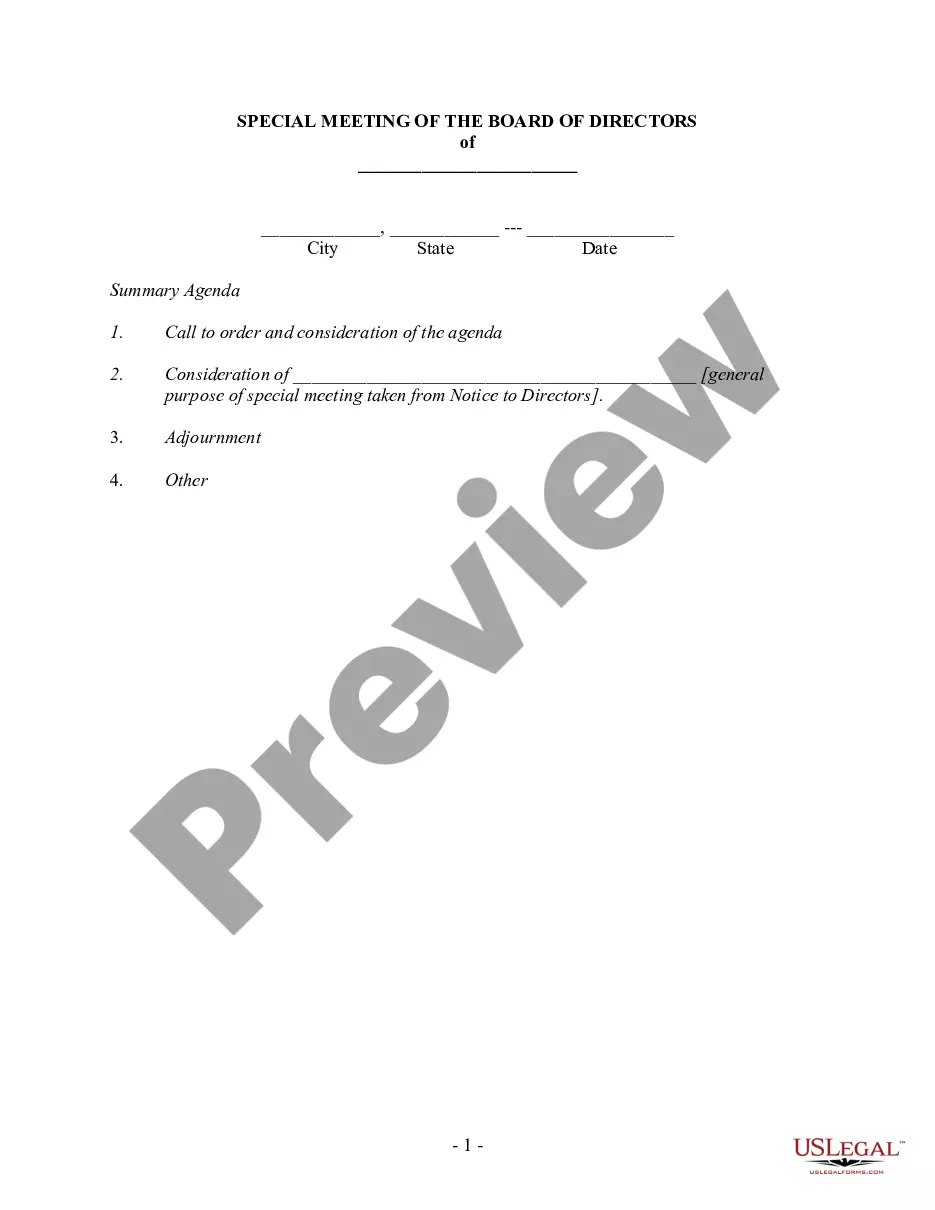
Business Meeting Format In Hennepin
Description



Get your form ready online
Our built-in tools help you complete, sign, share, and store your documents in one place.
Make edits, fill in missing information, and update formatting in US Legal Forms—just like you would in MS Word.
Download a copy, print it, send it by email, or mail it via USPS—whatever works best for your next step.
Sign and collect signatures with our SignNow integration. Send to multiple recipients, set reminders, and more. Go Premium to unlock E-Sign.
If this form requires notarization, complete it online through a secure video call—no need to meet a notary in person or wait for an appointment.
We protect your documents and personal data by following strict security and privacy standards.
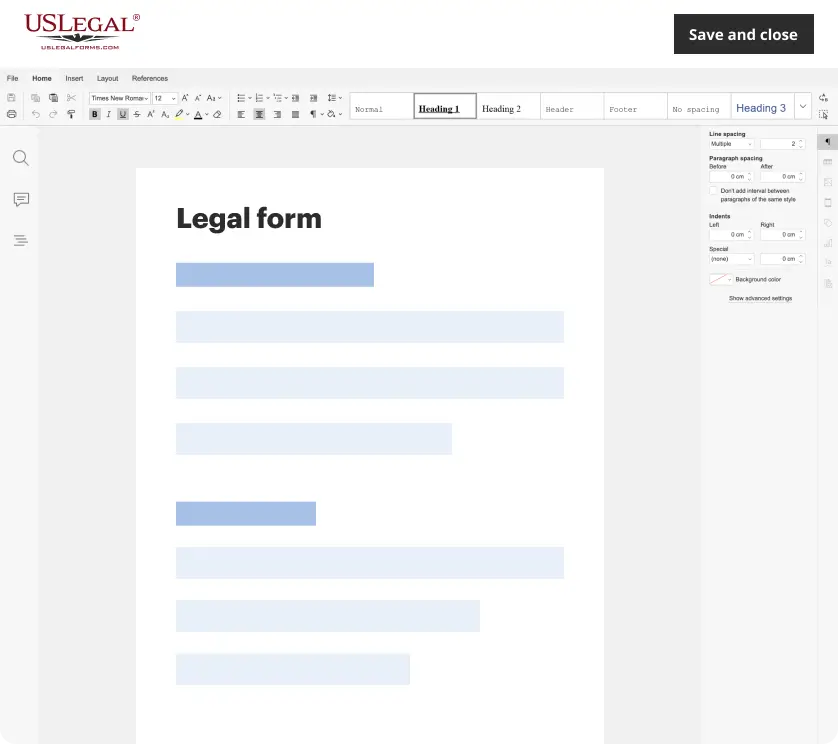
Make edits, fill in missing information, and update formatting in US Legal Forms—just like you would in MS Word.
Download a copy, print it, send it by email, or mail it via USPS—whatever works best for your next step.
Sign and collect signatures with our SignNow integration. Send to multiple recipients, set reminders, and more. Go Premium to unlock E-Sign.
If this form requires notarization, complete it online through a secure video call—no need to meet a notary in person or wait for an appointment.
We protect your documents and personal data by following strict security and privacy standards.
Looking for another form?


Form popularity
FAQ
A formal meeting is what you likely think of first. There's a set agenda and a strict protocol. One person typically leads the discussion. There might be rules on who can speak when and for how long.
The structure of a meeting is defined as the systematic organization of its components, aimed at maximizing productivity, ensuring clarity, and fostering participation. Key elements of meeting structure include the development of agendas, allocation of roles and responsibilities, and adherence to time frames.
How to write a meeting agenda Clarify meeting objectives. Invite participant input. Outline key questions for discussion. Define each task's purpose. Allocate time for agenda items. Assign topic facilitators. Write the meeting agenda. Team meeting agenda.
How to run better business meetings in 9 steps Know your purpose. Invite the right participants. Create and share an agenda. Share your meeting culture. Assign someone to manage the meeting. Make it easy for people to contribute. Leave space for questions. Share accurate minutes and action items.
Examples of formal meetings are finance committee meetings, board of directors meetings, and annual shareholders meetings. These meetings will have a specific agenda, and the minutes of the meeting will be recorded.
Examples: Agenda items might include reviewing the last meeting's minutes, providing discussion and feedback time, or assigning new action items. Pro Tip: Include time for questions to ensure everyone is on the same page.
For example, a board meeting may address critical decisions like budget approvals, mergers, or strategic shifts, while an annual general meeting (AGM) allows shareholders to voice their concerns and vote on company matters.
7 Step Meeting Process Clarify Aim/Purpose. Assign Roles. Review Agenda. Work through Agenda. Review meeting record. Plan Next Steps and Next Agenda. Evaluate.
How to write a meeting agenda Clarify meeting objectives. Invite participant input. Outline key questions for discussion. Define each task's purpose. Allocate time for agenda items. Assign topic facilitators. Write the meeting agenda. Team meeting agenda.
In essence, a formal meeting has a structured schedule and agenda with set protocols and an official notetaker. An informal meeting has a looser agenda and fewer protocols. In general, formal meetings tend to focus on one or a few key speakers, with attendees playing a more passive role.

