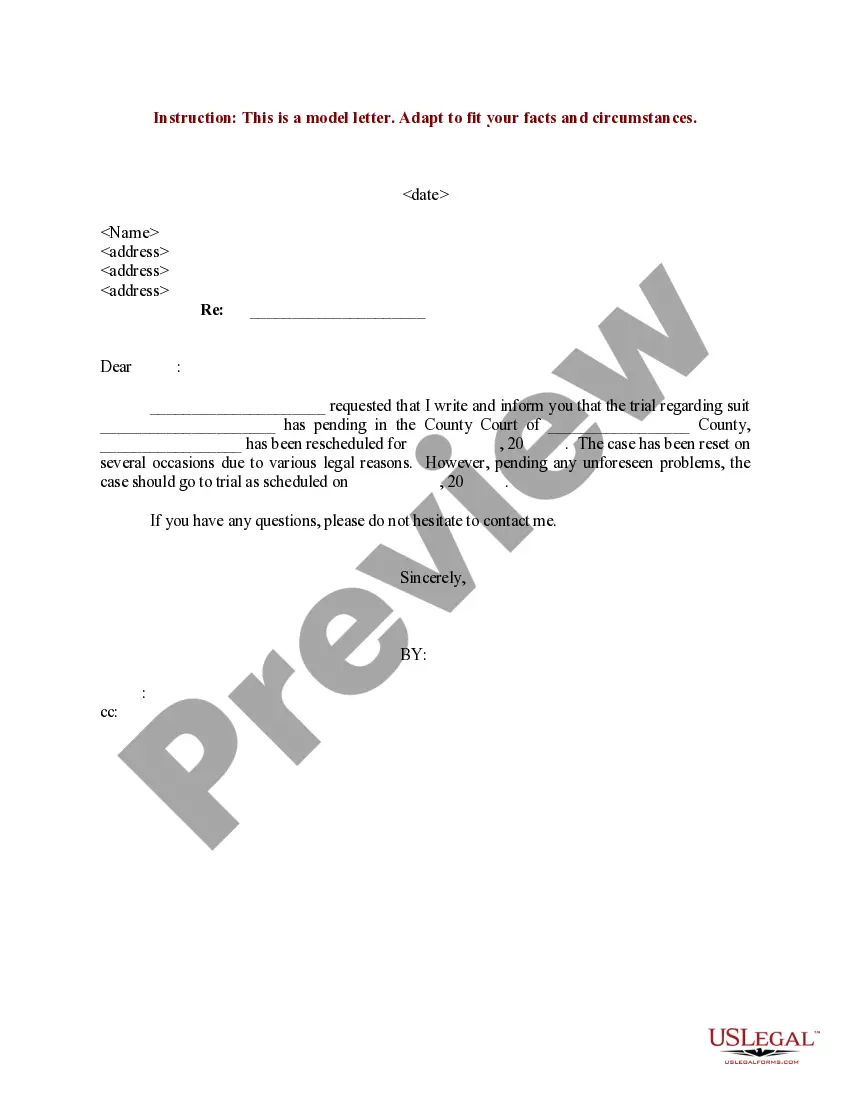
Sample Email To Client With Proposal In Palm Beach
Description

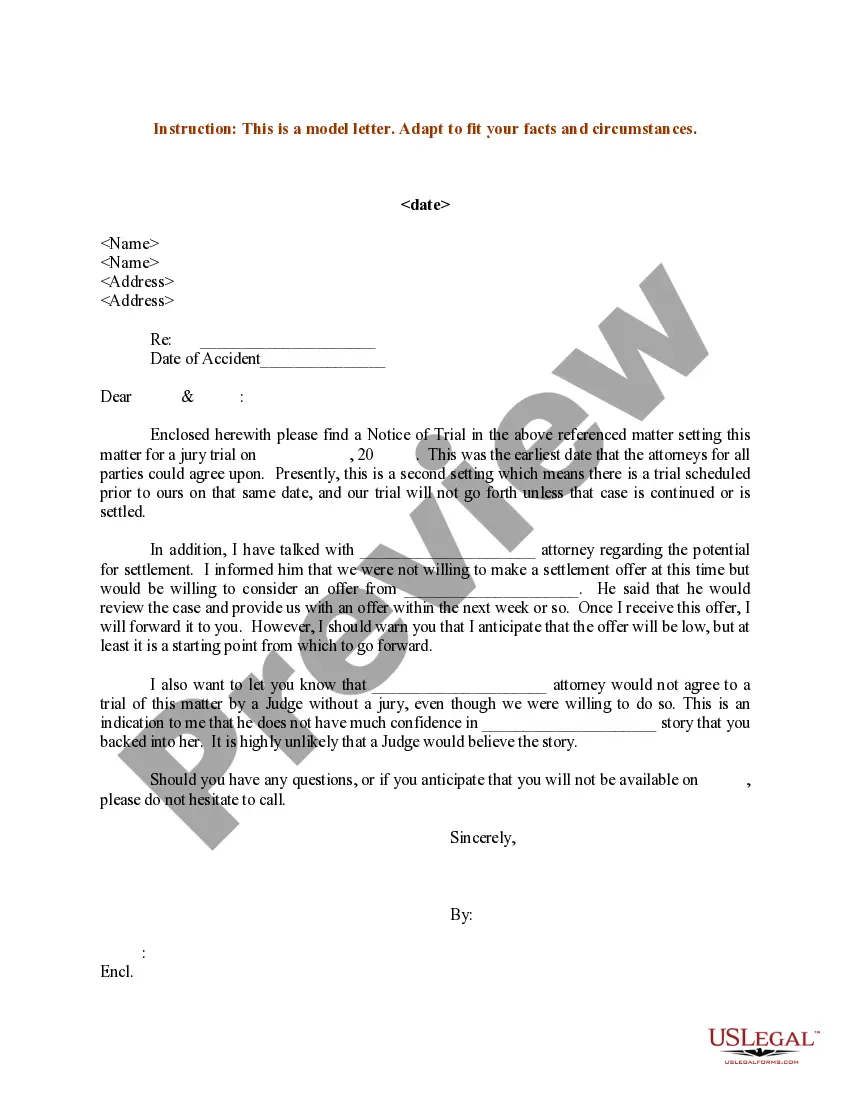
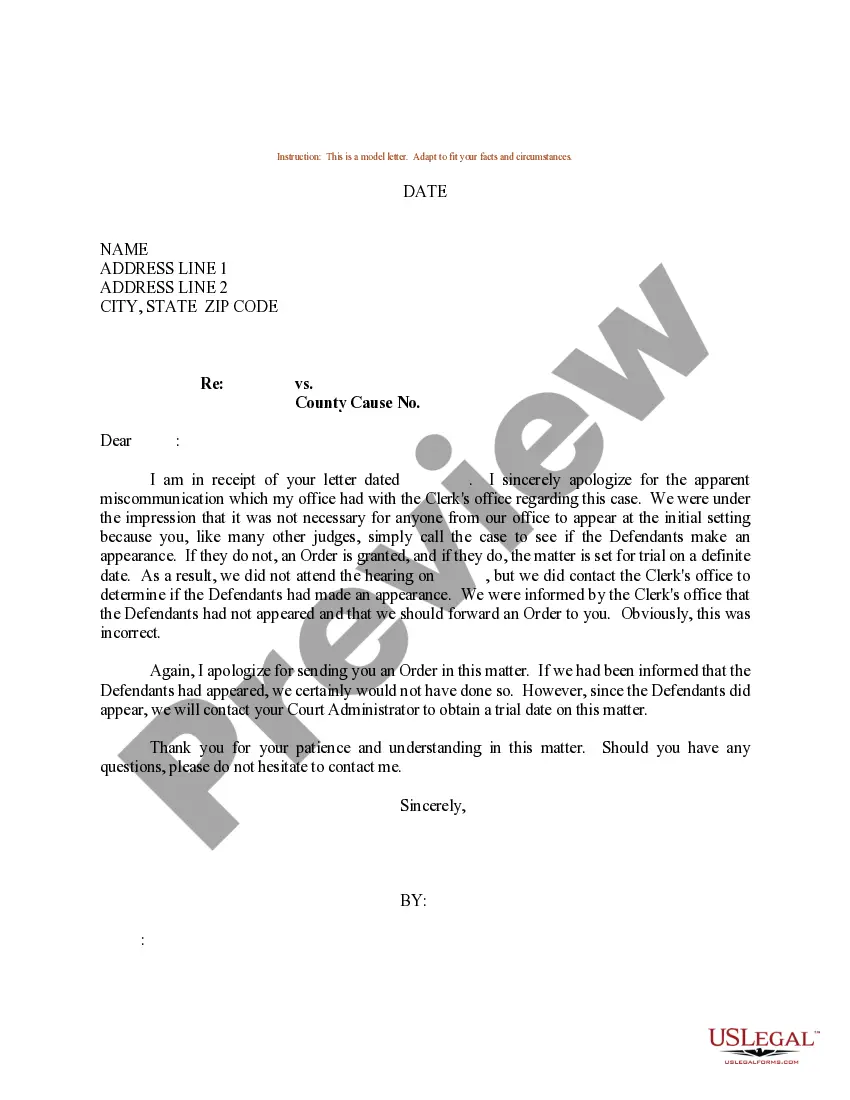
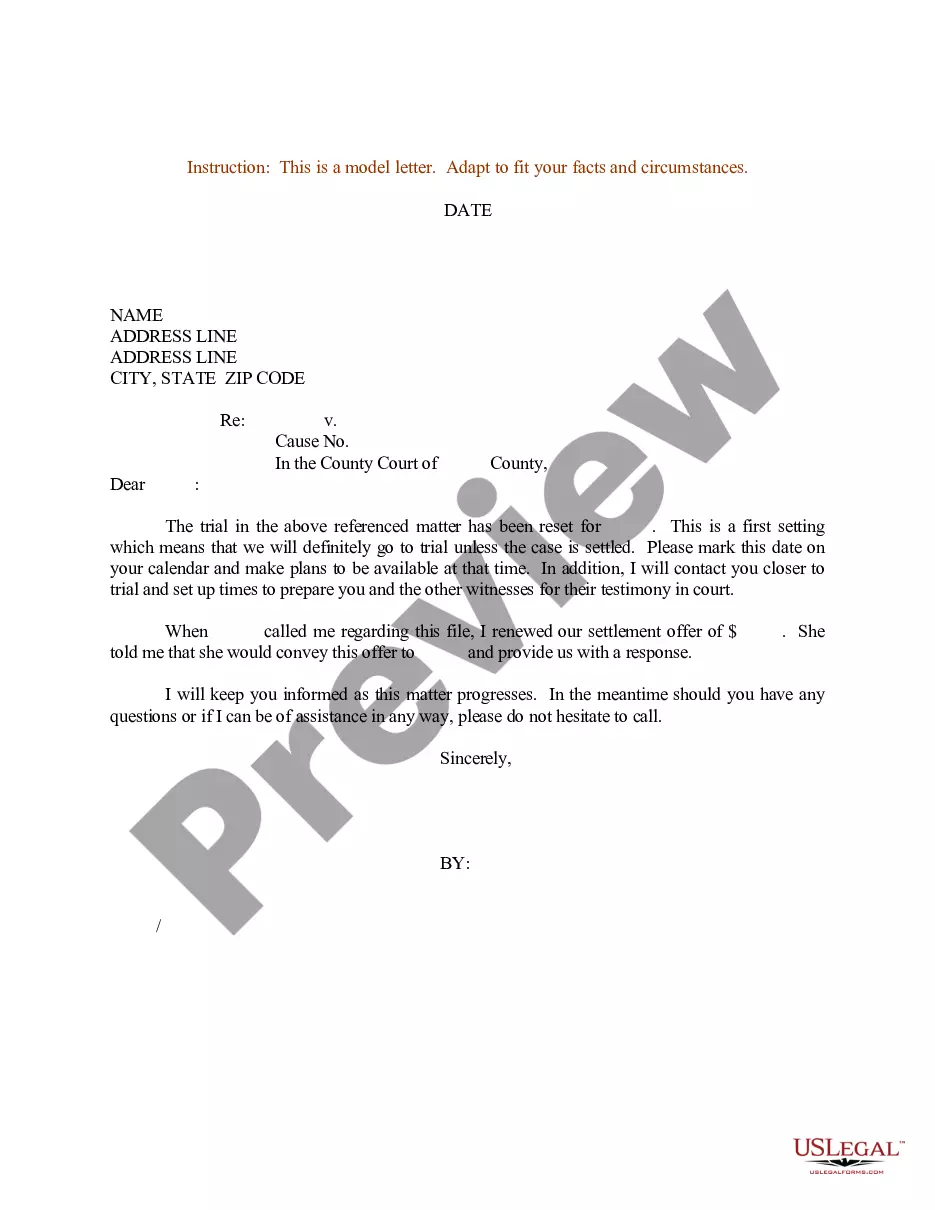
Get your form ready online
Our built-in tools help you complete, sign, share, and store your documents in one place.
Make edits, fill in missing information, and update formatting in US Legal Forms—just like you would in MS Word.
Download a copy, print it, send it by email, or mail it via USPS—whatever works best for your next step.
Sign and collect signatures with our SignNow integration. Send to multiple recipients, set reminders, and more. Go Premium to unlock E-Sign.
If this form requires notarization, complete it online through a secure video call—no need to meet a notary in person or wait for an appointment.
We protect your documents and personal data by following strict security and privacy standards.

Make edits, fill in missing information, and update formatting in US Legal Forms—just like you would in MS Word.

Download a copy, print it, send it by email, or mail it via USPS—whatever works best for your next step.

Sign and collect signatures with our SignNow integration. Send to multiple recipients, set reminders, and more. Go Premium to unlock E-Sign.

If this form requires notarization, complete it online through a secure video call—no need to meet a notary in person or wait for an appointment.

We protect your documents and personal data by following strict security and privacy standards.
Looking for another form?




Form popularity
FAQ
bystep guide to presenting a proposal Research your audience. As always, start with research. Craft a clear agenda. Select an appropriate presentation format. Put together your presentation. Open by naming a challenge. Sell a solution, not a product. Lay out the next steps. Follow up promptly.
How to write an RFP Provide a business overview. Kick off your RFP by introducing your organization. Define your project needs and goals. List requirements and expectations. Provide a statement of work (SOW) ... Call out potential challenges. Set your evaluation criteria. Provide submission instructions.
Here are the essential elements that should be included in your business proposal email: Choose an attention-grabbing subject line. 2: Start with a strong opening statement. 3: Outline the problem and offer a solution. 4: Provide details and benefits. 5: Include a call to action. Sign off with a professional email signature.
What Is a Request for Proposal (RFP)? A request for proposal (RFP) is a business document that announces a project, describes it, and solicits bids from qualified contractors to complete it. Most organizations prefer to launch their projects using RFPs, and many governments always use them.
How to Write A Sample Email to Client (For New Business) Start with a Personal Connection. Use a Compelling Subject Line. Clearly State Your Value Proposition. Keep the Email Short and Focused. Show Social Proof or Credibility. End with a Clear Call-to-Action (CTA) Follow-Up with Consistency.
Provide background information. Your RFP should always start with an introduction and overview of your business. Define your project purpose and goals. After you introduce yourself, provide an overview of the project. Outline the budget and scope of work. Call out any barriers or roadblocks.
How to write an RFP in 7 steps. Introduce the company and project. Outline project background. Provide bid deadline and proposal timeline. Specify budget. Outline project scope. Express concerns or roadblocks. Explain evaluation criteria.
That said, here are the general steps for writing a project proposal. 1 Define your objectives. Clearly define the project's objectives. 2 Understand your audience. 3 Research and planning. 4 Outline the proposal. 5 Write the introduction. 6 Define the scope and methodology. 7 Budgeting. 8 Team and qualifications.
How to write a proposal letter Introduce yourself and provide background information. State your purpose for the proposal. Define your goals and objectives. Highlight what makes you unique. Briefly discuss your budget and allocation of funds. Insert a call to action and request a follow-up.
How to do you write a business proposal letter? Create a business header. Address the recipient properly. Include relevant background details. State the purpose of the proposal. Include a request to follow up. Close the letter appropriately. Include supporting documentation.