Sample Letter To Customer For Business In Fulton
Description

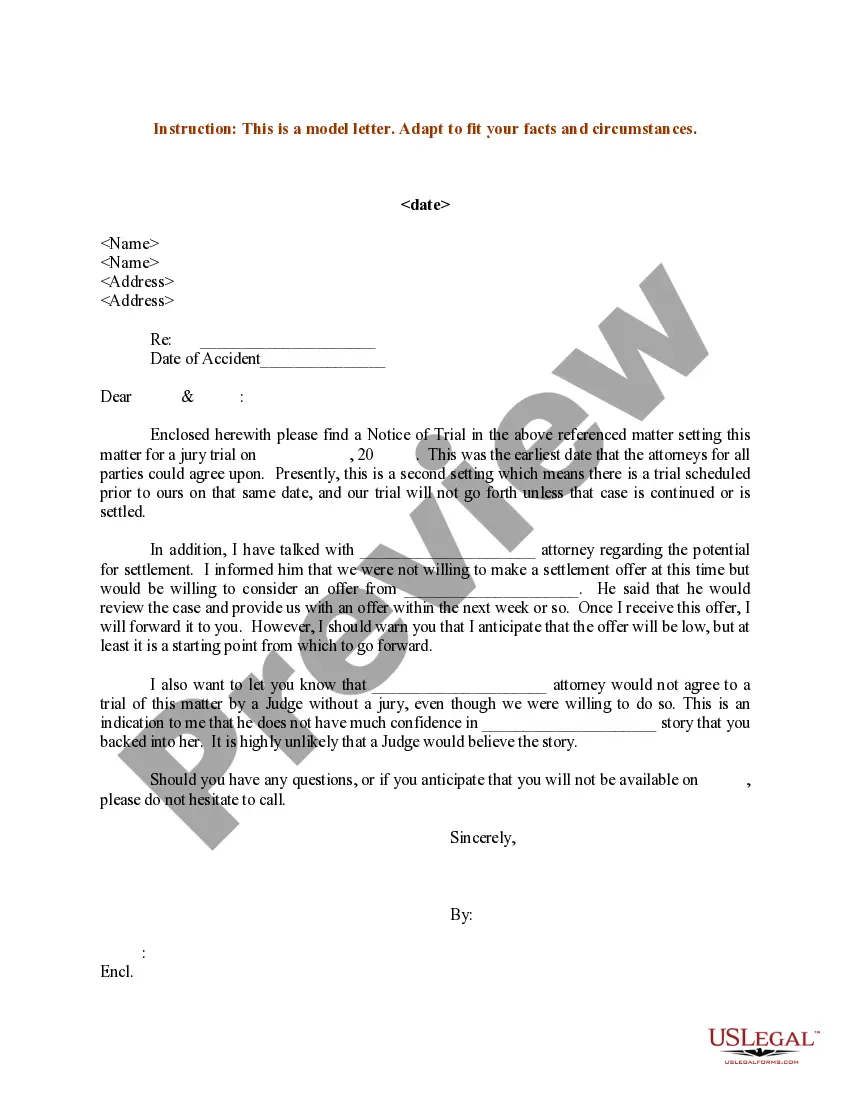
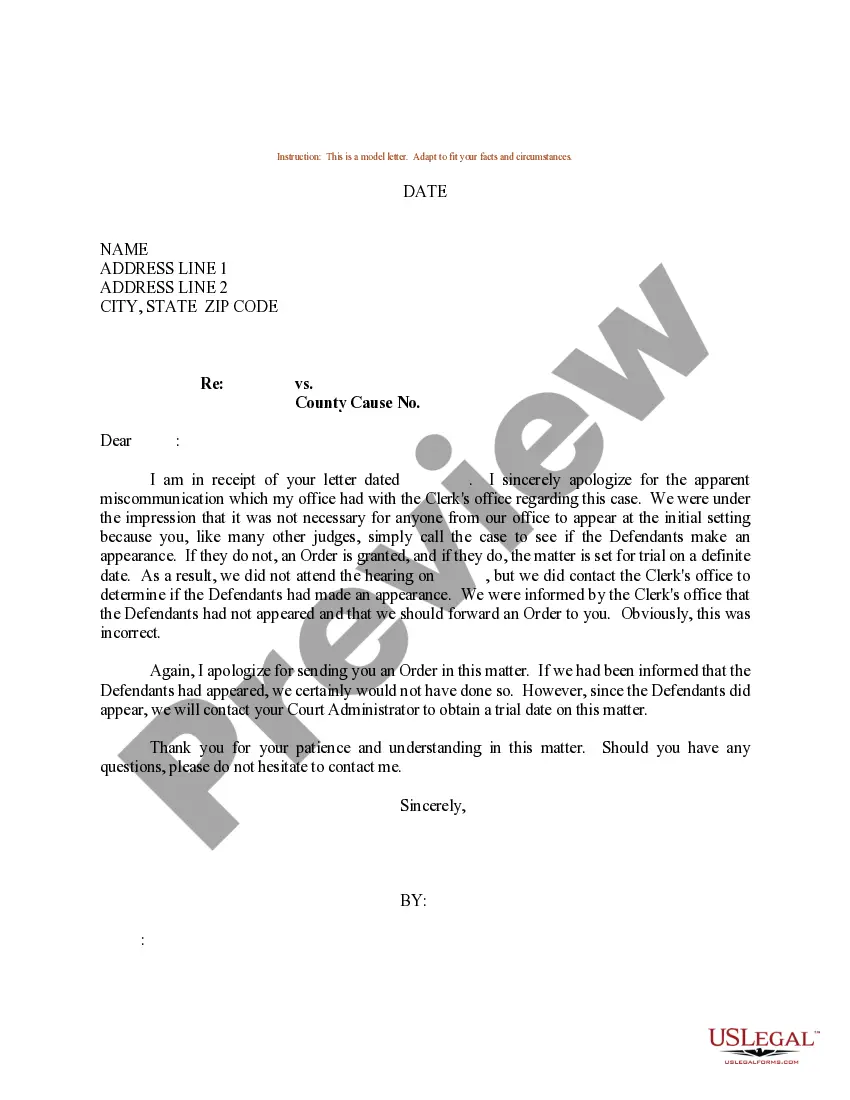
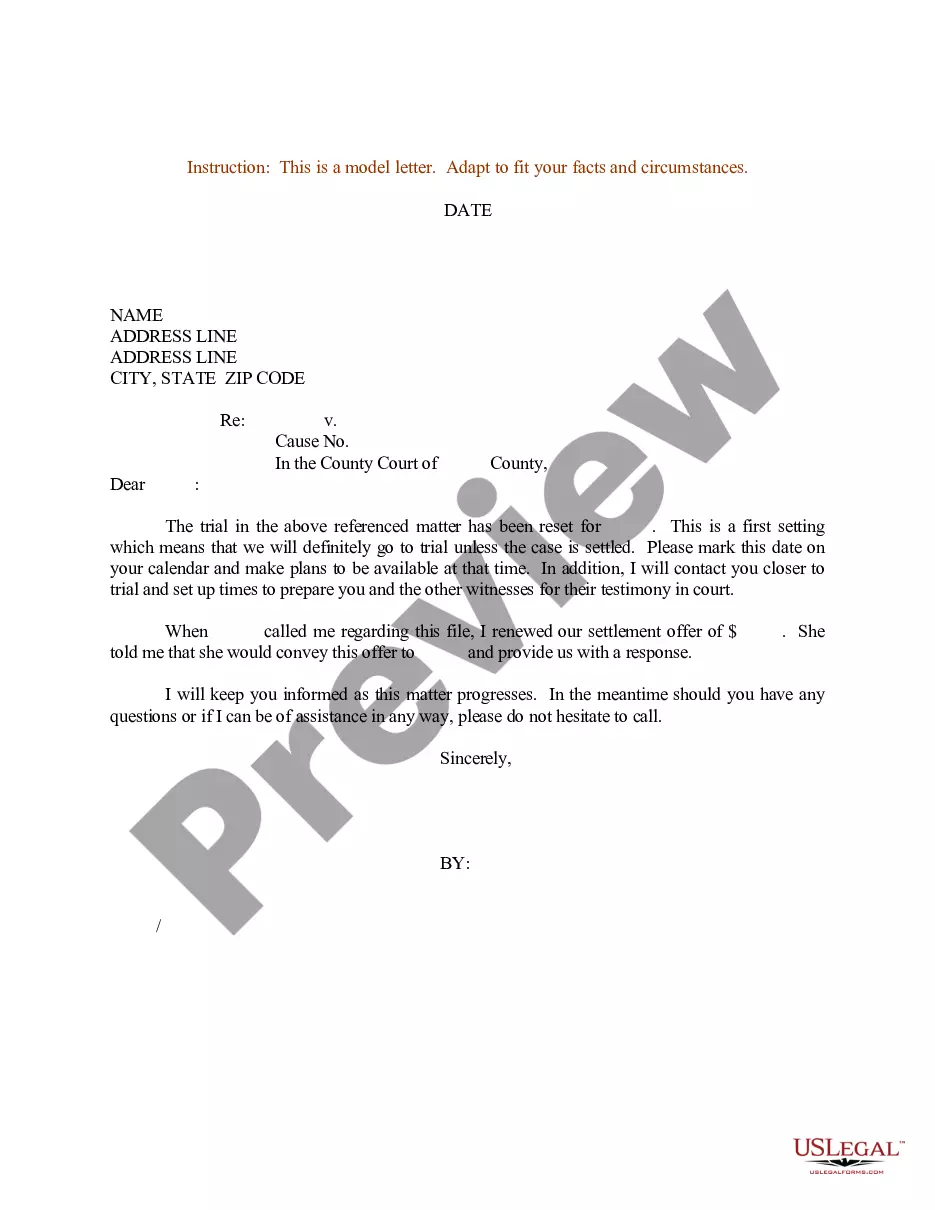
Get your form ready online
Our built-in tools help you complete, sign, share, and store your documents in one place.
Make edits, fill in missing information, and update formatting in US Legal Forms—just like you would in MS Word.
Download a copy, print it, send it by email, or mail it via USPS—whatever works best for your next step.
Sign and collect signatures with our SignNow integration. Send to multiple recipients, set reminders, and more. Go Premium to unlock E-Sign.
If this form requires notarization, complete it online through a secure video call—no need to meet a notary in person or wait for an appointment.
We protect your documents and personal data by following strict security and privacy standards.

Make edits, fill in missing information, and update formatting in US Legal Forms—just like you would in MS Word.

Download a copy, print it, send it by email, or mail it via USPS—whatever works best for your next step.

Sign and collect signatures with our SignNow integration. Send to multiple recipients, set reminders, and more. Go Premium to unlock E-Sign.

If this form requires notarization, complete it online through a secure video call—no need to meet a notary in person or wait for an appointment.

We protect your documents and personal data by following strict security and privacy standards.
Looking for another form?

Form popularity
FAQ
Here is how to write a request letter in 7 steps: Collect information relating to your request. Create an outline. Introduce yourself. Make your request. Explain the reason for the request. Offer to provide additional information. Show your gratitude and conclude the letter.
3. Format the letter correctly. Heading. Start by including your name and mailing address at the top of the page. Salutation. Address the letter to the appropriate recipient. Introduction. Introduce who you are, as applicable, and the reason for writing. Body. Conclusion. Closing. Signature. Enclosures.
My name is Your Name, and I am the Your Title of Your Company. We specialize in brief description of services/products, and we are reaching out to introduce our company and explore potential business opportunities. At Your Company, we pride ourselves on unique selling point or key strength.
Elements of a Standard Business Letter Return Address: Your address (or the address of the company you represent). Date: Leave two blank lines after the return address. Inside Address: Leave two blank lines after the date. Salutation: Type Dear, followed by the person's name. Body: Align your message on the left margin.
For the salutation, “Dear name:” is most common, although some writers choose to omit “Dear.” Do your best to identify the name of the person to whom you're sending the letter; “To Whom It May Concern” is outdated. If you don't know the name, you can use the person's title (e.g., “Dear Hiring Manager”).
If the name is unisex, continue your research to learn your recipient's gender. While “To whom it may concern:” and “Dear sir” or “Dear madam” are appropriate ways to start a business letter, using the recipient's name in your salutation will make your business letter feel much warmer and more personal.
The first paragraph of a business letter should state the letter's purpose. While a first sentence may establish goodwill – e.g., “I hope this letter finds you well” – you should arrive quickly at the reason you're writing. Don't be impolite but do be concise and professional in tone.
How to write a proposal letter offering services Consider whether the letter is solicited. Research the potential client. Choose a subject line if using email. Introduce yourself and your company. Describe the project or problem. Answer any questions posed. Consider providing a quote. Include a call to action.
A good hook might also be a question or a claim—anything that will elicit an emotional response from a reader. Think about it this way: a good opening sentence is the thing you don't think you can say, but you still want to say. Like, “This book will change your life.”

