Sample Email To Client With Proposal In Broward
Description

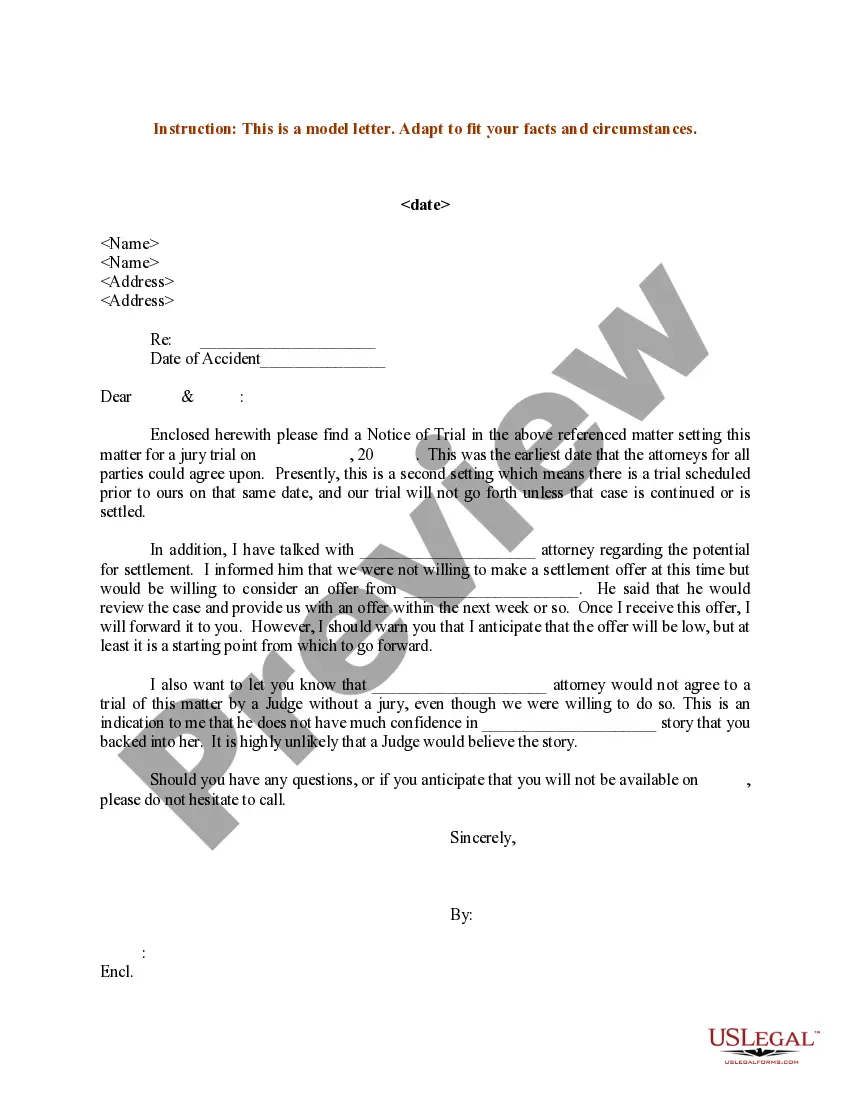
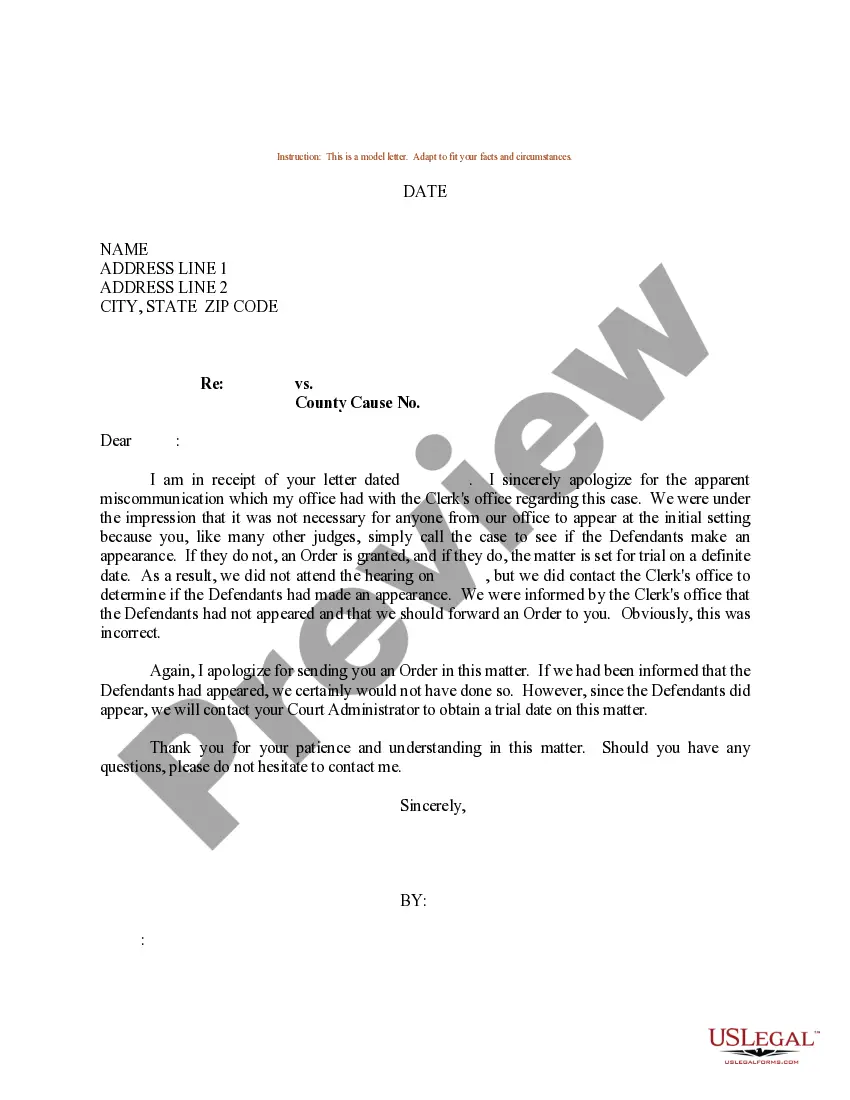
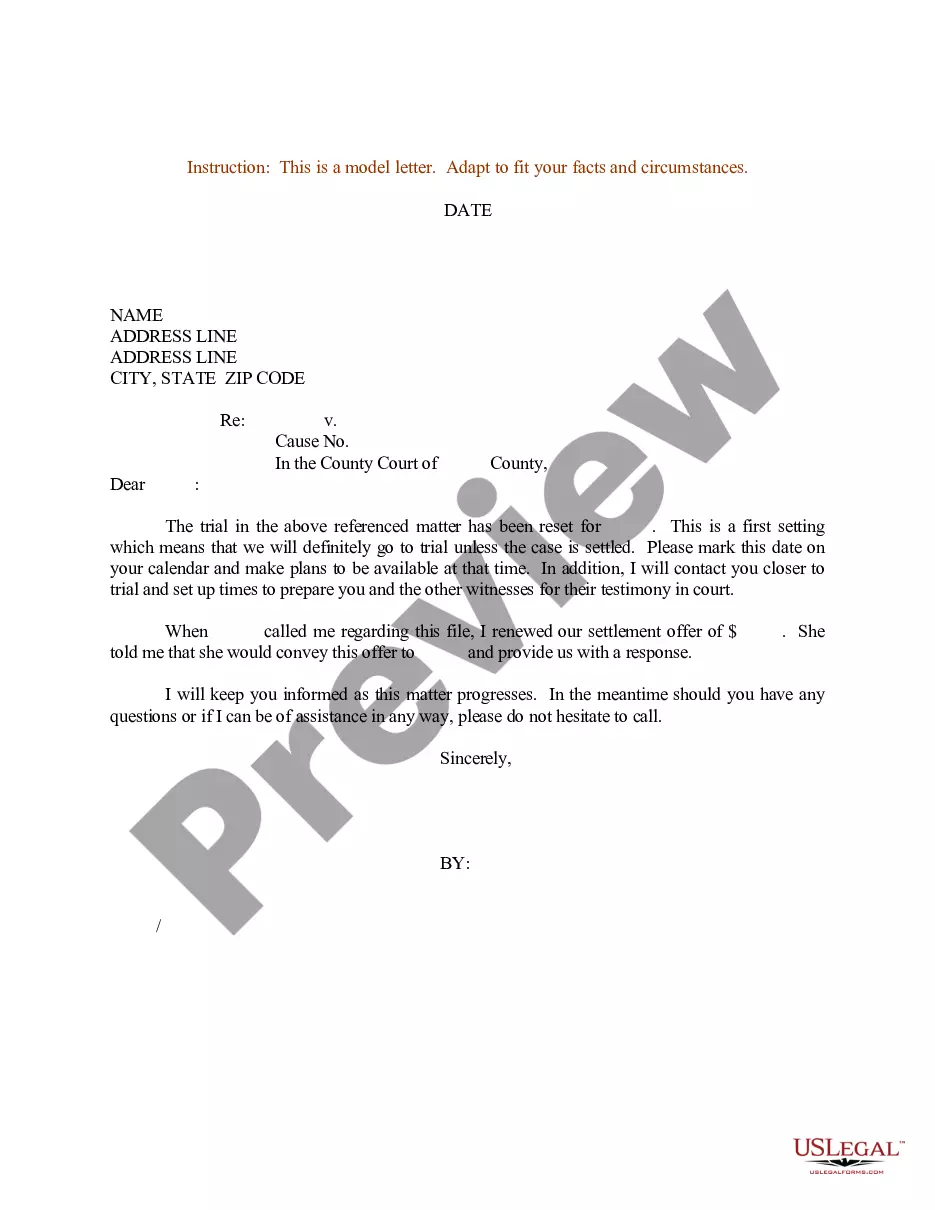
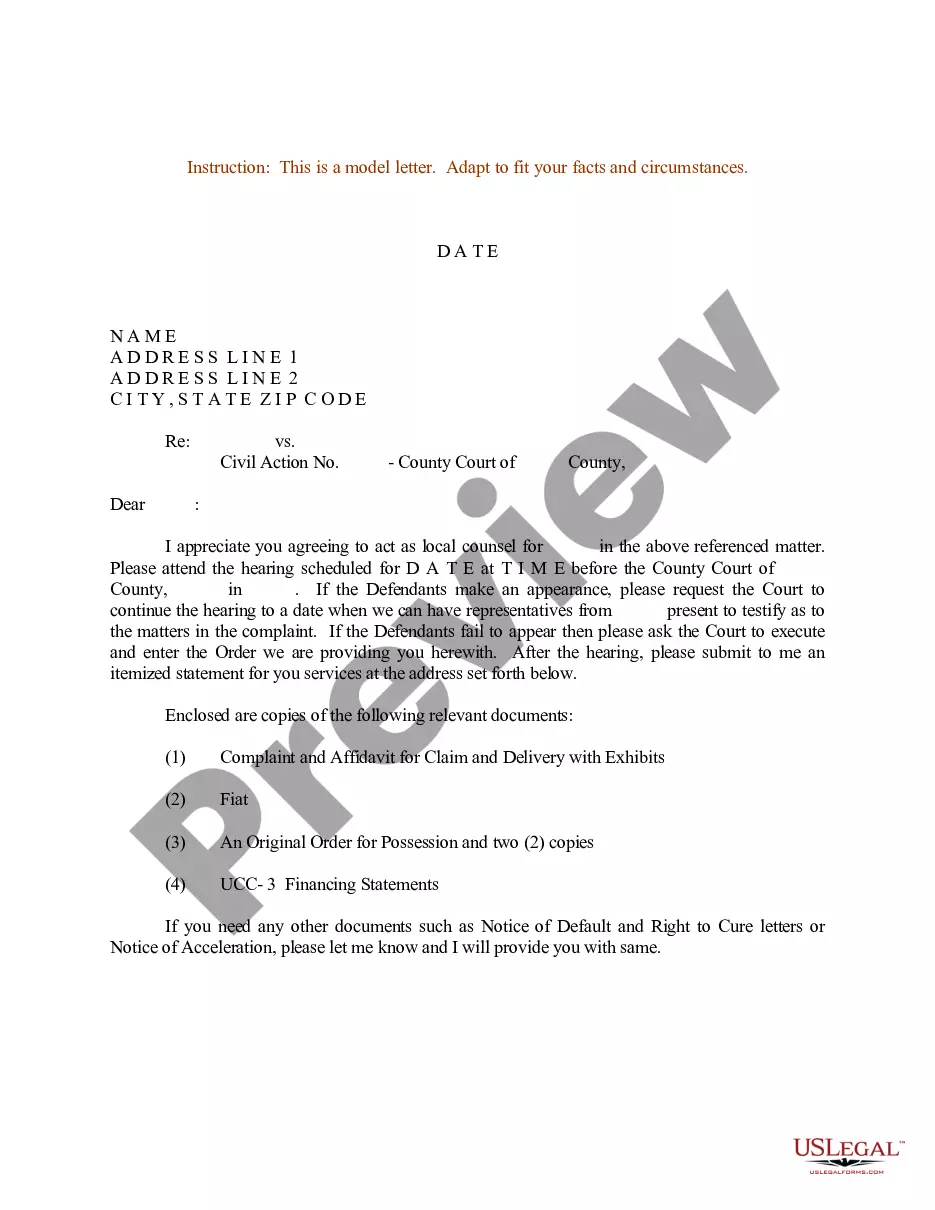
Get your form ready online
Our built-in tools help you complete, sign, share, and store your documents in one place.
Make edits, fill in missing information, and update formatting in US Legal Forms—just like you would in MS Word.
Download a copy, print it, send it by email, or mail it via USPS—whatever works best for your next step.
Sign and collect signatures with our SignNow integration. Send to multiple recipients, set reminders, and more. Go Premium to unlock E-Sign.
If this form requires notarization, complete it online through a secure video call—no need to meet a notary in person or wait for an appointment.
We protect your documents and personal data by following strict security and privacy standards.

Make edits, fill in missing information, and update formatting in US Legal Forms—just like you would in MS Word.

Download a copy, print it, send it by email, or mail it via USPS—whatever works best for your next step.

Sign and collect signatures with our SignNow integration. Send to multiple recipients, set reminders, and more. Go Premium to unlock E-Sign.

If this form requires notarization, complete it online through a secure video call—no need to meet a notary in person or wait for an appointment.

We protect your documents and personal data by following strict security and privacy standards.
Looking for another form?




Form popularity
FAQ
Include: a very brief bio about yourself, a statement about why you are interested in their research, that you would like to find out more about the possibility of working with them, provide your availability to begin, and be sure to ask for an appointment to meet with them. Do not send out template emails.
Elements of a Tender Cover Letter A short introduction thanking the organisation for inviting your company to tender. A unique reason why you should be given the job. A commitment statement to making the contract a success. An administrative note on some aspect of the tender can be included.
How to write an RFP Identify your goals. Before writing your RFP, you can identify the scope of the project and the goals you want it to accomplish. Determine logistics. Outline your RFP. Revise and proofread. Share your RFP. Summary and background. Project scope. Project timeline.
bystep guide to presenting a proposal Research your audience. As always, start with research. Craft a clear agenda. Select an appropriate presentation format. Put together your presentation. Open by naming a challenge. Sell a solution, not a product. Lay out the next steps. Follow up promptly.
I am following up on the proposal that I sent to you on 12 September. If you have any questions about the proposal or discuss any aspects of it, please get in touch. I can provide any additional detail or supporting information that can support you in making a decision.
How to write an RFP Provide a business overview. Kick off your RFP by introducing your organization. Define your project needs and goals. List requirements and expectations. Provide a statement of work (SOW) ... Call out potential challenges. Set your evaluation criteria. Provide submission instructions.
Here are the steps to take when writing a proposal acceptance letter: Format your letter. Your letter appears most professional if sent on your organization's letterhead. Specify sender, recipient and date. Accept the proposal. Clarify next steps. Offer thanks. Sign and send.
Dear Mr. Last Name, We were delighted to receive Their Company Name's proposal on date received to briefly describe the proposal. It is my pleasure to inform you that after careful consideration, Your Company Name has accepted your proposal to briefly describe the proposed project.

