Sample Letter To Arrange Meeting With Client In Bexar
Description

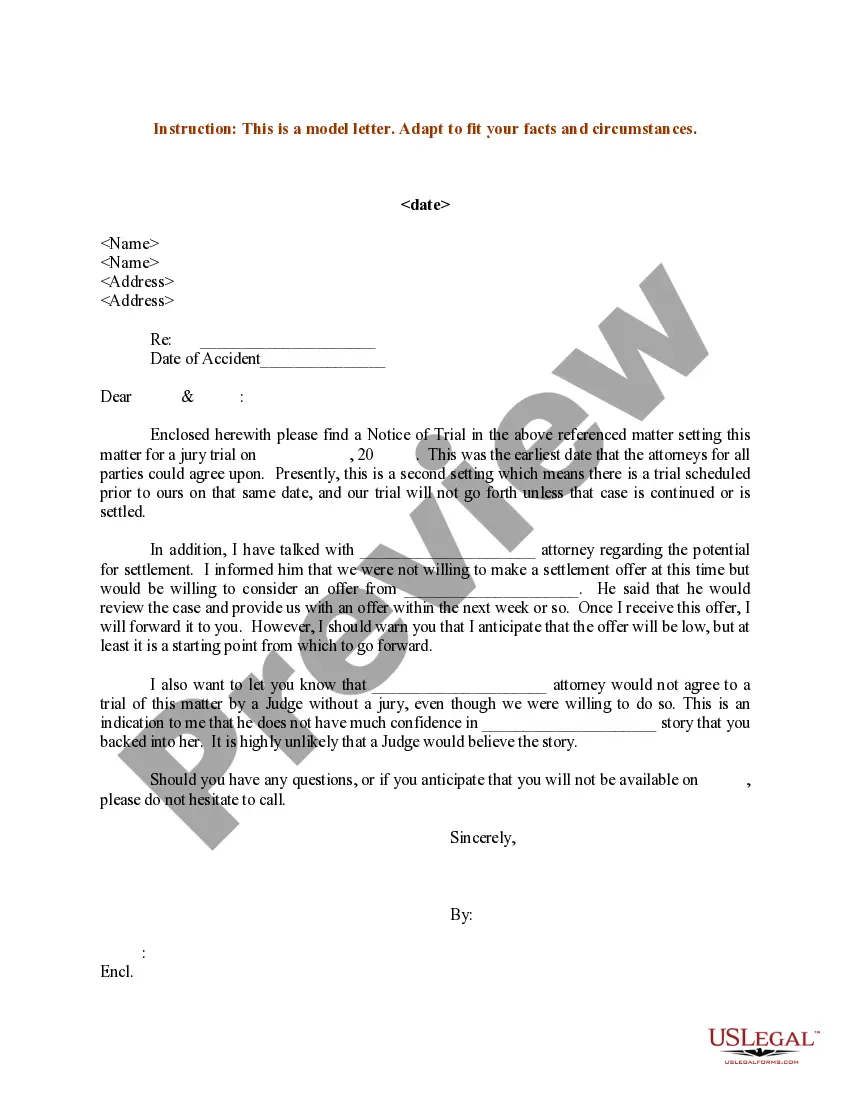
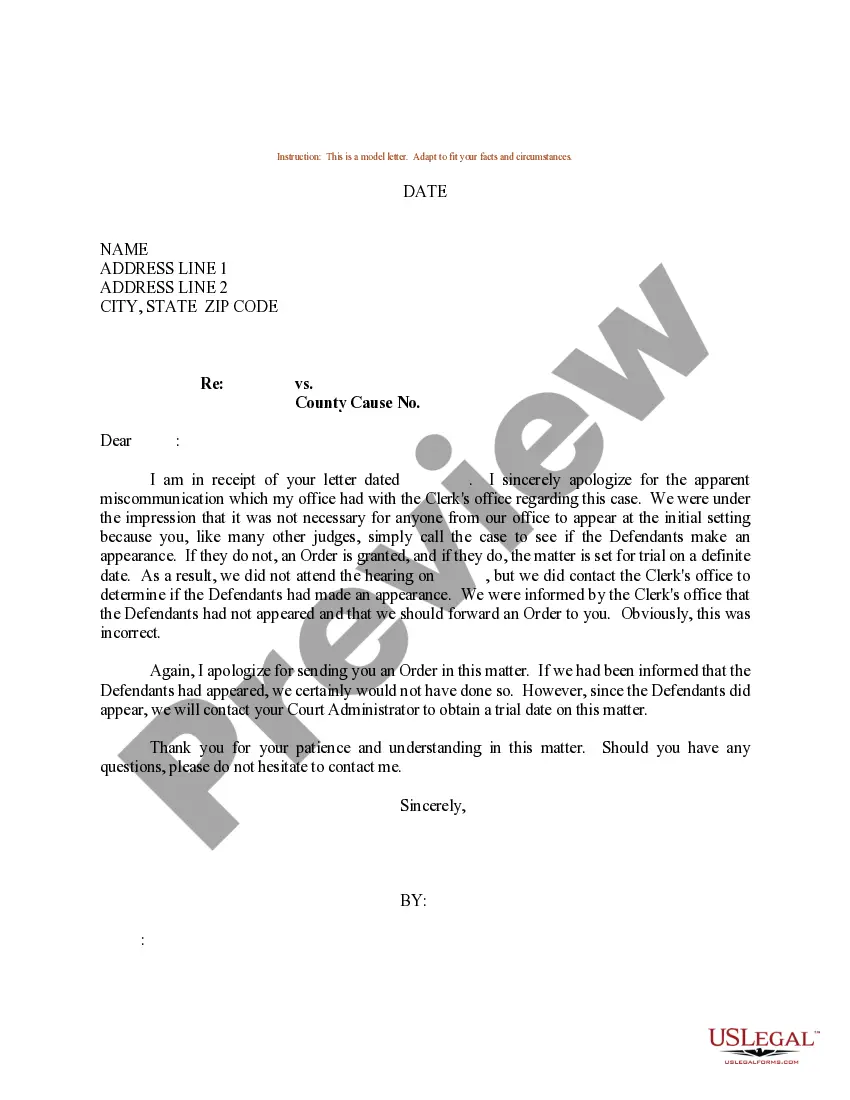
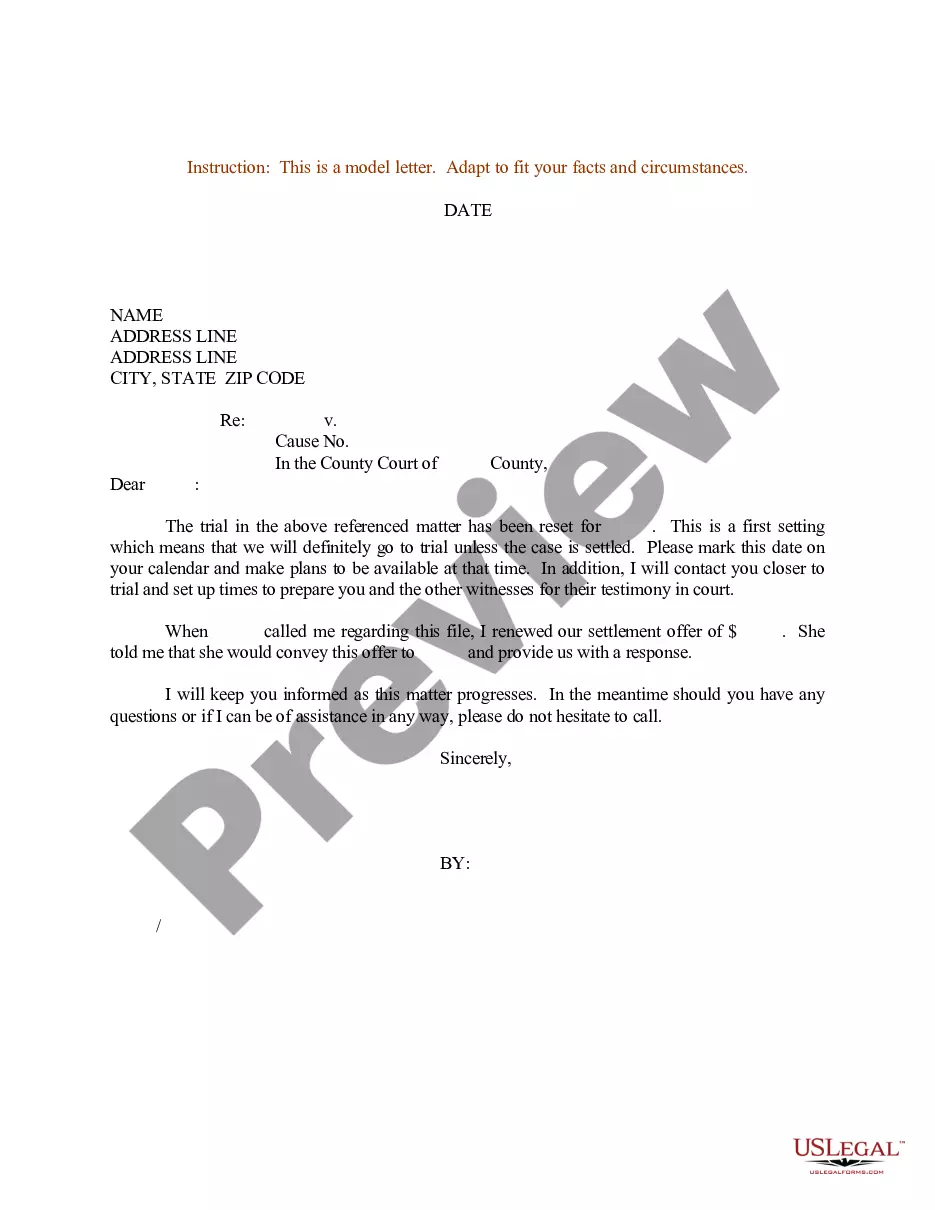
Get your form ready online
Our built-in tools help you complete, sign, share, and store your documents in one place.
Make edits, fill in missing information, and update formatting in US Legal Forms—just like you would in MS Word.
Download a copy, print it, send it by email, or mail it via USPS—whatever works best for your next step.
Sign and collect signatures with our SignNow integration. Send to multiple recipients, set reminders, and more. Go Premium to unlock E-Sign.
If this form requires notarization, complete it online through a secure video call—no need to meet a notary in person or wait for an appointment.
We protect your documents and personal data by following strict security and privacy standards.

Make edits, fill in missing information, and update formatting in US Legal Forms—just like you would in MS Word.

Download a copy, print it, send it by email, or mail it via USPS—whatever works best for your next step.

Sign and collect signatures with our SignNow integration. Send to multiple recipients, set reminders, and more. Go Premium to unlock E-Sign.

If this form requires notarization, complete it online through a secure video call—no need to meet a notary in person or wait for an appointment.

We protect your documents and personal data by following strict security and privacy standards.
Looking for another form?

Form popularity
FAQ
When crafting a meeting invite, make sure you do the following. Create a specific subject line. Subject lines form the smallest part of an email but have the biggest impact. Begin by showing your intention. Include crucial meeting details in the body of the email. End the email politely.
I hope things are well. I am writing to request a meeting agenda in advance of our upcoming meeting on date and time. Having an agenda in advance will help ensure that the meeting is productive and focused, and that we are able to address all of the important topics.
Below are the elements that should be included: Date. The date on which the sender wrote the meeting or appointment letter should be written in the letter's first line. Recipients details. Following that, the recipients' information, such as. Place. Other appointment dates and time suggestions. The length of the meeting.
How to schedule a meeting via email Write a clear and concise subject line. Use a salutation. Introduce yourself to colleagues you haven't met. Explain the purpose of the meeting. Offer multiple times and dates for the meeting. Request a reply or confirmation. Send a reminder.
I would like to invite you to a meeting with me and (insert details of others). At the meeting, we will discuss (insert details). At the end of the meeting, we will agree on a way forward that will benefit us all. Please let me know if you are interested in meeting and some convenient dates and times.
Basic rules of meeting request emails Invite as few people as possible. Check calendars to see potential times. Be clear about why the meeting is needed. Send a meeting agenda in advance. Provide a call to action (CTA) ... State the time and place clearly.
Here are eight simple steps you can take to draft a meeting request email: Start with a clear subject line. Choose a greeting. Introduce yourself. Explain the purpose of the meeting. Propose a date and time (but be flexible) ... Request a confirmation. Tell participants how they reach you if necessary. Send a reminder.
I'm writing this email to schedule a meeting concerning main topic of your meeting. If it's convenient, I would suggest meeting at location, time and place. Kindly confirm your availability and preference if you'd like to change the time or location.
I'm writing this email to schedule a meeting concerning main topic of your meeting. If it's convenient, I would suggest meeting at location, time and place. Kindly confirm your availability and preference if you'd like to change the time or location.
Here are all of the steps: Write a clear subject line. An email should have “glance-value”. Use a salutation. Introduce yourself (if necessary). Explain why you want to meet. Be flexible about time and place. Request a reply or confirmation. Send a reminder.

