Washington State Form 17 With Sale Agreement In Virginia
Description
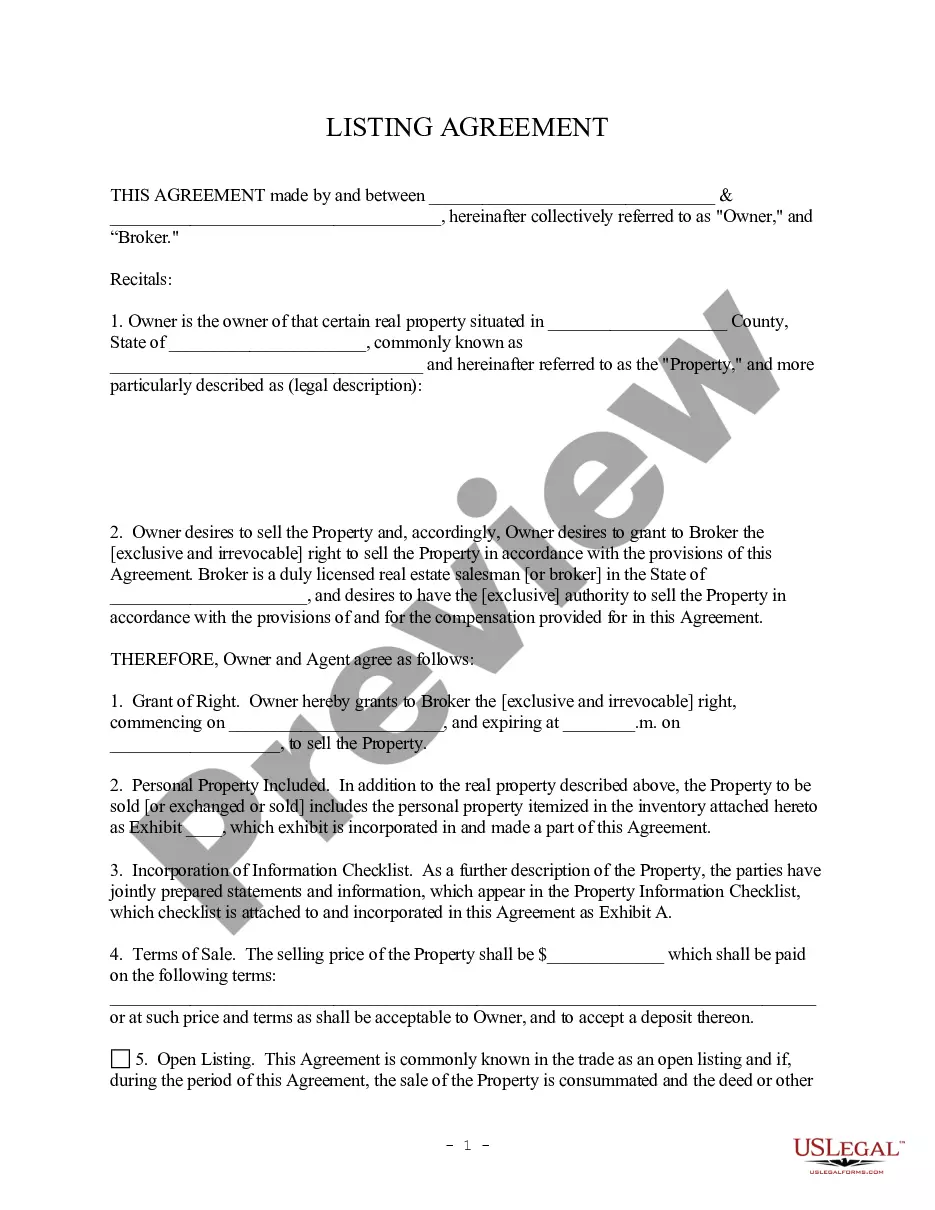
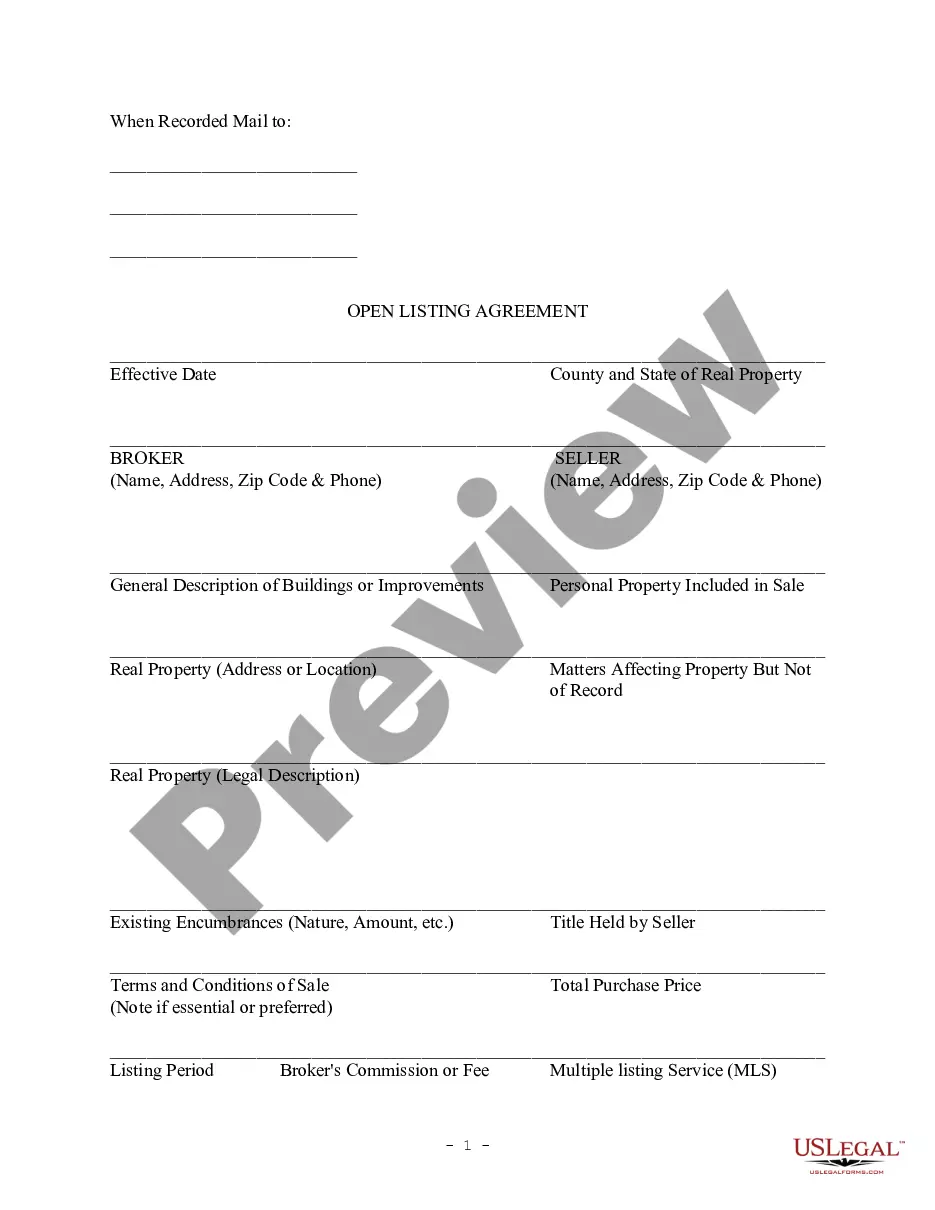
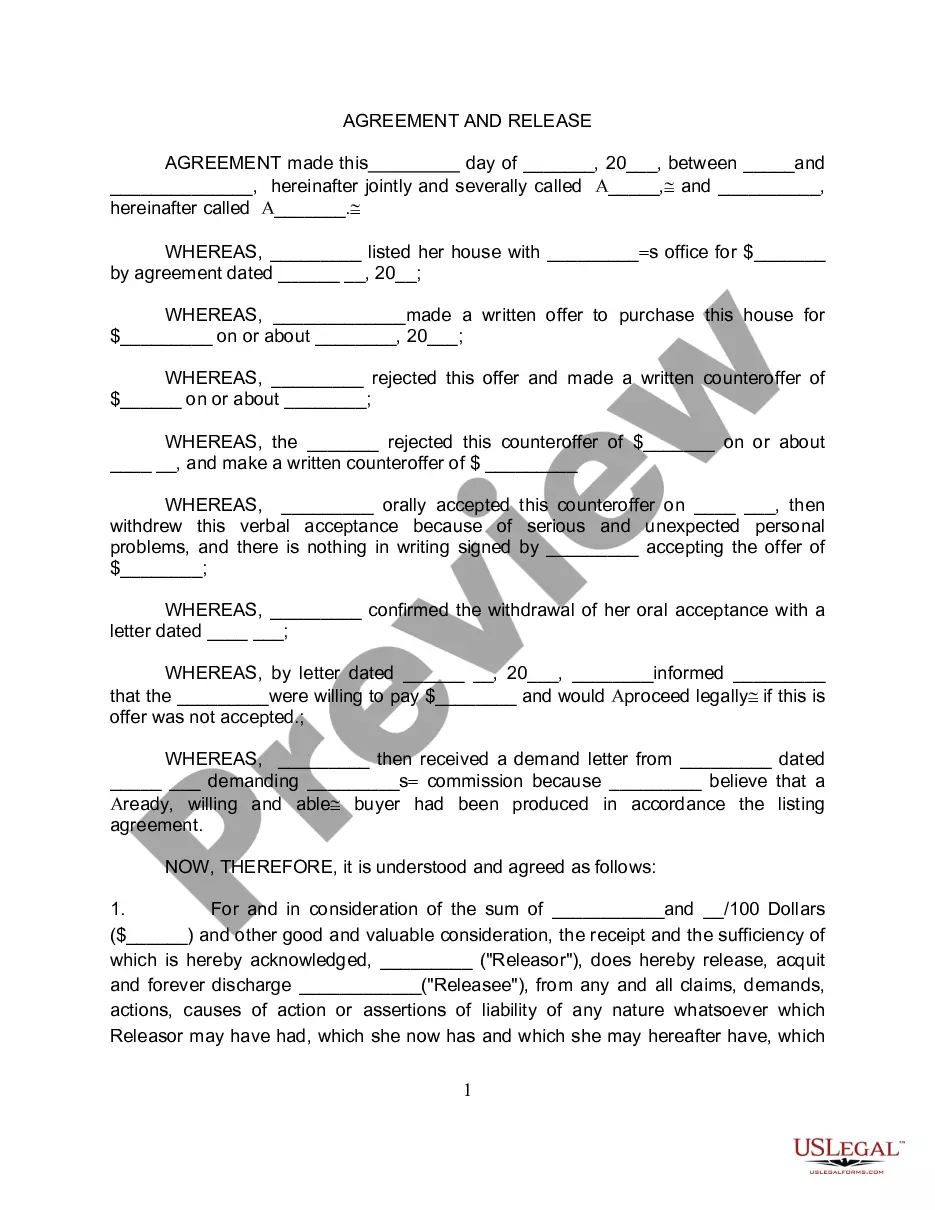
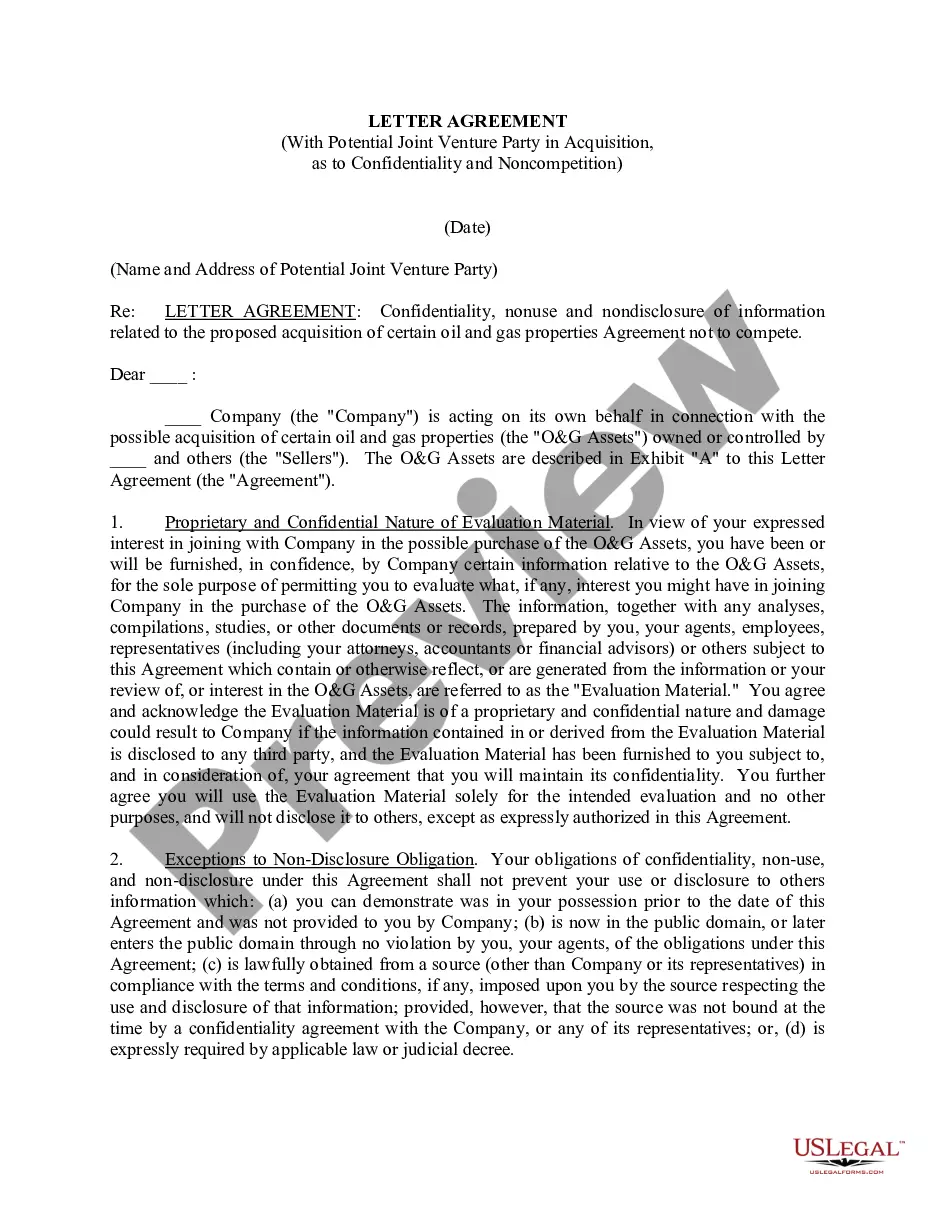
Get your form ready online
Our built-in tools help you complete, sign, share, and store your documents in one place.
Make edits, fill in missing information, and update formatting in US Legal Forms—just like you would in MS Word.
Download a copy, print it, send it by email, or mail it via USPS—whatever works best for your next step.
Sign and collect signatures with our SignNow integration. Send to multiple recipients, set reminders, and more. Go Premium to unlock E-Sign.
If this form requires notarization, complete it online through a secure video call—no need to meet a notary in person or wait for an appointment.
We protect your documents and personal data by following strict security and privacy standards.

Make edits, fill in missing information, and update formatting in US Legal Forms—just like you would in MS Word.

Download a copy, print it, send it by email, or mail it via USPS—whatever works best for your next step.

Sign and collect signatures with our SignNow integration. Send to multiple recipients, set reminders, and more. Go Premium to unlock E-Sign.

If this form requires notarization, complete it online through a secure video call—no need to meet a notary in person or wait for an appointment.

We protect your documents and personal data by following strict security and privacy standards.
Looking for another form?


Form popularity
FAQ
You can get the form from a buyer's or seller's agent or real estate attorney. While the disclosure form will vary in format, it may contain the following: List of specific issues the homeowner must check off if the home has them. Questions about the property the seller must answer with “Yes,” “No” or “Unknown”
In most states, by law, you have to disclose any issues with the property. By not disclosing, you open yourself up to lawsuit.
Sellers must complete a Transfer Disclosure Statement (TDS), in which they disclose known defects and other pertinent information about the property. Failure to disclose these material facts can lead to legal liability.
You can get the form from a buyer's or seller's agent or real estate attorney. While the disclosure form will vary in format, it may contain the following: List of specific issues the homeowner must check off if the home has them. Questions about the property the seller must answer with “Yes,” “No” or “Unknown”
While sellers have always been required to disclose material facts, the Form 17 has been required by law (RCW 64.06. 020) since January 1, 1995. It has undergone ten revisions since its inception, the last of which went into effect in 2021.
Sellers must fill out either an unimproved or improved residential real estate disclosure form, which covers various topics about the property's condition. This comprehensive form asks about the state of the home's electrical, plumbing, heating and other systems.

