Acceptance Letter For School In Fulton
Description
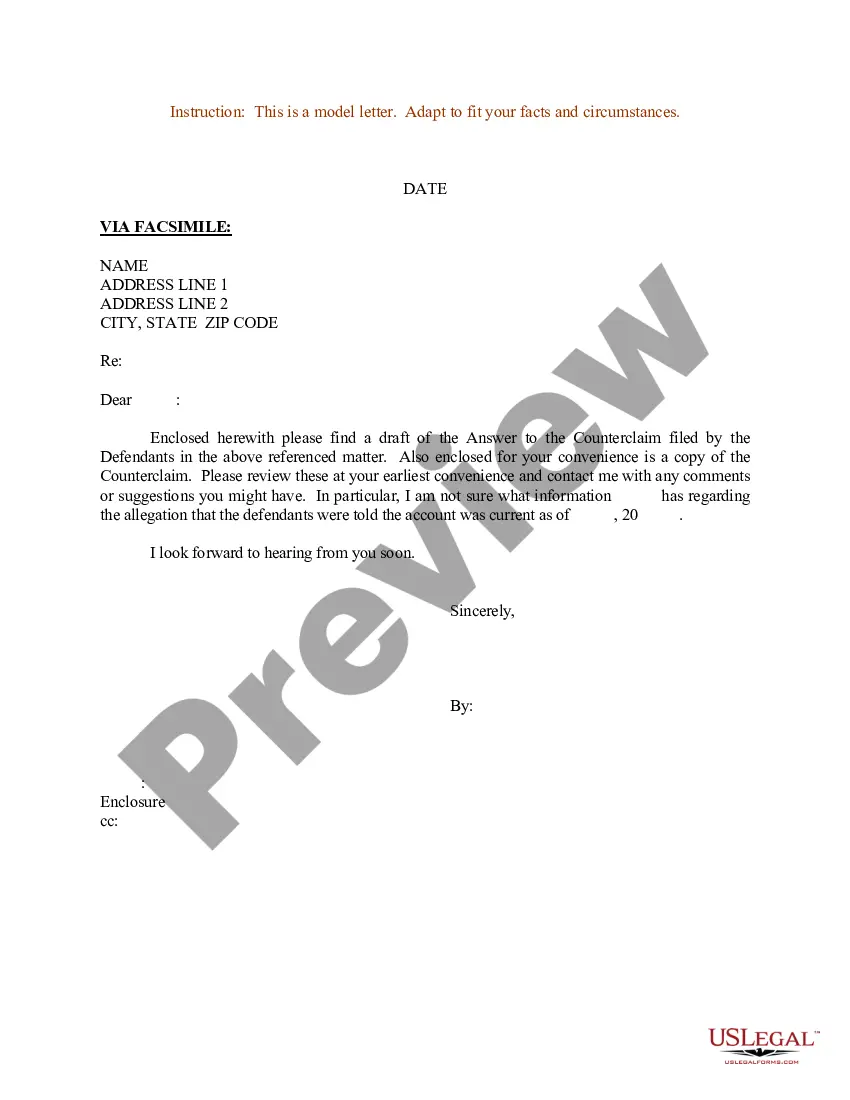
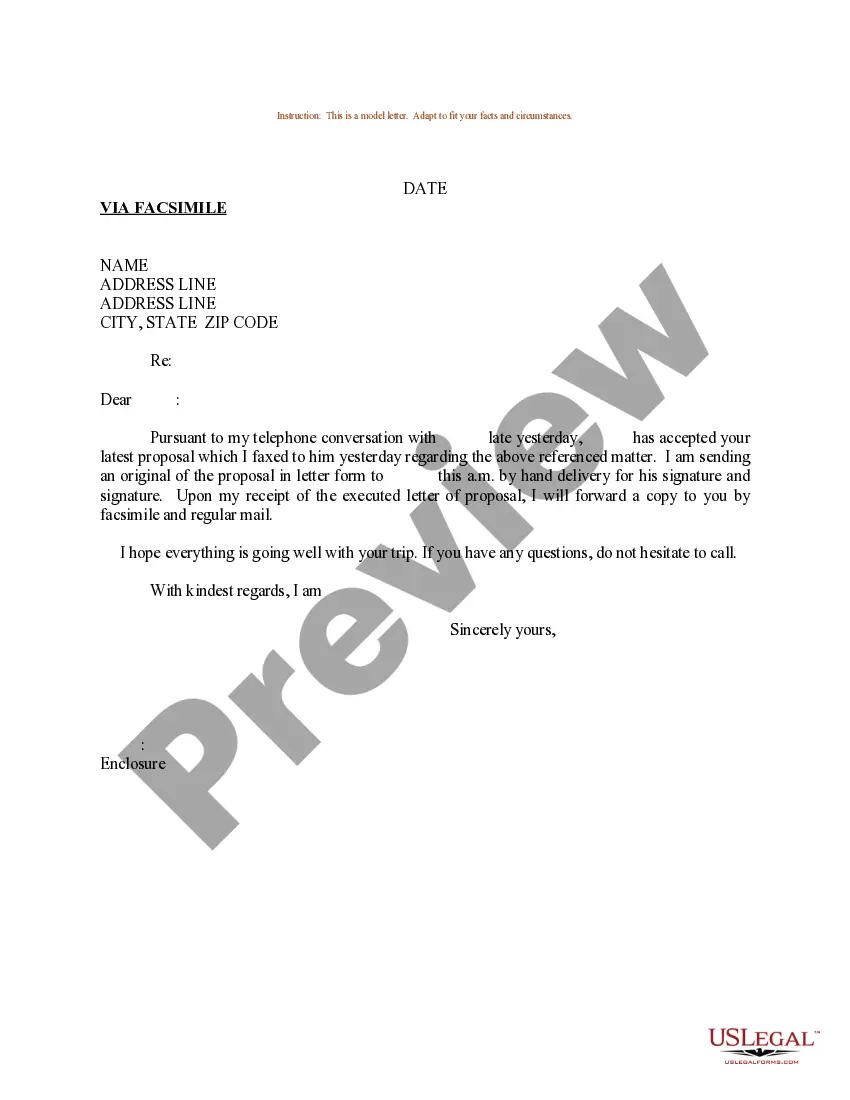
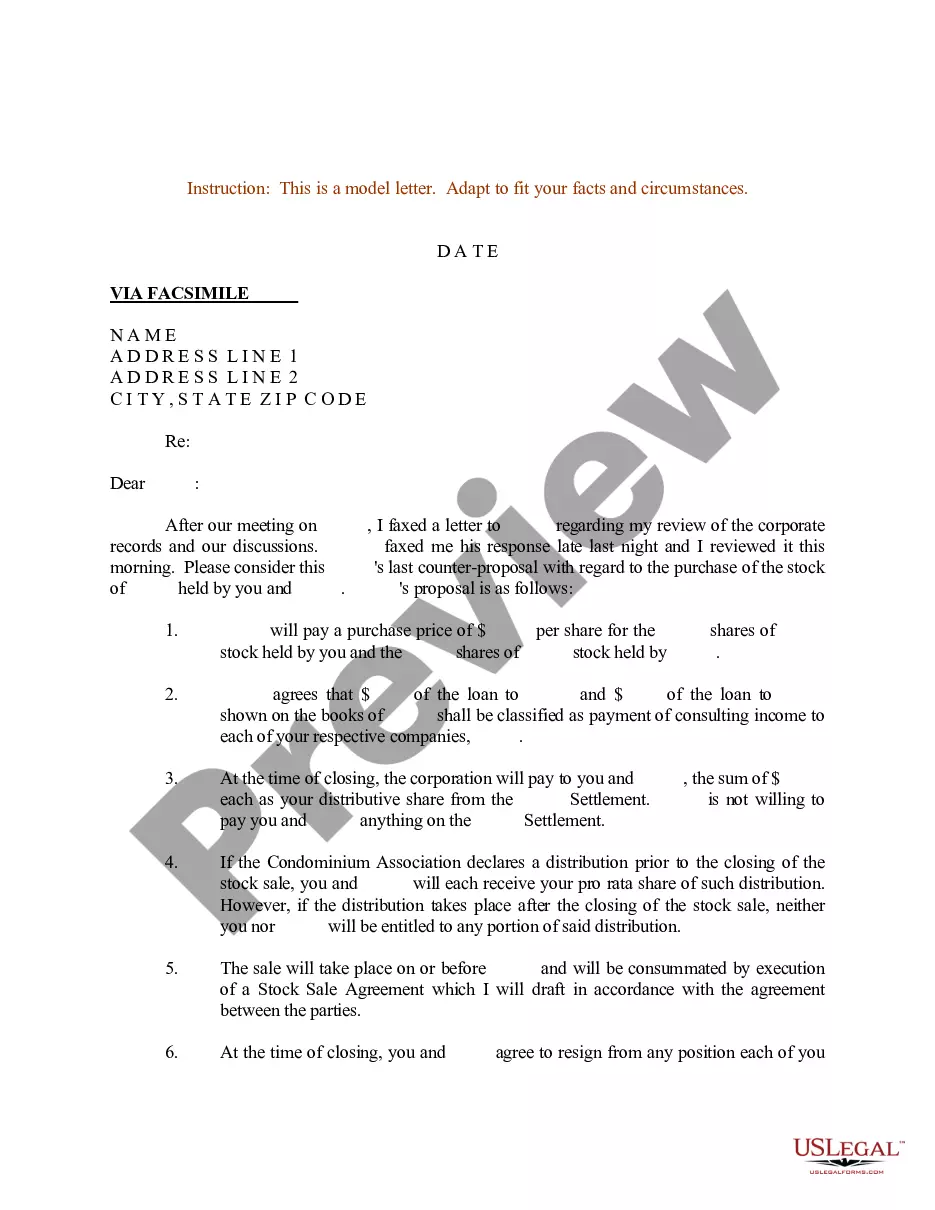
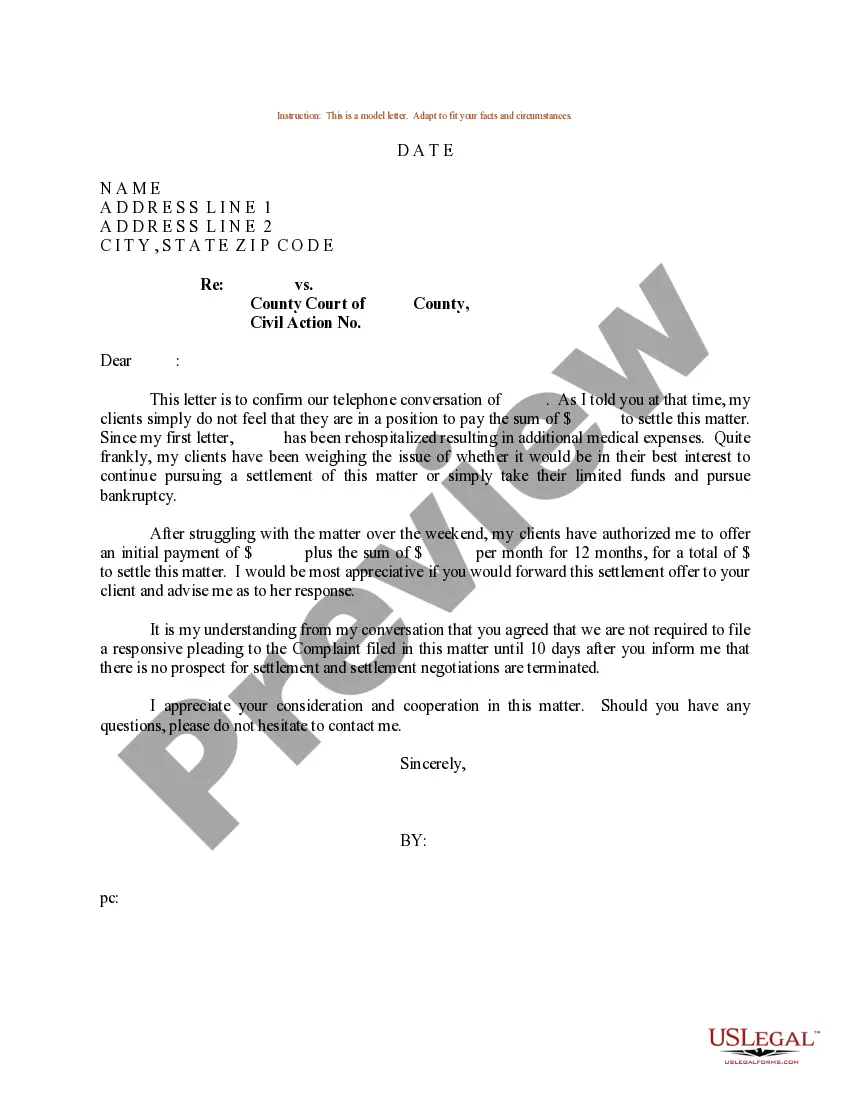
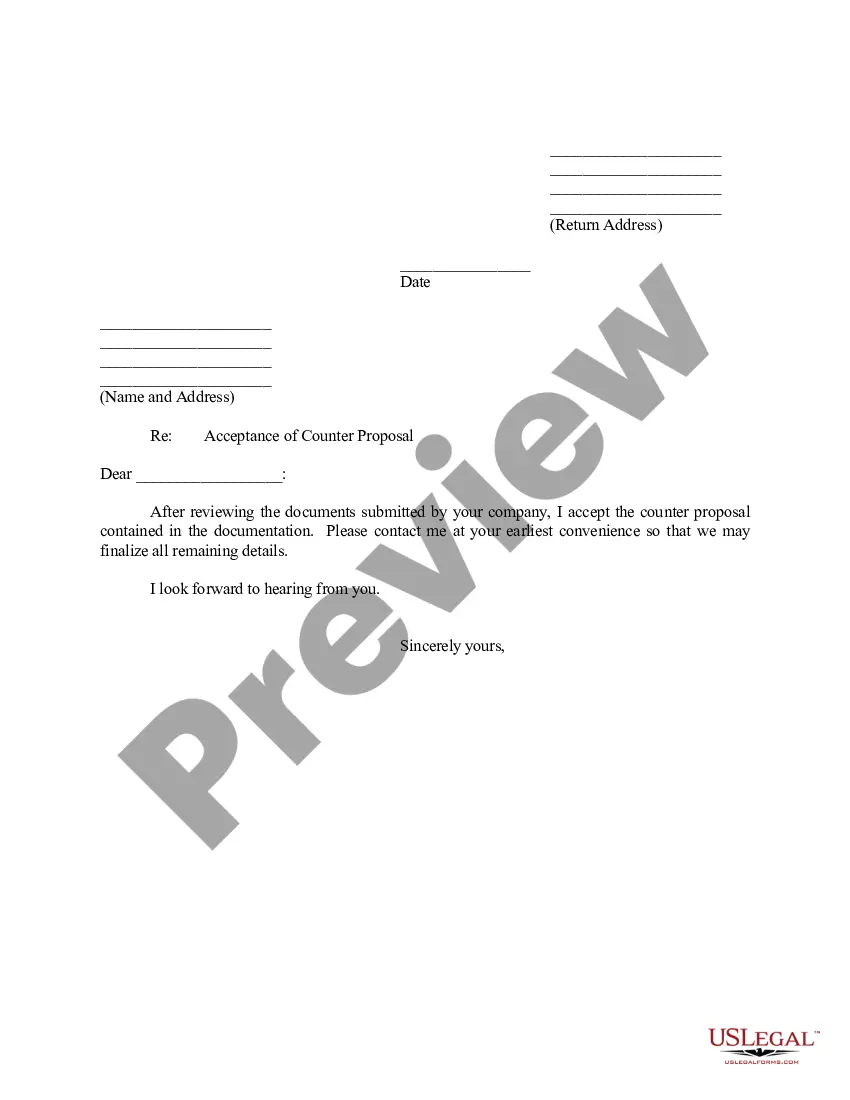
Get your form ready online
Our built-in tools help you complete, sign, share, and store your documents in one place.
Make edits, fill in missing information, and update formatting in US Legal Forms—just like you would in MS Word.
Download a copy, print it, send it by email, or mail it via USPS—whatever works best for your next step.
Sign and collect signatures with our SignNow integration. Send to multiple recipients, set reminders, and more. Go Premium to unlock E-Sign.
If this form requires notarization, complete it online through a secure video call—no need to meet a notary in person or wait for an appointment.
We protect your documents and personal data by following strict security and privacy standards.
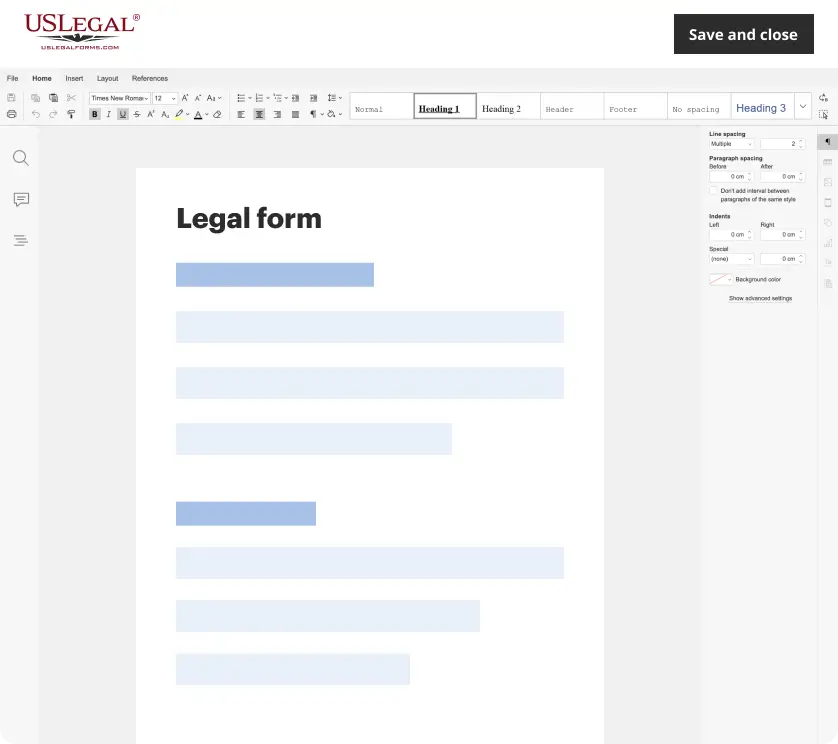
Make edits, fill in missing information, and update formatting in US Legal Forms—just like you would in MS Word.
Download a copy, print it, send it by email, or mail it via USPS—whatever works best for your next step.
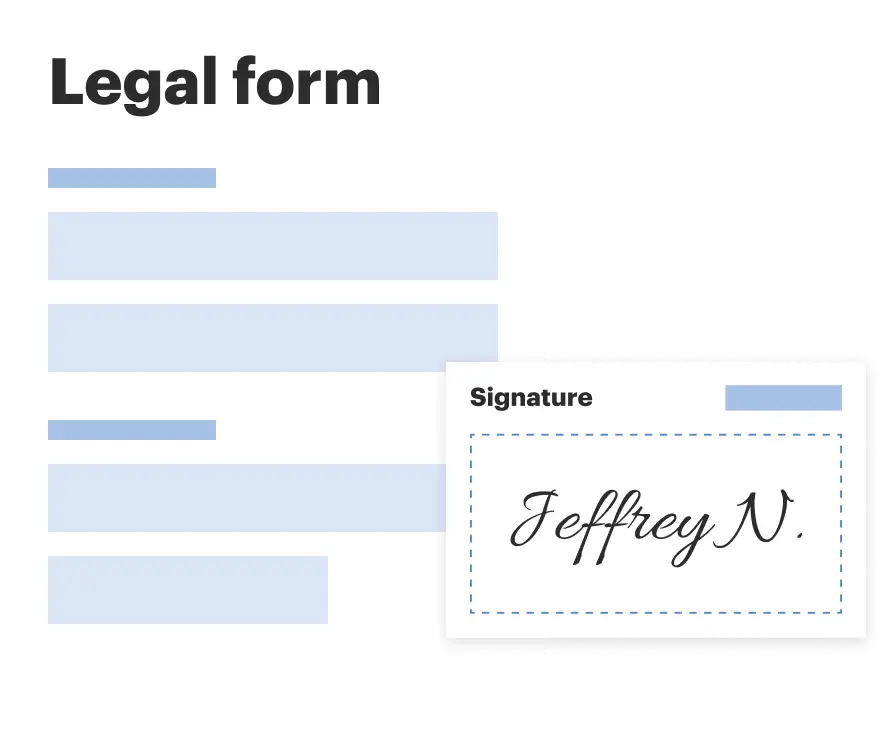
Sign and collect signatures with our SignNow integration. Send to multiple recipients, set reminders, and more. Go Premium to unlock E-Sign.
If this form requires notarization, complete it online through a secure video call—no need to meet a notary in person or wait for an appointment.
We protect your documents and personal data by following strict security and privacy standards.
Looking for another form?





Form popularity
FAQ
There are three ways you'll receive your letter of acceptance: by mail, email, or on your online portal. How schools choose to tell students about their university entry will vary. Check with your school's office of admissions to see when and how you'll get your letter of acceptance.
How to write an application letter Address your letter. Use proper salutation. Create a subject line. Introduce yourself, your purpose and your interests. Highlight your skills and achievements. Reiterate your interest. Thank the reviewer. Closing salutation and sign.
Colleges send out emails to applicants, but they usually don't contain an acceptance or nonacceptance letter. Instead, the email you receive is likely going to direct you to the college's online application portal. Today, most colleges have an online portal where students can check the status of their applications.
They may either release them all at once, or in batches over a certain window of time. For schools with a specific decision release date, decisions are typically released all at once on that date. This is the case for most schools with Early Decision, Early Action, and Regular Decision deadlines.
Acceptance Letter or Email: One of the most obvious signs is receiving an acceptance letter or email from the university's admissions office. This communication will typically provide details about the next steps you need to take, such as confirming your acceptance, paying a deposit, and registering for classes (1).
There's also a little bit of variation in how decisions are conveyed: you can expect many colleges to send acceptance letters by email or online portal, though some will still send a formal letter in your mailbox, too.
Even though you submit your Early Action, Early Decision, and Regular Decision college applications online, most colleges will still mail you an official college acceptance letter.
Description. Georgia's Public School Choice law allows residents of the City of Atlanta to attend a public school outside of their zoned school if space is available.
Georgia offers K–12 students and their families several types of school choice, including two private school choice programs, charter schools, magnet schools, home schooling and inter-and intra-district public school choice via open enrollment policies.
