Termination Of Contract For Frustration In Utah
Description
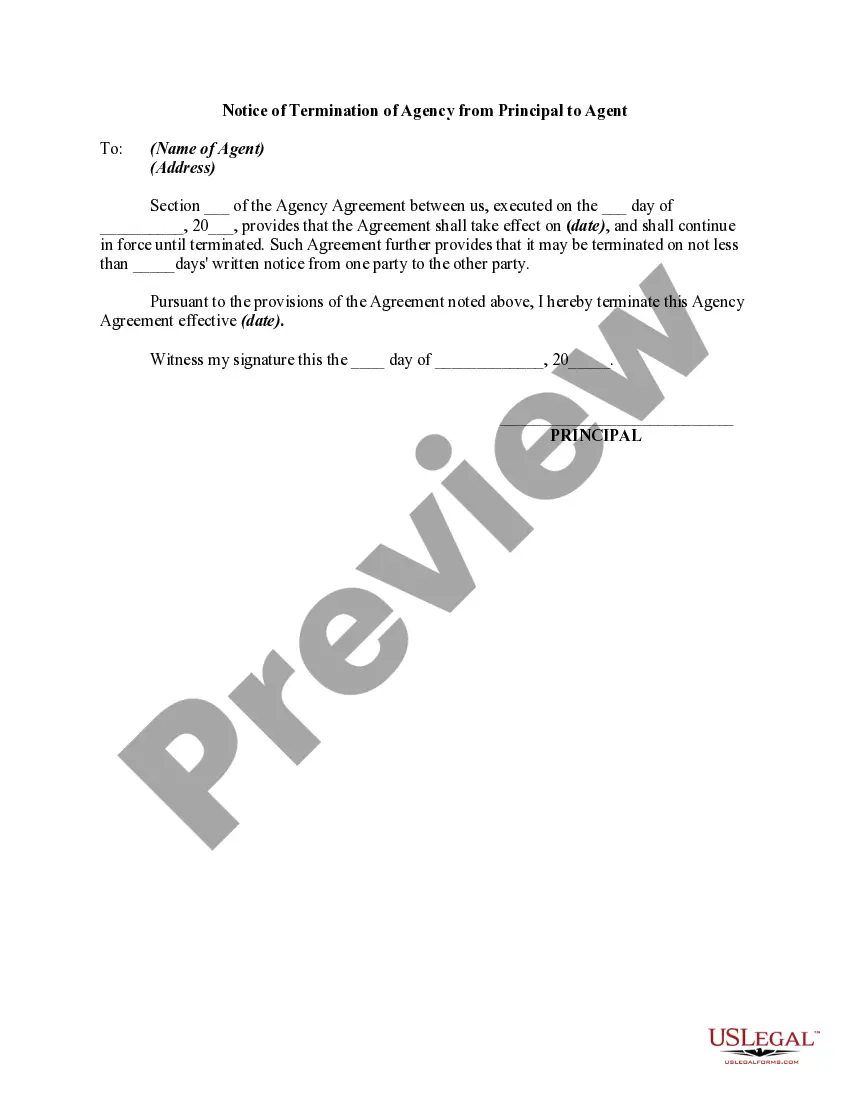
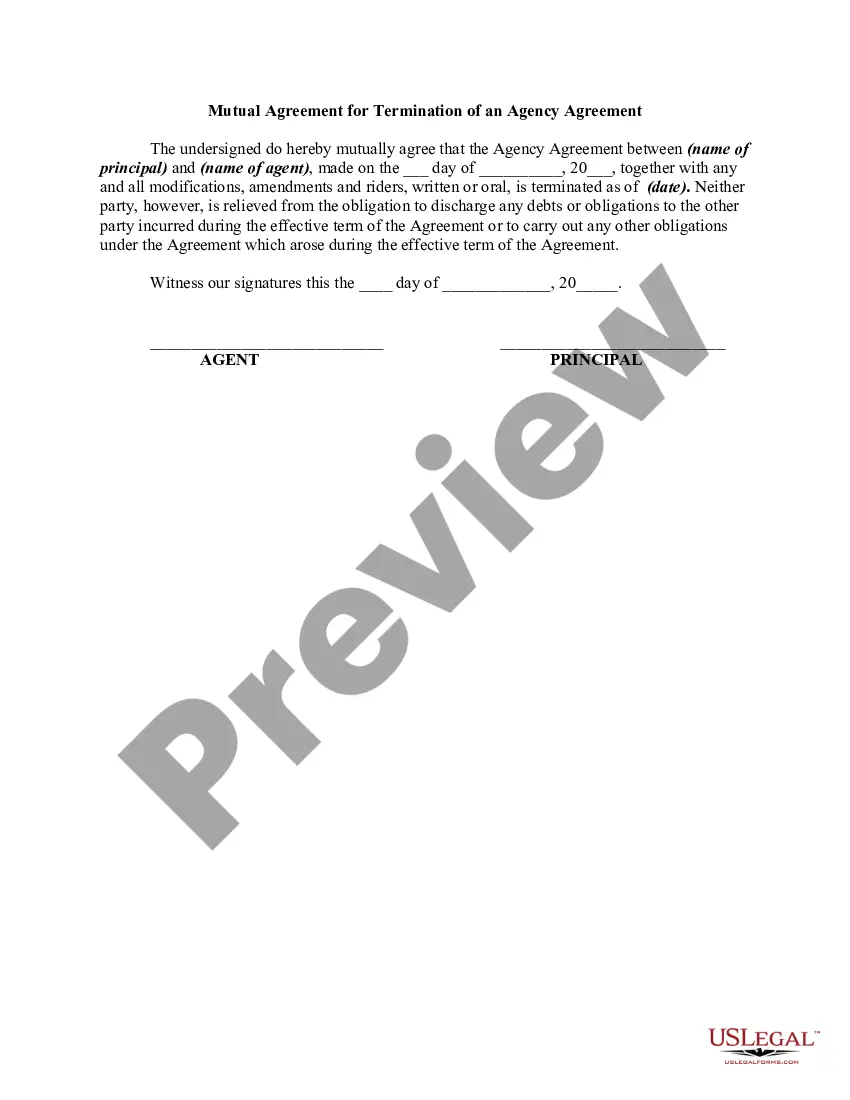
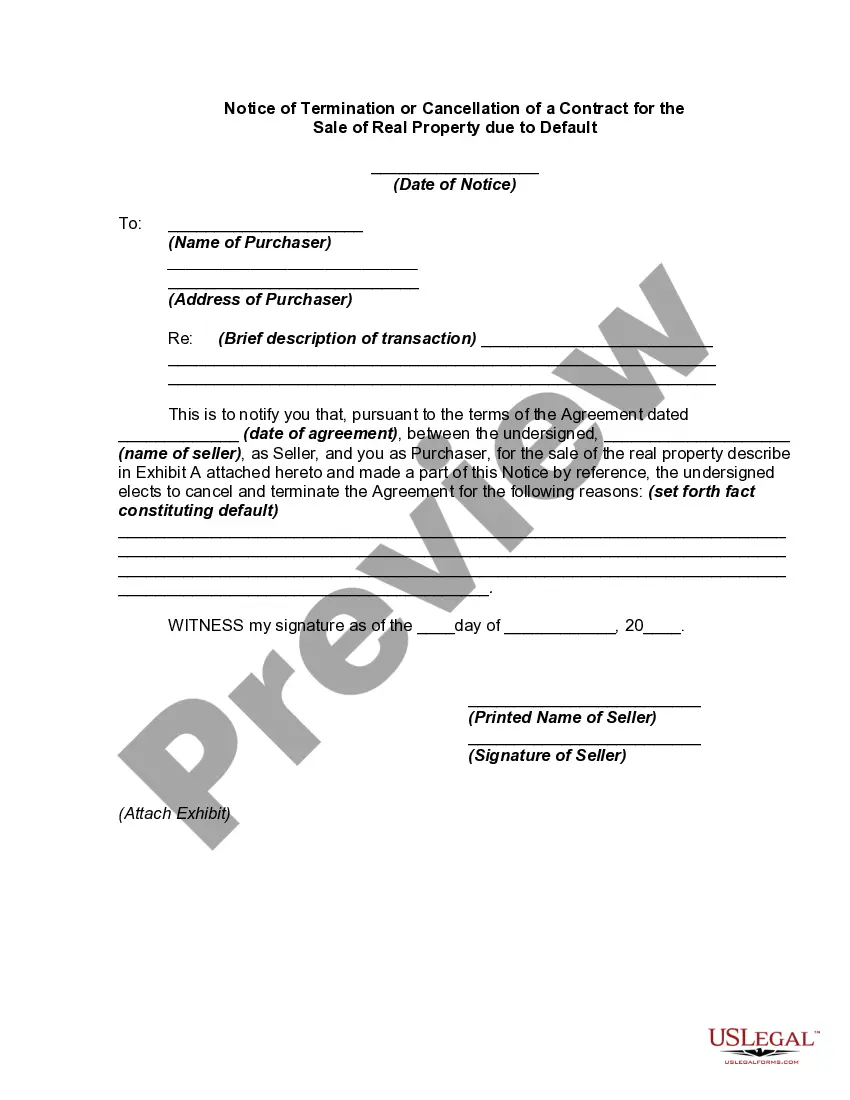
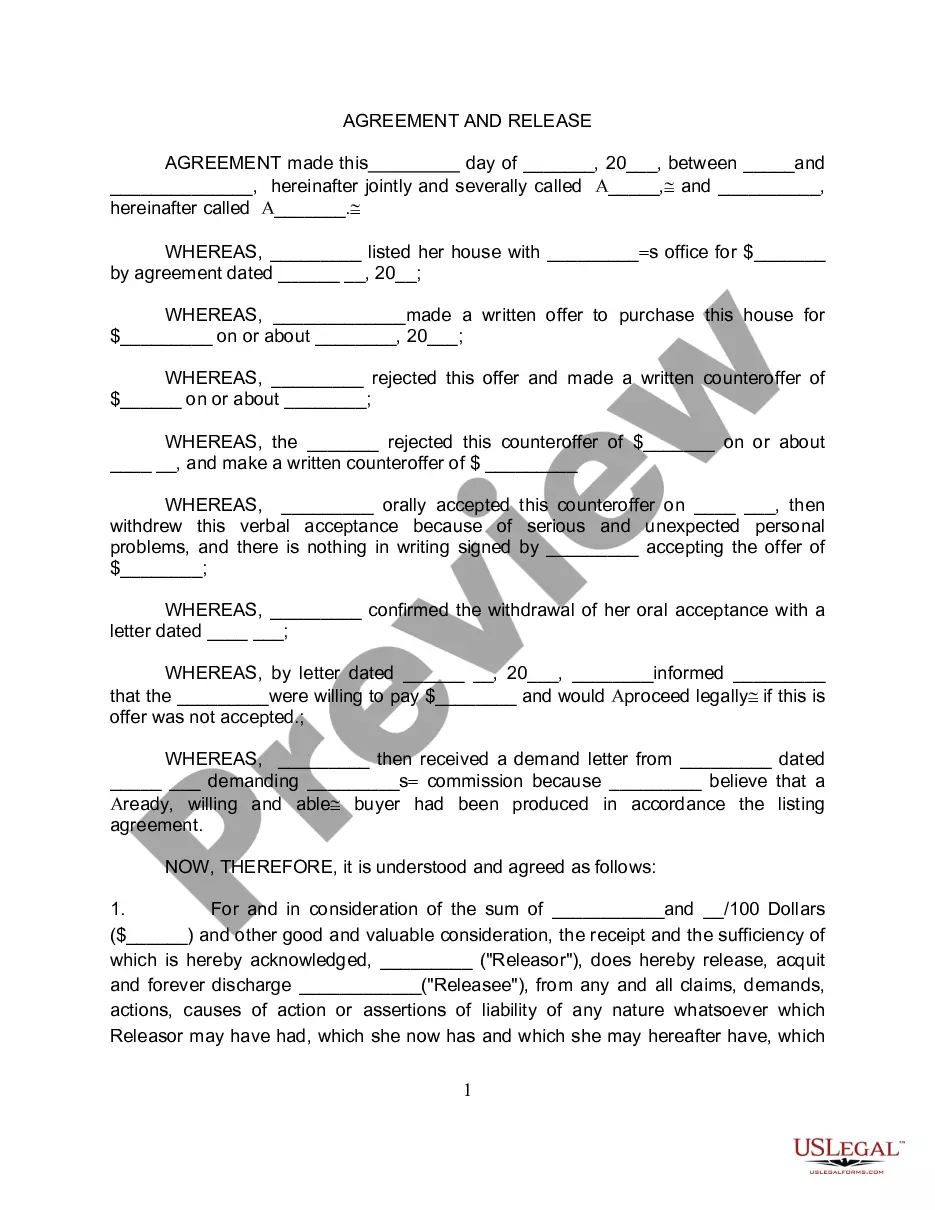
Get your form ready online
Our built-in tools help you complete, sign, share, and store your documents in one place.
Make edits, fill in missing information, and update formatting in US Legal Forms—just like you would in MS Word.
Download a copy, print it, send it by email, or mail it via USPS—whatever works best for your next step.
Sign and collect signatures with our SignNow integration. Send to multiple recipients, set reminders, and more. Go Premium to unlock E-Sign.
If this form requires notarization, complete it online through a secure video call—no need to meet a notary in person or wait for an appointment.
We protect your documents and personal data by following strict security and privacy standards.

Make edits, fill in missing information, and update formatting in US Legal Forms—just like you would in MS Word.

Download a copy, print it, send it by email, or mail it via USPS—whatever works best for your next step.

Sign and collect signatures with our SignNow integration. Send to multiple recipients, set reminders, and more. Go Premium to unlock E-Sign.

If this form requires notarization, complete it online through a secure video call—no need to meet a notary in person or wait for an appointment.

We protect your documents and personal data by following strict security and privacy standards.
Looking for another form?


Form popularity
FAQ
The doctrine of frustration comes under Section 56 of the Indian Contract Act, 1872. This doctrine is based on the Latin maxim 'Les Non Cogit Ad Impossibilia', which means law cannot bind a person to perform a contract that has become impossible to perform due to unforeseen reasons.
At common law, where frustration is established the contract is terminated automatically (in futuro); there is no option to discharge or to perform and, at common law, the loss resulting from the termination lies where it falls (although there are limited exceptions to that rule).
Effect on the contract The case of Hirji Mulji v Cheong Yue Steamship Co Ltd 1926 AC 497 confirms the effect of frustration is that it brings the contract to an immediate end, whether or not the parties wish this to be the result. In other words, it is void, not voidable (as is the case for repudiatory breaches).
The frustration of a contract refers to a legal concept when unforeseen events or circumstances occur that make it impossible or difficult for the parties to fulfill them. These unforeseen circumstances fundamentally alter the terms of the agreement, making it unenforceable, commercially unviable, or impossible.
As mentioned earlier, frustration is a rare remedy in contract law. Since it discharges the contract, it effectively terminates the parties' future obligations. However, it's important to remember that frustration isn't a cure-all solution and not all contractual disputes can be resolved through this doctrine.
What Makes A Contract Null And Void Uncertainty or Ambiguity. Lack of Legal Capacity. Incomplete Terms. Misrepresentation or Fraud. Common Mistake. Duress or Undue Influence. Public Policy or Illegal Activity.
How do you write a Termination Agreement? Provide the names and mailing addresses of each party involved. Provide details from the original contract. Select a termination date after which the contract will no longer be in effect. State if either party is providing compensation as part of the Termination Agreement.
Frustration of contract is a legal doctrine that states that a contract is discharged when it becomes impossible to perform due to an event that occurs after the contract is signed. This event could be an act of God, conduct of government, or any other event that is outside of the parties' control.
Frustration is a helplessness arising from impossibility. The doctrine of frustration therefore discharges parties from their obligation to perform a contract when a contract is hit by an event that makes its performance impossible.

