Employee Rental Agreement With Utilities Included In Chicago
Description
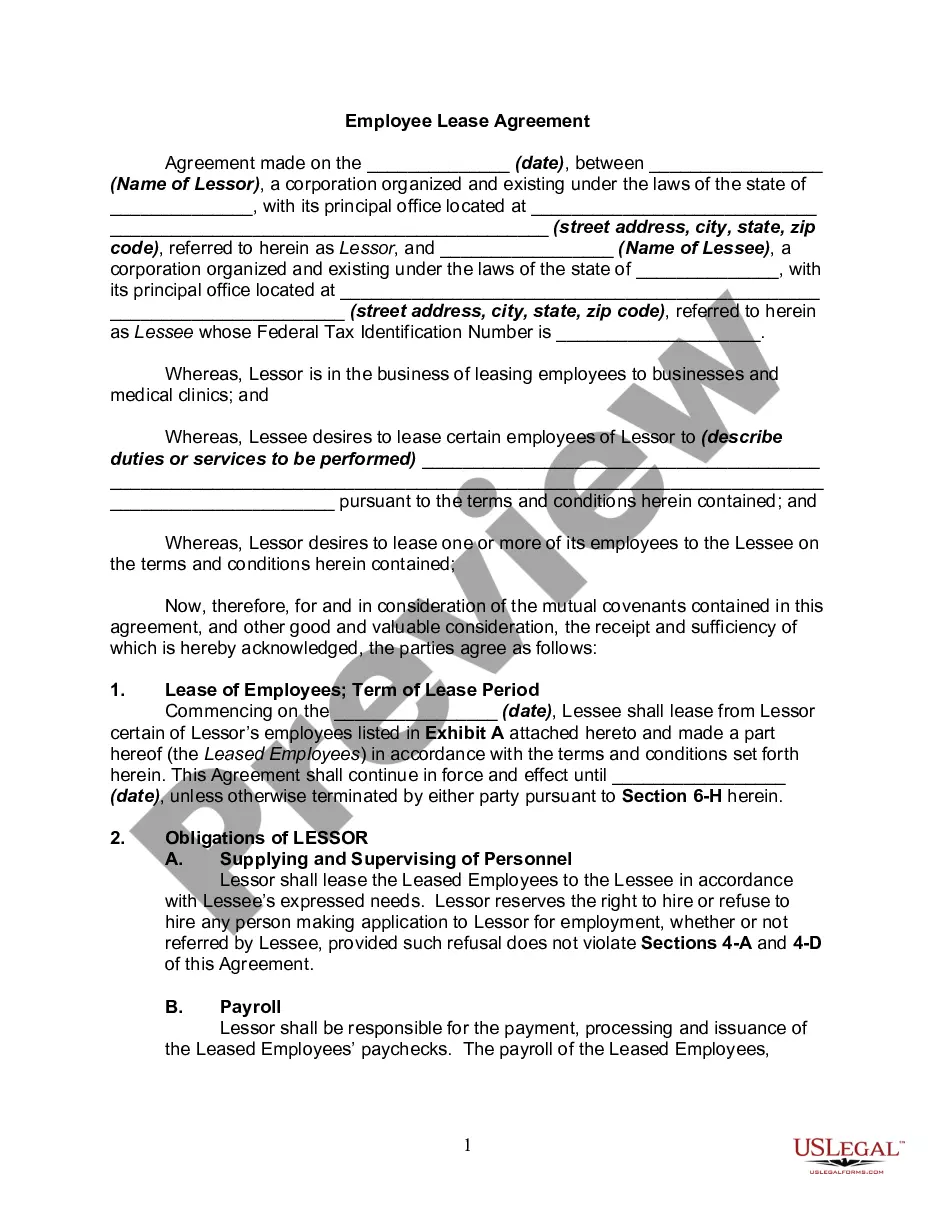
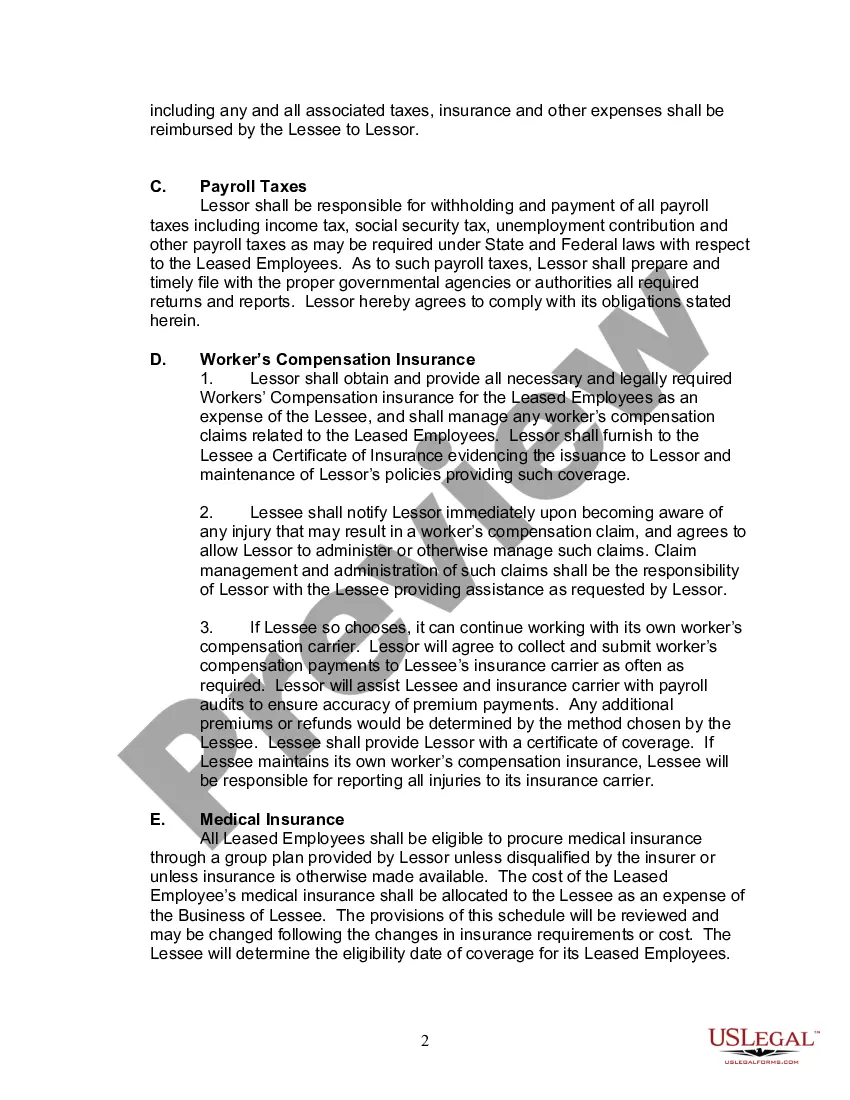
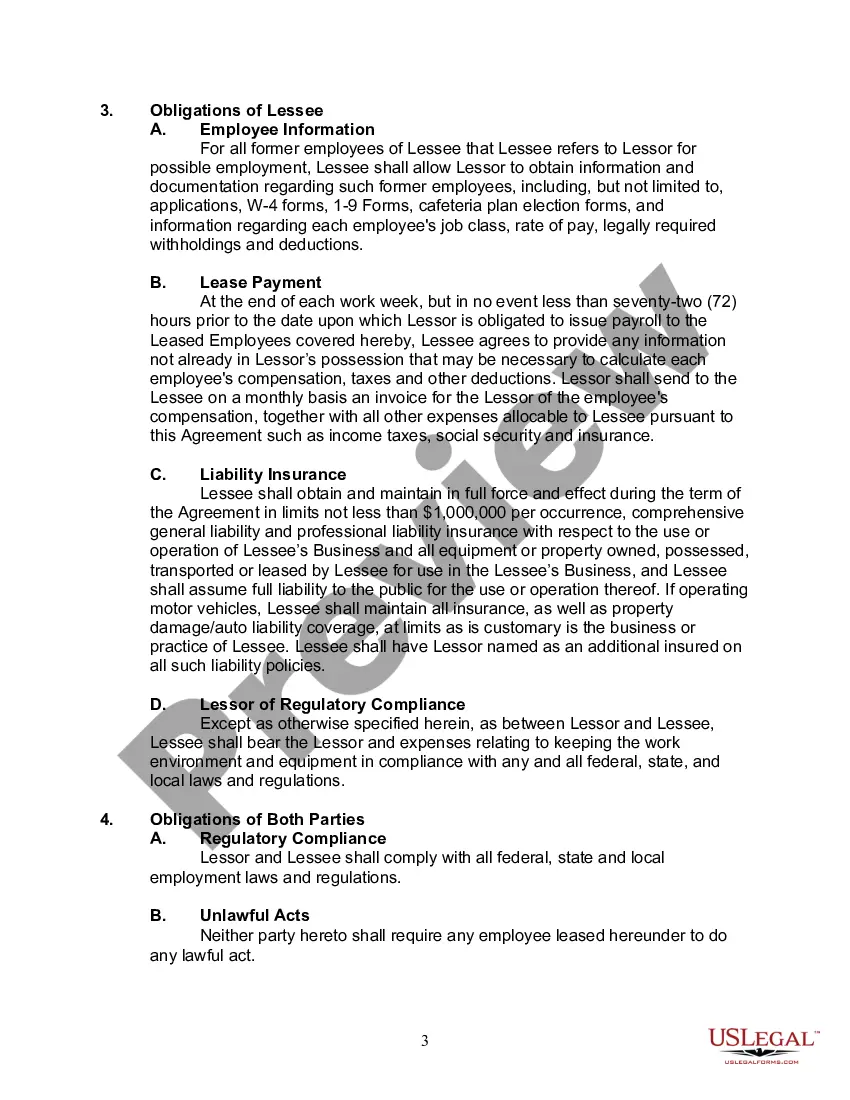
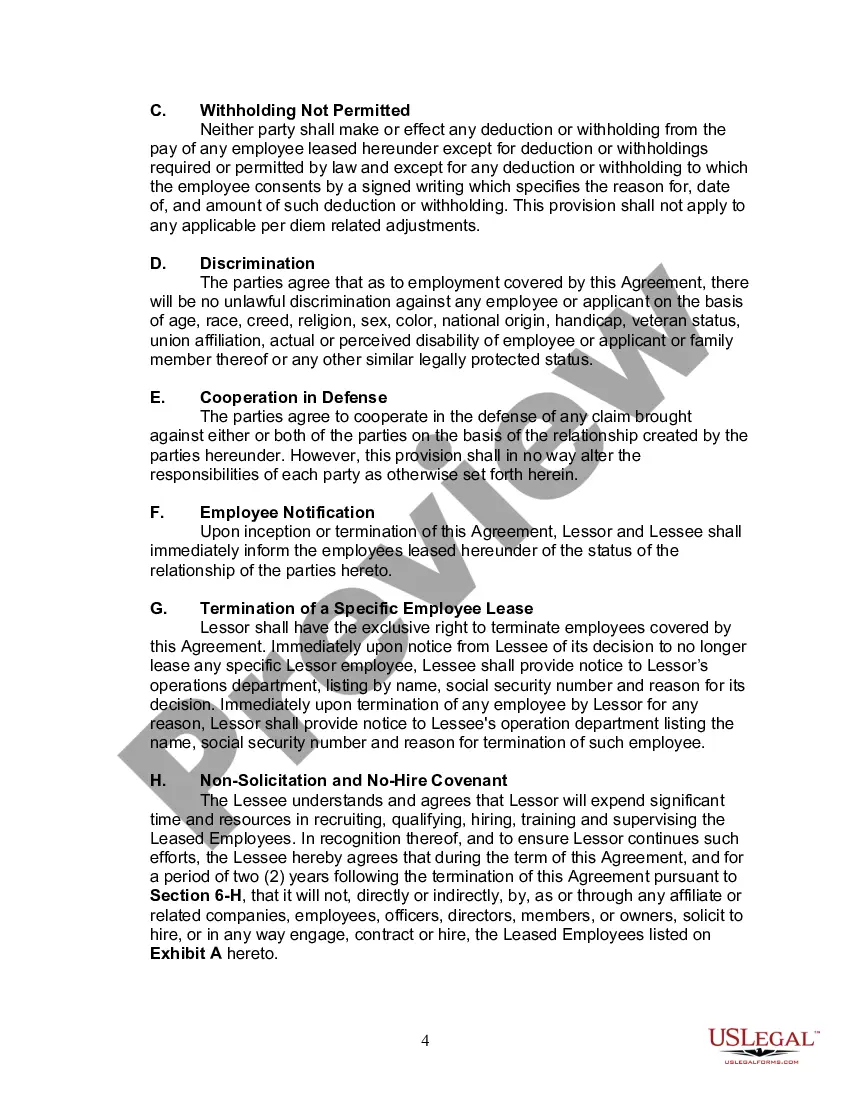
Get your form ready online
Our built-in tools help you complete, sign, share, and store your documents in one place.
Make edits, fill in missing information, and update formatting in US Legal Forms—just like you would in MS Word.
Download a copy, print it, send it by email, or mail it via USPS—whatever works best for your next step.
Sign and collect signatures with our SignNow integration. Send to multiple recipients, set reminders, and more. Go Premium to unlock E-Sign.
If this form requires notarization, complete it online through a secure video call—no need to meet a notary in person or wait for an appointment.
We protect your documents and personal data by following strict security and privacy standards.

Make edits, fill in missing information, and update formatting in US Legal Forms—just like you would in MS Word.

Download a copy, print it, send it by email, or mail it via USPS—whatever works best for your next step.

Sign and collect signatures with our SignNow integration. Send to multiple recipients, set reminders, and more. Go Premium to unlock E-Sign.

If this form requires notarization, complete it online through a secure video call—no need to meet a notary in person or wait for an appointment.

We protect your documents and personal data by following strict security and privacy standards.
Looking for another form?
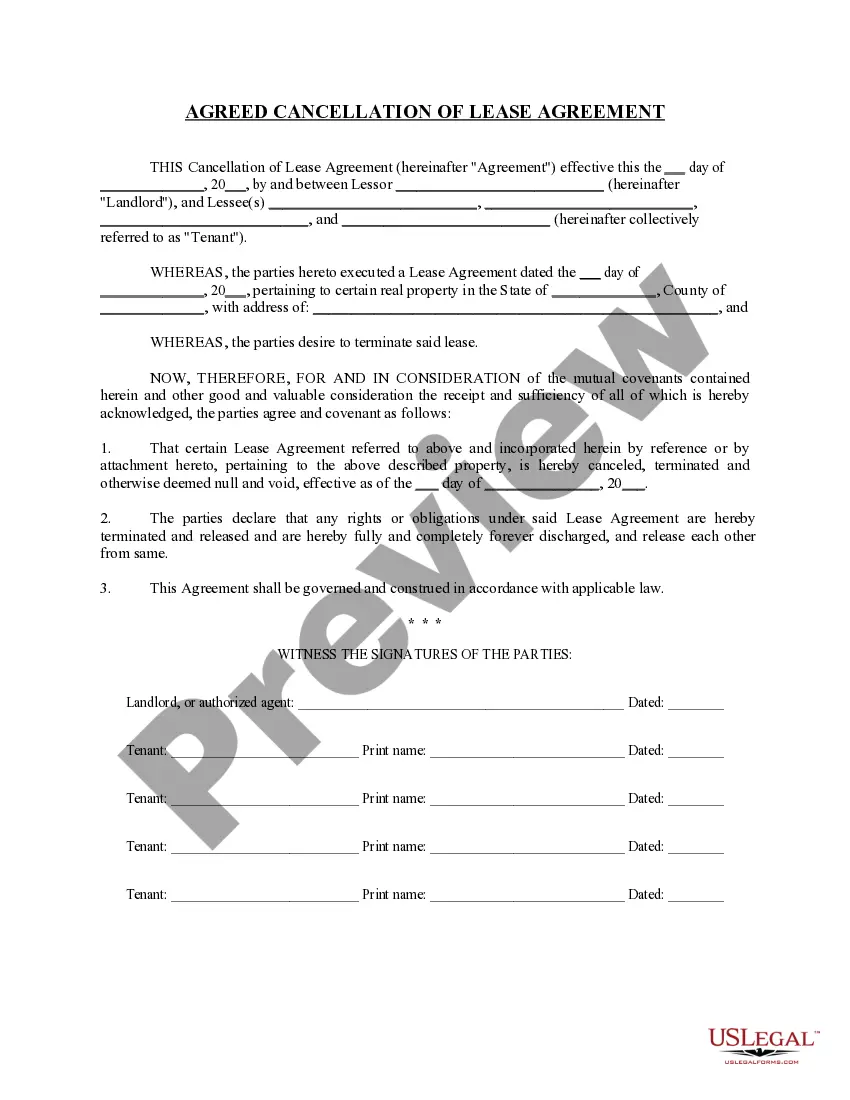
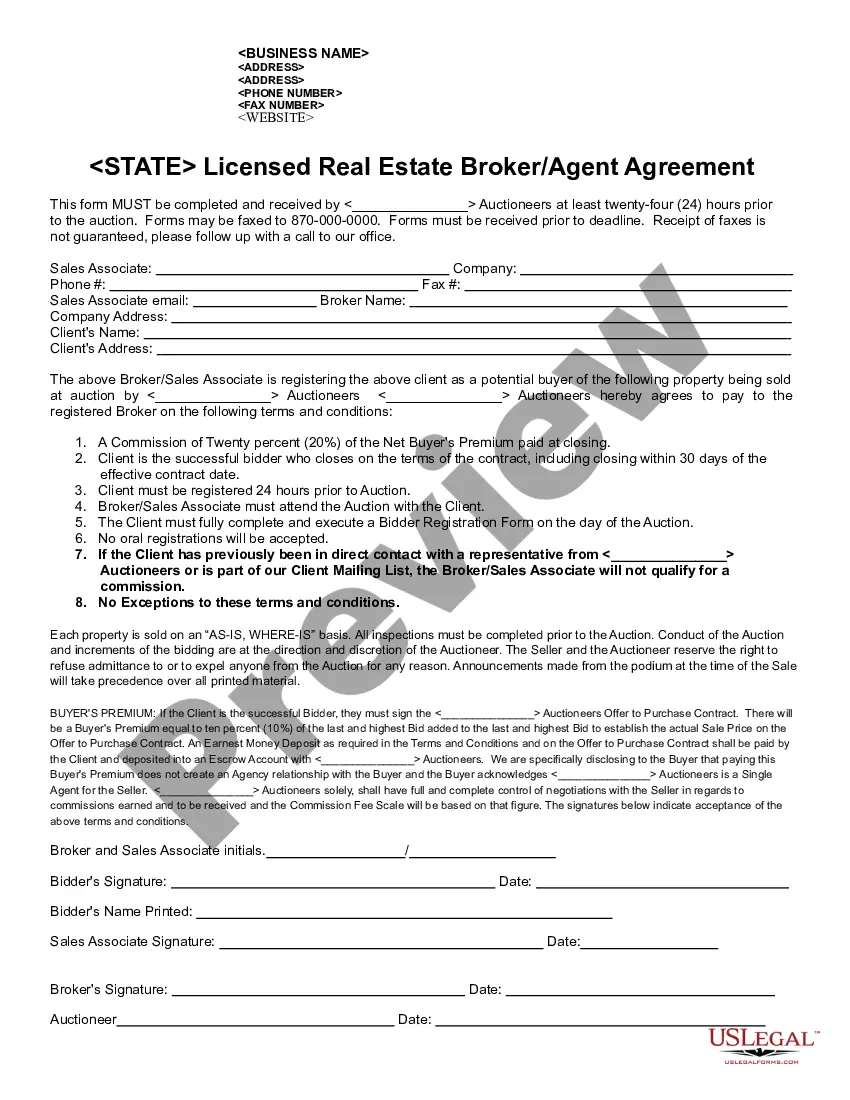
Form popularity
FAQ
Ask the landlord what companies they're contracted with for utilities, ie do they use the city or a private company, what internet companies have lines to the building, ect. The easiest and cheapest thing to do is to ask them what's already hooked up and just use that.
For many types of multi-tenant office buildings, especially buildings that share common areas and HVAC systems, it can be more common to have the landlord contract for both utilities and janitorial expenses, and then include those expenses as part of the lease rate or through the operating expenses or NNN.
You can even contact the public utilities directly if you're diligent. Provide the address of the apartment for rent, and the utility will approximate your monthly charges. Once you sign a lease, contact all the utilities and arrange for service at least a week in advance of your move-in date.
Before a tenant signs a lease agreement, they need to review it to determine which utilities they're responsible for paying. As for water and other utilities, California doesn't provide any requirements. However, tenants have specific rights in this regard.
While notarization can enhance a lease's security by adding authenticity and preventing fraud, many states do not mandate it for standard residential leases. For example, California does not require lease notarization, while other states like Ohio may have different requirements.
Handwritten contracts are legally binding if they meet the necessary conditions that apply to all contracts: mutual agreement, capacity, consideration, and legal validity. There are no legal differences between typed and handwritten agreements when it comes to enforceability.
Does a Lease Need to Be Notarized in Illinois? No, Illinois lease laws do not require that an Illinois Rental Agreement be notarized. The Lease just needs to be signed by both the Landlord, the lessor, and the Tenant, the lessee.
The Illinois standard residential lease agreement is a contract that creates a legally binding rental arrangement between a landlord and their tenant. These agreements are for a fixed period of time, and they outline all the necessary rights and obligations of the parties to help avoid any conflicts or legal disputes.