Wrongful Possession Of A Controlled Substance In Wake
Description


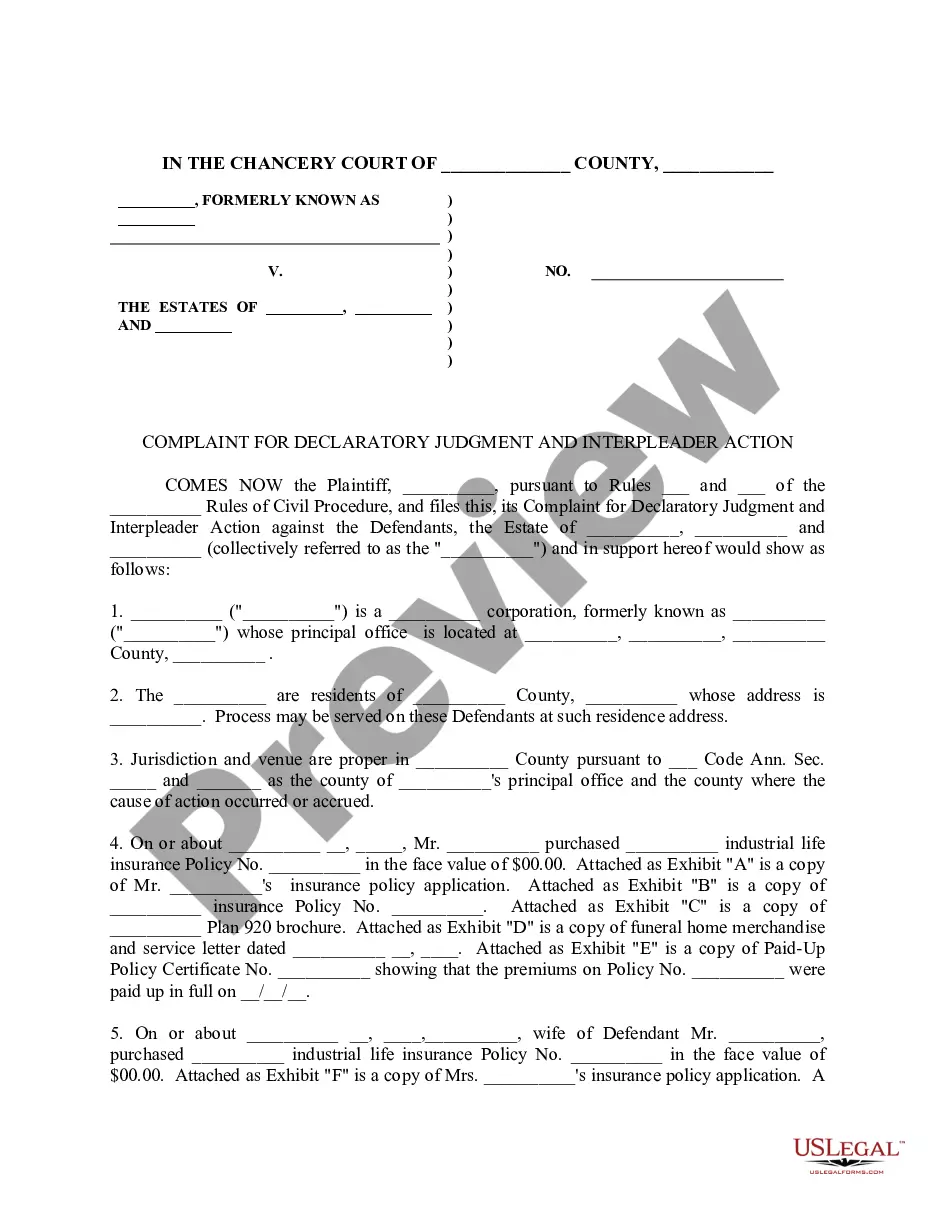
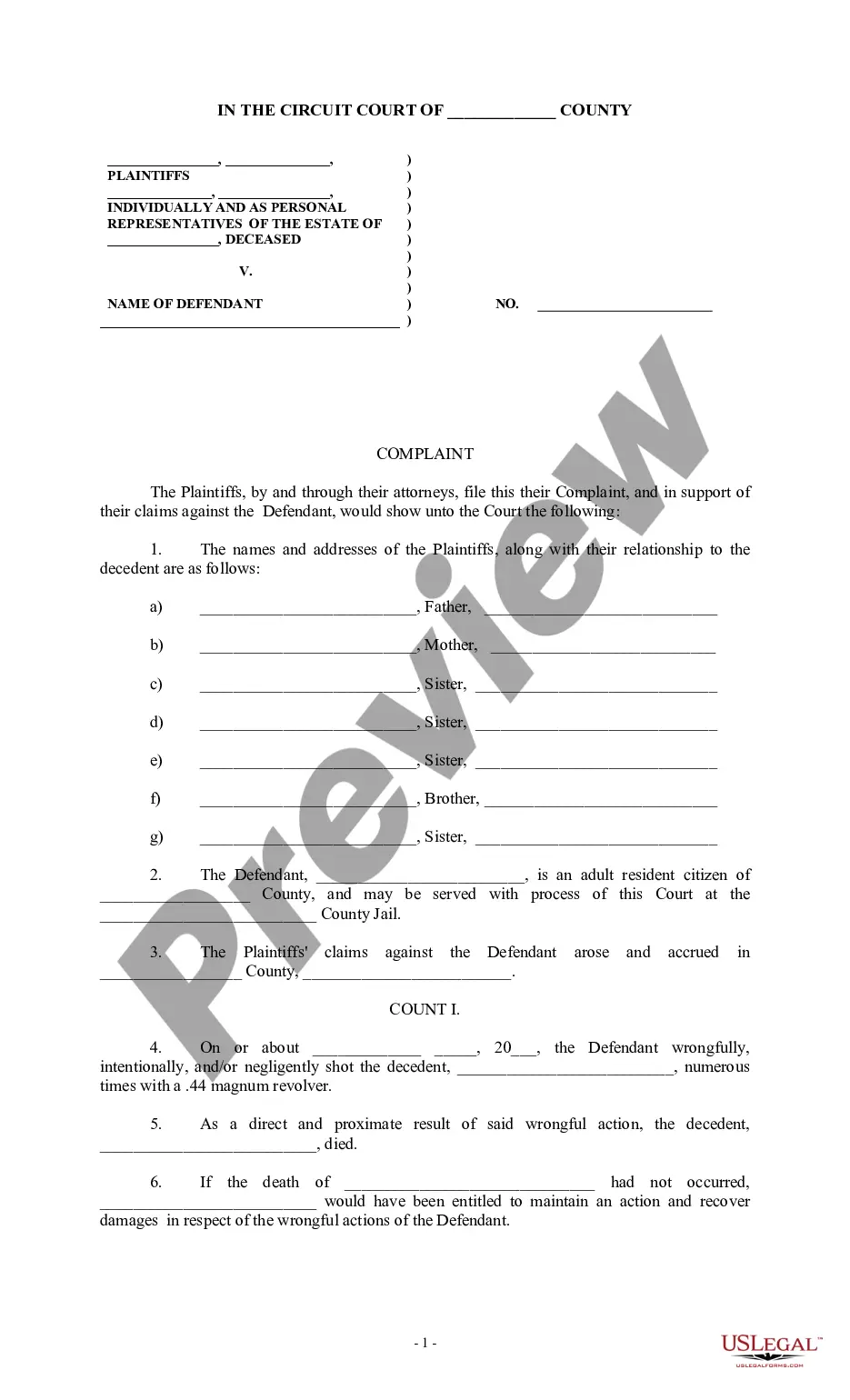
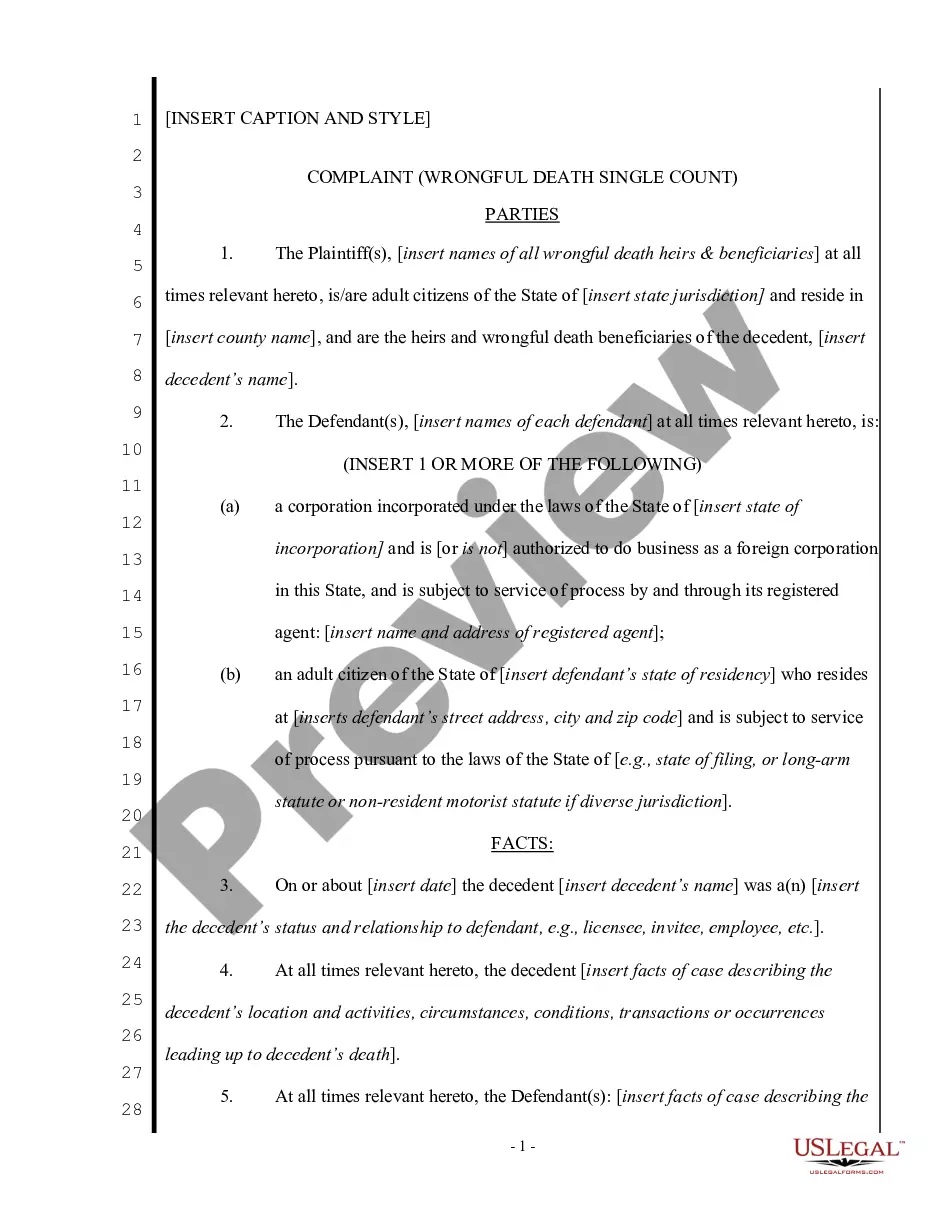
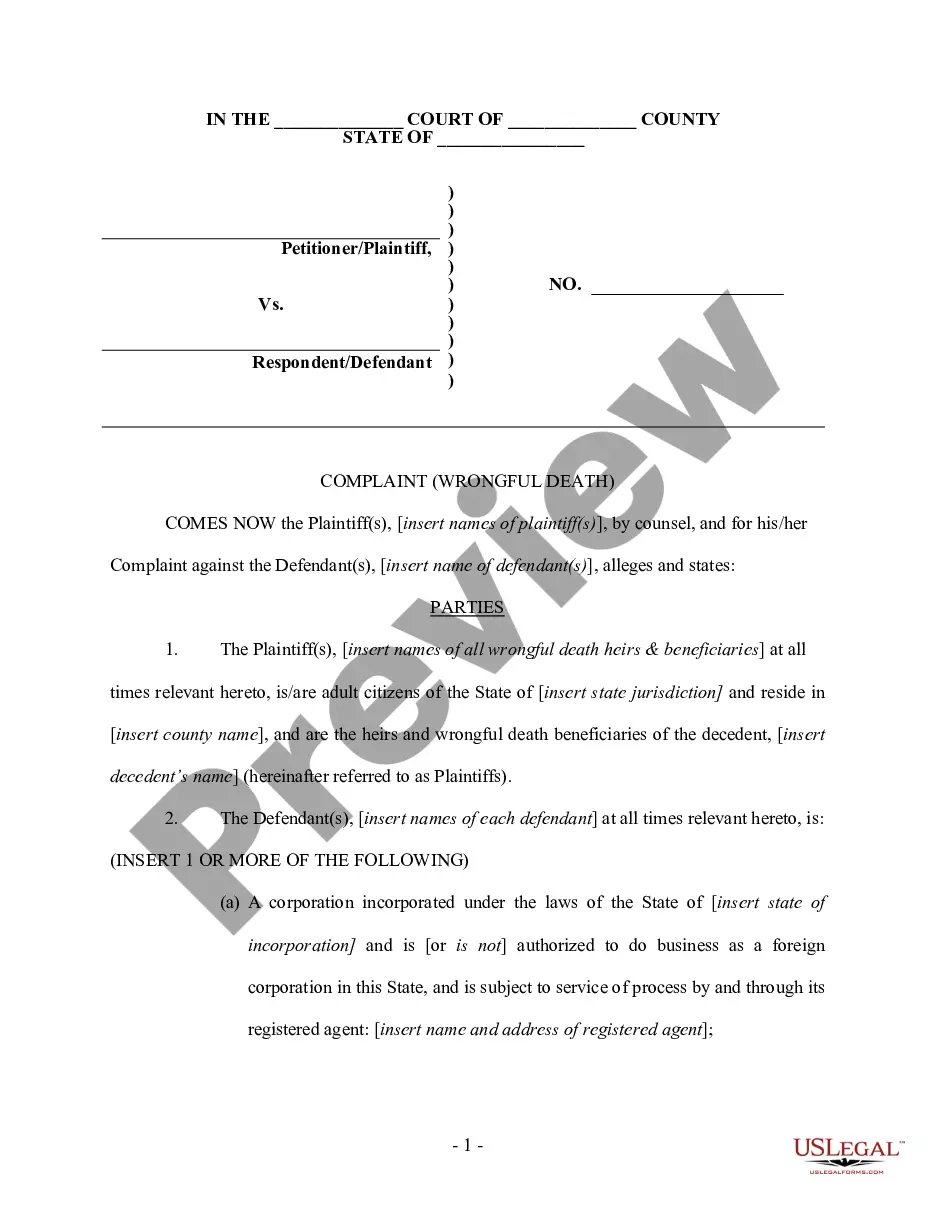
Get your form ready online
Our built-in tools help you complete, sign, share, and store your documents in one place.
Make edits, fill in missing information, and update formatting in US Legal Forms—just like you would in MS Word.
Download a copy, print it, send it by email, or mail it via USPS—whatever works best for your next step.
Sign and collect signatures with our SignNow integration. Send to multiple recipients, set reminders, and more. Go Premium to unlock E-Sign.
If this form requires notarization, complete it online through a secure video call—no need to meet a notary in person or wait for an appointment.
We protect your documents and personal data by following strict security and privacy standards.

Make edits, fill in missing information, and update formatting in US Legal Forms—just like you would in MS Word.

Download a copy, print it, send it by email, or mail it via USPS—whatever works best for your next step.

Sign and collect signatures with our SignNow integration. Send to multiple recipients, set reminders, and more. Go Premium to unlock E-Sign.

If this form requires notarization, complete it online through a secure video call—no need to meet a notary in person or wait for an appointment.

We protect your documents and personal data by following strict security and privacy standards.
Looking for another form?



Form popularity
FAQ
Wrongful Introduction With Intent To Distribute – For wrongful introduction to occur, the prosecution must prove that the accused introduced a specific amount of a controlled substance to (an aircraft) (a vessel) (a vehicle) (an installation) used by the armed forces or under the control of the armed forces.
The Federal Comprehensive Drug Abuse Prevention and Control Act of 1970, more commonly known as the Controlled Substances Act, became effective on . This federal law contains 3 different titles.
Federal law prohibits the unlawful manufacturing, distribution, use, and possession of controlled substances. Penalties depend on various factors, including the type and amount of the drug involved, and whether there is intent to distribute.
Under 21 U.S.C. § 844, simple possession refers to the unlawful possession of a controlled substance for personal use, without the intent to distribute. This statute is a key component of federal drug possession laws, focusing on the personal use of substances rather than distribution or trafficking.
Illinois law generally classifies possession offenses as felonies, with the severity determined by the Schedule of the controlled substance involved. Class 4 Felony: Possession of a small amount of a Schedule I or II controlled substance.
In North Carolina, there are two main types of drug possession charges: simple possession and possession with intent to manufacture, sell, or deliver. Simple possession of most drugs is a misdemeanor, while possession with intent to manufacture, sell, or deliver is a felony.
Thomas, 65 M.J. 132 (Article 112a, UCMJ, provides that any person subject to the UCMJ who wrongfully uses, possesses, or introduces into an installation used by or under the control of the armed forces a controlled substance shall be punished as a court-martial may direct; the statute does not define the term wrongful; ...
Schedule I drugs, substances, or chemicals are defined as drugs with no currently accepted medical use and a high potential for abuse. Some examples of Schedule I drugs are: heroin, lysergic acid diethylamide (LSD), marijuana (cannabis), 3,4-methylenedioxymethamphetamine (ecstasy), methaqualone, and peyote.
For example, you might be arrested for attempted possession of a controlled substance if you are caught trying to buy drugs from a drug dealer, but the drug dealer does not actually give you the drugs.
