Sale Goods With Forge In Arizona
Description


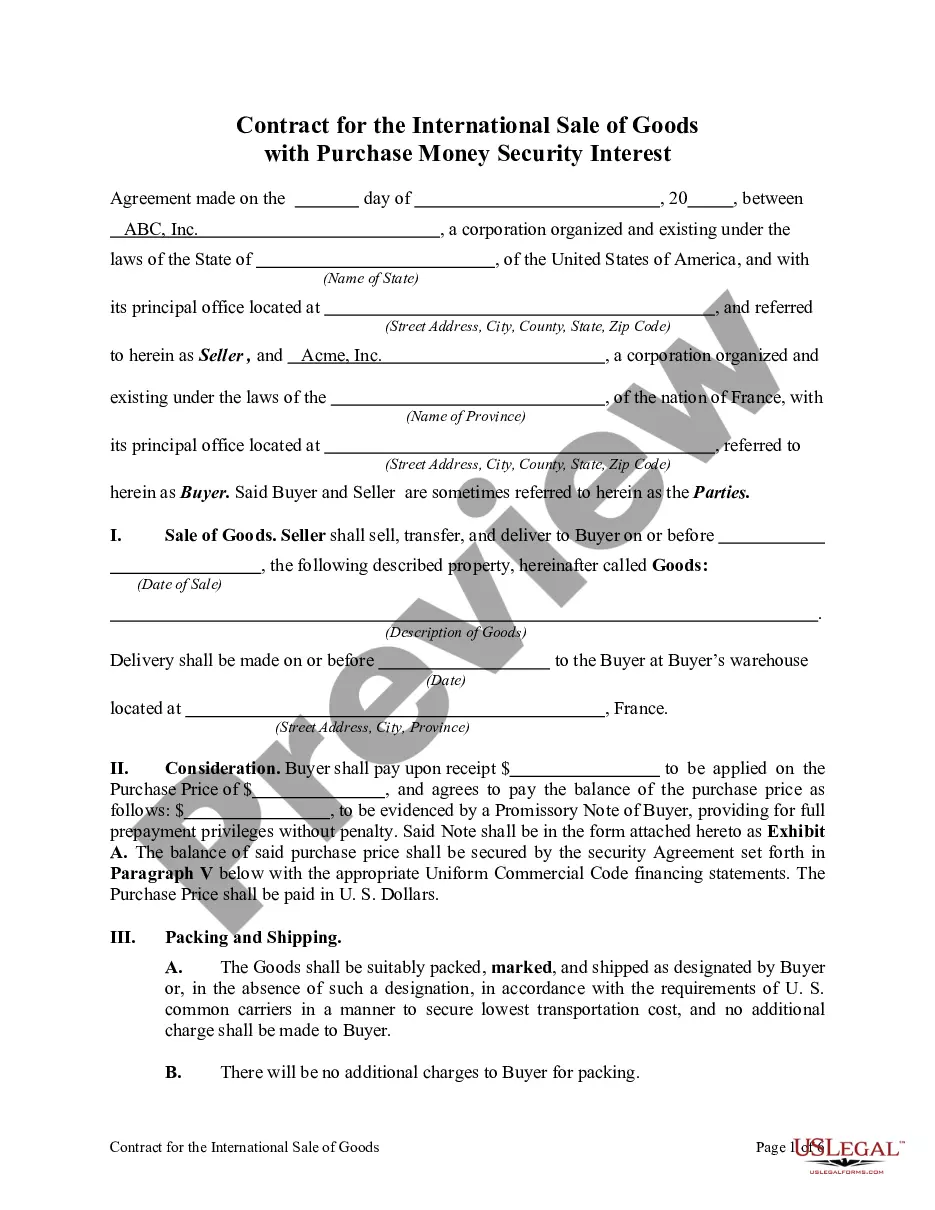
Get your form ready online
Our built-in tools help you complete, sign, share, and store your documents in one place.
Make edits, fill in missing information, and update formatting in US Legal Forms—just like you would in MS Word.
Download a copy, print it, send it by email, or mail it via USPS—whatever works best for your next step.
Sign and collect signatures with our SignNow integration. Send to multiple recipients, set reminders, and more. Go Premium to unlock E-Sign.
If this form requires notarization, complete it online through a secure video call—no need to meet a notary in person or wait for an appointment.
We protect your documents and personal data by following strict security and privacy standards.

Make edits, fill in missing information, and update formatting in US Legal Forms—just like you would in MS Word.

Download a copy, print it, send it by email, or mail it via USPS—whatever works best for your next step.

Sign and collect signatures with our SignNow integration. Send to multiple recipients, set reminders, and more. Go Premium to unlock E-Sign.

If this form requires notarization, complete it online through a secure video call—no need to meet a notary in person or wait for an appointment.

We protect your documents and personal data by following strict security and privacy standards.
Looking for another form?
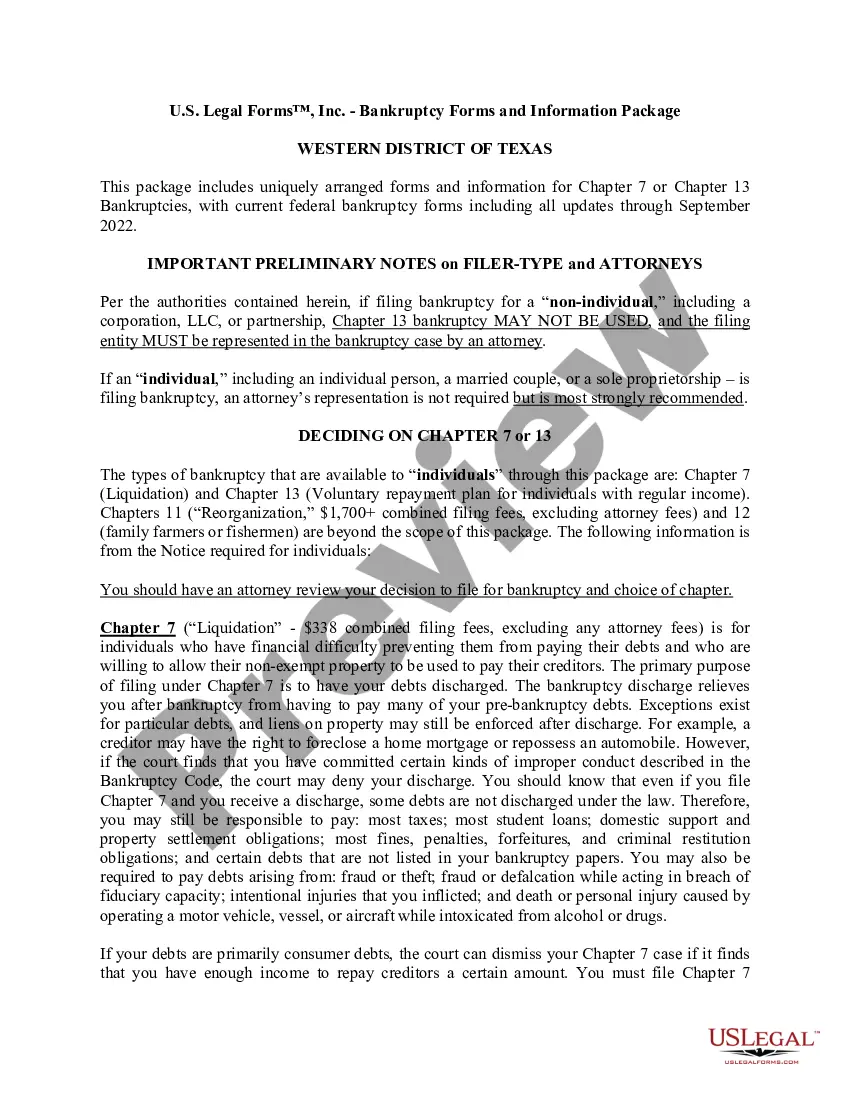

Form popularity
FAQ
Blacksmithing Classes We will get familiarized with both coal and propane forges as we delve into the 7 fundamental skills of blacksmithing: drawing out, upsetting, flaring, punching, splitting and forge welding.
The main tools you'll need to get started are a forge, an anvil, a vise, a hammer and tongs. One of the great things about blacksmithing is that you can make many of the tools yourself, as you go.
Once the blacksmith has heated the metal enough so that it is malleable, he hammers on it to create the shape he is looking for. This is not a split-second process. He heats, hammers, and shapes. Heats, hammers, and shapes. Over time, the metal begins to reflect the shape that the blacksmith desires.
The blacksmith's essential equipment consists of a forge, or furnace, in which smelted iron is heated so that it can be worked easily; an anvil, a heavy, firmly secured, steel-surfaced block upon which the piece of iron is worked; tongs to hold the iron on the anvil; and hammers, chisels, and other implements to cut, ...
The principal tools are hand hammers and sledgehammers, a great number and variety of chisels, punches and drifts and a selection of tongs with bits or jaws of various shapes.
Blacksmiths work by heating pieces of wrought iron or steel until the metal becomes soft enough for shaping with hand tools, such as a hammer, an anvil and a chisel. Heating generally takes place in a forge fueled by propane, natural gas, coal, charcoal, coke, or oil.
To get started with blacksmithing, the main tools you'll need are a forge, an anvil, a vice, hammers, and tongs.
Transaction Privilege Tax License – A transaction privilege tax (TPT) license (commonly referred to as a sales tax, resale, wholesale, vendor or tax license) is required for businesses selling a product or engaging in a service subject to transaction privilege tax in the state.
Generally YES, in most cases you will need a business license. Arizona imposes a “transaction privilege tax” or TPT on the privilege of doing business in the State of Arizona.
Do I Need an LLC? If you are making and selling handmade products yourself, you are a sole proprietor—any profits you make you include on your personal income tax form. However, there is no liability protection as a sole proprietor. If someone is injured and wants to sue, they can go after you personally.
