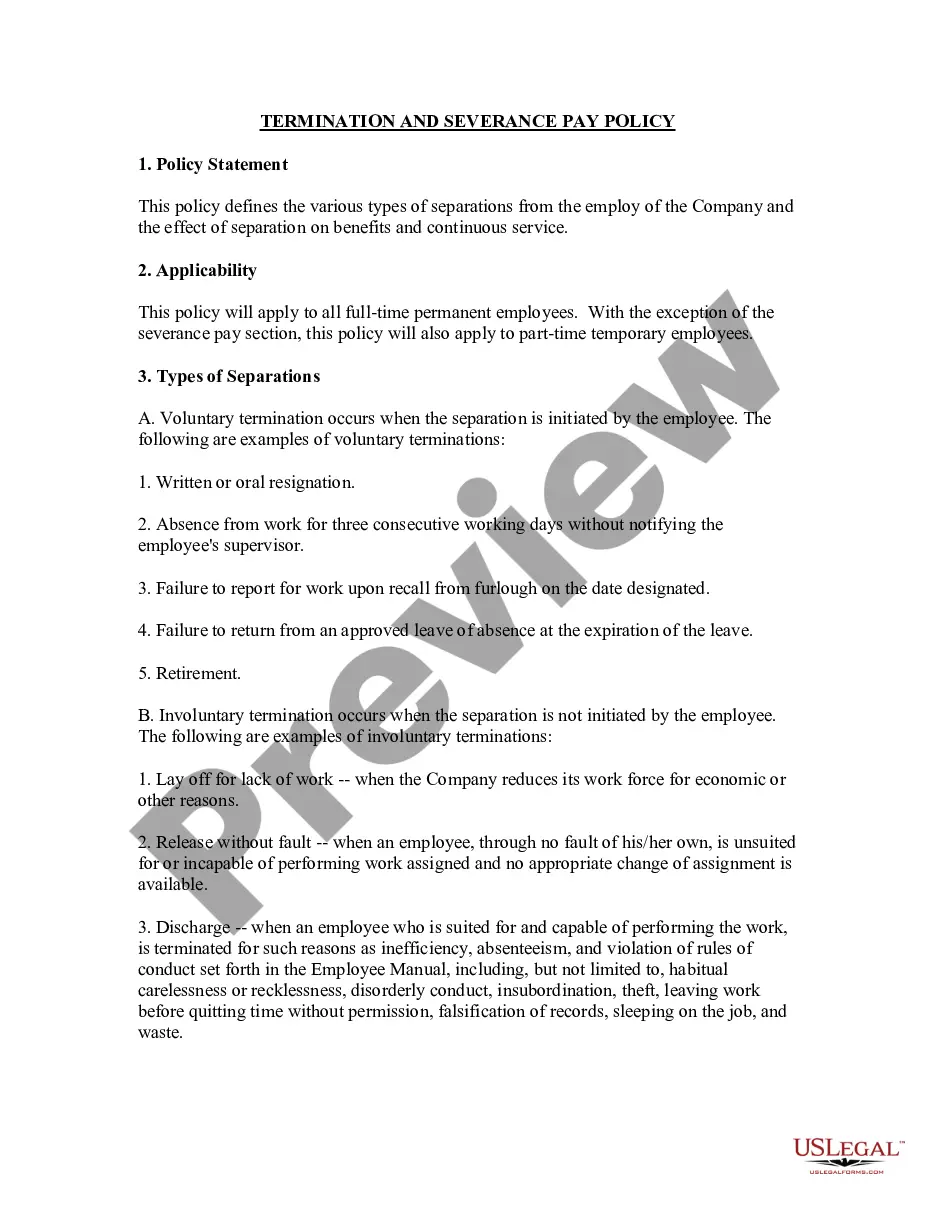
Title Vii And Eeoc In Broward
Description




Get your form ready online
Our built-in tools help you complete, sign, share, and store your documents in one place.
Make edits, fill in missing information, and update formatting in US Legal Forms—just like you would in MS Word.
Download a copy, print it, send it by email, or mail it via USPS—whatever works best for your next step.
Sign and collect signatures with our SignNow integration. Send to multiple recipients, set reminders, and more. Go Premium to unlock E-Sign.
If this form requires notarization, complete it online through a secure video call—no need to meet a notary in person or wait for an appointment.
We protect your documents and personal data by following strict security and privacy standards.

Make edits, fill in missing information, and update formatting in US Legal Forms—just like you would in MS Word.

Download a copy, print it, send it by email, or mail it via USPS—whatever works best for your next step.

Sign and collect signatures with our SignNow integration. Send to multiple recipients, set reminders, and more. Go Premium to unlock E-Sign.

If this form requires notarization, complete it online through a secure video call—no need to meet a notary in person or wait for an appointment.

We protect your documents and personal data by following strict security and privacy standards.
Looking for another form?



Form popularity
FAQ
How to File A Complaint The name, address, and telephone number of the person who is being treated unfairly; The name, address, and telephone number of the employer you are filing the complaint against; A brief description of the event or events that you believe are unfair or harassing; and.
An equal opportunity employer statement is a paragraph or two declaring a company's commitment to providing equal employment opportunities for all applicants and employees, regardless of race, religion, gender, national origin, age, disability, marital status, or veteran status.
Example 1) “We're an equal opportunity employer. All applicants will be considered for employment without attention to race, color, religion, s ex, s exual orientation, gender identity, national origin, veteran or disability status.”
Title VII of the Civil Rights Act of 1964 also creates the U.S. Equal Employment Opportunity Commission (EEOC), a five-member, bipartisan commission whose mission is to eliminate unlawful employment discrimination.
The position statement should clearly explain the Respondent's version of the facts and identify the specific documents and witnesses supporting its position. A well drafted position statement can help EEOC accelerate the investigation and limit requests for additional information.
EEOC complaints can lead to legal, financial, and reputational consequences for employers, often involving costly investigations and potential lawsuits. Employers are subject to strict timelines and compliance rules once an EEOC complaint is filed, including prohibitions on document destruction.
When the EEOC finds an employer guilty, they may attempt conciliation to negotiate changes in procedures and remedies for those affected; if unsuccessful, the victim may file a lawsuit or request the EEOC to file one on their behalf.
Q: What Are the Chances of Winning an EEOC Case? A: The EEOC has a very high success rate when it comes to court decisions, reaching favorable outcomes in nearly 96% of all district court cases stemming from EEOC complaints.
A: The EEOC has a very high success rate when it comes to court decisions, reaching favorable outcomes in nearly 96% of all district court cases stemming from EEOC complaints. If the EEOC investigates your claim and determines you have a case, you will still need to proceed with your lawsuit.