Advocate For Client In Santa Clara
Description

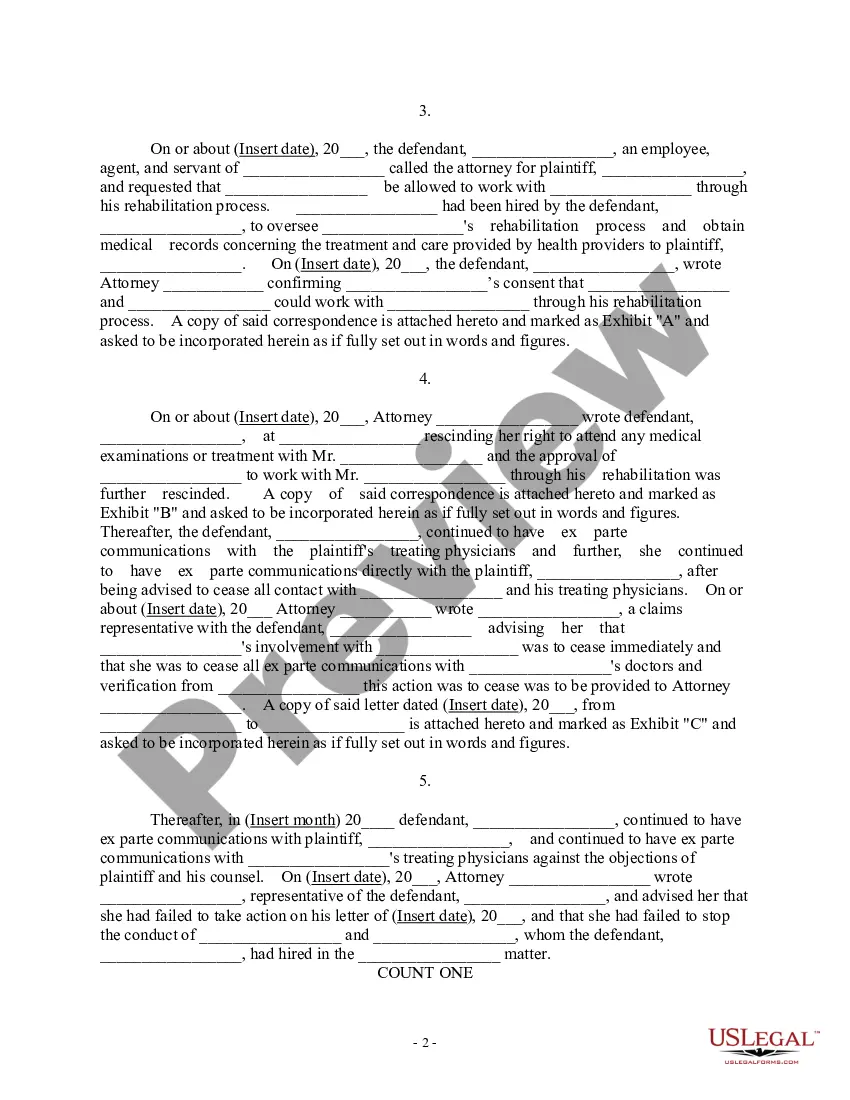
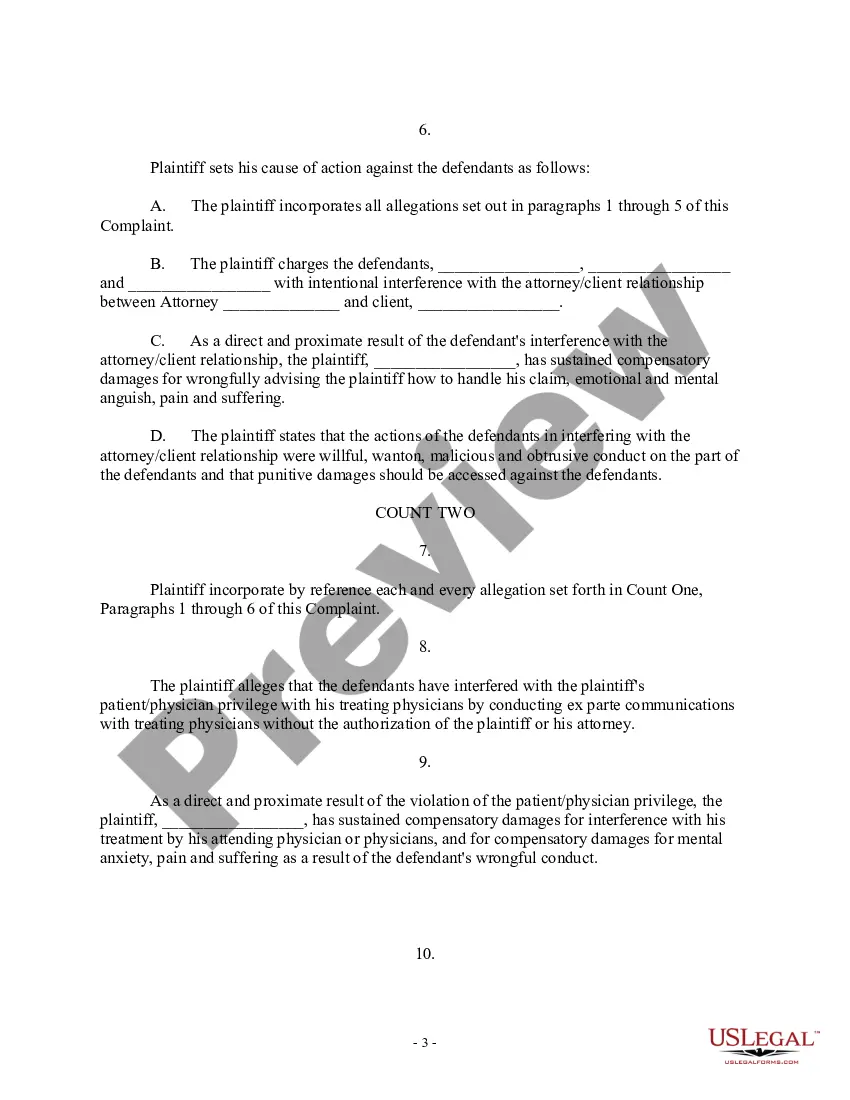
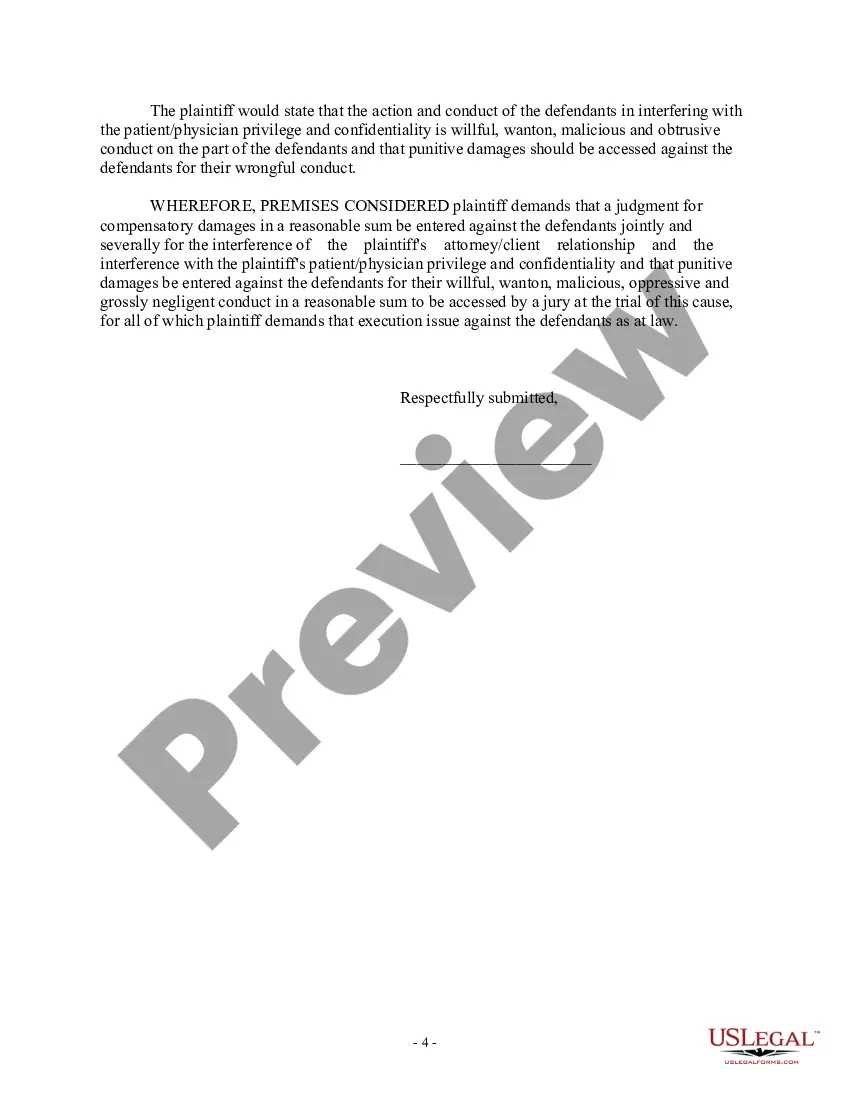





Get your form ready online
Our built-in tools help you complete, sign, share, and store your documents in one place.
Make edits, fill in missing information, and update formatting in US Legal Forms—just like you would in MS Word.
Download a copy, print it, send it by email, or mail it via USPS—whatever works best for your next step.
Sign and collect signatures with our SignNow integration. Send to multiple recipients, set reminders, and more. Go Premium to unlock E-Sign.
If this form requires notarization, complete it online through a secure video call—no need to meet a notary in person or wait for an appointment.
We protect your documents and personal data by following strict security and privacy standards.

Make edits, fill in missing information, and update formatting in US Legal Forms—just like you would in MS Word.

Download a copy, print it, send it by email, or mail it via USPS—whatever works best for your next step.

Sign and collect signatures with our SignNow integration. Send to multiple recipients, set reminders, and more. Go Premium to unlock E-Sign.

If this form requires notarization, complete it online through a secure video call—no need to meet a notary in person or wait for an appointment.

We protect your documents and personal data by following strict security and privacy standards.
Looking for another form?
Form popularity
FAQ
In California, there are currently no state licenses, requirements or accreditation for these positions. However, there are a number of patient advocacy certificate programs offered online and through universities across the United States.
Who pays for Independent Patient Advocates? Independent Patient Advocates are not yet covered by health insurance. They are hired directly by patients and their loved ones to provide individualized guidance and support that the traditional healthcare system is not equipped to handle.
It's important to advocate for your own healthcare needs and to ensure that your concerns are taken seriously. If you feel that your complaints are not being properly addressed, you may also consider seeking advice from a patient advocacy organization or a legal professional to help you navigate the situation.
The overall goal of a patient advocate is to provide patients and caregivers with the support and education they need so they can make their own decisions about their next steps. Advocates have the patient's back (like a “wingman”) and help make their journey through the health care system as smooth as possible.
Nursing, health-related programs, business, social work, and social science tend to be the preferred degrees by employers looking for patient advocate candidates.
For example, you might help a client fill out an application for housing assistance, accompany a client to a court hearing, or negotiate with a landlord on behalf of a client. Micro-level advocacy requires skills such as communication, negotiation, problem-solving, and empathy.
Duties and Authority of Patients' Rights Advocates To receive and investigate complaints from or concerning patients about violations or abuse of their rights. To monitor mental health facilities, services, and programs for compliance with patients' rights laws, regulations, and policies.