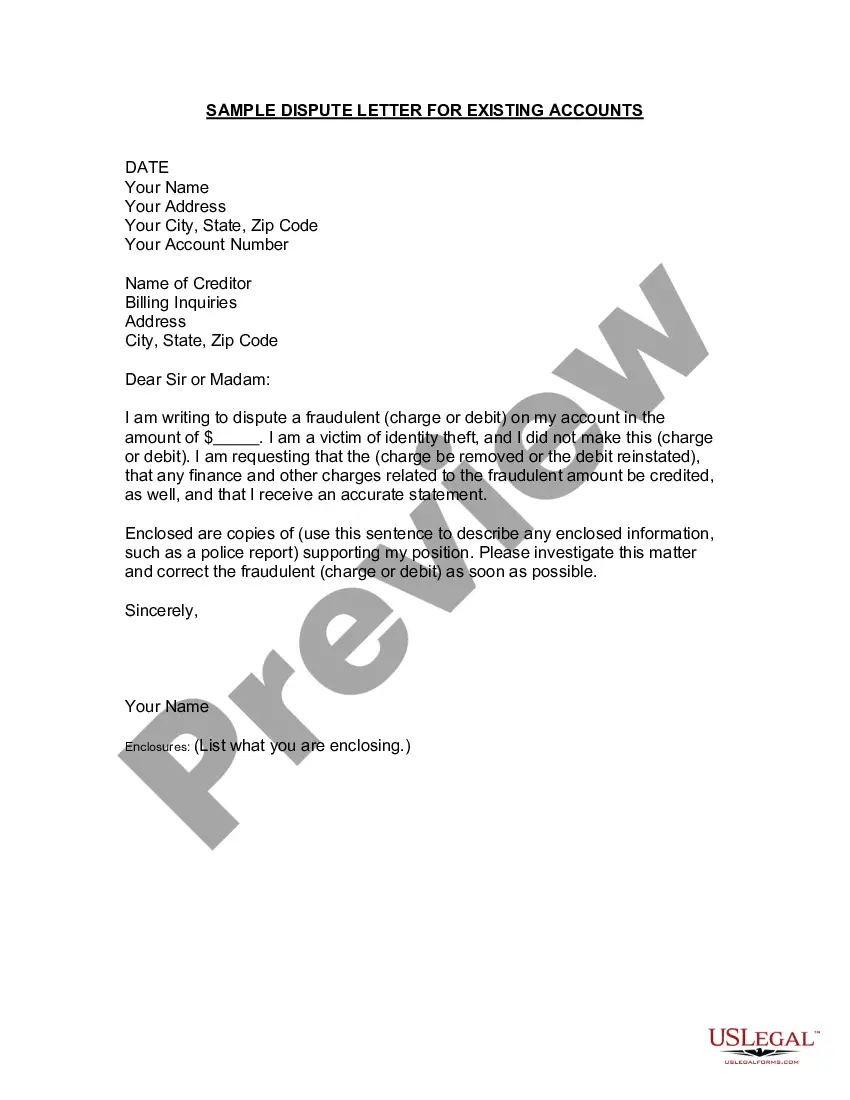
Advocate For Client In Queens
Description





Get your form ready online
Our built-in tools help you complete, sign, share, and store your documents in one place.
Make edits, fill in missing information, and update formatting in US Legal Forms—just like you would in MS Word.
Download a copy, print it, send it by email, or mail it via USPS—whatever works best for your next step.
Sign and collect signatures with our SignNow integration. Send to multiple recipients, set reminders, and more. Go Premium to unlock E-Sign.
If this form requires notarization, complete it online through a secure video call—no need to meet a notary in person or wait for an appointment.
We protect your documents and personal data by following strict security and privacy standards.

Make edits, fill in missing information, and update formatting in US Legal Forms—just like you would in MS Word.

Download a copy, print it, send it by email, or mail it via USPS—whatever works best for your next step.

Sign and collect signatures with our SignNow integration. Send to multiple recipients, set reminders, and more. Go Premium to unlock E-Sign.

If this form requires notarization, complete it online through a secure video call—no need to meet a notary in person or wait for an appointment.

We protect your documents and personal data by following strict security and privacy standards.
Looking for another form?





Form popularity
FAQ
4 steps to effective advocacy Step one: Ask, don't assume. Your child has come home to you upset about an incident at school and you are concerned about the report. Step two: Check your emotions. Step three: Define the issue. Step four: Collaborate and listen.
By definition, an advocate is a person who publicly supports or recommends a particular cause or policy.
As an example, parents often advocate for their child's needs at school. Formal individual advocacy often goes through organizations like government agencies or nonprofits. When someone is escaping domestic violence, organizations help with shelter, medical care, mental healthcare, financial assistance, and more.
As advisor, a lawyer provides a client with an informed understanding of the client's legal rights and obligations and explains their practical implications. As advocate, a lawyer zealously asserts the client's position under the rules of the adversary system.
When advocating for others, always strive to: be a good listener; be supportive; have all the necessary information; and be a good representative. You can begin practicing your advocacy skills right at home with your own family.
Your friend or family member can act as your attorney if you lose mental capacity. To do this, you need to appoint them under a lasting power of attorney. They don't have to be a lawyer to do this. But they do have to be over 18 and be someone you trust to make decisions for you.
The advocacy strategy in social work involves identifying issues, mobilizing resources, and engaging in activities that promote the rights and well-being of individuals and communities. It includes lobbying for policy changes, raising public awareness, and providing direct support.
Advise and represent clients in criminal or civil proceedings and in other legal matters. Communicate with clients, colleagues, judges, and others involved in a case. Conduct research and analysis of legal issues. Interpret laws, rulings, and regulations for individuals and businesses.
Social workers with strong advocacy skills can navigate these systems on behalf of their clients, ensuring access to essential services, benefits and resources. Promoting Social Change: Advocacy goes beyond individual client support; it involves addressing systemic issues and promoting broader social change.
The advocacy strategy in social work involves identifying issues, mobilizing resources, and engaging in activities that promote the rights and well-being of individuals and communities. It includes lobbying for policy changes, raising public awareness, and providing direct support.