Advocate For Client In Orange
Description

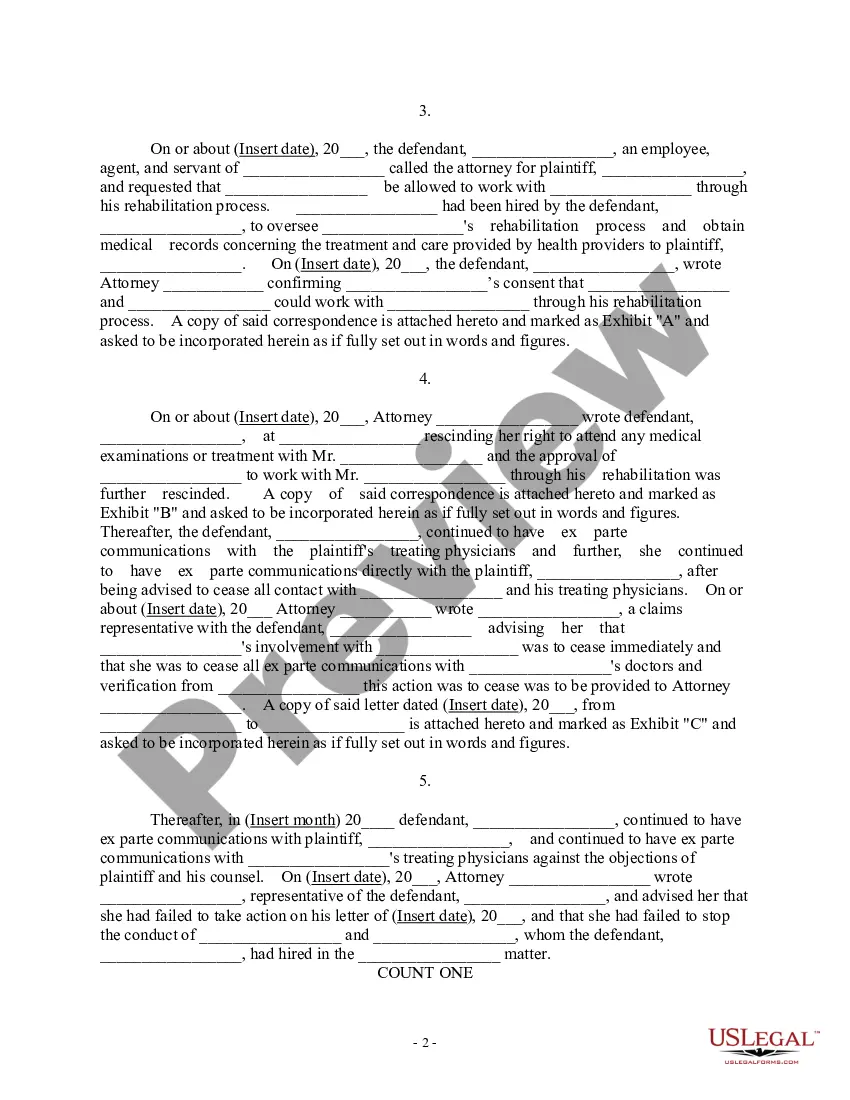
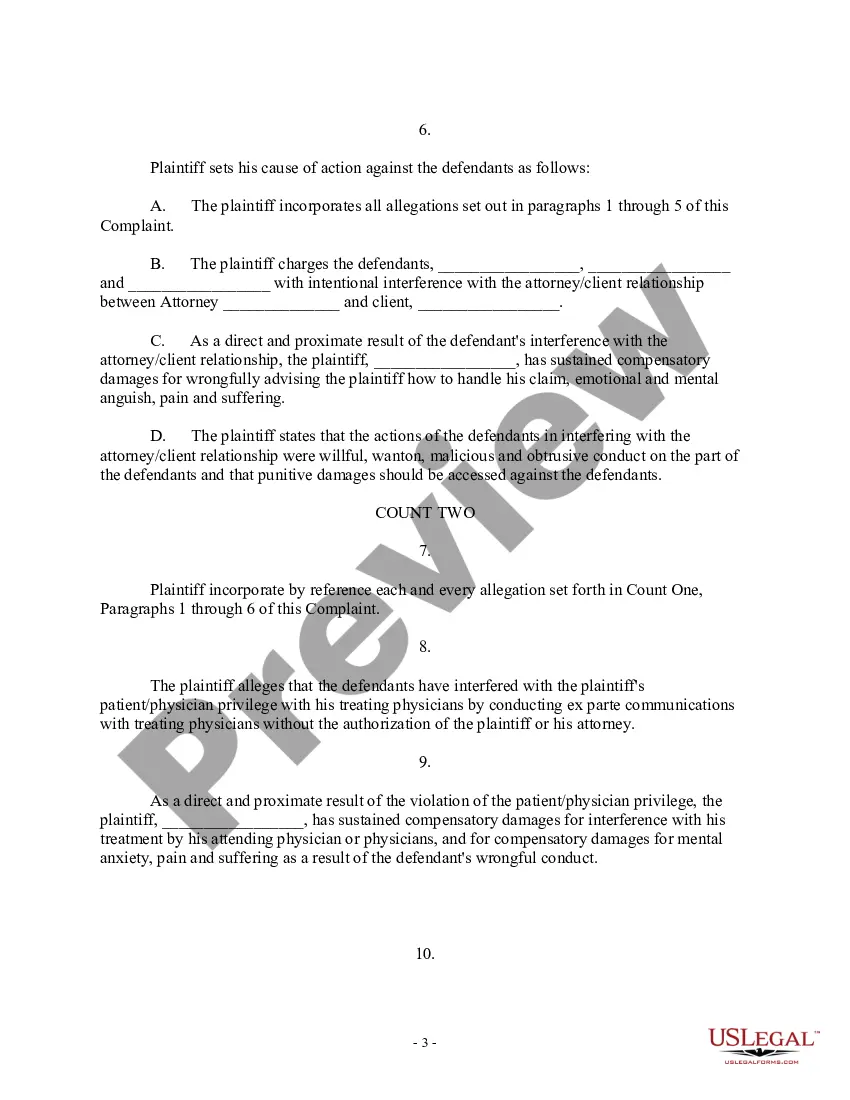
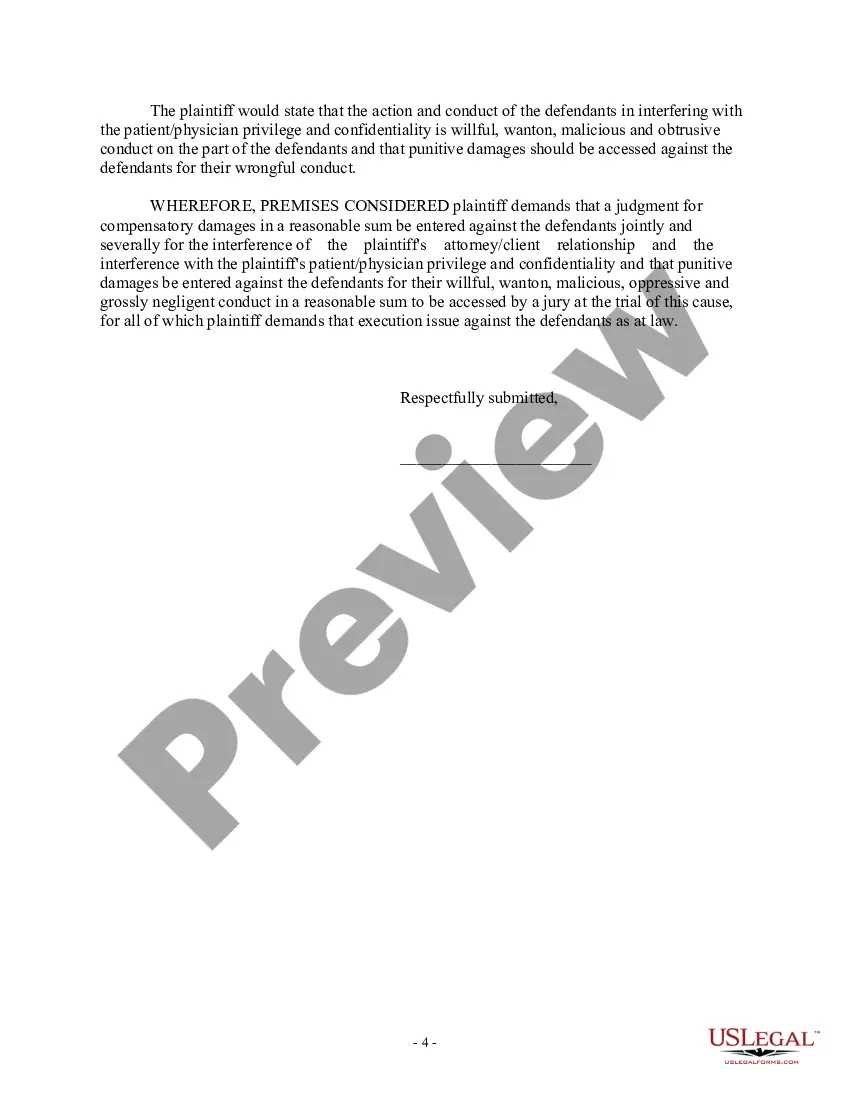

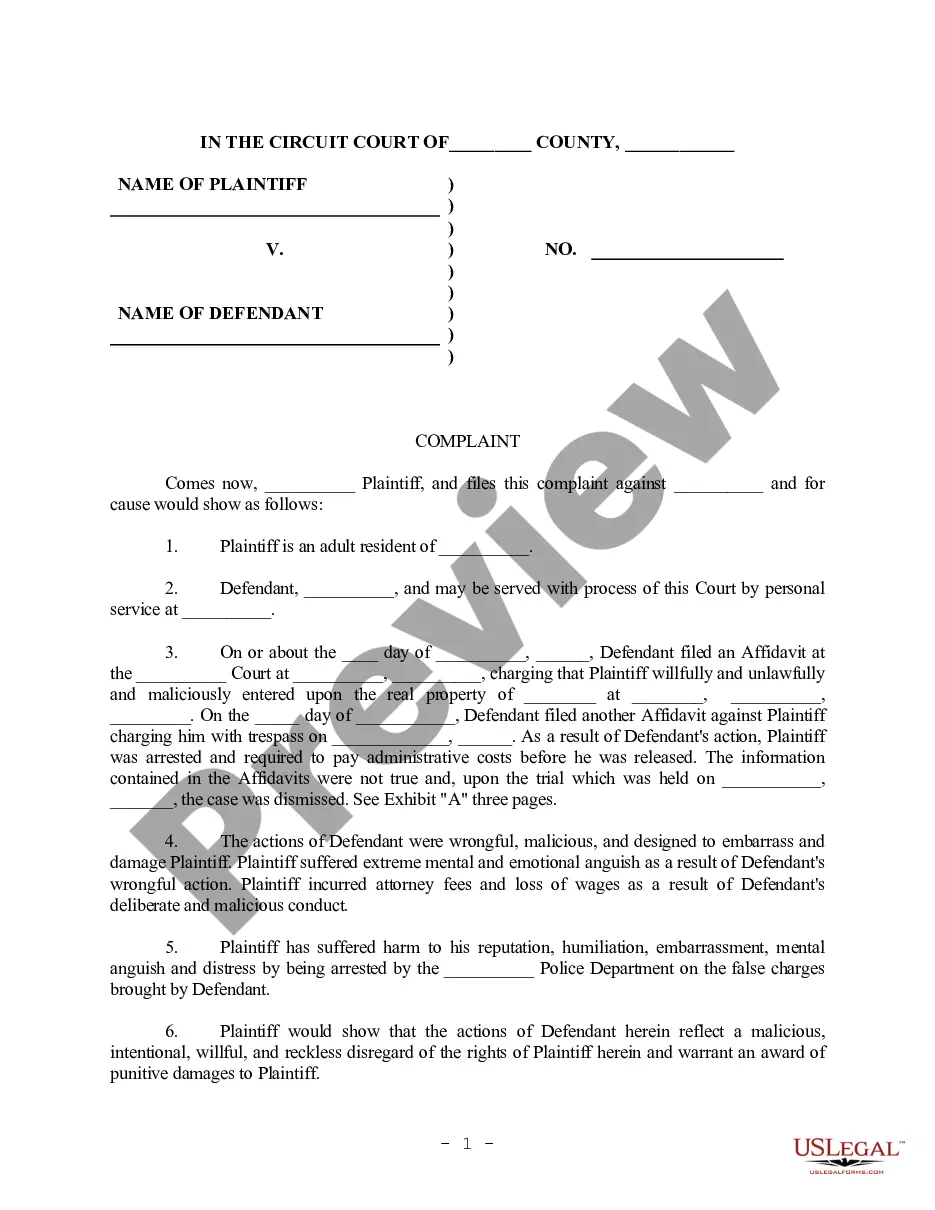

Get your form ready online
Our built-in tools help you complete, sign, share, and store your documents in one place.
Make edits, fill in missing information, and update formatting in US Legal Forms—just like you would in MS Word.
Download a copy, print it, send it by email, or mail it via USPS—whatever works best for your next step.
Sign and collect signatures with our SignNow integration. Send to multiple recipients, set reminders, and more. Go Premium to unlock E-Sign.
If this form requires notarization, complete it online through a secure video call—no need to meet a notary in person or wait for an appointment.
We protect your documents and personal data by following strict security and privacy standards.

Make edits, fill in missing information, and update formatting in US Legal Forms—just like you would in MS Word.

Download a copy, print it, send it by email, or mail it via USPS—whatever works best for your next step.

Sign and collect signatures with our SignNow integration. Send to multiple recipients, set reminders, and more. Go Premium to unlock E-Sign.

If this form requires notarization, complete it online through a secure video call—no need to meet a notary in person or wait for an appointment.

We protect your documents and personal data by following strict security and privacy standards.
Looking for another form?






Form popularity
FAQ
OSC's primary mission is to safeguard the merit system by protecting federal employees and applicants from prohibited personnel practices (PPPs), especially reprisal for whistleblowing. For a description of the 14 PPPs, click here .
Assigned counsel generally are private lawyers designated by the courts to handle particular cases; in some countries, particularly the United States, public defenders permanently employed by the government perform this function.
An assigned counsel is a private attorney who is appointed by a court to represent an indigent defendant. Being indigent means that he or she can't afford an attorney. Assigned counsel is used in states that do not have a public defender's office.
The major functions of the OLC are to: Provide authoritative legal advice, including via written opinions, to the President and Executive Branch agencies on a wide variety of constitutional and statutory questions involving the operations of the executive branch.
A Client Advocate is a professional who works to ensure that clients receive the support, information, and resources they need to navigate complex systems and advocate for their own needs.
When advocating for others, always strive to: be a good listener; be supportive; have all the necessary information; and be a good representative. You can begin practicing your advocacy skills right at home with your own family.
The Customer Advocate is responsible for providing a high level of customer service to clients and prospects, responding to inquiries, and resolving customer complaints in a professional and timely manner. This role works closely with other departments to ensure customer satisfaction and loyalty.
Writing reviews and testimonials: Customer advocates voluntarily write positive reviews, testimonials, or case studies about their experiences with a brand. These reviews can be shared on review platforms, social media, or the company's website, helping to build trust and credibility.
For example, you might help a client fill out an application for housing assistance, accompany a client to a court hearing, or negotiate with a landlord on behalf of a client. Micro-level advocacy requires skills such as communication, negotiation, problem-solving, and empathy.
Step #1: Define the goal of your customer advocacy program The first step is always clear goal-setting to outline what you want to achieve. Whether it's increasing customer engagement or generating greater referrals, specific goals better guide your strategy.