Advocate For Client Rights And Needs In Broward
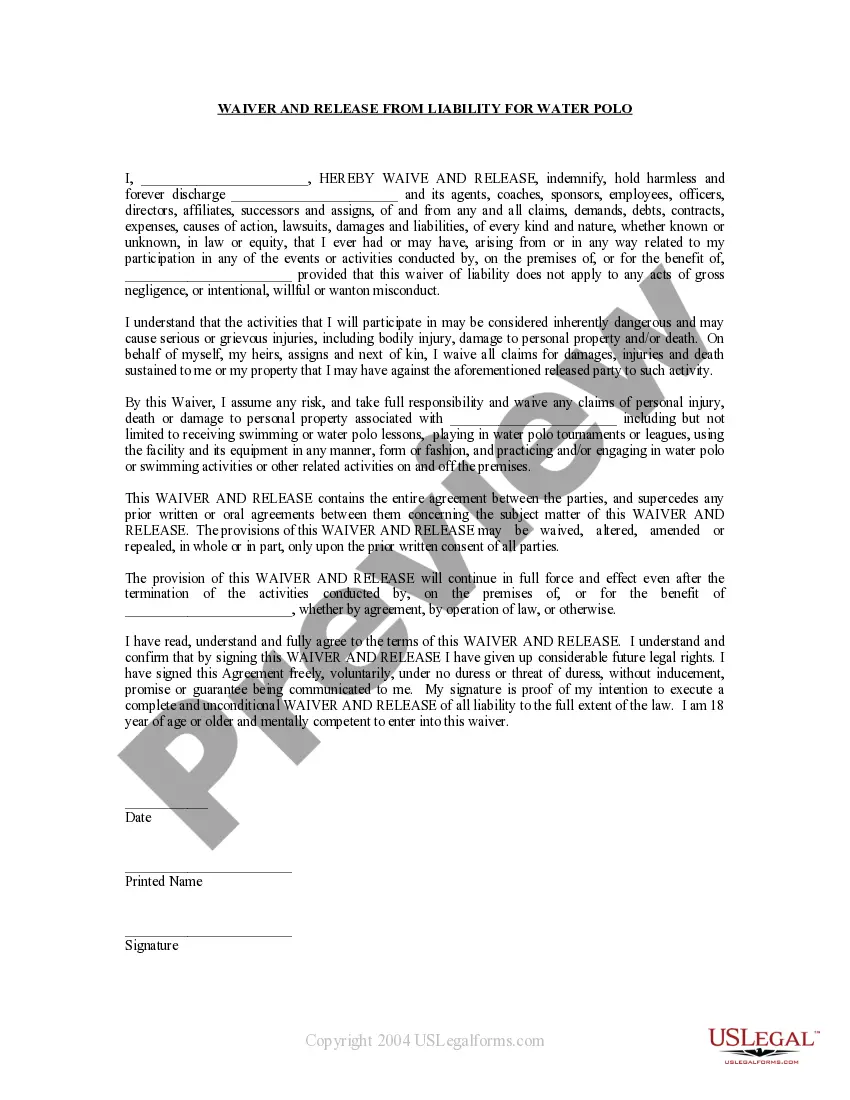
Description


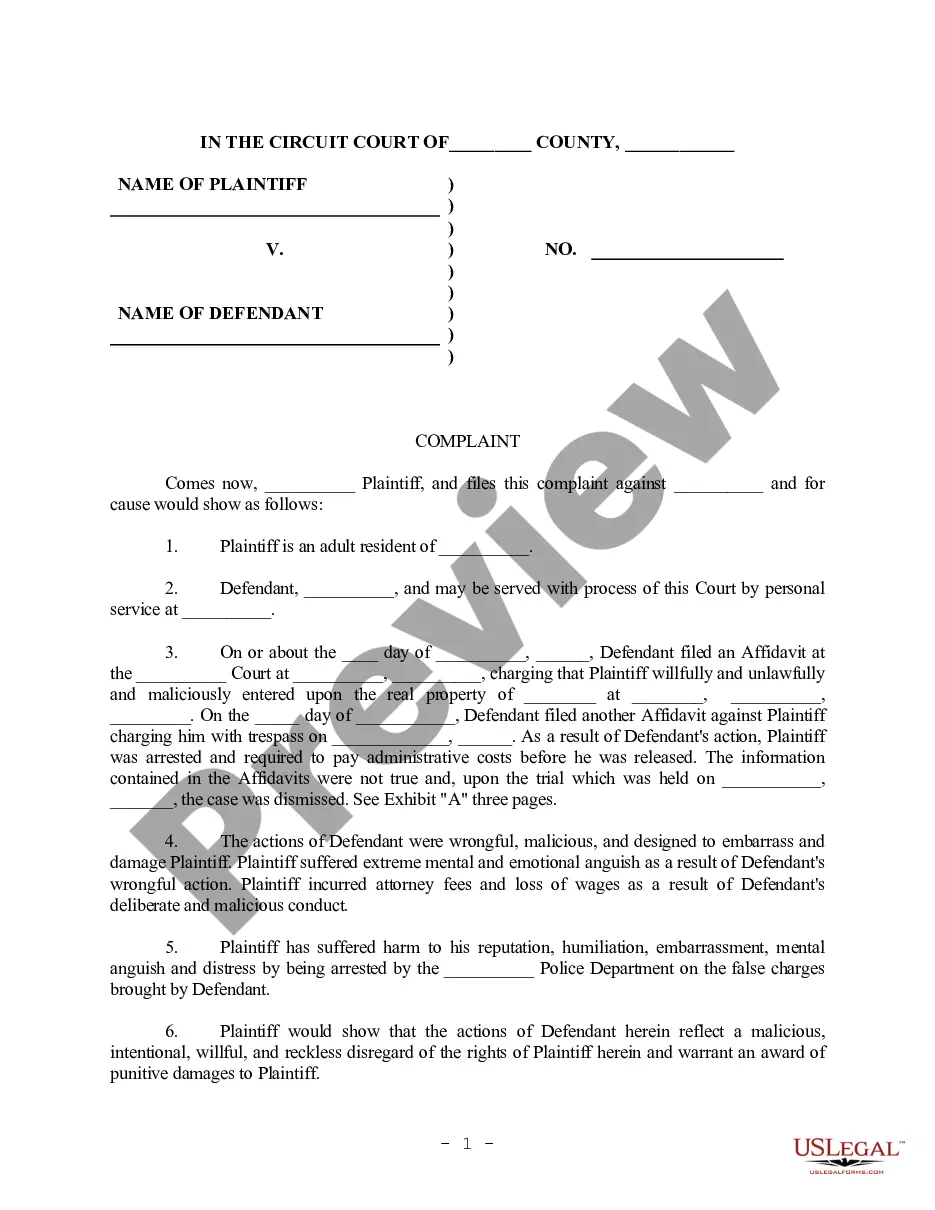
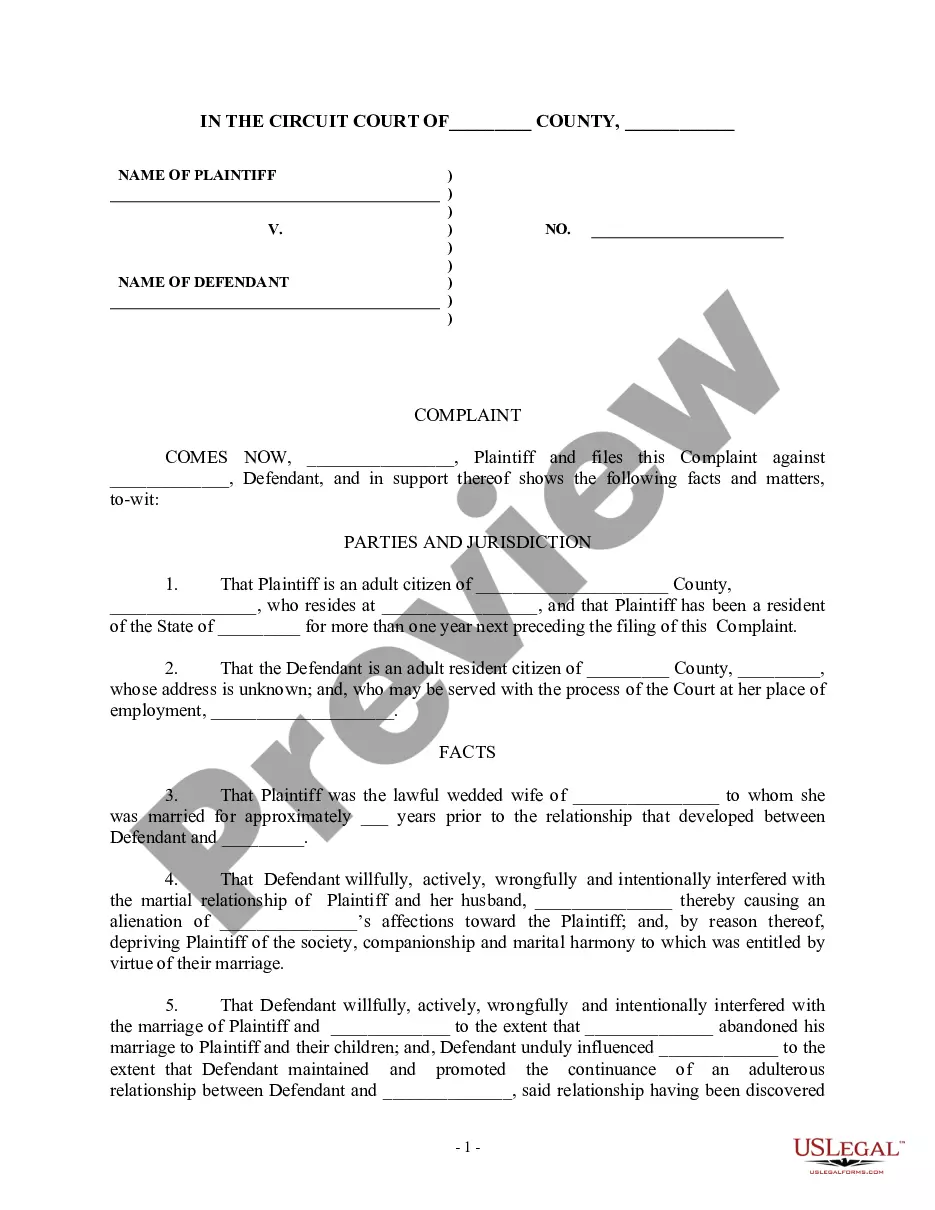

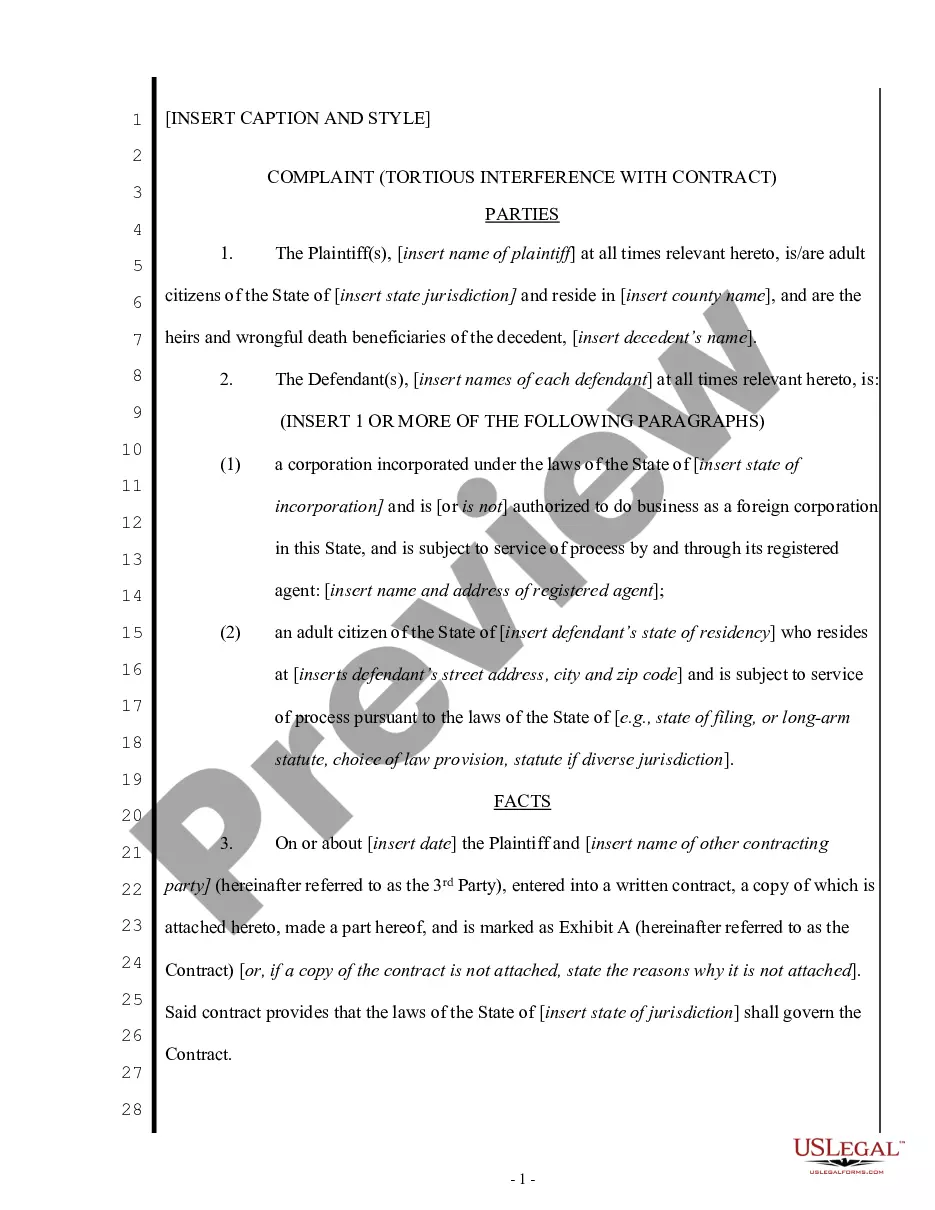
Get your form ready online
Our built-in tools help you complete, sign, share, and store your documents in one place.
Make edits, fill in missing information, and update formatting in US Legal Forms—just like you would in MS Word.
Download a copy, print it, send it by email, or mail it via USPS—whatever works best for your next step.
Sign and collect signatures with our SignNow integration. Send to multiple recipients, set reminders, and more. Go Premium to unlock E-Sign.
If this form requires notarization, complete it online through a secure video call—no need to meet a notary in person or wait for an appointment.
We protect your documents and personal data by following strict security and privacy standards.

Make edits, fill in missing information, and update formatting in US Legal Forms—just like you would in MS Word.

Download a copy, print it, send it by email, or mail it via USPS—whatever works best for your next step.

Sign and collect signatures with our SignNow integration. Send to multiple recipients, set reminders, and more. Go Premium to unlock E-Sign.

If this form requires notarization, complete it online through a secure video call—no need to meet a notary in person or wait for an appointment.

We protect your documents and personal data by following strict security and privacy standards.
Looking for another form?






Form popularity
FAQ
Human rights advocacy relies on: Credible research and documentation of patterns of abuse. Skillful messaging. Diverse, broad-based alliances and coalitions. Careful preparation for strategic action. Focusing pressure on multiple points of leverage. Persistent organizing. Painstaking effort. Long-term commitment.
Do you want to pursue a career in human rights? #1: Commit to small actions. #2: Get educated on human rights issues. #3: Join a local group. #4: Get involved in the political process. #5: If you're a student, look for classes and degrees in relevant fields. #6: Get experience.
These five steps will help you drive social change forward: Know your facts. After you've identified an issue that you're passionate about, do your research. Listen to the people you want to help. Engage with the community. Build relationships. Don't give up.
Writing letters and signing petitions are tried-and-true advocacy methods. Both allow people to raise awareness, clearly articulate their stance on an issue, and present solutions. In the case of petitions, it's a relatively convenient way for lots of people to express their support for a cause.
As advisor, a lawyer provides a client with an informed understanding of the client's legal rights and obligations and explains their practical implications. As advocate, a lawyer zealously asserts the client's position under the rules of the adversary system.
Human rights advocacy relies on: Credible research and documentation of patterns of abuse. Skillful messaging. Diverse, broad-based alliances and coalitions. Careful preparation for strategic action. Focusing pressure on multiple points of leverage. Persistent organizing. Painstaking effort. Long-term commitment.
Legal advocates are there to hear the situation and provide relevant information around the laws for the state and county, as well as let survivors know of available legal protections for victims of abuse. Some examples of issues legal advocates can provide information around are: Divorce. Custody and Child Support.