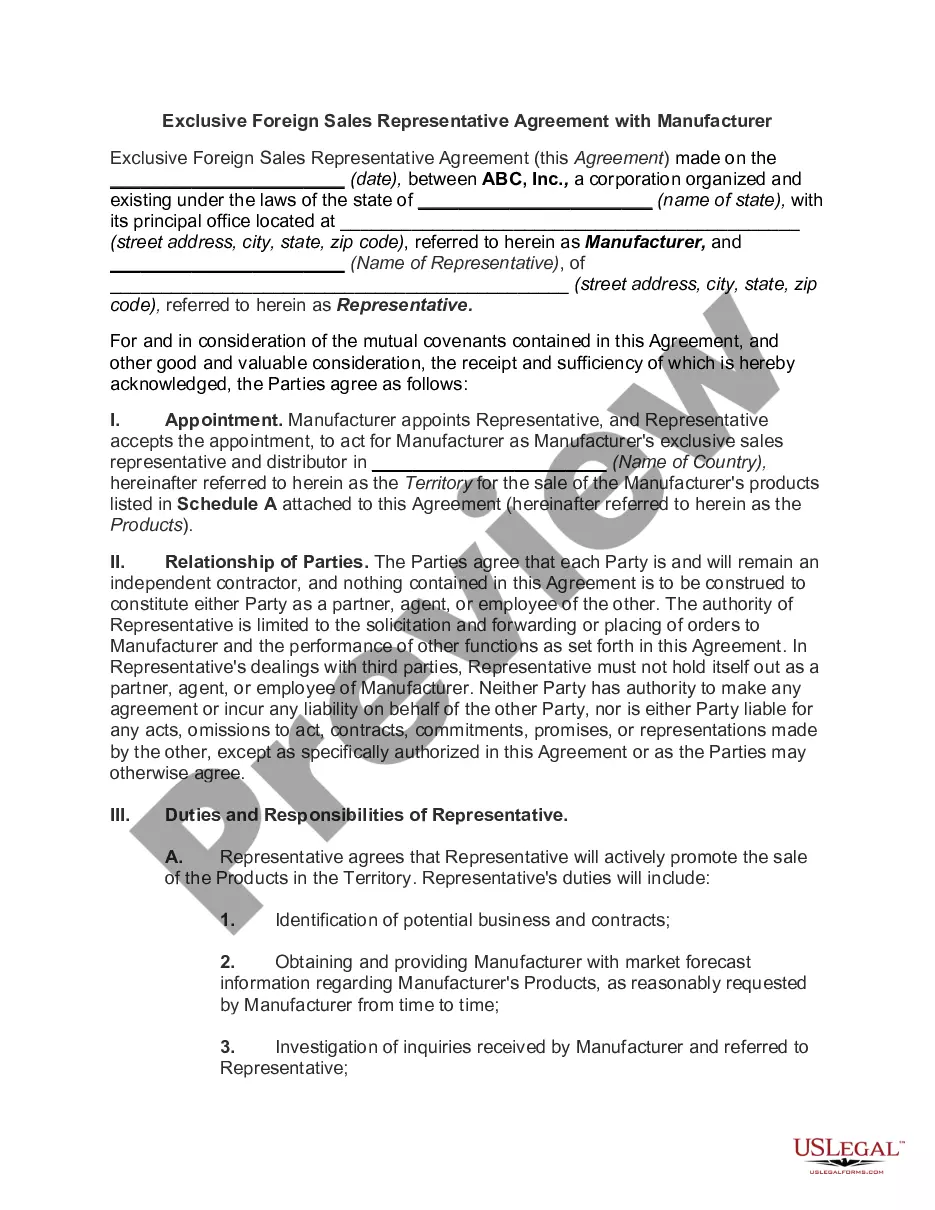
This is a multi-state form covering the subject matter of the title.
Wrongful Termination Court For Medical Reasons In Illinois
Category:
State:
Multi-State
Control #:
US-000291
Format:
Word;
Rich Text
Instant download
Description
Free preview

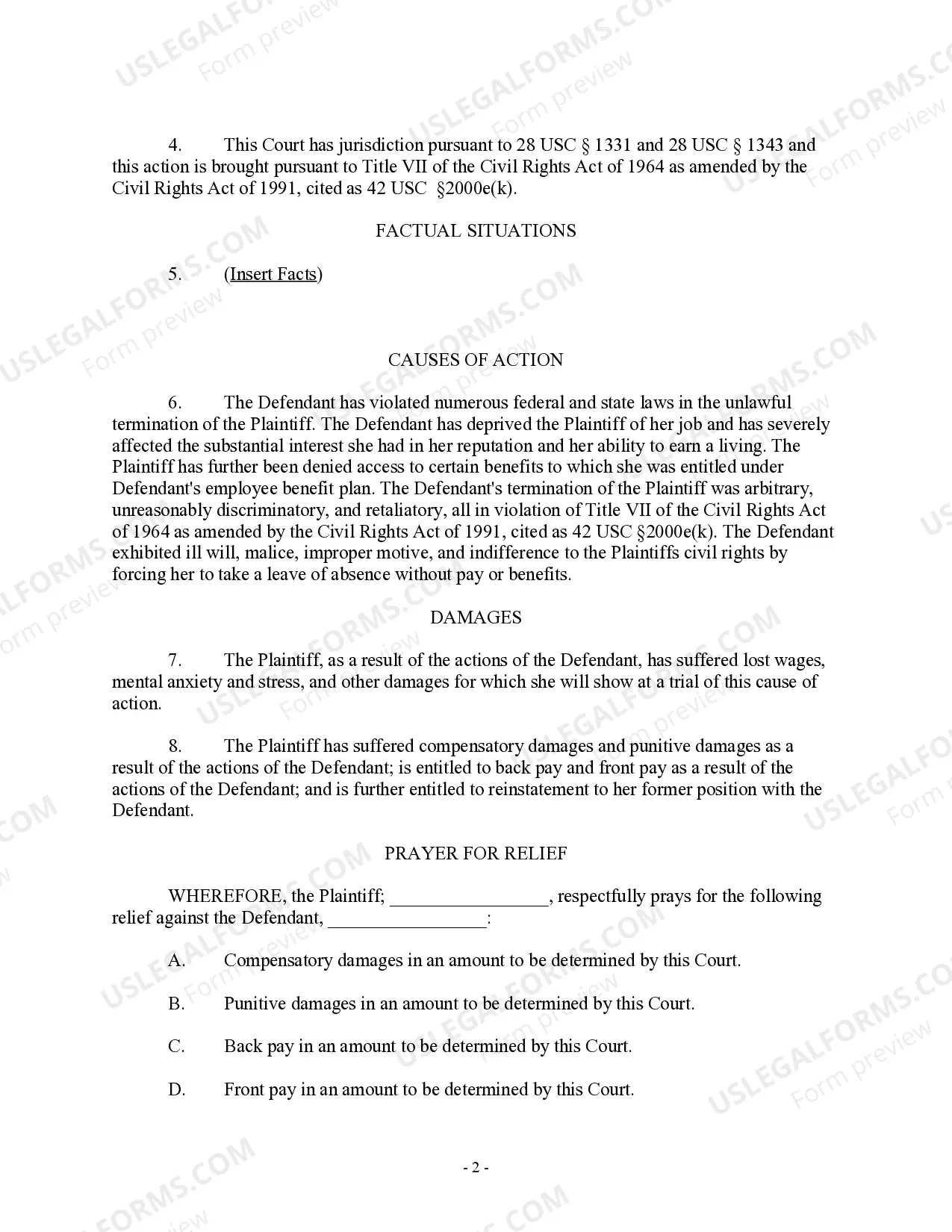




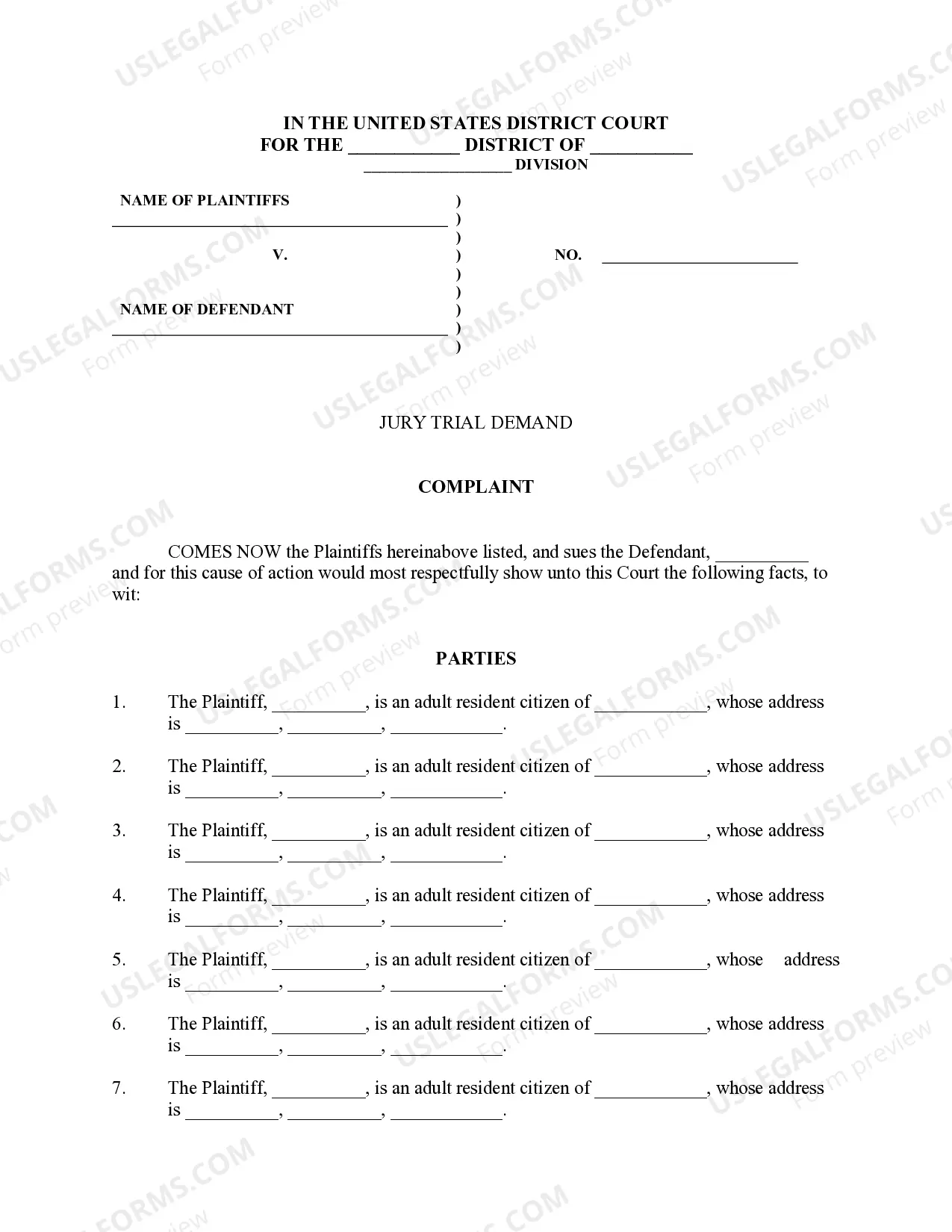
Get your form ready online
Our built-in tools help you complete, sign, share, and store your documents in one place.
Built-in online Word editor
Make edits, fill in missing information, and update formatting in US Legal Forms—just like you would in MS Word.
Export easily
Download a copy, print it, send it by email, or mail it via USPS—whatever works best for your next step.
E-sign your document
Sign and collect signatures with our SignNow integration. Send to multiple recipients, set reminders, and more. Go Premium to unlock E-Sign.
Notarize online 24/7
If this form requires notarization, complete it online through a secure video call—no need to meet a notary in person or wait for an appointment.
Store your document securely
We protect your documents and personal data by following strict security and privacy standards.
Make edits, fill in missing information, and update formatting in US Legal Forms—just like you would in MS Word.
Download a copy, print it, send it by email, or mail it via USPS—whatever works best for your next step.
Sign and collect signatures with our SignNow integration. Send to multiple recipients, set reminders, and more. Go Premium to unlock E-Sign.
If this form requires notarization, complete it online through a secure video call—no need to meet a notary in person or wait for an appointment.
We protect your documents and personal data by following strict security and privacy standards.
Looking for another form?



Form popularity
FAQ
An aggrieved employee must generally prove the following: He/she has been discharged; In retaliation for his/her protected activities; and the discharge violates a clear mandate of public policy.
While multimillion awards are possible, it is crucial to keep in mind that federal laws limit the amount of punitive and compensatory damages awarded in cases involving wrongful termination. They cannot exceed $50,000 – $300,000, depending on the number of employees working for the employer's business.
An aggrieved employee must generally prove the following: He/she has been discharged; In retaliation for his/her protected activities; and the discharge violates a clear mandate of public policy.
You can sue an employer for firing you under false accusations if the termination violates your employment contract, discriminates against protected classes, or is considered retaliatory under labor laws.
Illinois is an at-will employment state. This means most employers can terminate employees for any reason, or no reason at all, without prior warning. This includes firing employees for: Performance issues.
The Family Medical Leave Act allows employees to take time off to deal with family illness or injury without losing their job. You can take time for yourself or to care for a family member. You generally get 12 weeks a year, although there are some eligibility requirements. The main purpose of FMLA is job protection.
If you qualify, the FMLA requires the employer to provide you with up to 12 full weeks of unpaid leave for each 12-month employment period. In some cases, you may be entitled to additional unpaid leave as a reasonable accommodation under the ADA.
Under Illinois law, your employer may not be able to fire you because you are sick or taking care of a sick family member. The outcome depends on: Where your employer is based in Illinois, Whether your employer offers sick leave as a benefit to employees, and.
Wrongful Termination due to a Medical Condition The California Fair Employment and Housing Act (FEHA) makes it illegal for your employer to discriminate against you due to a medical condition or perceived medical condition. Discrimination can include any adverse employment action, including firing or termination.