4th 5th 6th 7th And 8th Amendments In Pennsylvania
Description






Get your form ready online
Our built-in tools help you complete, sign, share, and store your documents in one place.
Make edits, fill in missing information, and update formatting in US Legal Forms—just like you would in MS Word.
Download a copy, print it, send it by email, or mail it via USPS—whatever works best for your next step.
Sign and collect signatures with our SignNow integration. Send to multiple recipients, set reminders, and more. Go Premium to unlock E-Sign.
If this form requires notarization, complete it online through a secure video call—no need to meet a notary in person or wait for an appointment.
We protect your documents and personal data by following strict security and privacy standards.

Make edits, fill in missing information, and update formatting in US Legal Forms—just like you would in MS Word.

Download a copy, print it, send it by email, or mail it via USPS—whatever works best for your next step.

Sign and collect signatures with our SignNow integration. Send to multiple recipients, set reminders, and more. Go Premium to unlock E-Sign.

If this form requires notarization, complete it online through a secure video call—no need to meet a notary in person or wait for an appointment.

We protect your documents and personal data by following strict security and privacy standards.
Looking for another form?
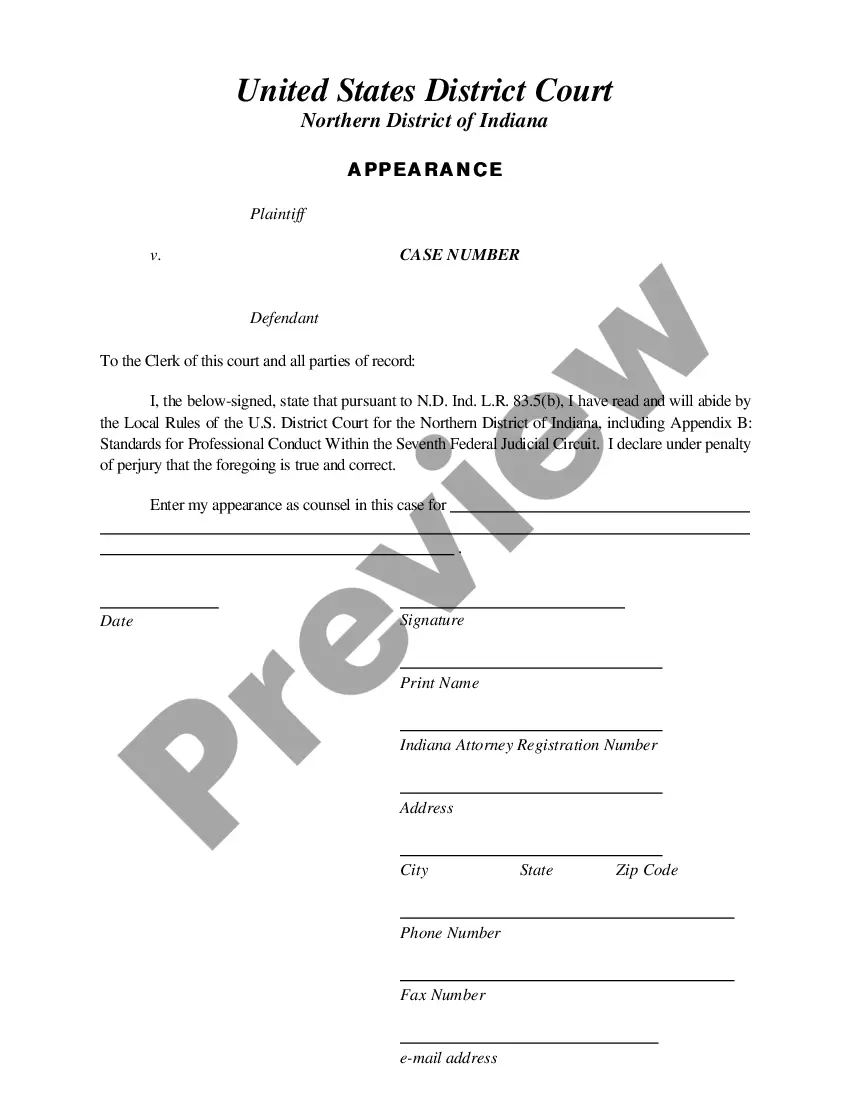
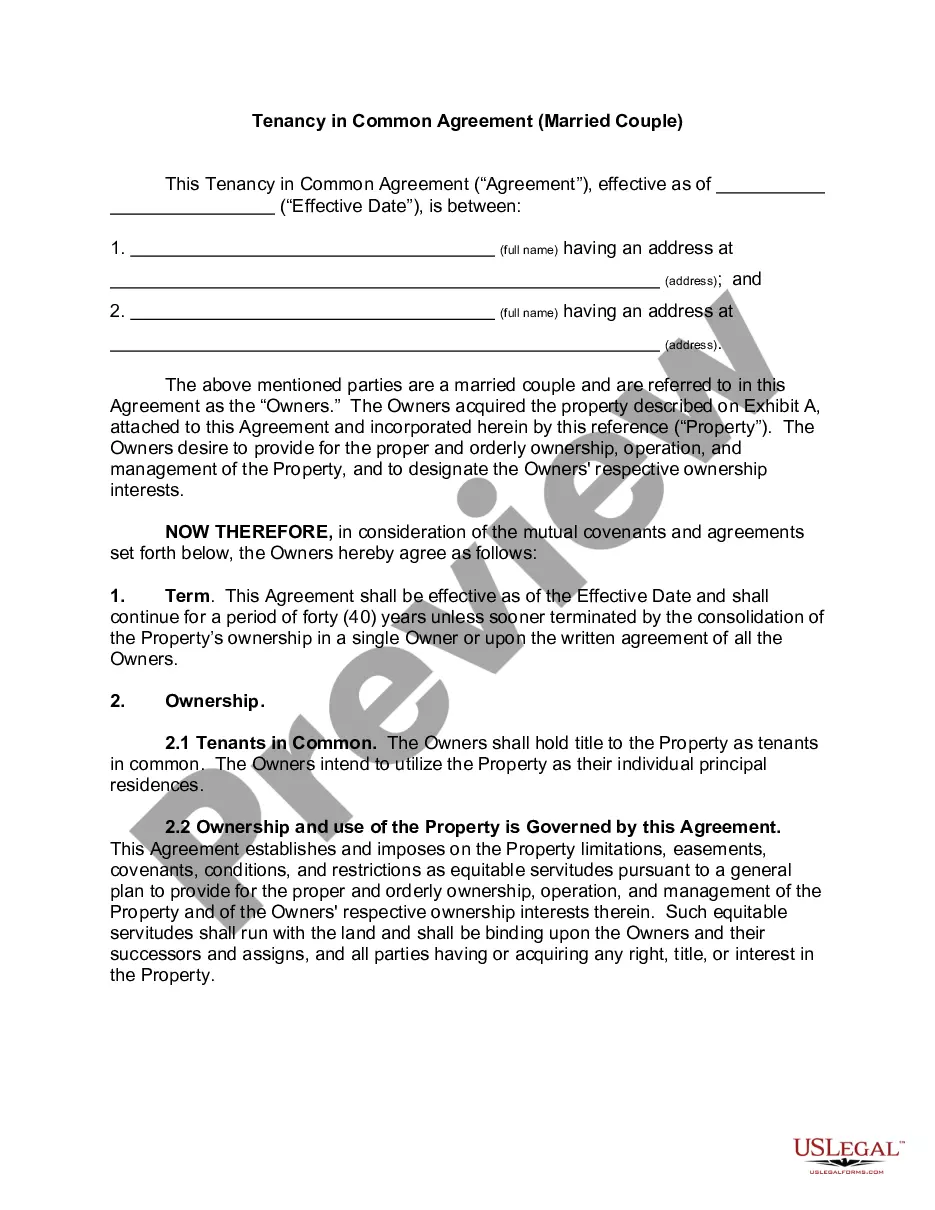
Form popularity
FAQ
§ 6. The Governor and all other civil officers shall be liable to impeachment for any misbehavior in office, but judgment in such cases shall not extend further than to removal from office and disqualification to hold any office of trust or profit under this Commonwealth.
Certain parts of these additional amendments and the Bill of Rights have had a major impact on the criminal justice system. These amendments include the fourth, fifth, sixth, eighth, and the fourteenth amendments. Their purpose is meant to ensure that people are treated fairly if suspected or arrested for crimes.
These amendments include the fourth, fifth, sixth, eighth, and the fourteenth amendments. Their purpose is meant to ensure that people are treated fairly if suspected or arrested for crimes. The Fourth Amendment protects people from unreasonable searches and seizures without a warrant.
The Fourth Amendment states that “no warrants shall issue, but upon probable cause.” This means that any search and seizure conducted without a warrant has the potential to be unconstitutional.
The Commonwealth Court shall be a statewide court, and shall consist of the number of judges and have such jurisdiction as shall be provided by law. One of its judges shall be the president judge. § 5.
For example, the Fourth Amendment protects against unreasonable searches and seizures, the Fifth Amendment ensures due process and protection against self-incrimination, the Sixth Amendment guarantees the right to a fair trial, the Seventh Amendment preserves the right to a trial by jury, and the Eighth Amendment ...
Together, the Fourth, Fifth, Sixth, and Eighth amendments are the essence of the due process of law.
The 4th Amendment: Protection Against Unreasonable Searches and Seizures. The 5th Amendment: The Right to Due Process and Protection Against Self-Incrimination. The 6th Amendment: The Right to a Speedy and Public Trial, and Other Trial Rights.
Amendments to this Constitution may be proposed in the Senate or House of Representatives; and if the same shall be agreed to by a majority of the members elected to each House, such proposed amendment or amendments shall be entered on their journals with the yeas and nays taken thereon, and the Secretary of the ...