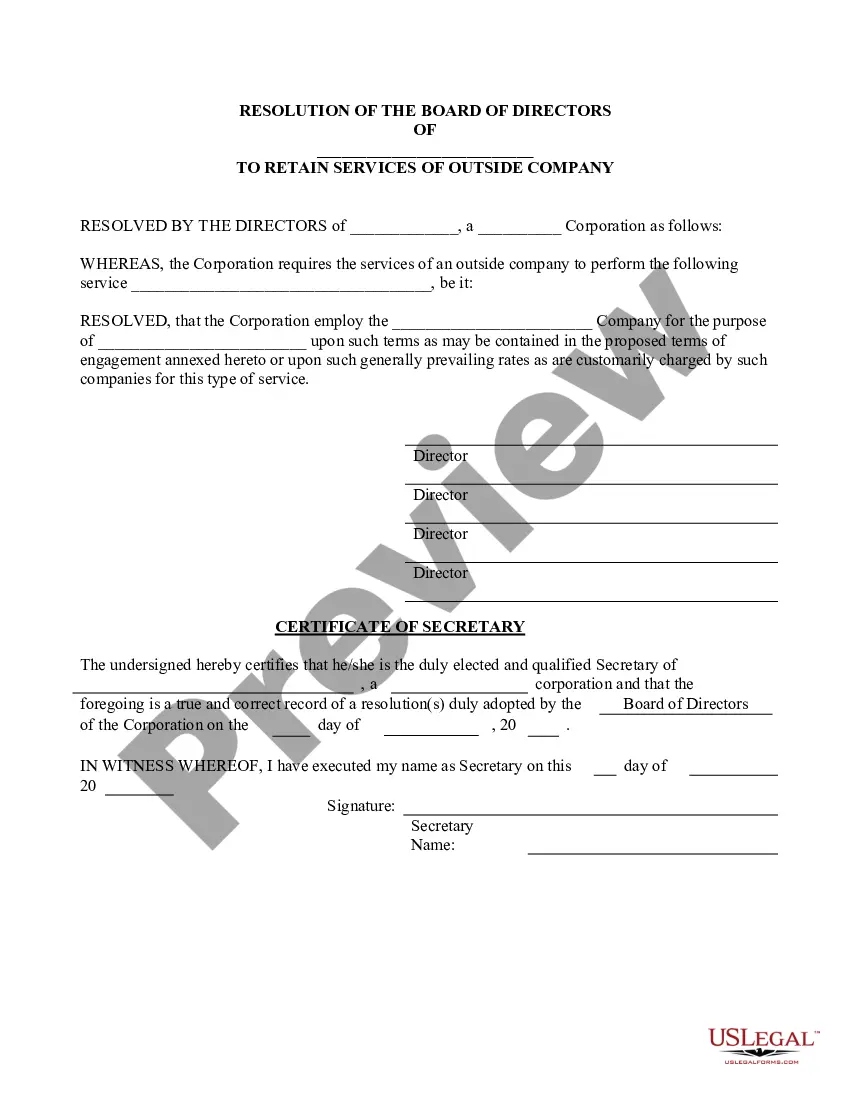
Amendment Regarding Jury Trial In Civil Cases In Harris
Description






Get your form ready online
Our built-in tools help you complete, sign, share, and store your documents in one place.
Make edits, fill in missing information, and update formatting in US Legal Forms—just like you would in MS Word.
Download a copy, print it, send it by email, or mail it via USPS—whatever works best for your next step.
Sign and collect signatures with our SignNow integration. Send to multiple recipients, set reminders, and more. Go Premium to unlock E-Sign.
If this form requires notarization, complete it online through a secure video call—no need to meet a notary in person or wait for an appointment.
We protect your documents and personal data by following strict security and privacy standards.
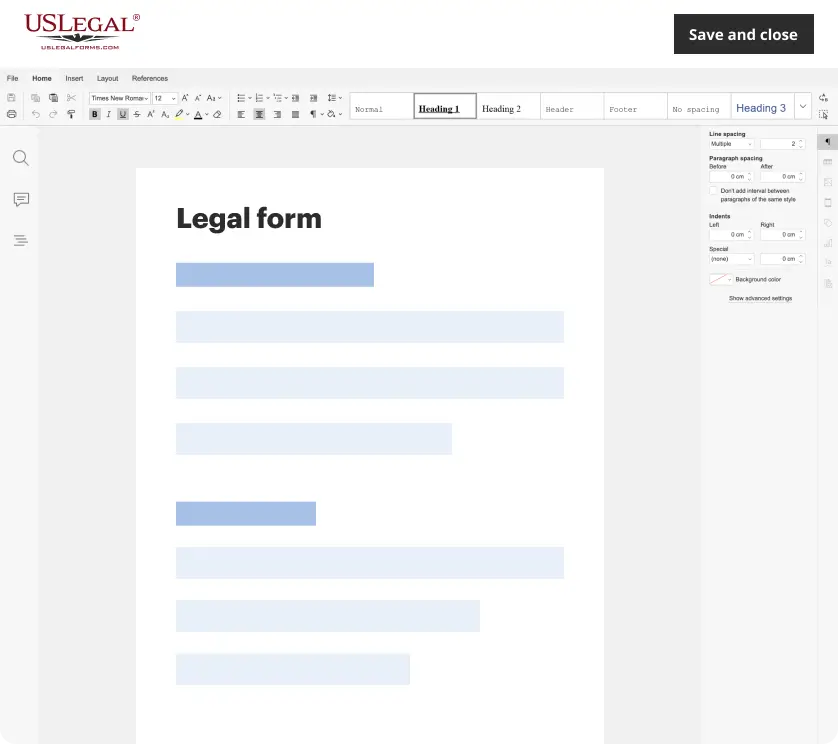
Make edits, fill in missing information, and update formatting in US Legal Forms—just like you would in MS Word.
Download a copy, print it, send it by email, or mail it via USPS—whatever works best for your next step.
Sign and collect signatures with our SignNow integration. Send to multiple recipients, set reminders, and more. Go Premium to unlock E-Sign.

If this form requires notarization, complete it online through a secure video call—no need to meet a notary in person or wait for an appointment.

We protect your documents and personal data by following strict security and privacy standards.
Looking for another form?



Form popularity
FAQ
Amendment Seven to the Constitution was ratified on December 15, 1791. It protects the right for citizens to have a jury trial in federal courts with civil cases where the claim exceeds a certain dollar value. It also prohibits judges in these trials from overruling facts revealed by the jury.
The Seventh Amendment extends the right to a jury trial to federal civil cases such as car accidents, disputes between corporations for breach of contract, or most discrimination or employment disputes.
U.S. Constitution - Sixth Amendment | Resources | Constitution Annotated | Congress | Library of Congress.
The Seventh Amendment requires civil jury trials only in federal courts. This Amendment is unusual. The U.S. Supreme Court has required states to protect almost every other right in the Bill of Rights, such as the right to criminal jury trial, but the Court has not required states to hold civil jury trials.
The text of Article VII declares that the Constitution shall become the official law of the ratifying states when nine states ratified the document. When New Hampshire became the ninth state to ratify on June 21, 1788, the Constitution became good law.
Examples of Civil Cases Some kinds of civil cases that the 7th Amendment says juries can decide include: Car accidents when someone is hurt or has property damage and files a lawsuit against the person they say is responsible, like the person who wrecked your scooter and doesn't want to replace it.
This amendment refers to non-criminal cases called civil cases. Criminal cases are cases where the government charges someone with a crime such as murder or robbery. If convicted, the person may go to jail or be fined by the court. Civil cases involve disputes between two private citizens or organizations.
The Seventh Amendment requires civil jury trials only in federal courts. This Amendment is unusual. The U.S. Supreme Court has required states to protect almost every other right in the Bill of Rights, such as the right to criminal jury trial, but the Court has not required states to hold civil jury trials.
Seventh Amendment Question The defendants in Jarkesy claimed that by bringing a civil enforcement action against them for securities fraud and forcing the proceeding to an in-house SEC tribunal, the SEC violated the defendants' Seventh Amendment right to a trial by jury.
