Angel Investment Form With Decimals In King
Description

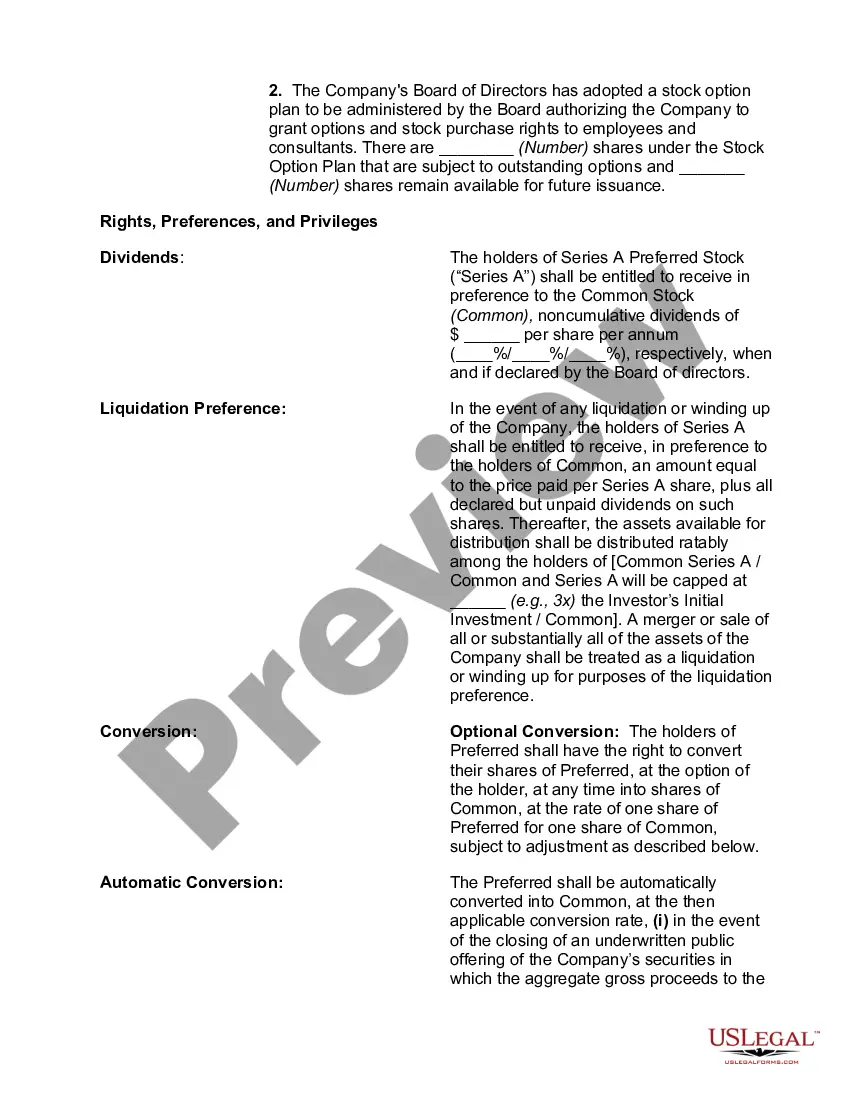
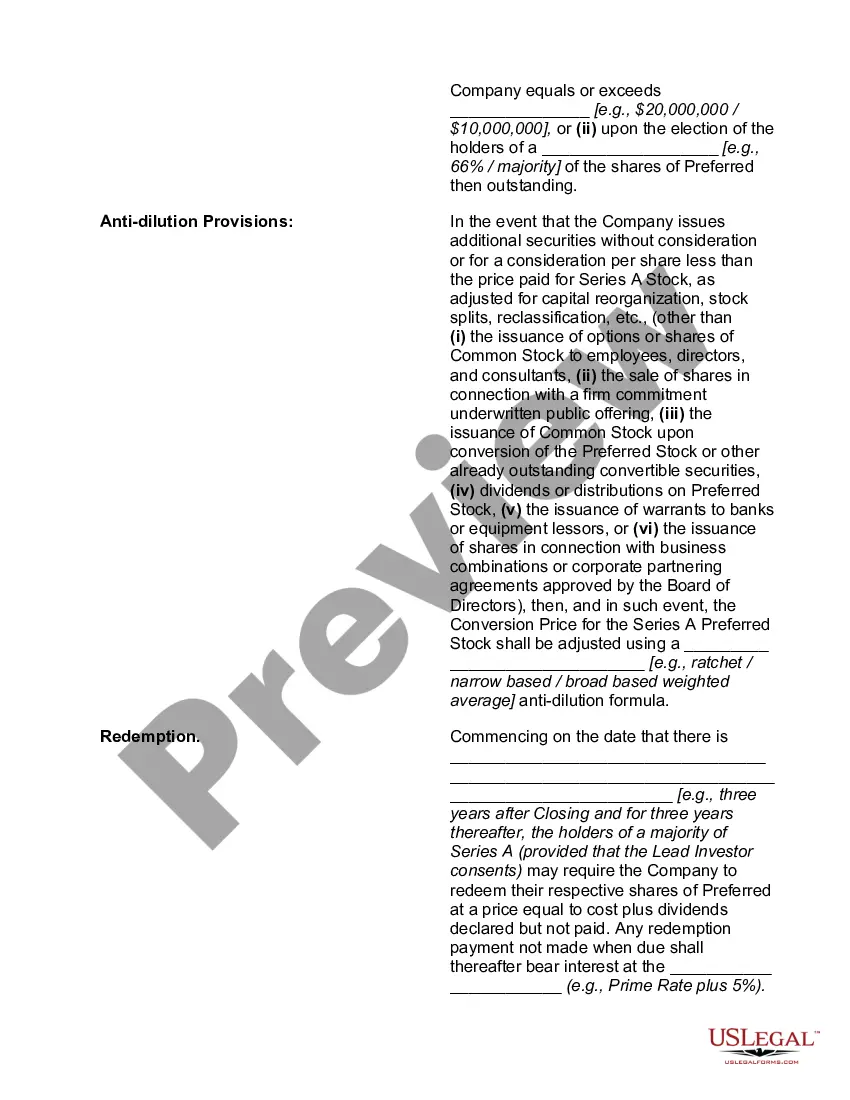
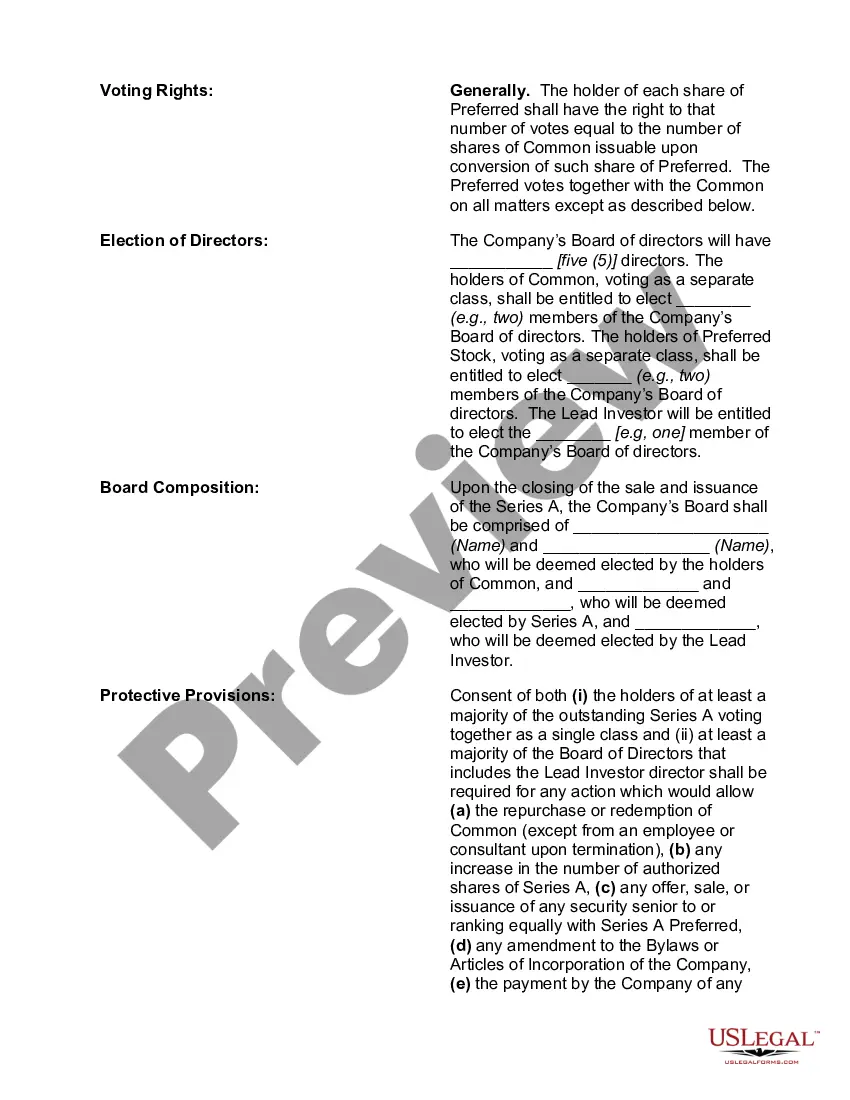
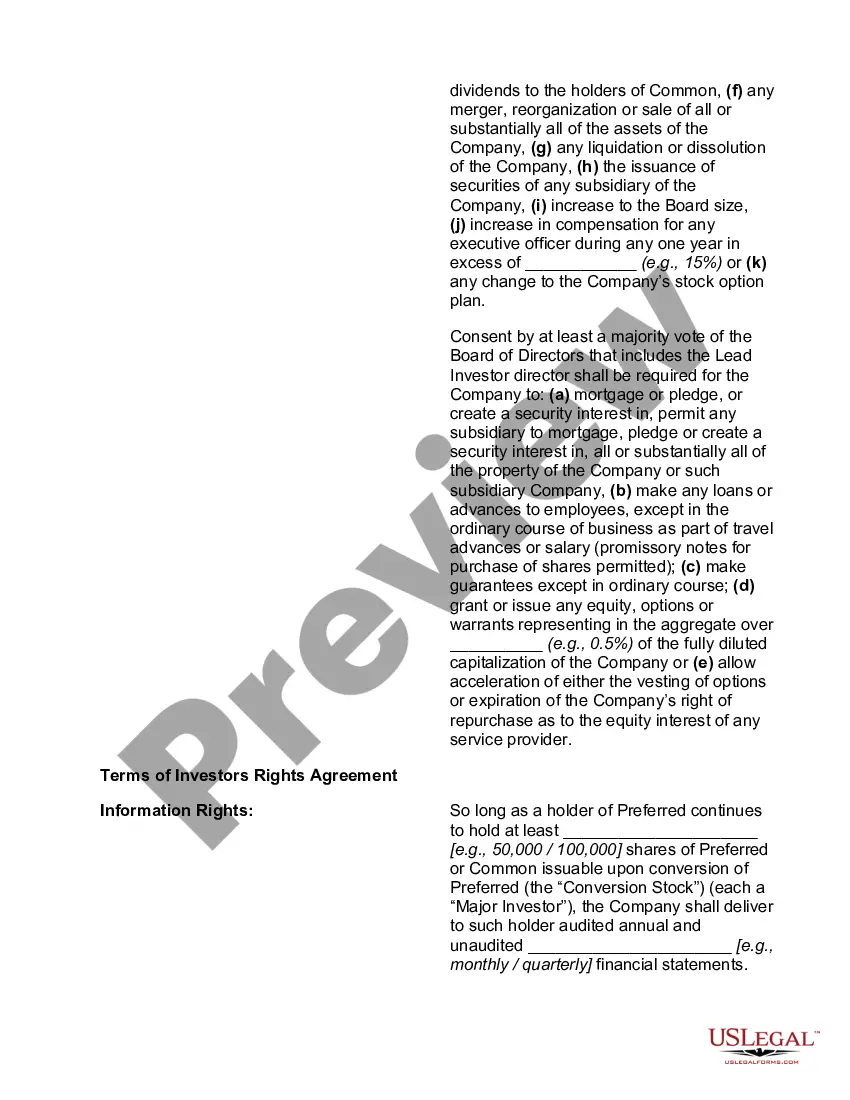
Get your form ready online
Our built-in tools help you complete, sign, share, and store your documents in one place.
Make edits, fill in missing information, and update formatting in US Legal Forms—just like you would in MS Word.
Download a copy, print it, send it by email, or mail it via USPS—whatever works best for your next step.
Sign and collect signatures with our SignNow integration. Send to multiple recipients, set reminders, and more. Go Premium to unlock E-Sign.
If this form requires notarization, complete it online through a secure video call—no need to meet a notary in person or wait for an appointment.
We protect your documents and personal data by following strict security and privacy standards.

Make edits, fill in missing information, and update formatting in US Legal Forms—just like you would in MS Word.

Download a copy, print it, send it by email, or mail it via USPS—whatever works best for your next step.

Sign and collect signatures with our SignNow integration. Send to multiple recipients, set reminders, and more. Go Premium to unlock E-Sign.

If this form requires notarization, complete it online through a secure video call—no need to meet a notary in person or wait for an appointment.

We protect your documents and personal data by following strict security and privacy standards.
Looking for another form?

Form popularity
FAQ
It's typically between around 10% and 25% but it can be as much as 40% or more. Angel investment is most suitable if your business has growth potential, and you're willing to give up part ownership in return for investment.
Angel investors typically invest between $25,000 and $100,000 in a project. On the other hand, seed firms usually invest a larger amount, typically between $250,000 and $1 million.
While there are no hard and fast rules, the most common ways to structure an angel investment is by taking on board a minority stake in the company, or investing in convertible debt.
Typically, an angel investment deal is typically composed of two key elements: an investment in equity, and a convertible note. Each of these components has distinct characteristics and implications for both the investor and the entrepreneur.
How to Draft an Investor Agreement Step-by-Step Preliminary Considerations. Define the Terms of the Investment. Outline Rights and Obligations. Include Key Provisions. Draft Protective Clauses for Both Parties. Finalize the Agreement.
It's typically between around 10% and 25% but it can be as much as 40% or more. Angel investment is most suitable if your business has growth potential, and you're willing to give up part ownership in return for investment.
For an angel investment, the startup's valuation will be compared to those of other businesses using variables like the management team's background, chances of your startup to be successful, details of your product, potential competitions, marketing plan and sales outlets, and any additional investments your startup ...
Generally, angel investors aim for a return of 20% to 30% per year on their investments. This target reflects the high risk associated with investing in early-stage startups, many of which may fail.
