Spouse Application File With Uscis In San Diego
Description





Get your form ready online
Our built-in tools help you complete, sign, share, and store your documents in one place.
Make edits, fill in missing information, and update formatting in US Legal Forms—just like you would in MS Word.
Download a copy, print it, send it by email, or mail it via USPS—whatever works best for your next step.
Sign and collect signatures with our SignNow integration. Send to multiple recipients, set reminders, and more. Go Premium to unlock E-Sign.
If this form requires notarization, complete it online through a secure video call—no need to meet a notary in person or wait for an appointment.
We protect your documents and personal data by following strict security and privacy standards.
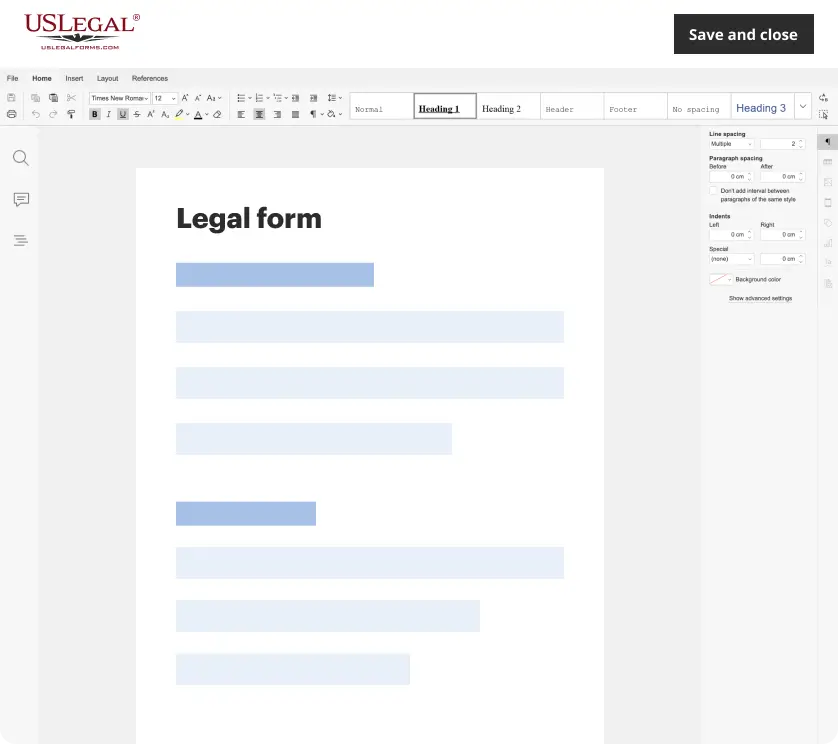
Make edits, fill in missing information, and update formatting in US Legal Forms—just like you would in MS Word.
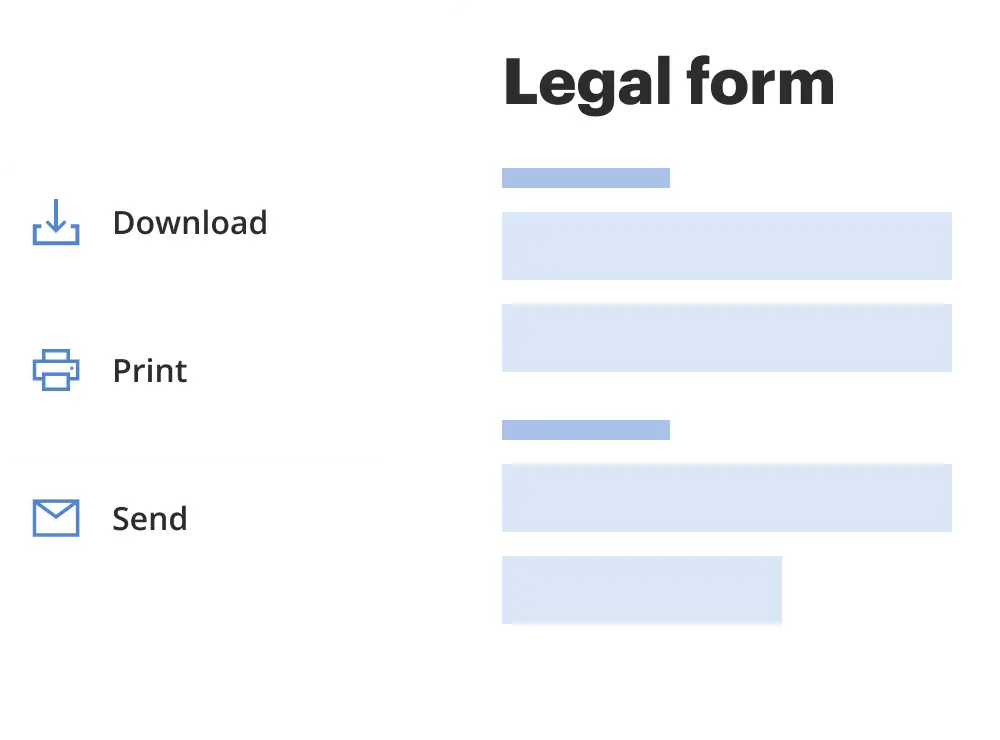
Download a copy, print it, send it by email, or mail it via USPS—whatever works best for your next step.
Sign and collect signatures with our SignNow integration. Send to multiple recipients, set reminders, and more. Go Premium to unlock E-Sign.
If this form requires notarization, complete it online through a secure video call—no need to meet a notary in person or wait for an appointment.
We protect your documents and personal data by following strict security and privacy standards.
Looking for another form?
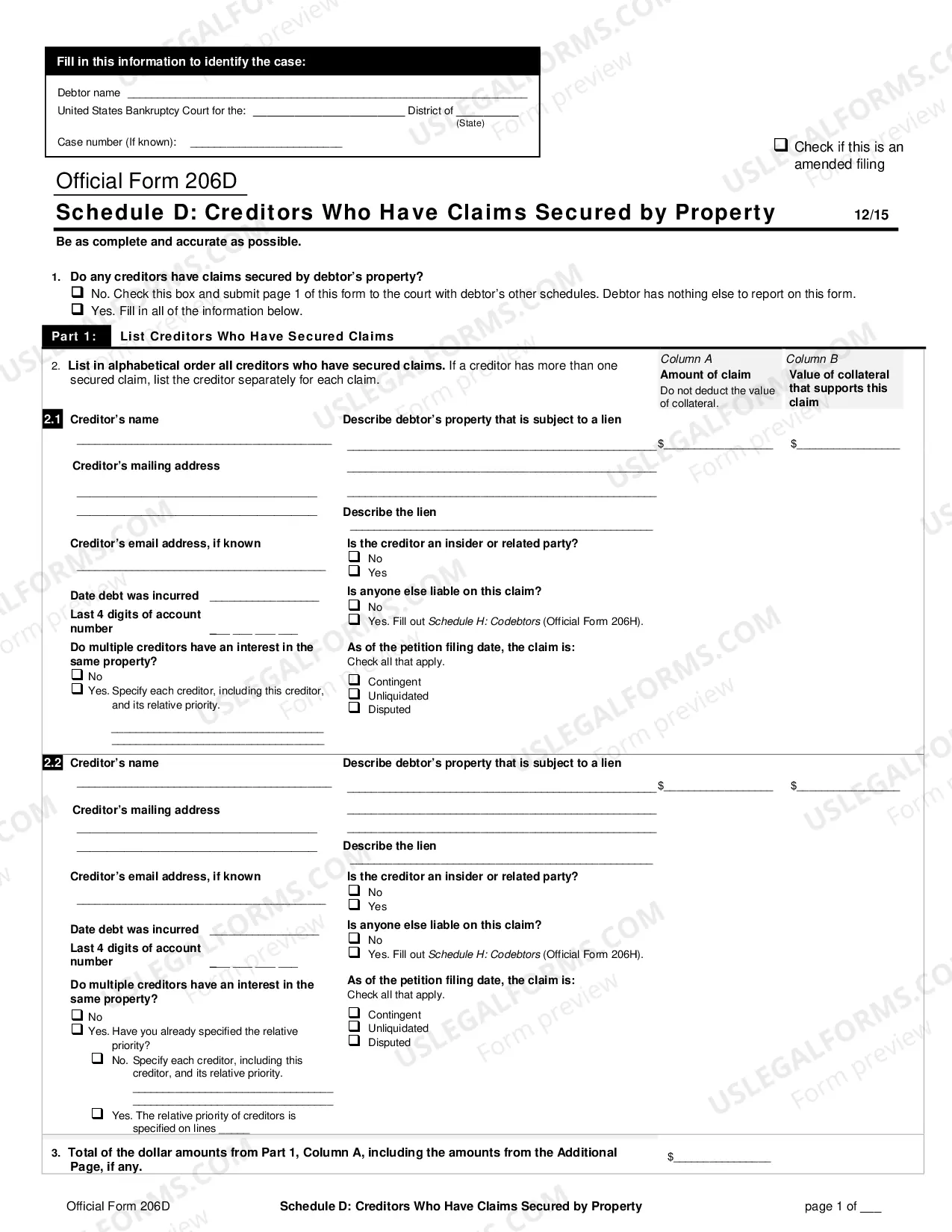


Form popularity
FAQ
Who can file Form I-129F? You can file Form I-129F if you are a U.S. citizen petitioning for either your fiancé to enter the U.S. for your marriage, and you have met your fiancé in person in the last two years.
AP i-131 is for travel purposes outside the us which upon return you get paroled into the US and thus legal entry. I-131F or PIP does not mean you get to travel but rather get paroled and the “legal entry” without ever needing to travel.
Who is eligible to apply for advance parole? Advance parole is an option for certain noncitizens within the U.S. This includes recipients of Deferred Action for Childhood Arrivals (DACA), recipients of Temporary Protected Status (TPS), T and U visa holders, and most applicants who have already applied for a green card.
For most cases, you may request an expedite by contacting the USCIS Contact Center or by asking Emma. (You can access Emma by clicking on the Ask Emma icon on the top right of this page). You need to explain why you need expedited processing.
You must file a separate Form I-130 for each eligible relative unless they can be considered a derivative beneficiary. See the form instructions for more information. If you submit a petition for your spouse, you must also submit Form I-130A, Supplemental Information for Spouse Beneficiary.
You can file Form I-131F, Application for Parole in Place for Certain Noncitizen Spouses and Stepchildren of U.S. Citizens, to request a temporary period of parole if you are the spouse or stepchild of a U.S. citizen and otherwise meet the eligibility criteria below.
The Form I-131F is to be completed by the noncitizen spouse or stepchild, and not the U.S. citizen. See the USCIS website at uscis/keepingfamiliestogether for more detailed information. Do not pose a threat to national security and public safety.
After filing Form I-130, Petition for Alien Relative, the approval process can take anywhere from 10 to 13 months for immediate relatives and could take several years for family preference categories. This is an approximation. It may be shorter for some and longer for others.
If the Form I- 130 petition is denied, the district director shall deny the Form I-485 application and the Form I- 601 ingly. If the Form I-130 is approved, the district director shall issue a new decision fully addressing the applicant's ground of inadmissibility and the merits of his Form I-601 application.