Divorce Alimony For Disabled Spouse In Pennsylvania
Description
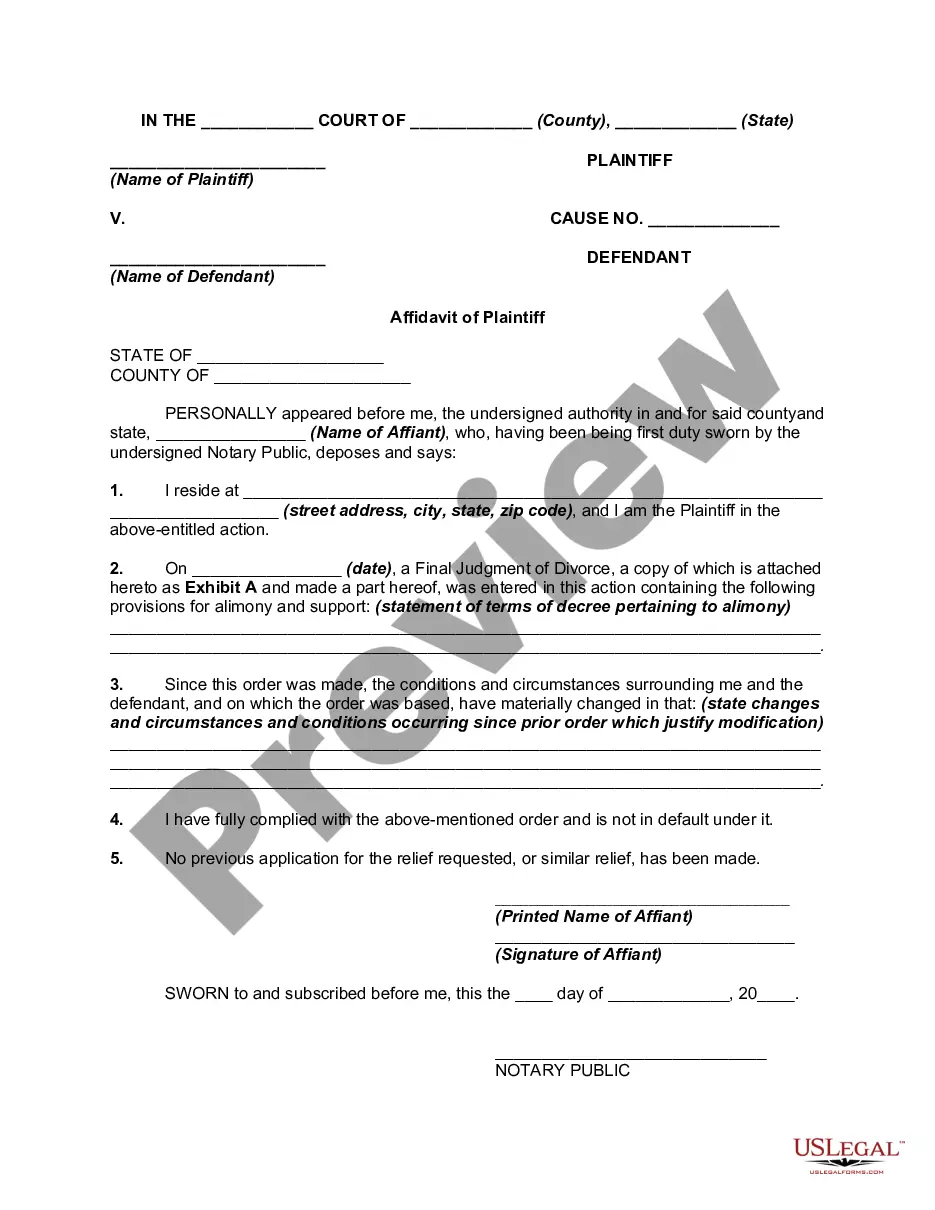
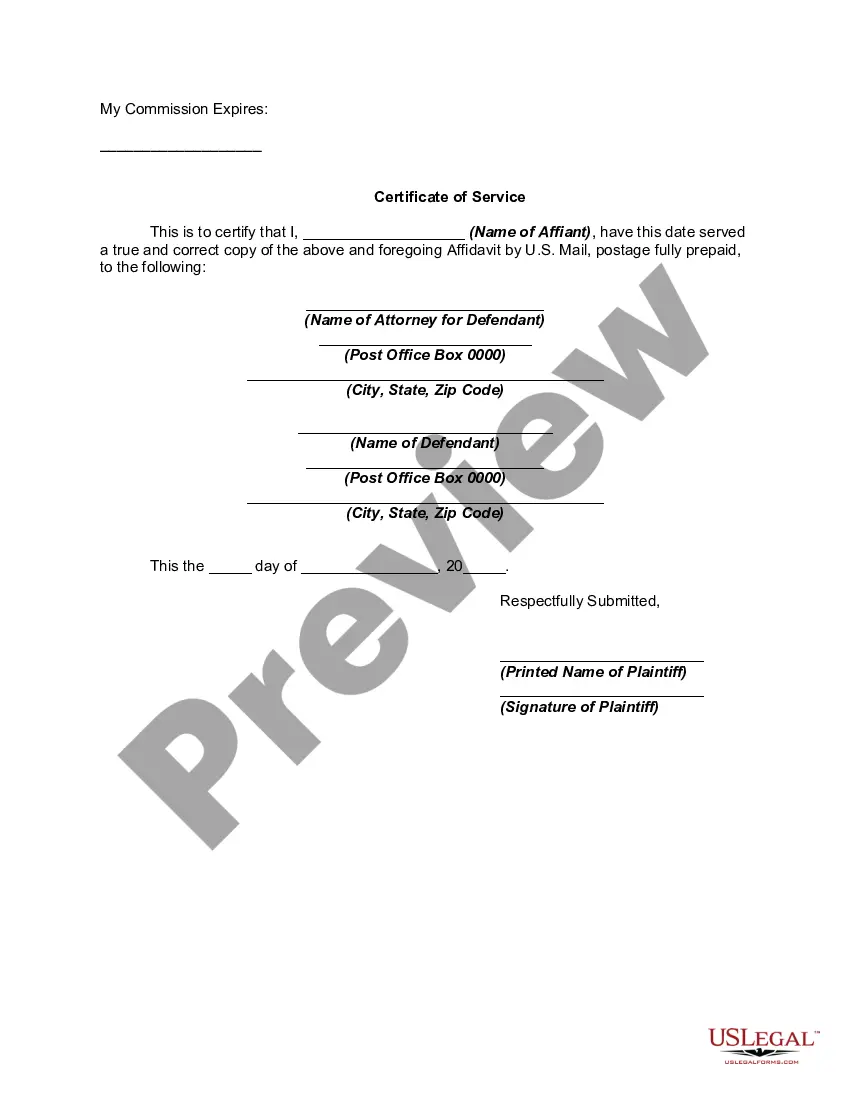
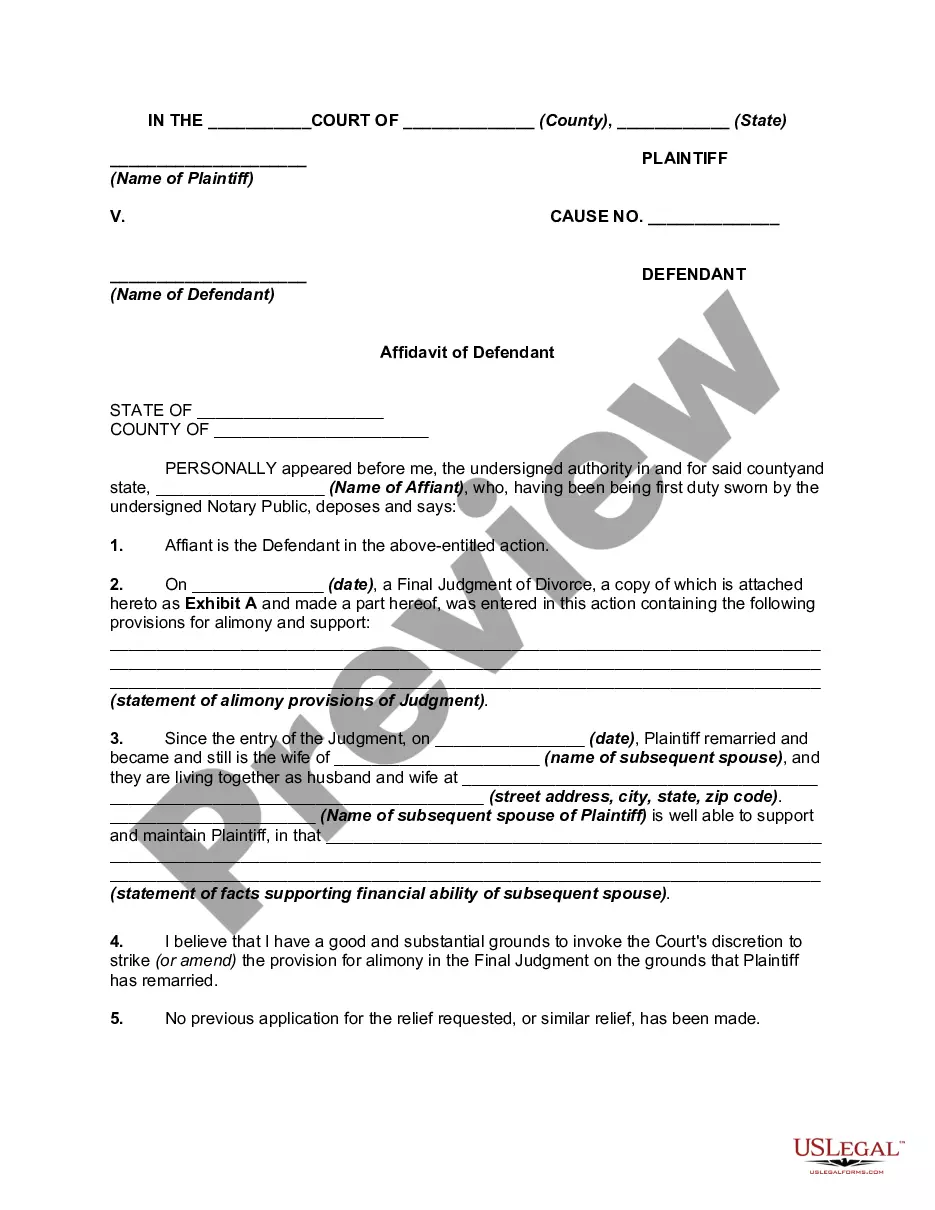
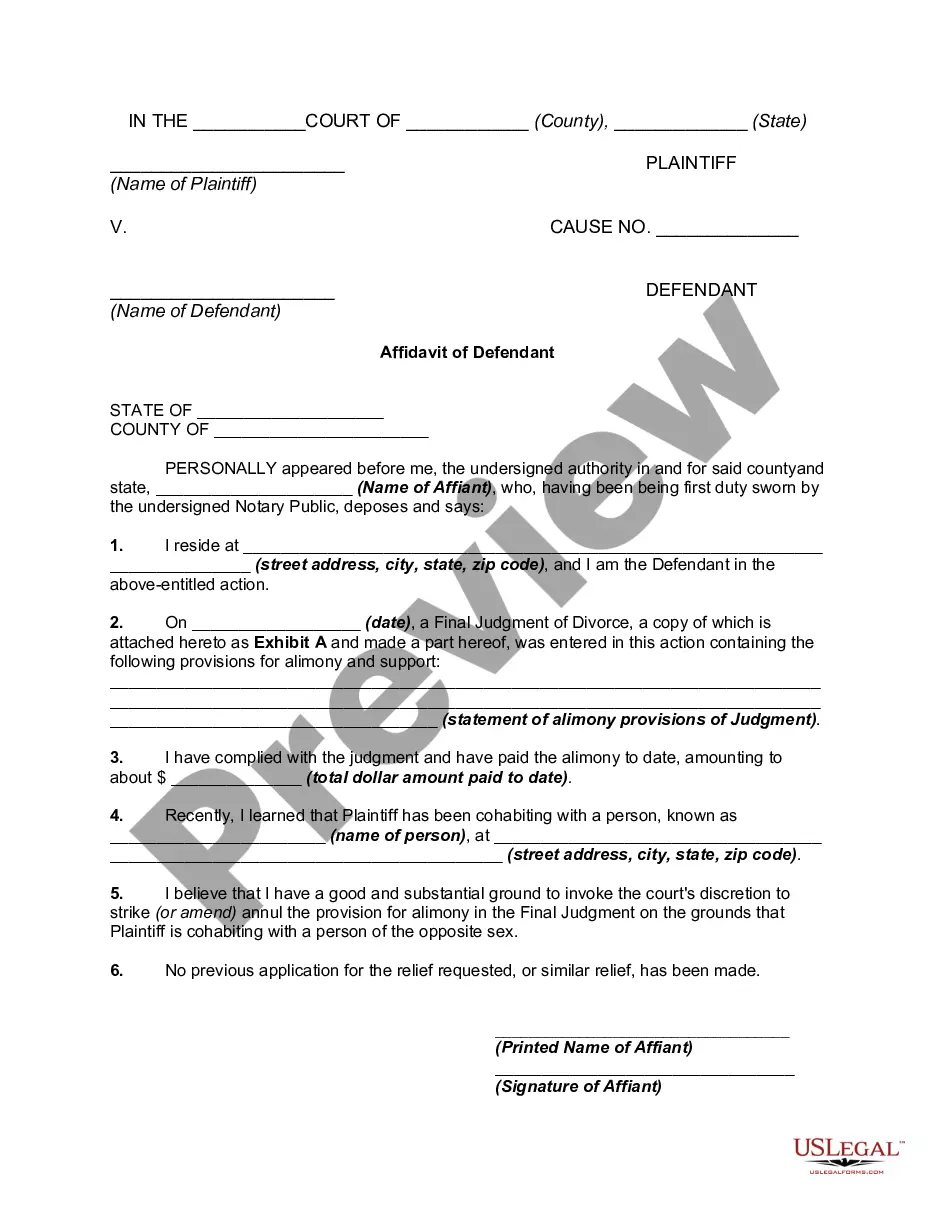
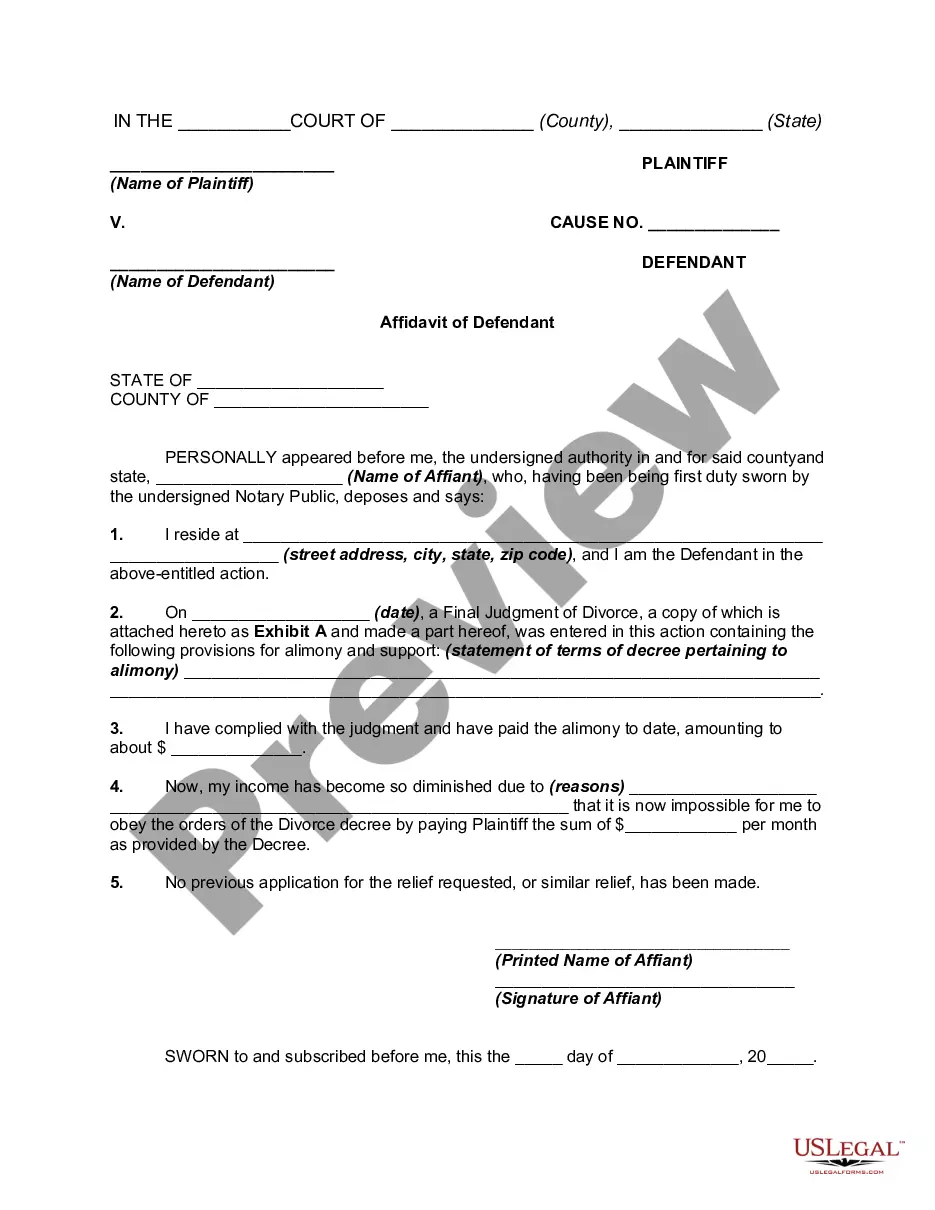
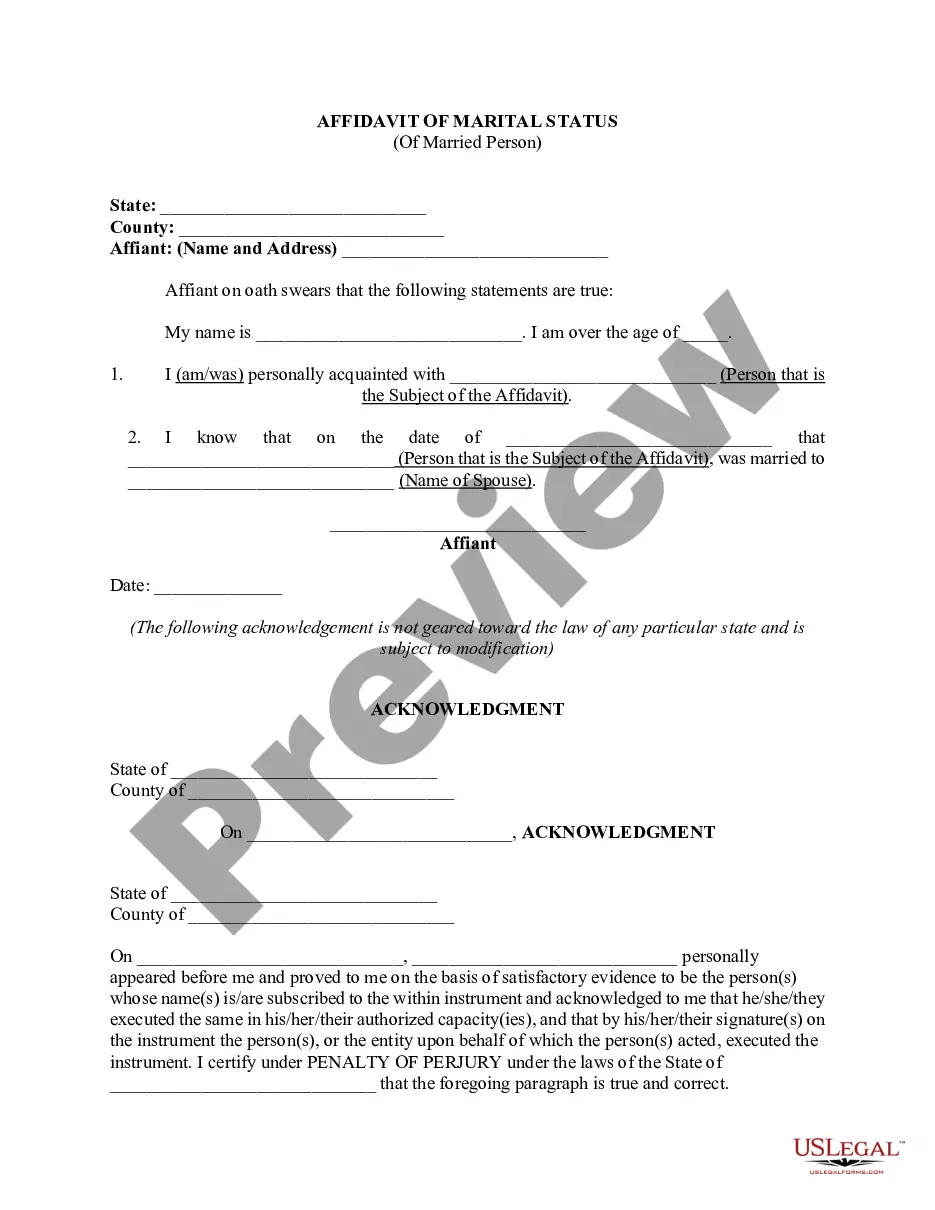
Get your form ready online
Our built-in tools help you complete, sign, share, and store your documents in one place.
Make edits, fill in missing information, and update formatting in US Legal Forms—just like you would in MS Word.
Download a copy, print it, send it by email, or mail it via USPS—whatever works best for your next step.
Sign and collect signatures with our SignNow integration. Send to multiple recipients, set reminders, and more. Go Premium to unlock E-Sign.
If this form requires notarization, complete it online through a secure video call—no need to meet a notary in person or wait for an appointment.
We protect your documents and personal data by following strict security and privacy standards.

Make edits, fill in missing information, and update formatting in US Legal Forms—just like you would in MS Word.

Download a copy, print it, send it by email, or mail it via USPS—whatever works best for your next step.

Sign and collect signatures with our SignNow integration. Send to multiple recipients, set reminders, and more. Go Premium to unlock E-Sign.

If this form requires notarization, complete it online through a secure video call—no need to meet a notary in person or wait for an appointment.

We protect your documents and personal data by following strict security and privacy standards.
Looking for another form?
Form popularity
FAQ
In Pennsylvania, it is possible to avoid alimony through negotiation of terms in the divorce settlement, proof of marital misconduct and establishing financial independence.
In general, disability benefits are often considered separate property and not subject to division in a divorce. This is because disability benefits are intended to compensate an individual for their own disability and are typically not considered marital assets.
A prenuptial or postnuptial agreement can prevent many alimony disputes. Such marital agreements allow couples to agree beforehand on whether spousal support would be awarded in the event of a divorce. California's Family Code 1612 states that couples can agree to waive spousal support in a prenup or postnup.
Such accumulated sums would, however, be considered by courts in equitable division states when determining overall property distributions. When calculating alimony, SSDI payments are considered income, while SSI is not.
Alimony is ordered when one spouse cannot meet their own reasonable needs. Once a divorce decree is finalized and all property is equitably distributed, financial support is known as alimony in Pennsylvania. The amount and duration of alimony are based on consideration of a wide variety of factors, including income.
The wife can be denied an alimony amount if it's proven that she's capable of supporting herself, or if she's engaged in misconduct such as adultery or abandonment. Delve into the intricacies of alimony laws with Ascent Law. Unearth legal principles and criteria governing spousal support scenarios.
Yes, your wife can switch from Social Security Disability Insurance (SSDI) payments to spousal benefits if the spousal benefits amount is higher. Here are some key points to consider:
The 17 Alimony Factors in Pennsylvania Relative earning capacity of each spouse. Age, physical and mental health of each spouse. Sources of income of each spouse. Inheritances of each spouse. Marriage length. Contribution to spouse's education. Children: whether earning capacity of the custodial parent is affected.
Yes. A spouse who's disability is permanent and makes them unable to get work that provides an adequate income for swlf-support may qualify for temporary or permanent alimony. Gender makes no difference.