Motion To Strike Form With 2 Points In Michigan
Description

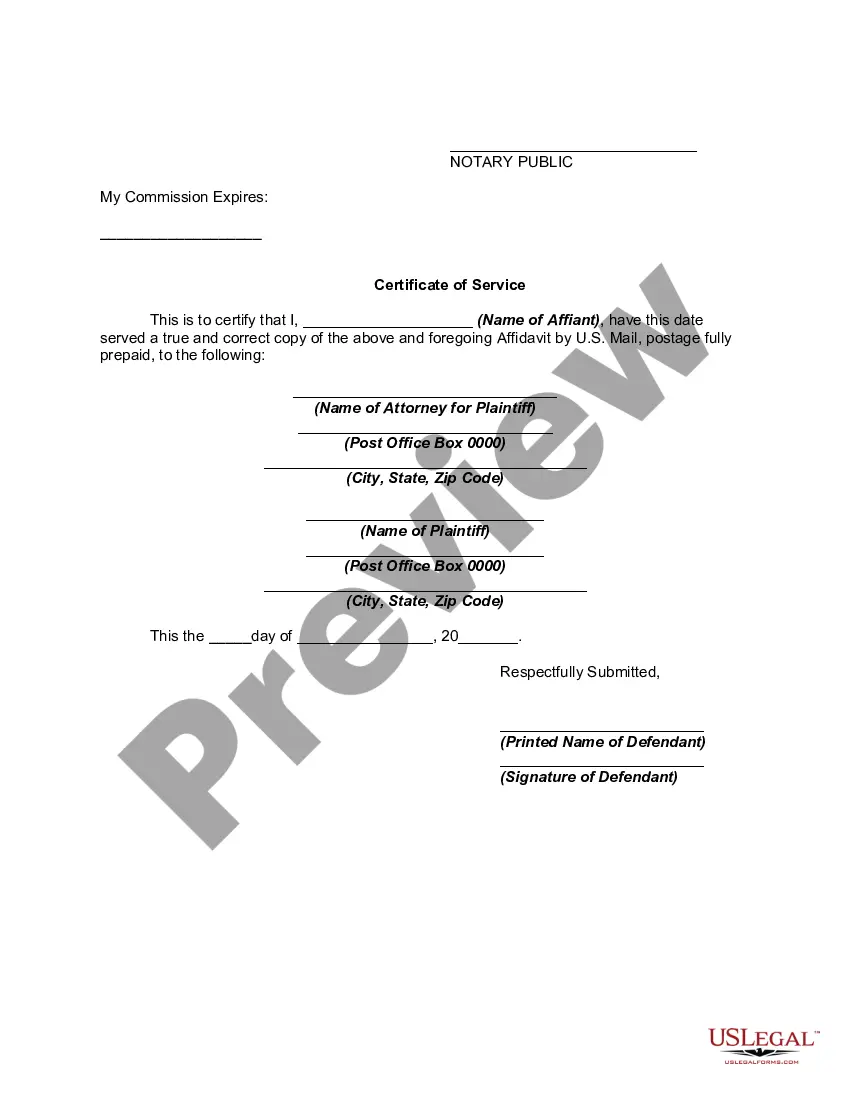




Get your form ready online
Our built-in tools help you complete, sign, share, and store your documents in one place.
Make edits, fill in missing information, and update formatting in US Legal Forms—just like you would in MS Word.
Download a copy, print it, send it by email, or mail it via USPS—whatever works best for your next step.
Sign and collect signatures with our SignNow integration. Send to multiple recipients, set reminders, and more. Go Premium to unlock E-Sign.
If this form requires notarization, complete it online through a secure video call—no need to meet a notary in person or wait for an appointment.
We protect your documents and personal data by following strict security and privacy standards.

Make edits, fill in missing information, and update formatting in US Legal Forms—just like you would in MS Word.

Download a copy, print it, send it by email, or mail it via USPS—whatever works best for your next step.

Sign and collect signatures with our SignNow integration. Send to multiple recipients, set reminders, and more. Go Premium to unlock E-Sign.

If this form requires notarization, complete it online through a secure video call—no need to meet a notary in person or wait for an appointment.

We protect your documents and personal data by following strict security and privacy standards.
Looking for another form?






Form popularity
FAQ
The Home Rule City Act resulted from the provisions of the 1908 state constitution, which called for home rule authority to be conferred upon the various local governments in the state. The 1963 state constitution retained these same home rule provisions.
File your Motion and the copies with the court clerk's office in the court where your case was heard. File a copy of the proposed order with your Motion. Contact your court to find out which filing methods are available. Depending on your court, you may be able to file electronically.
The court must sign a properly submitted proposed judgment or order if no written objections have been filed within 7 days after service of notice, as long as the judgment or order is consistent with the court's decision. MCR 2.602(B)(3). (This is commonly referred to as the “Seven-Day Rule.”)
Michigan's new scope allows discovery into any “matters that are relevant to any party's claims or defenses.” This is slightly narrower than its previous scope that allowed discovery of matters “relevant to the subject matter involved in the pending actions.”
On written request, the agency shall revoke a subpoena if the evidence, the production of which is required, does not relate to a matter in issue, or if the subpoena does not describe with sufficient particularity the evidence the production of which is required, or if for any other reason sufficient in law the ...
A motion to strike is a legal request made to a court to remove certain parts of the opposing party's pleadings. This can include irrelevant, redundant, or legally insufficient material from a complaint, answer, or other legal documents.
A motion to strike may be brought against complaints, cross-complaints, answers and demurrers. A motion to strike can be brought against an entire pleading, or any part of a pleading.
Rule 2.313 - Failure to Serve Disclosure or to Provide or to Permit Discovery; Sanctions (A) Motion for Order Compelling Disclosure or Discovery. A party, on reasonable notice to other parties and all persons affected, may apply for an order compelling disclosure or discovery as follows: (1) Appropriate Court.
A motion is a paper you can file in your case. It asks the court to decide something in your case. For example, if you need more time to answer a complaint against you, you can file a motion to extend the time to answer. If you do not have a case, you cannot file a motion.
