Alimony With Child Support In Michigan
Description

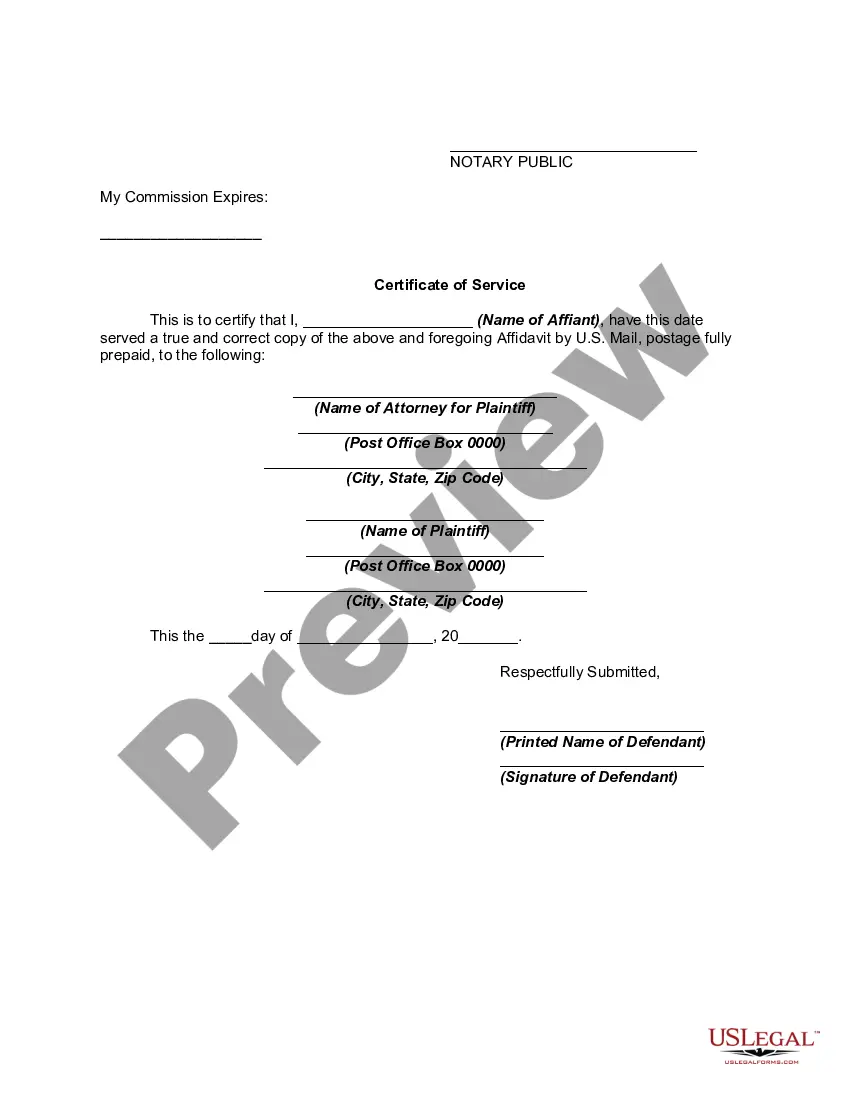




Get your form ready online
Our built-in tools help you complete, sign, share, and store your documents in one place.
Make edits, fill in missing information, and update formatting in US Legal Forms—just like you would in MS Word.
Download a copy, print it, send it by email, or mail it via USPS—whatever works best for your next step.
Sign and collect signatures with our SignNow integration. Send to multiple recipients, set reminders, and more. Go Premium to unlock E-Sign.
If this form requires notarization, complete it online through a secure video call—no need to meet a notary in person or wait for an appointment.
We protect your documents and personal data by following strict security and privacy standards.

Make edits, fill in missing information, and update formatting in US Legal Forms—just like you would in MS Word.

Download a copy, print it, send it by email, or mail it via USPS—whatever works best for your next step.

Sign and collect signatures with our SignNow integration. Send to multiple recipients, set reminders, and more. Go Premium to unlock E-Sign.

If this form requires notarization, complete it online through a secure video call—no need to meet a notary in person or wait for an appointment.

We protect your documents and personal data by following strict security and privacy standards.
Looking for another form?

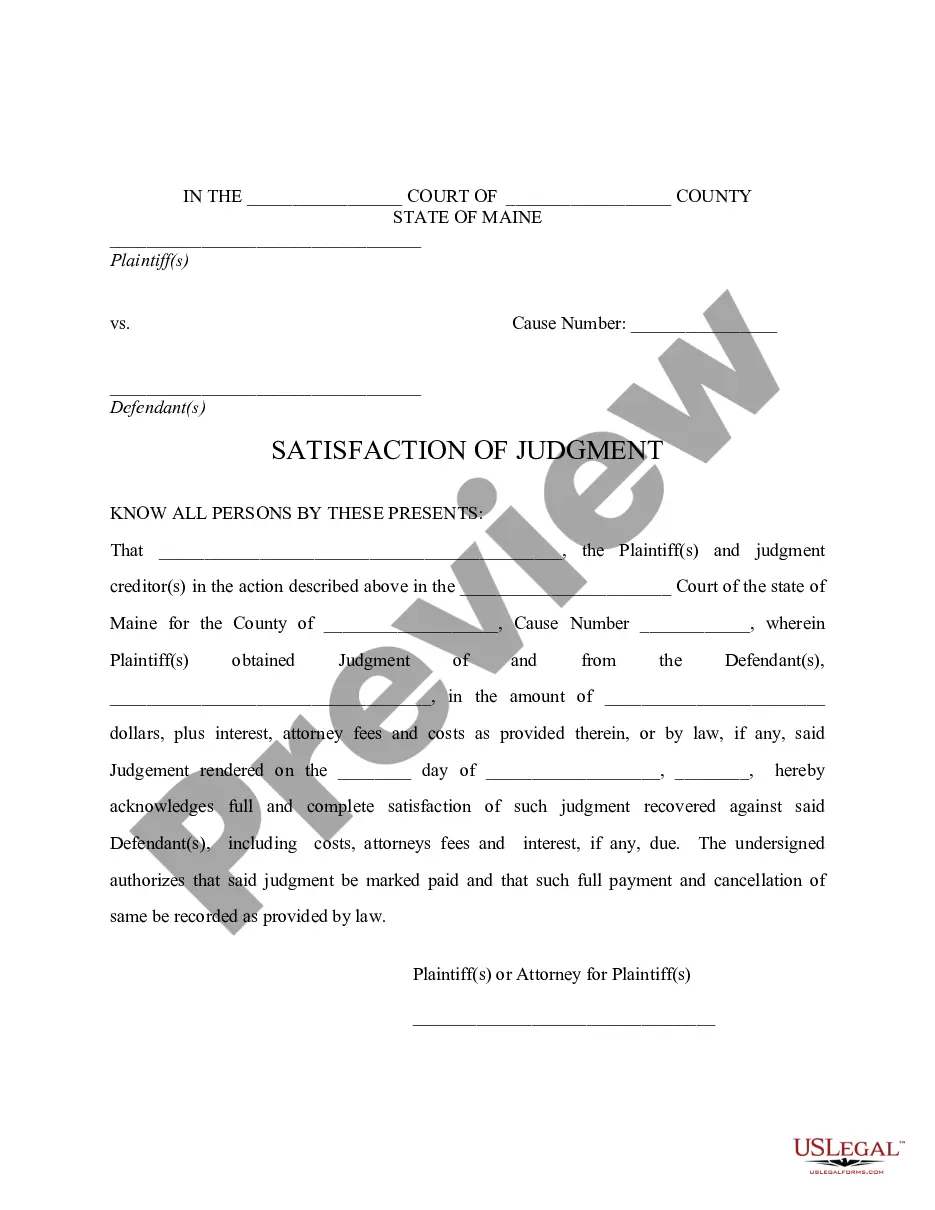
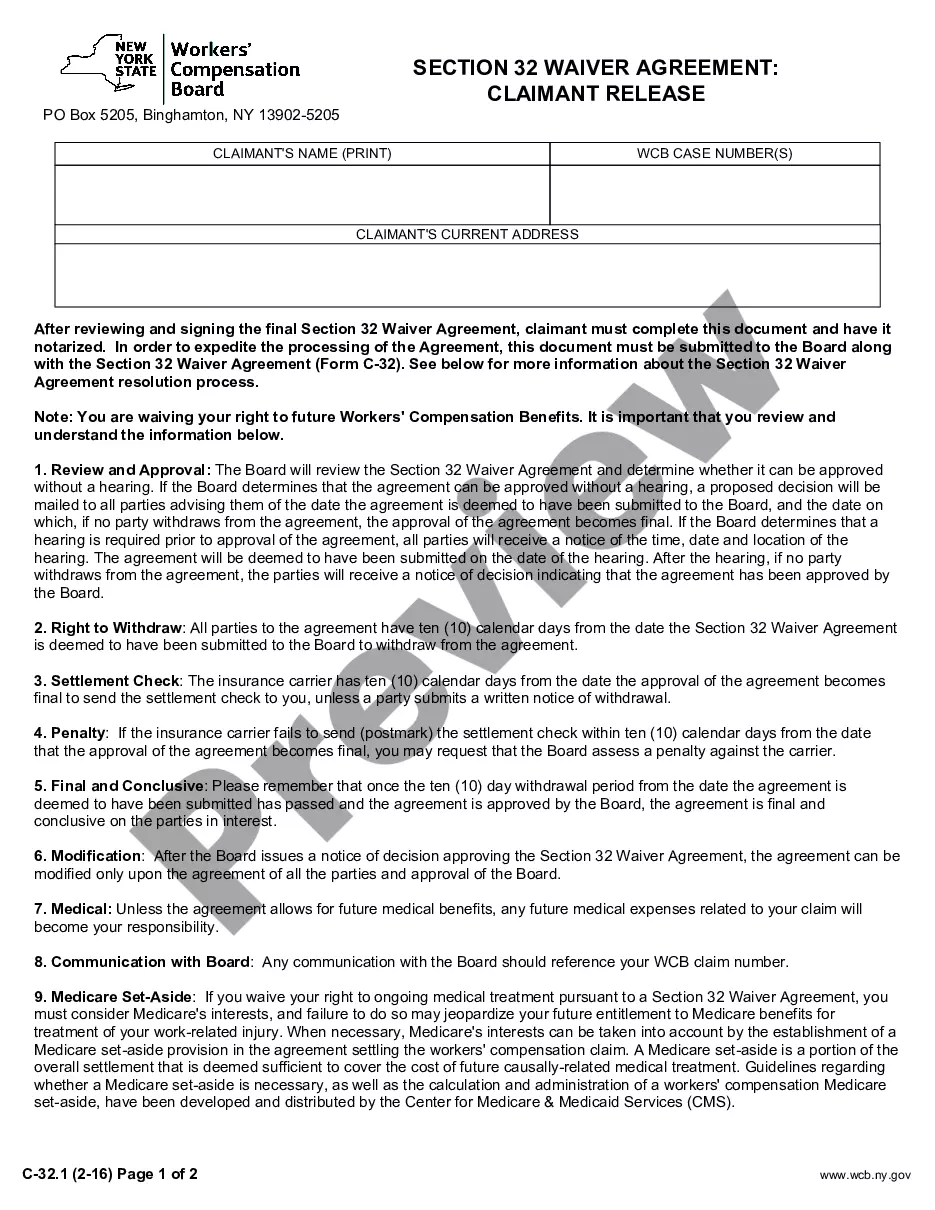

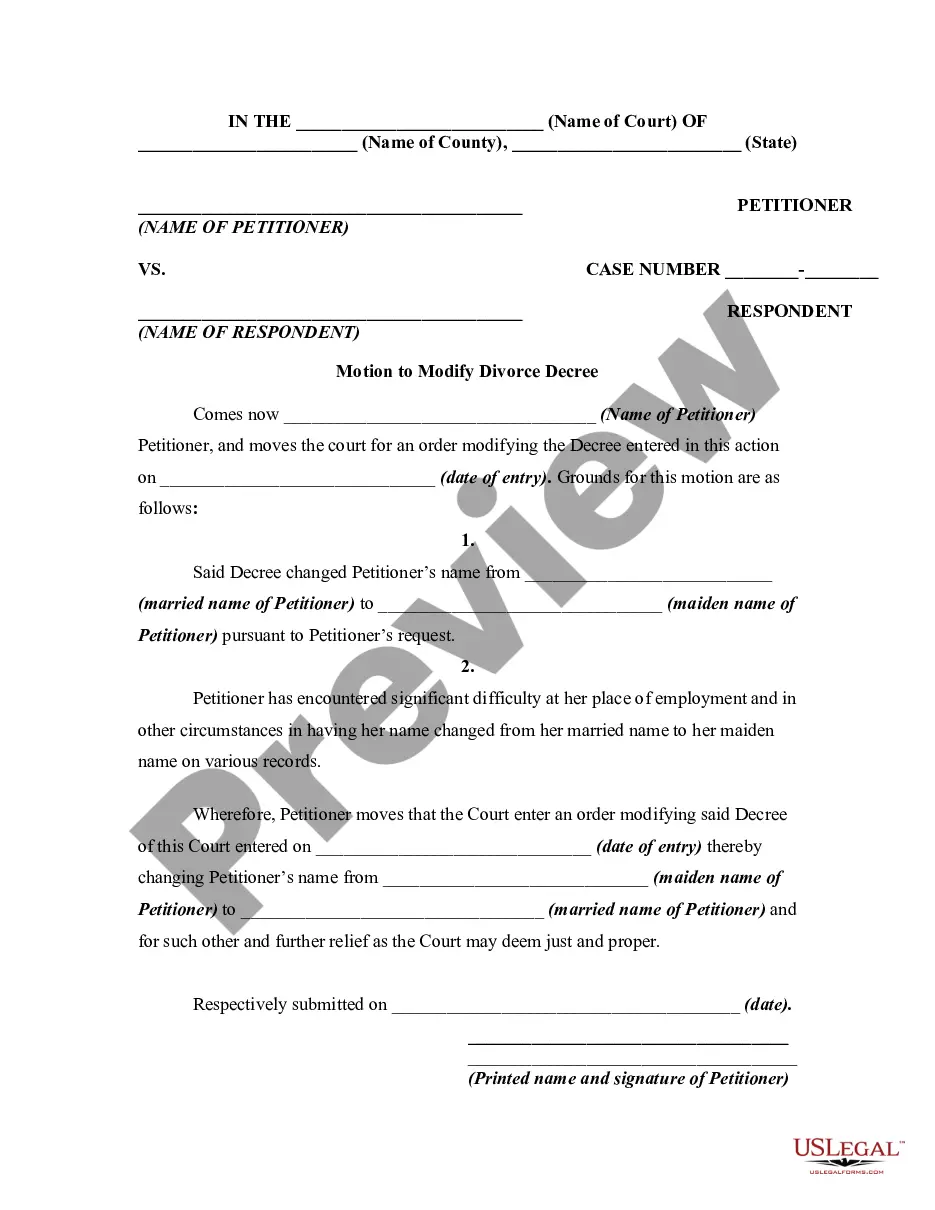
Form popularity
FAQ
California determines alimony based on the recipient's “marital standard of living,” which aims to allow the spouse to continue living in a similar manner as during the marriage.
There are many considered factors, but the primary factors used to determine spousal support is income and earning capacity. The Court looks at the present income as well as separate property available to the supported party.
The person asking for alimony must show the court that he or she needs financial support, and that the other spouse has the ability to provide financial support.
Child support is never deductible and isn't considered income. Additionally, if a divorce or separation instrument provides for alimony and child support, and the payer spouse pays less than the total required, the payments apply to child support first. Only the remaining amount is considered alimony.
An award of spousal support isn't automatic in a Michigan divorce case. While there is no legal requirement for spousal support, it is awarded on a case-by-case basis depending on the facts of the matter and the needs of the dependent spouse.
California Alimony California determines alimony based on the recipient's “marital standard of living,” which aims to allow the spouse to continue living in a similar manner as during the marriage.
In Michigan there is no specific mathematical Michigan alimony formula for determining whether or not spousal support should be awarded. Finally, there is no specific mathematical Michigan alimony formula for determining the length of time that spousal support should be awarded.
So a spouse's adultery can have a direct impact on whether a judge believes alimony is warranted in a case. At first blush that might seem like contradictory thinking—the state prohibits using adultery as a reason to get a divorce, but allows it to come into play in alimony decisions.
Some methods for terminating alimony payments in Michigan include: Show your spouse has remarried — State law says you can ask the courts to terminate your alimony payments if your spouse has remarried. Ask for a termination date in your divorce decree — You should not have to support your ex-spouse forever.
