Motion To Strike In Divorce Case In Florida
Description

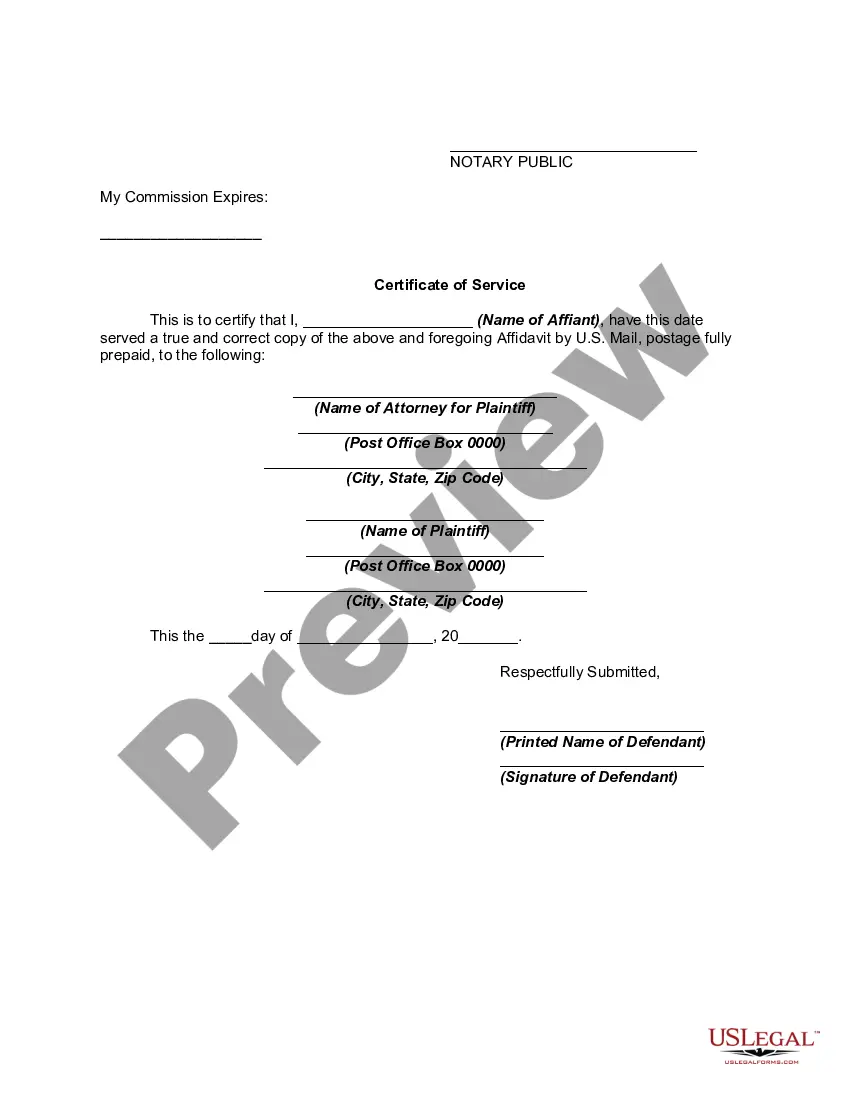




Get your form ready online
Our built-in tools help you complete, sign, share, and store your documents in one place.
Make edits, fill in missing information, and update formatting in US Legal Forms—just like you would in MS Word.
Download a copy, print it, send it by email, or mail it via USPS—whatever works best for your next step.
Sign and collect signatures with our SignNow integration. Send to multiple recipients, set reminders, and more. Go Premium to unlock E-Sign.
If this form requires notarization, complete it online through a secure video call—no need to meet a notary in person or wait for an appointment.
We protect your documents and personal data by following strict security and privacy standards.

Make edits, fill in missing information, and update formatting in US Legal Forms—just like you would in MS Word.

Download a copy, print it, send it by email, or mail it via USPS—whatever works best for your next step.

Sign and collect signatures with our SignNow integration. Send to multiple recipients, set reminders, and more. Go Premium to unlock E-Sign.

If this form requires notarization, complete it online through a secure video call—no need to meet a notary in person or wait for an appointment.

We protect your documents and personal data by following strict security and privacy standards.
Looking for another form?

Form popularity
FAQ
Throughout the entire state of Florida a Motion to Compel is pretty much the same. After the motion is filed the person trying to enforce the disclosure schedules a short hearing and asks the judge to enforce the issue.
A motion to compel against a party to the action must be brought in the court in which the action is pending. If the offending party is not a party to the action, the motion must be brought in the circuit court where the deposition is being taken. Fla. R.
What is a Motion to Compel? A motion to compel filed in Los Angeles County courts by a Los Angeles family law attorney is a request that the court take action because a party or third party is not cooperating with valid discovery requests.
About the motions A “motion” is a request you file with the court asking the court to do something—in this case, to change or enforce your order. The three motions are: Motion to Modify. Motion to Enforce. Motion for Contempt.
If the opposing party fails to cooperate or you suspect foul play, you should file a motion to compel. It upholds proper legal practices and ensures the fairest outcome for your client. However, filing such motions is challenging and requires following a strict legal process.
(f) Motion to Strike. A party may move to strike or the court may strike redundant, immaterial, impertinent, or scandalous matter from any pleading at any time.
Throughout the entire state of Florida a Motion to Compel is pretty much the same. After the motion is filed the person trying to enforce the disclosure schedules a short hearing and asks the judge to enforce the issue.
I. Reason for Motion to Strike A motion to strike can be brought to strike any “irrelevant, false or improper matter inserted in any pleading,” or to challenge a pleading that is “not drawn or filed in conformity with the laws of this state, a court rule or order of court.” (Code Civ. Proc., § 436.)