Motion To Strike Form For Settlement Florida In Contra Costa
Description

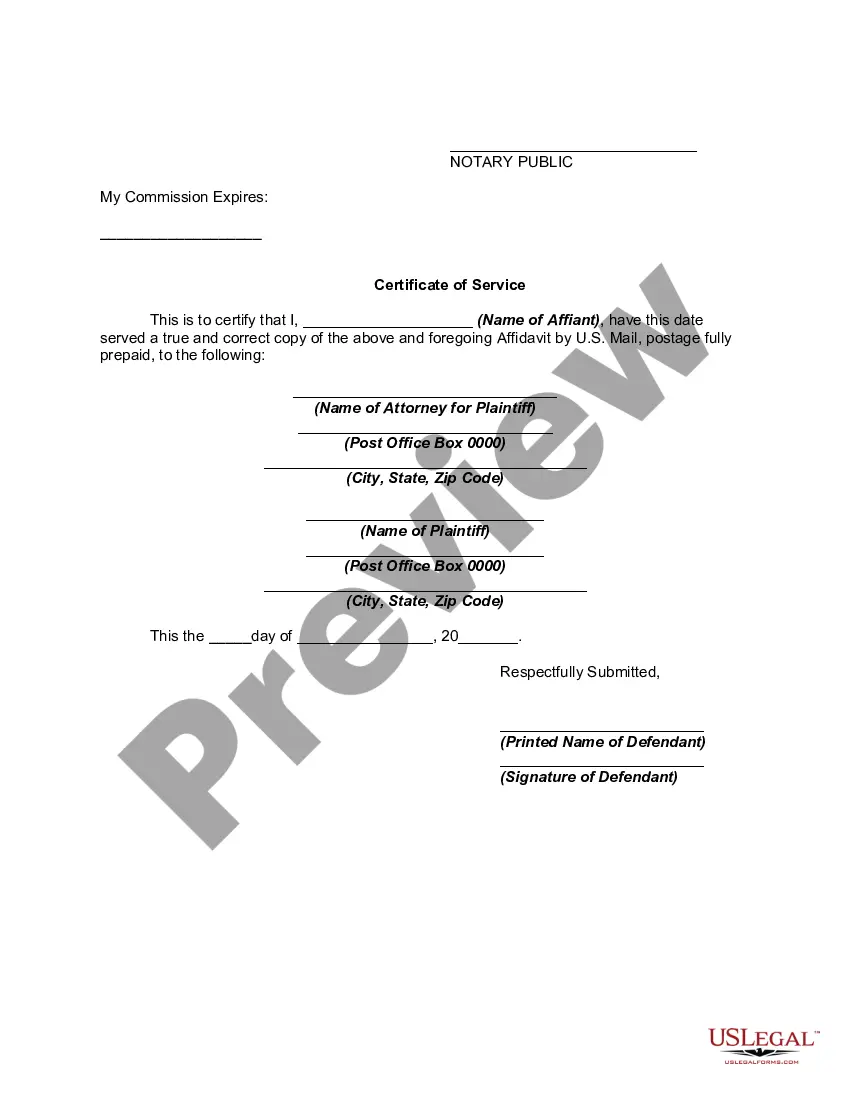




Get your form ready online
Our built-in tools help you complete, sign, share, and store your documents in one place.
Make edits, fill in missing information, and update formatting in US Legal Forms—just like you would in MS Word.
Download a copy, print it, send it by email, or mail it via USPS—whatever works best for your next step.
Sign and collect signatures with our SignNow integration. Send to multiple recipients, set reminders, and more. Go Premium to unlock E-Sign.
If this form requires notarization, complete it online through a secure video call—no need to meet a notary in person or wait for an appointment.
We protect your documents and personal data by following strict security and privacy standards.

Make edits, fill in missing information, and update formatting in US Legal Forms—just like you would in MS Word.

Download a copy, print it, send it by email, or mail it via USPS—whatever works best for your next step.

Sign and collect signatures with our SignNow integration. Send to multiple recipients, set reminders, and more. Go Premium to unlock E-Sign.

If this form requires notarization, complete it online through a secure video call—no need to meet a notary in person or wait for an appointment.

We protect your documents and personal data by following strict security and privacy standards.
Looking for another form?
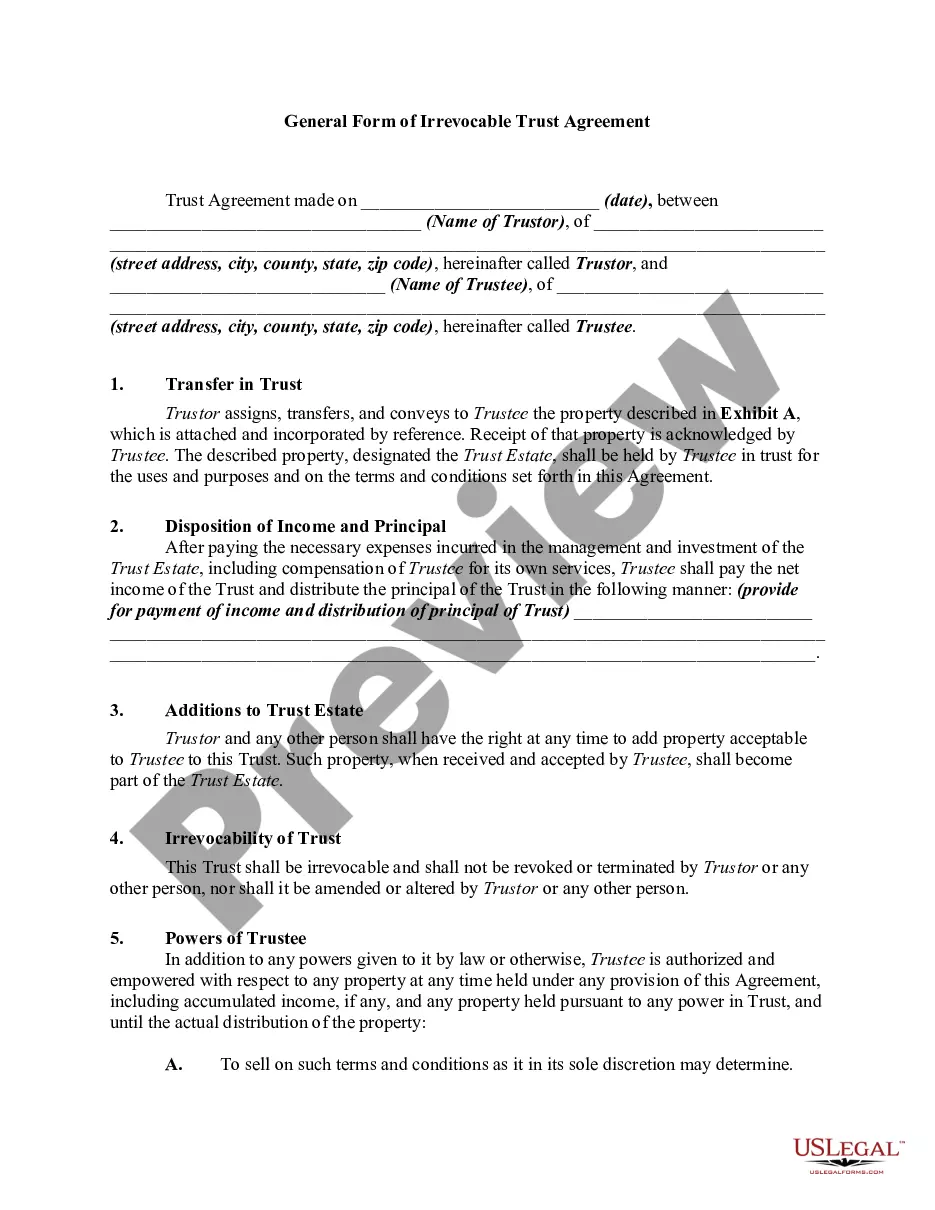
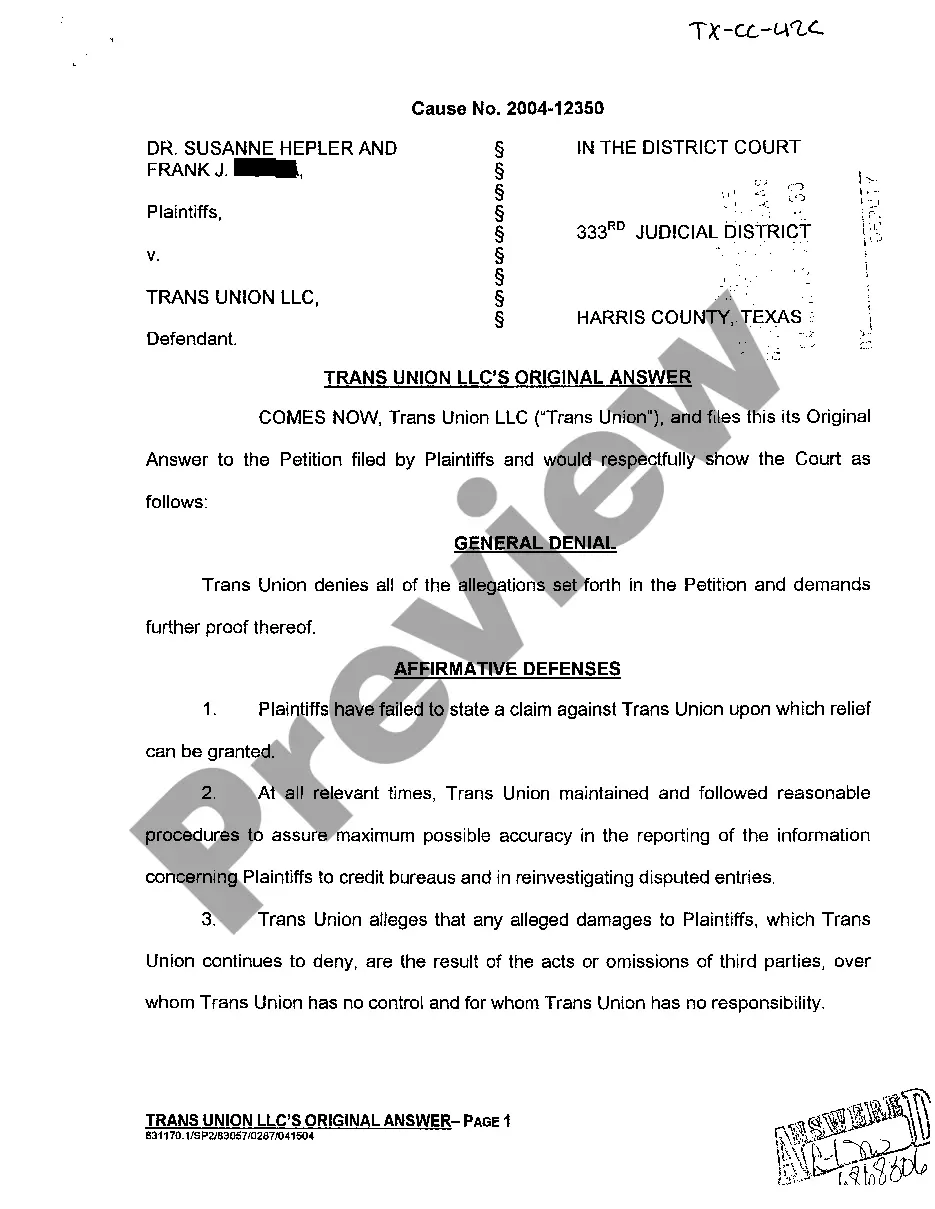
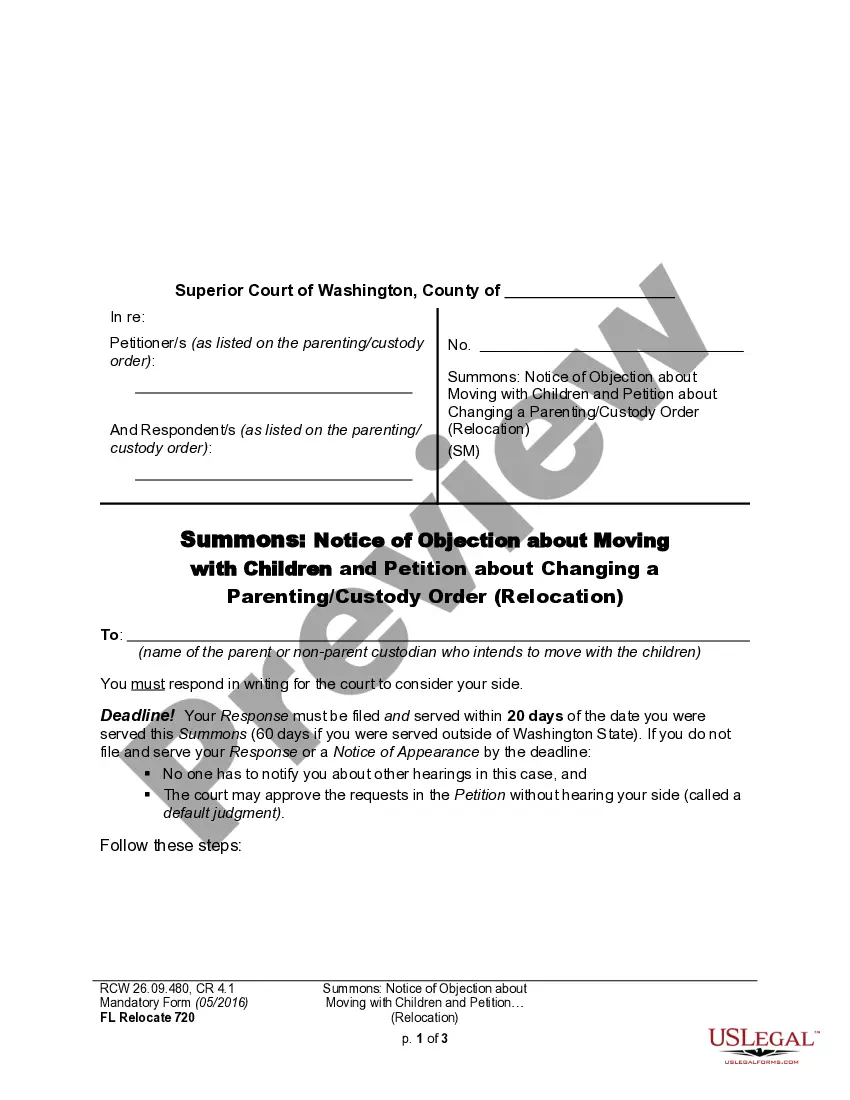
Form popularity
FAQ
If the two sides cannot reach an agreement, the defendant has to file and serve the demurrer or motion to strike within the deadline (usually 30 days) for responding to the Complaint. The other side then gets a chance to file a response before a court date where the judge will make a decision.
When opposing a properly supported motion for summary judgment, a party must respond with specific facts showing that there is a genuine issue of material fact and that the moving party is not entitled to judgment as a matter of law.
A motion for summary judgment is a motion asking the court to issue summary judgment on at least one claim. If the motion is granted, a decision is made on the claims involved without holding a trial.
Under Code of Civil Procedure § 437c(c), a motion for summary judgment "shall be granted if all the papers submitted show that there is no triable issue as to any material fact and that the moving party is entitled to judgment as a matter of law." (Code Civ. Proc. § 437c(c).)
Family Code section 2122 provides that a party may move to set aside a judgment based on fraud, perjury, duress, mental incapacity, mistake or failure to comply with family law disclosure requirements. The time limitations, described below, are more generous than CCP 473(b)'s six months.
A summary judgment means the court believes there's no dispute worth resolving. However, this isn't always true. To avoid a summary judgment, it's essential to file a counter-motion with a supporting memorandum. If that step isn't taken, the judge may grant the motion.
A judge can set aside a default judgment for the following reasons, among others: Mistake, inadvertence, surprise, or excusable neglect of the party who failed to defend himself in the case. Fraud, misrepresentation, or other misconduct by the party who filed the case.
When a court renders a decision of another court to be invalid, that verdict or decision is set aside; see also annul or vacate. The phrase is often used in the context of appeals, when an appellate court invalidates the judgment of a lower court. For example, in Eckenrode v.
With respect to a stipulated or uncontested judgment, a party may move to set it aside on the basis of mistake, either mutual or unilateral, whether the mistake is of law or fact. Similar to a post-judgment modification, the court is unwilling to grant a motion to set aside unless the criteria set forth above is met.
