Alimony Spouse Support Withholding In Nassau
Description

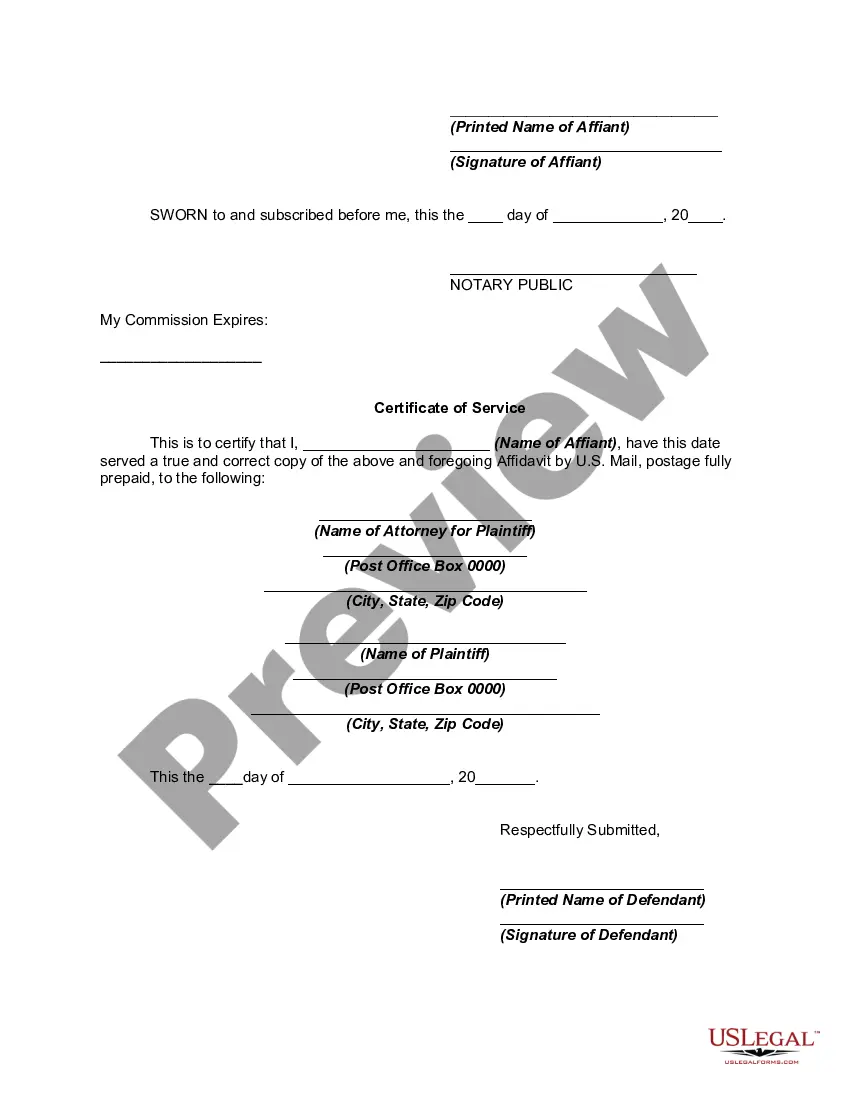




Get your form ready online
Our built-in tools help you complete, sign, share, and store your documents in one place.
Make edits, fill in missing information, and update formatting in US Legal Forms—just like you would in MS Word.
Download a copy, print it, send it by email, or mail it via USPS—whatever works best for your next step.
Sign and collect signatures with our SignNow integration. Send to multiple recipients, set reminders, and more. Go Premium to unlock E-Sign.
If this form requires notarization, complete it online through a secure video call—no need to meet a notary in person or wait for an appointment.
We protect your documents and personal data by following strict security and privacy standards.

Make edits, fill in missing information, and update formatting in US Legal Forms—just like you would in MS Word.

Download a copy, print it, send it by email, or mail it via USPS—whatever works best for your next step.

Sign and collect signatures with our SignNow integration. Send to multiple recipients, set reminders, and more. Go Premium to unlock E-Sign.

If this form requires notarization, complete it online through a secure video call—no need to meet a notary in person or wait for an appointment.

We protect your documents and personal data by following strict security and privacy standards.
Looking for another form?



Form popularity
FAQ
In New York State a married person may be legally responsible to provide for the support of his or her spouse during their marriage, if that spouse lacks sufficient income or assets to provide for his or her own reasonable needs.
In New York, spousal support/ maintenance is determined by a guideline calculator based upon the income of the two parties and the length of their marriage. The Court is allowed to deviate from the guideline amount based on a number of potential rebuttal factors, however, such deviations are rare.
NYC Spousal Support Calculation In 2021, the cap was $192,000. Effective March 1, 2022, the spousal support cap will be $203,000. If the payor-spouse's income is more than $203,000, the court uses the standard formula for the income up to and including the income cap.
New York's equitable distribution law specifies that you are entitled to a division of all “marital property” assets that were acquired during the marriage. With few exceptions, marital property generally includes both spouses' income, purchases made with that income, and retirement benefits.
Income of the Respective Spouses Typically, the judge will take 20% of the lower-earning spouse's income and subtract that number from 30% of the higher-earning spouse's income. For example, one spouse makes $100,000, and the other makes $20,000. Thirty percent of $100,000 is $30,000, and 20% of $20,000 is $4,000.
In most cases, if a spouse can work and their former spouse cannot afford to provide spousal support, the court can deny alimony. It is pertinent to note that New York is a no-fault divorce state, meaning both parties could cite fault grounds, however, it will not affect whether a spouse is granted spousal maintenance.
California and the federal government have different tax laws about spousal support (also known as alimony). For California income taxes, the person paying support can deduct the payments. The person receiving support must report the payments as income.
