Motion For Strike In Los Angeles
Description

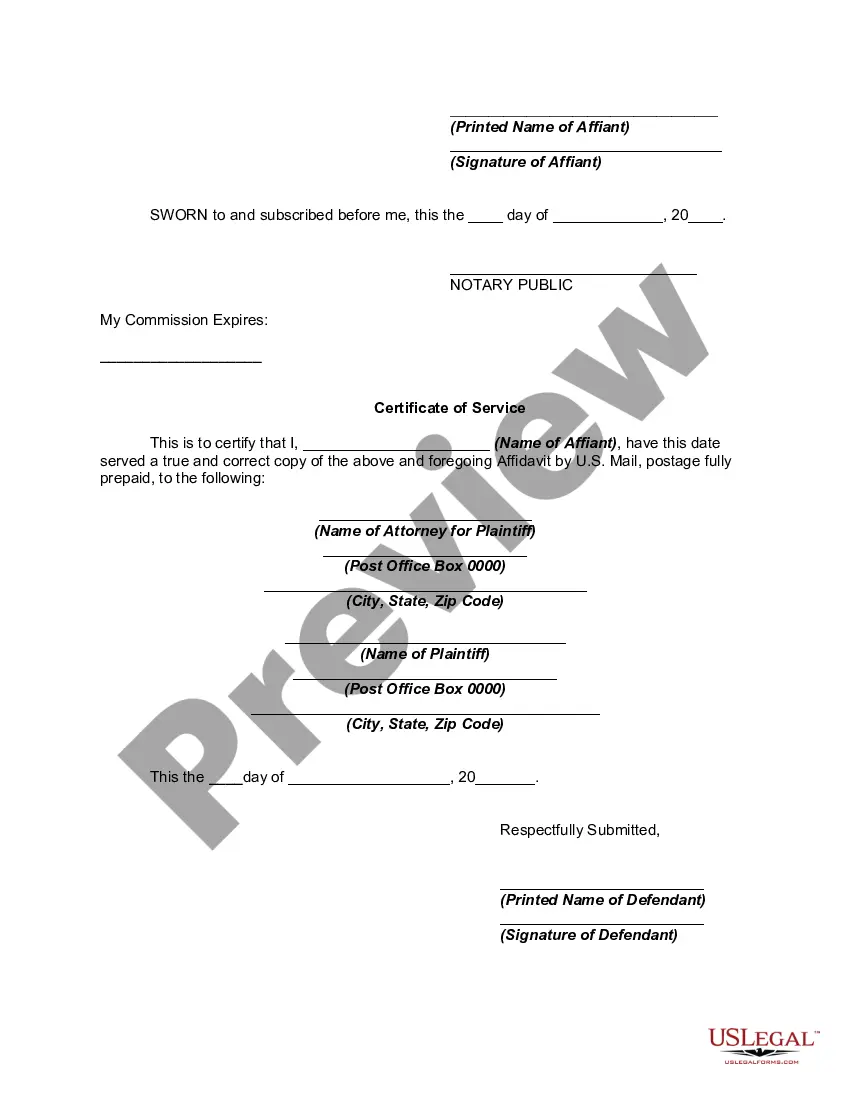




Get your form ready online
Our built-in tools help you complete, sign, share, and store your documents in one place.
Make edits, fill in missing information, and update formatting in US Legal Forms—just like you would in MS Word.
Download a copy, print it, send it by email, or mail it via USPS—whatever works best for your next step.
Sign and collect signatures with our SignNow integration. Send to multiple recipients, set reminders, and more. Go Premium to unlock E-Sign.
If this form requires notarization, complete it online through a secure video call—no need to meet a notary in person or wait for an appointment.
We protect your documents and personal data by following strict security and privacy standards.

Make edits, fill in missing information, and update formatting in US Legal Forms—just like you would in MS Word.

Download a copy, print it, send it by email, or mail it via USPS—whatever works best for your next step.

Sign and collect signatures with our SignNow integration. Send to multiple recipients, set reminders, and more. Go Premium to unlock E-Sign.

If this form requires notarization, complete it online through a secure video call—no need to meet a notary in person or wait for an appointment.

We protect your documents and personal data by following strict security and privacy standards.
Looking for another form?






Form popularity
FAQ
Motion to Strike This asks the court to take something out of the Complaint because it is not understandable, it is repetitive, it isn't legal, or it doesn't matter. This motion can help to limit what the case is about so you do not have to defend that part of the case.
Motion to Strike Example Plaintiff supermarket alleges it has a contract with its subtenant (say, a bank or a coffee shop), the landlord knew of the contract and induced the subtenant to breach its sublease with plaintiff to take open retail space owned by the landlord in the same shopping center as the supermarket.
436. The court may, upon a motion made pursuant to Section 435, or at any time in its discretion, and upon terms it deems proper: (a) Strike out any irrelevant, false, or improper matter inserted in any pleading.
Grounds for a motion to strike include the following: The pleading is false; that is, untrue. The pleading is filed without the required leave of court. The form of pleading is in violation of a court order. The pleading is filed late. The pleading is barred by the statute of limitations. The pleading must be verified.
A motion to strike material from a complaint must be filed before filing an answer. FRCP 12(f). Therefore, unless otherwise ordered by the court, the motion must be filed by the defendant within 21 days after being served with a summons and complaint, or within 60 days if service of the complaint was timely waived.
C.C.P. § 436 allows for a motion to strike “any irrelevant, false, or improper matter asserted in any pleading” or portion of a pleading “not drawn of filed in conformity with the laws of this state.” A motion to strike is proper “when a substantive defect is clear from the face of a complaint.” (PH II, Inc.
What happens with one "strike" prior? A defendant who is convicted of any new felony who has one "strike" prior (known as a second striker) must go to prison (i.e., cannot be sent to a rehab facility or placed on probation) for twice the sentence otherwise prescribed for the new offense.
What happens next? If we filed the motion to strike in a trial court, then we will set the motion to be heard by a judge or magistrate, and be ruled upon. If we filed it in an appeals court, the appeals court will read the motion and offending document and will rule on it without hearing.
