Motion To Strike For More Definite Statement In Chicago
Description





Get your form ready online
Our built-in tools help you complete, sign, share, and store your documents in one place.
Make edits, fill in missing information, and update formatting in US Legal Forms—just like you would in MS Word.
Download a copy, print it, send it by email, or mail it via USPS—whatever works best for your next step.
Sign and collect signatures with our SignNow integration. Send to multiple recipients, set reminders, and more. Go Premium to unlock E-Sign.
If this form requires notarization, complete it online through a secure video call—no need to meet a notary in person or wait for an appointment.
We protect your documents and personal data by following strict security and privacy standards.

Make edits, fill in missing information, and update formatting in US Legal Forms—just like you would in MS Word.

Download a copy, print it, send it by email, or mail it via USPS—whatever works best for your next step.

Sign and collect signatures with our SignNow integration. Send to multiple recipients, set reminders, and more. Go Premium to unlock E-Sign.

If this form requires notarization, complete it online through a secure video call—no need to meet a notary in person or wait for an appointment.

We protect your documents and personal data by following strict security and privacy standards.
Looking for another form?


Form popularity
FAQ
Sec. 2-607. Bills of particulars. (a) Within the time a party is to respond to a pleading, that party may, if allegations are so wanting in details that the responding party should be entitled to a bill of particulars, file and serve a notice demanding it.
Summary. Rule 12(f) allows courts to strike redundant, immaterial, impertinent, or scandalous matter from pleadings. Judge Hollander's opinion in Blevins v. Piatt provides clear criteria for granting or denying a Rule 12(f) motion.
As with all motions, a motion to strike must state with particularity the grounds for seeking the order to strike, as well as the relief sought. FRCP 7(b); Smart Code®. Under FRCP 12(f), the court may strike from a pleading an insufficient defense or any redundant, immaterial, impertinent, or scandalous matter.
Rule 12— Defenses and Objections— When and How Presented— By Pleading or Motion— Motion for Judgment on the Pleadings. (a) When Presented. (1) Unless a different time is prescribed in a statute of the United States, a defendant shall serve an answer.
Rule 12(b)(6) is a provision under the Federal Rules of Civil Procedure that allows a defendant to seek dismissal of a complaint for failure to state a claim upon which relief can be granted.
Summary. Rule 12(f) allows courts to strike redundant, immaterial, impertinent, or scandalous matter from pleadings. Judge Hollander's opinion in Blevins v. Piatt provides clear criteria for granting or denying a Rule 12(f) motion.
A motion to strike is a request to a judge that part of a party's pleading or a piece of evidence be removed from the record. During the pleading stage, this can be accomplished by a tool such as Rule 12(f) of the Federal Rules of Civil Procedure or a state equivalent.
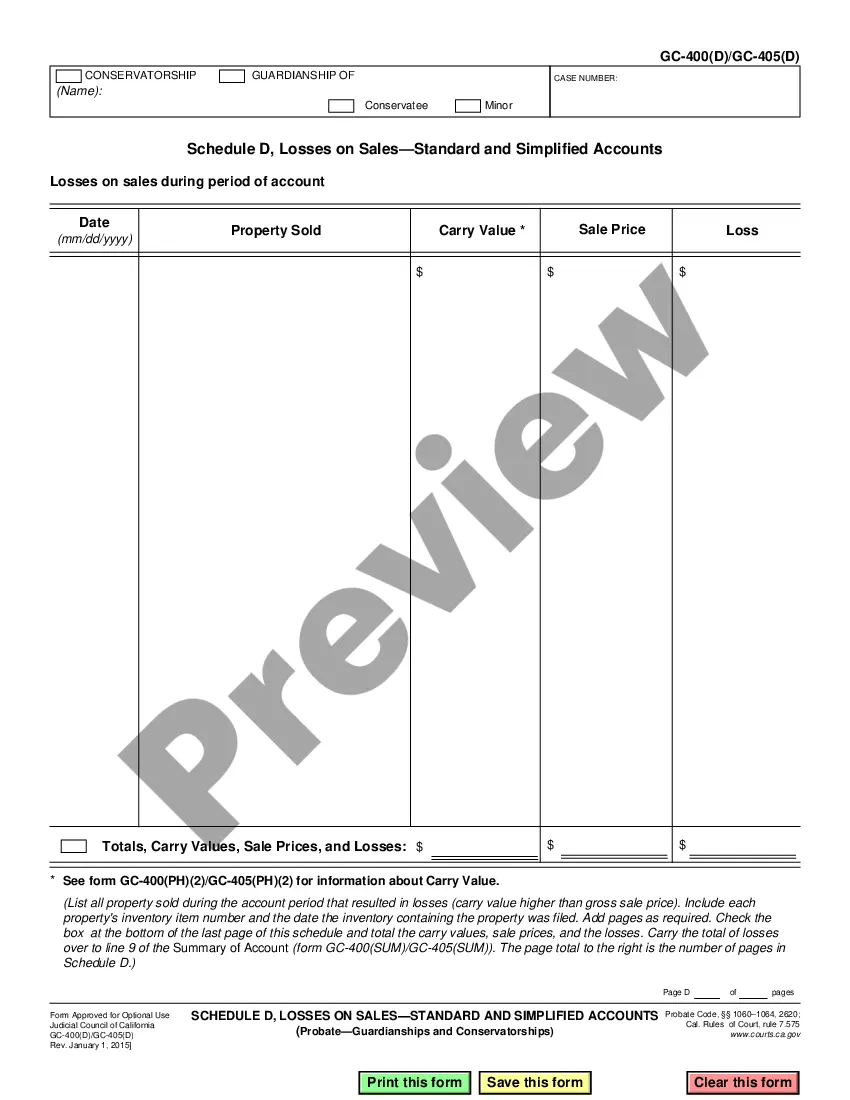
(e) Motion for More Definite Statement. If a pleading to which a responsive pleading is permitted is so vague or ambiguous that a party cannot reasonably be required to frame a responsive pleading, the party may move for a more definite statement before interposing a responsive pleading.
(1) If during a trial by jury a party has been fully heard on an issue and there is no legally sufficient evidentiary basis for a reasonable jury to find for that party on that issue, the court may determine the issue against that party and may grant a motion for judgment as a matter of law against that party with ...
