Alimony Spouse Support Withholding In Broward
Description

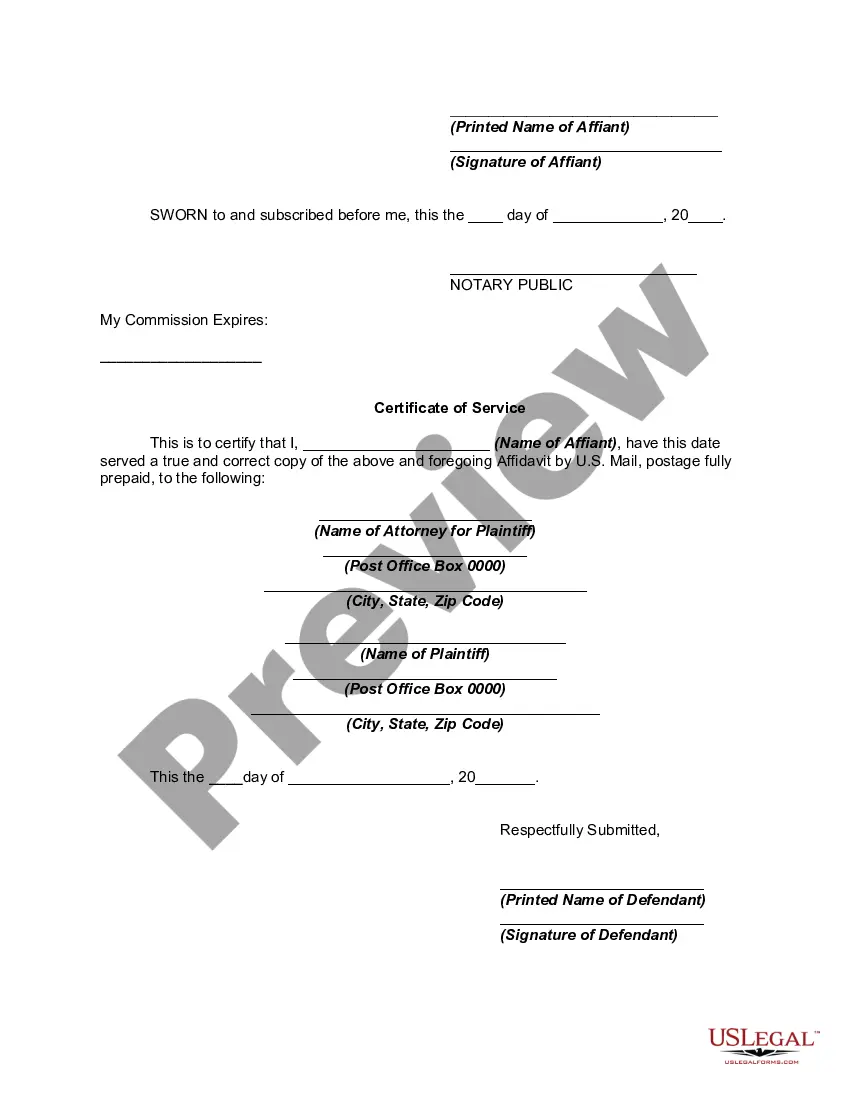




Get your form ready online
Our built-in tools help you complete, sign, share, and store your documents in one place.
Make edits, fill in missing information, and update formatting in US Legal Forms—just like you would in MS Word.
Download a copy, print it, send it by email, or mail it via USPS—whatever works best for your next step.
Sign and collect signatures with our SignNow integration. Send to multiple recipients, set reminders, and more. Go Premium to unlock E-Sign.
If this form requires notarization, complete it online through a secure video call—no need to meet a notary in person or wait for an appointment.
We protect your documents and personal data by following strict security and privacy standards.

Make edits, fill in missing information, and update formatting in US Legal Forms—just like you would in MS Word.

Download a copy, print it, send it by email, or mail it via USPS—whatever works best for your next step.

Sign and collect signatures with our SignNow integration. Send to multiple recipients, set reminders, and more. Go Premium to unlock E-Sign.

If this form requires notarization, complete it online through a secure video call—no need to meet a notary in person or wait for an appointment.

We protect your documents and personal data by following strict security and privacy standards.
Looking for another form?
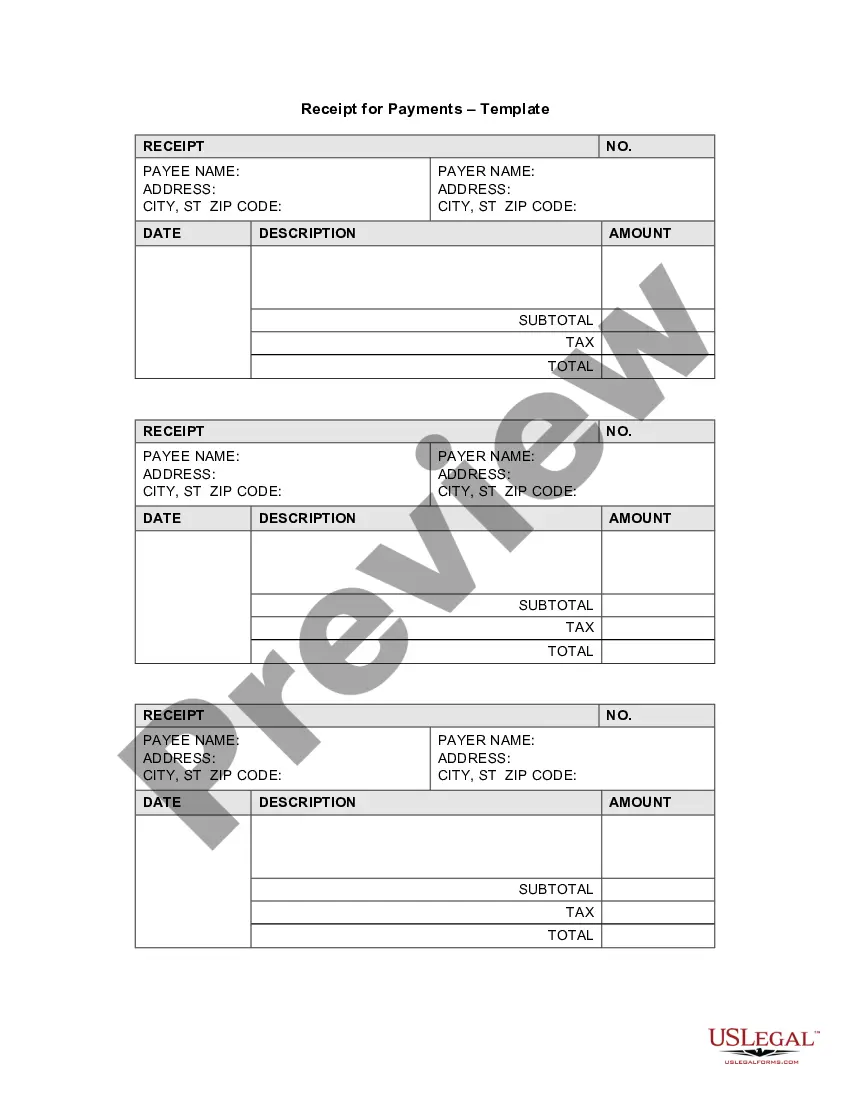
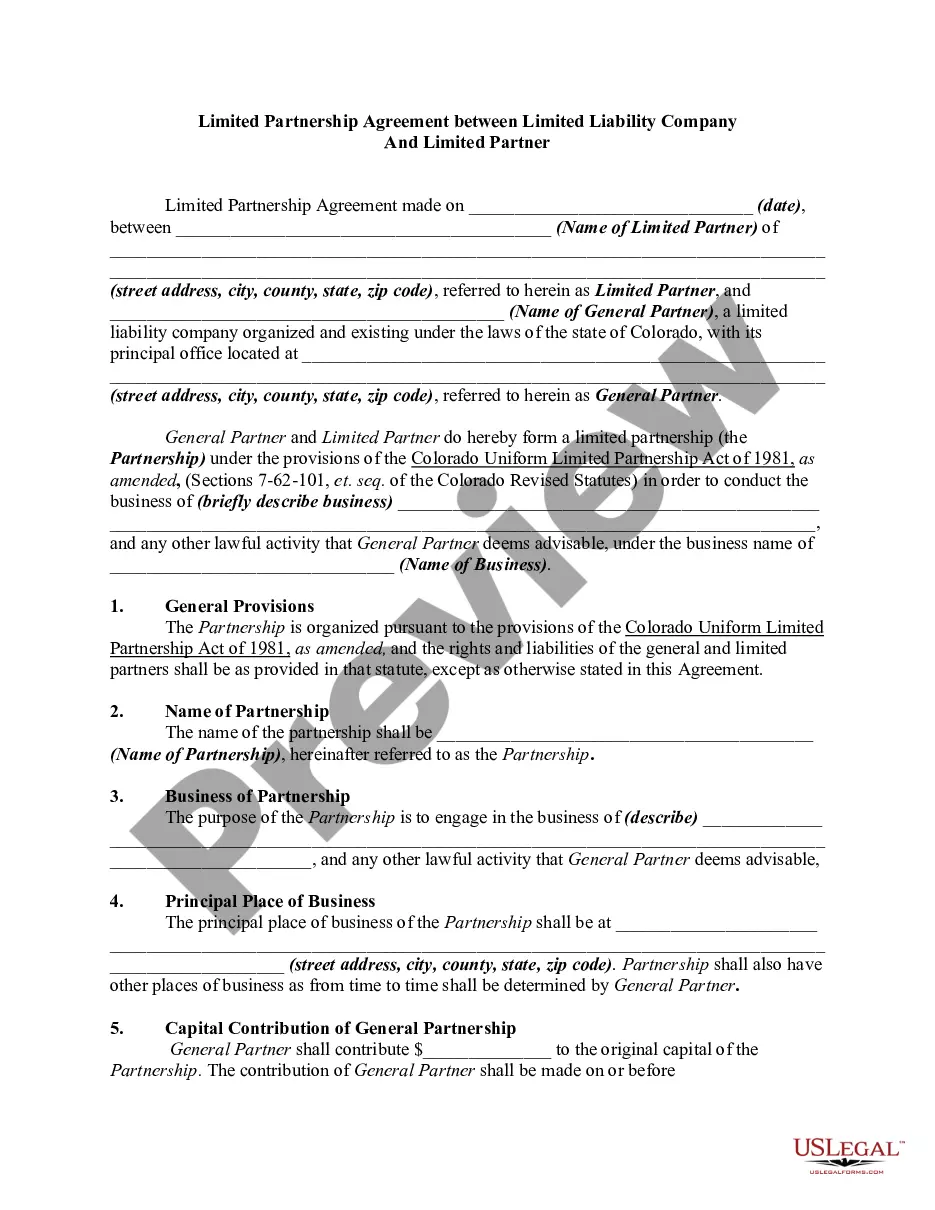
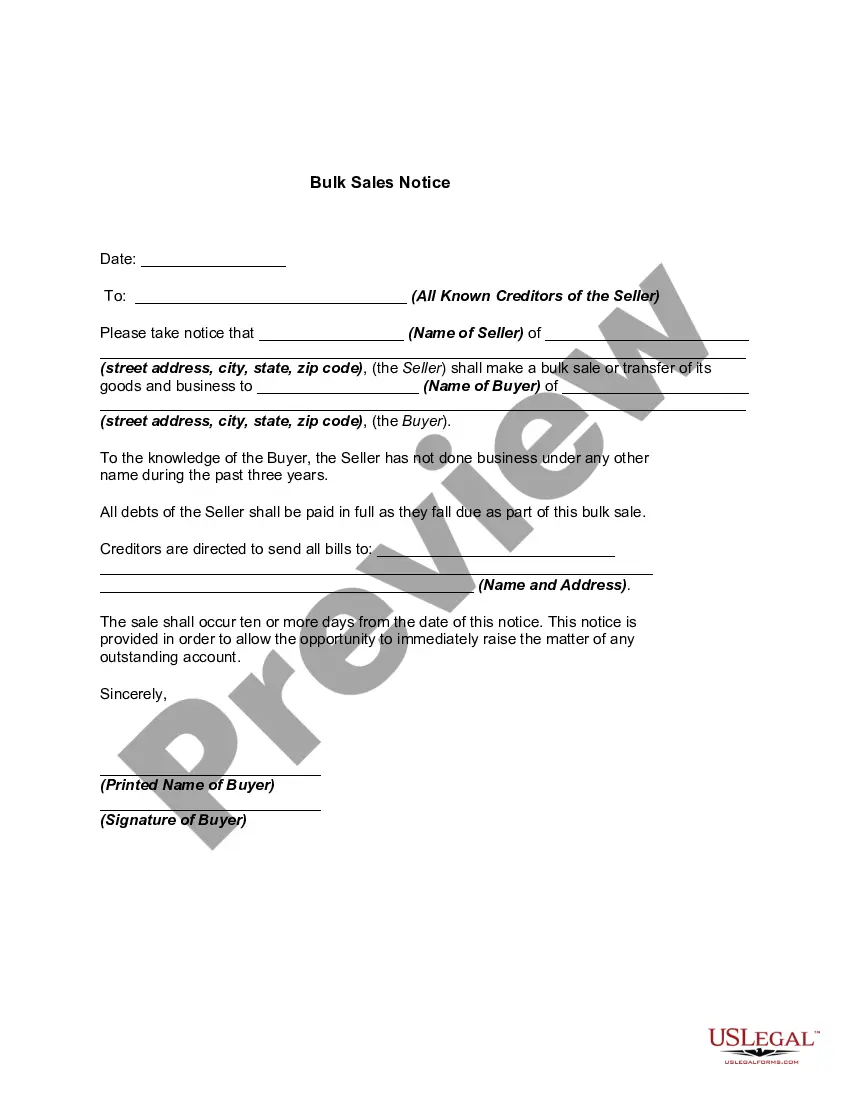
Form popularity
FAQ
If the marriage lasted at least 17 years, permanent alimony is appropriate if certain factors (discussed below) are present. If a marriage lasted at least seven years but less than 17, a permanent alimony award can be made if there is “clear and convincing evidence” that such an award is appropriate.
As an example, in Florida alimony will rarely exceed 40% of the gross income of the spouse paying alimony in long term marriages, and in marriages lasting less than seven years the amount of alimony will usually not exceed 20% of the gross income of the spouse paying alimony.
What qualifies a recipient spouse for alimony in Florida are several factors, among them: The standard of living established during the marriage. The length of the marriage. Both spouse's financial resources, including the non-marital, marital property, assets, and liabilities.
Caps on Terms of Alimony Florida's new law institutes caps on alimony terms for rehabilitative alimony and durational alimony: Rehabilitative alimony is now capped at 5 years. For marriages lasting 3 to 10 years, durational alimony can't exceed 50% of the marriage's length.
The employer withholds child support payments from the employee's income and sends the payments to the Florida State Disbursement Unit. The State Disbursement Unit sends the payments to the parent who is owed support.
A spouse who wants to receive alimony before the divorce usually has the burden of proving need and other supporting circumstances favoring alimony payments. Because this spouse is making the request, the requesting spouse must file a temporary support motion and provide evidence supporting why alimony is needed.
If you are a Broward County resident seeking to open a new child support case, contact the Florida Department of Revenue (DOR), or call (850) 488-KIDS (5437), for information on the type of services provided by the Child Support Enforcement Program.
For alimony, up to 50% to 60% of disposable income can be garnished, depending on whether the payer has other dependents.
Divorce Records. Copies of a final judgment of dissolution of marriage filed in Broward County are available from the Broward County Records Division. You may obtain the Official Records book and page number by performing an Online Official Records Search.
Eviction Steps: Step 1 — Issue Notice. Pursuant to Florida Statues Chapter 83.56 a notice is required prior to filing an eviction. Step 2 — Fill out Forms. Step 3 — Service the Tenant. Step 4 — Judgment & Writ of Possession.
