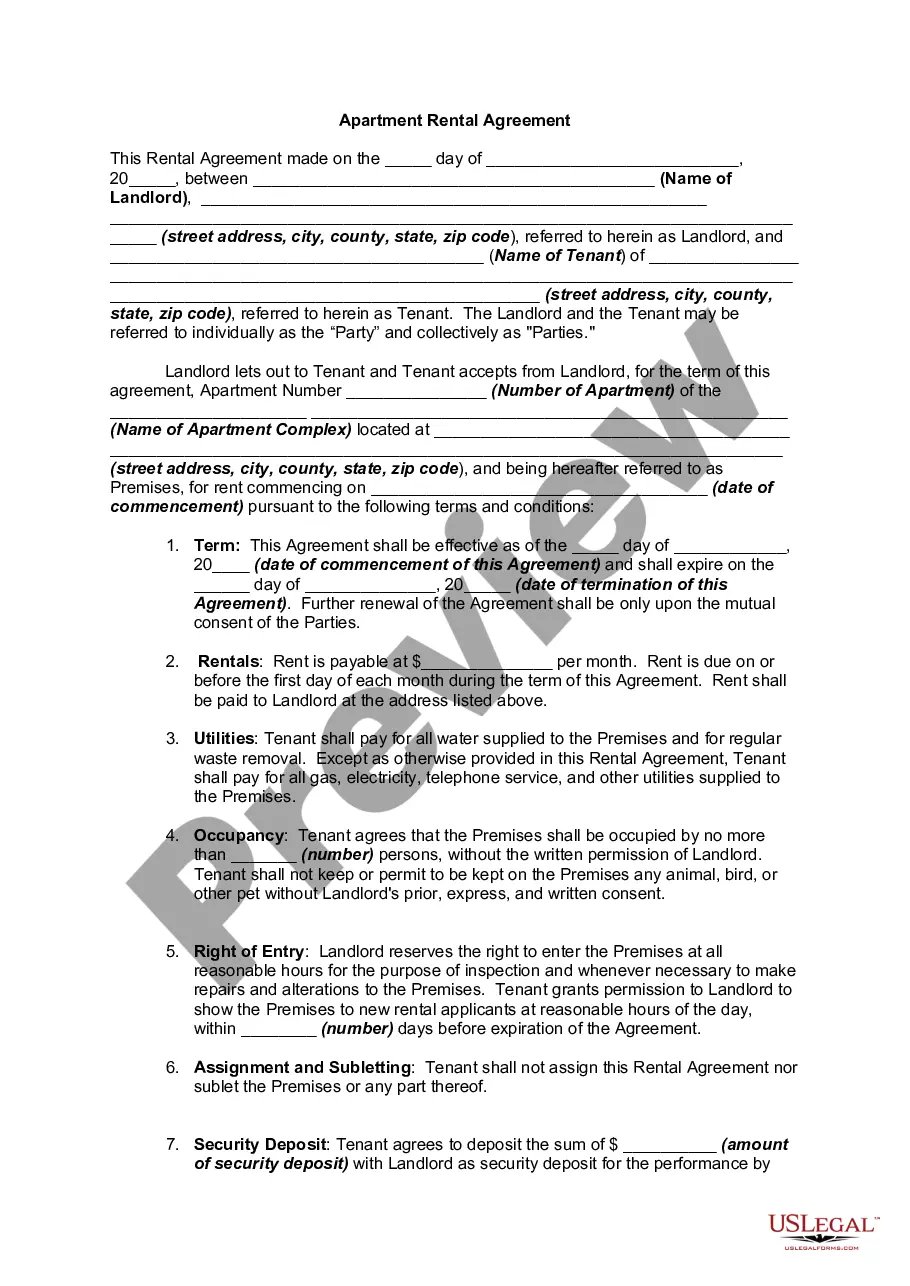
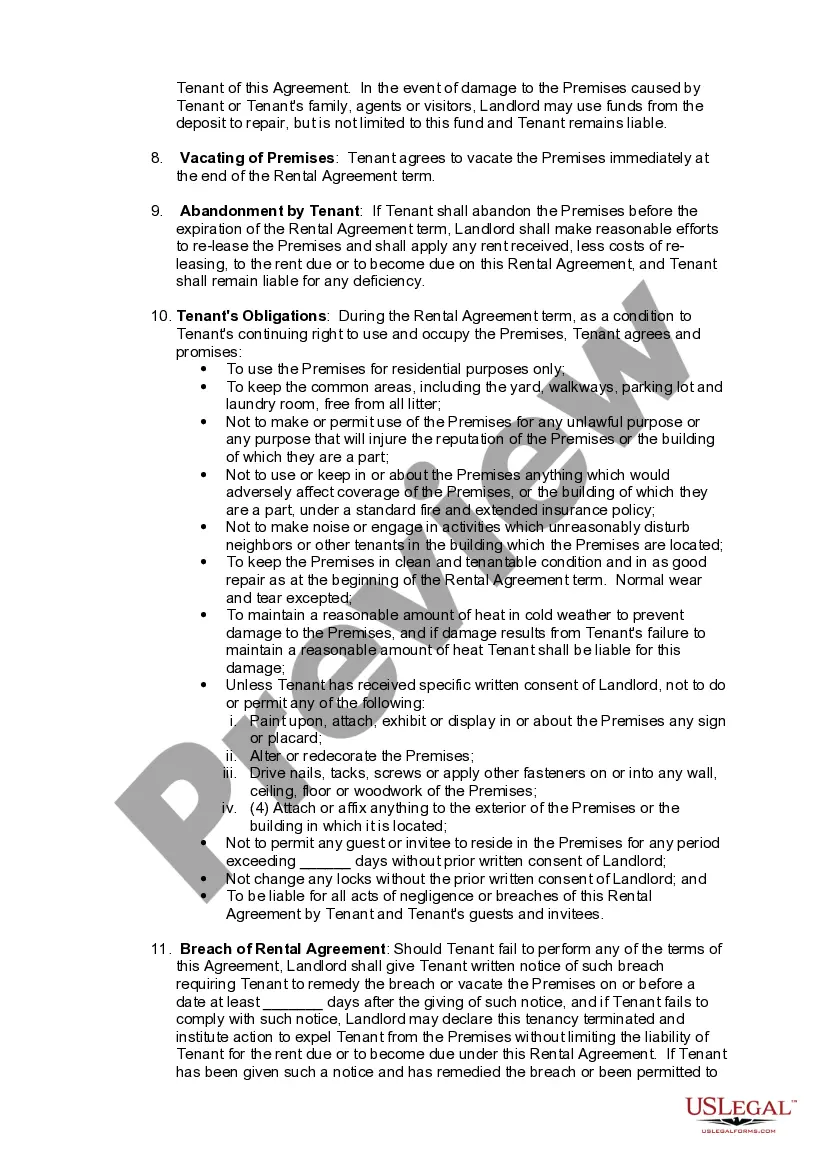
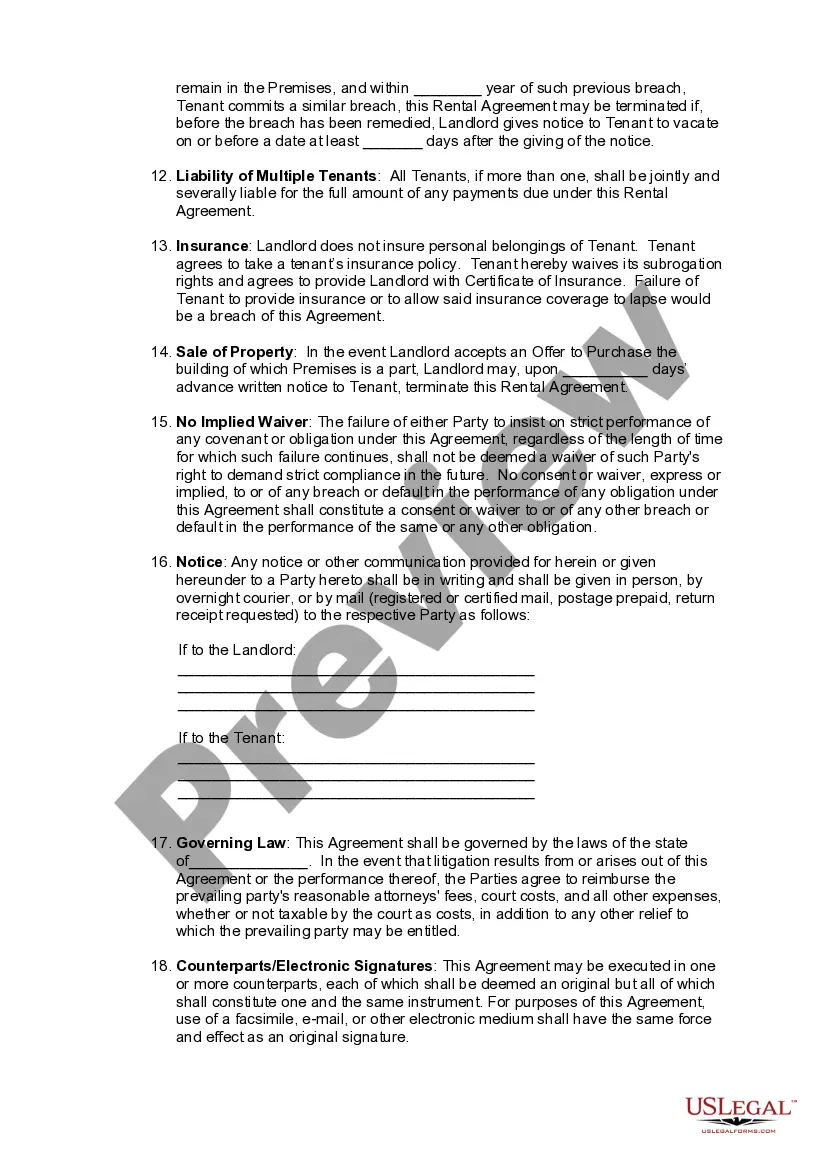
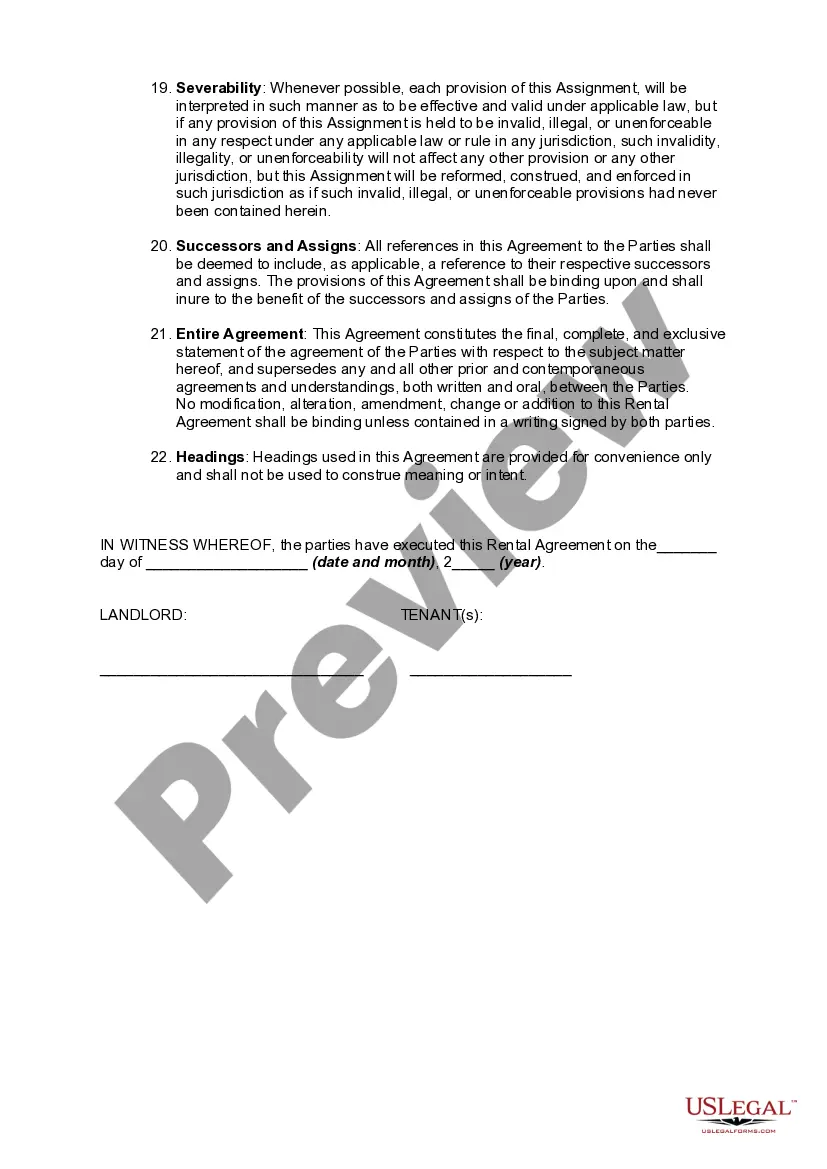
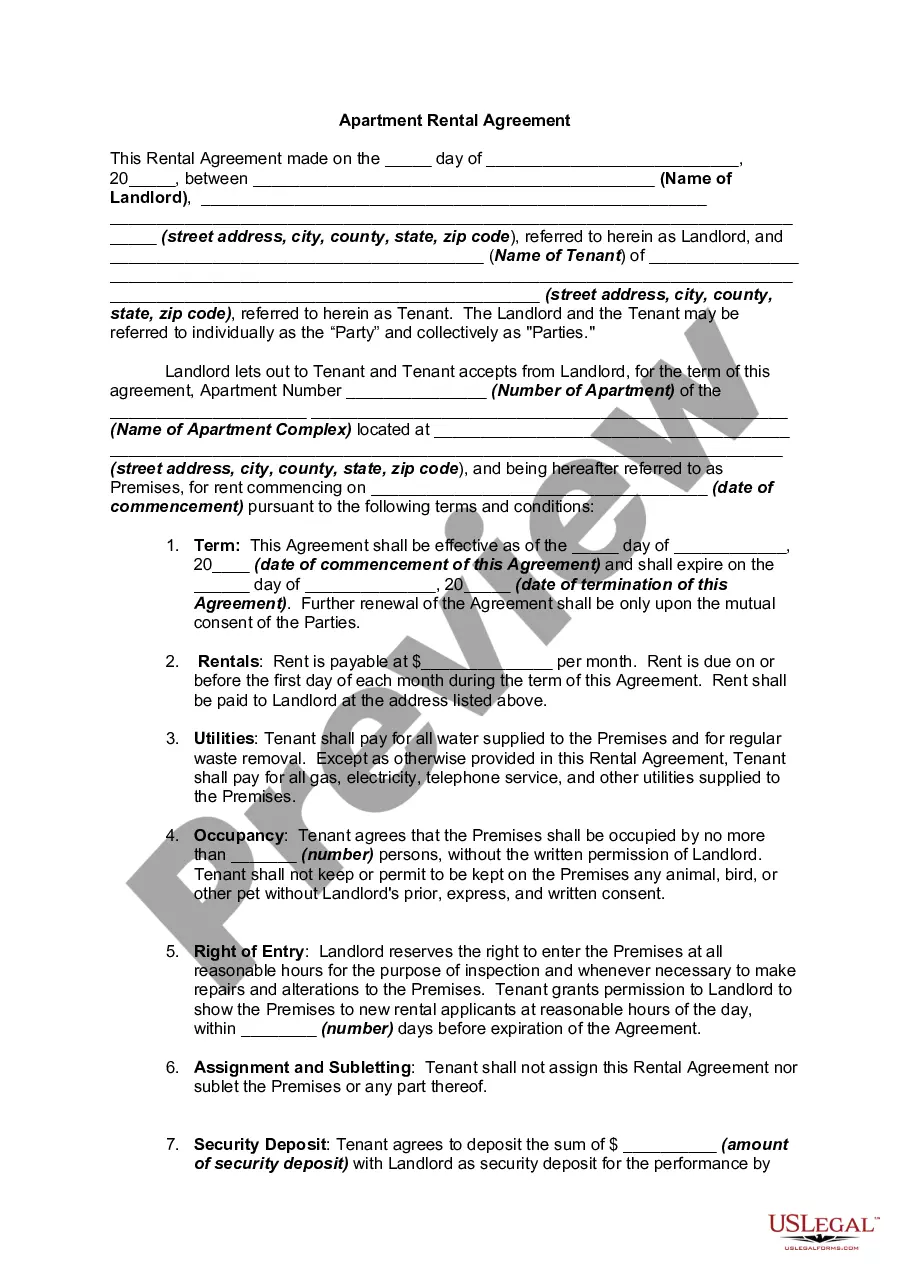
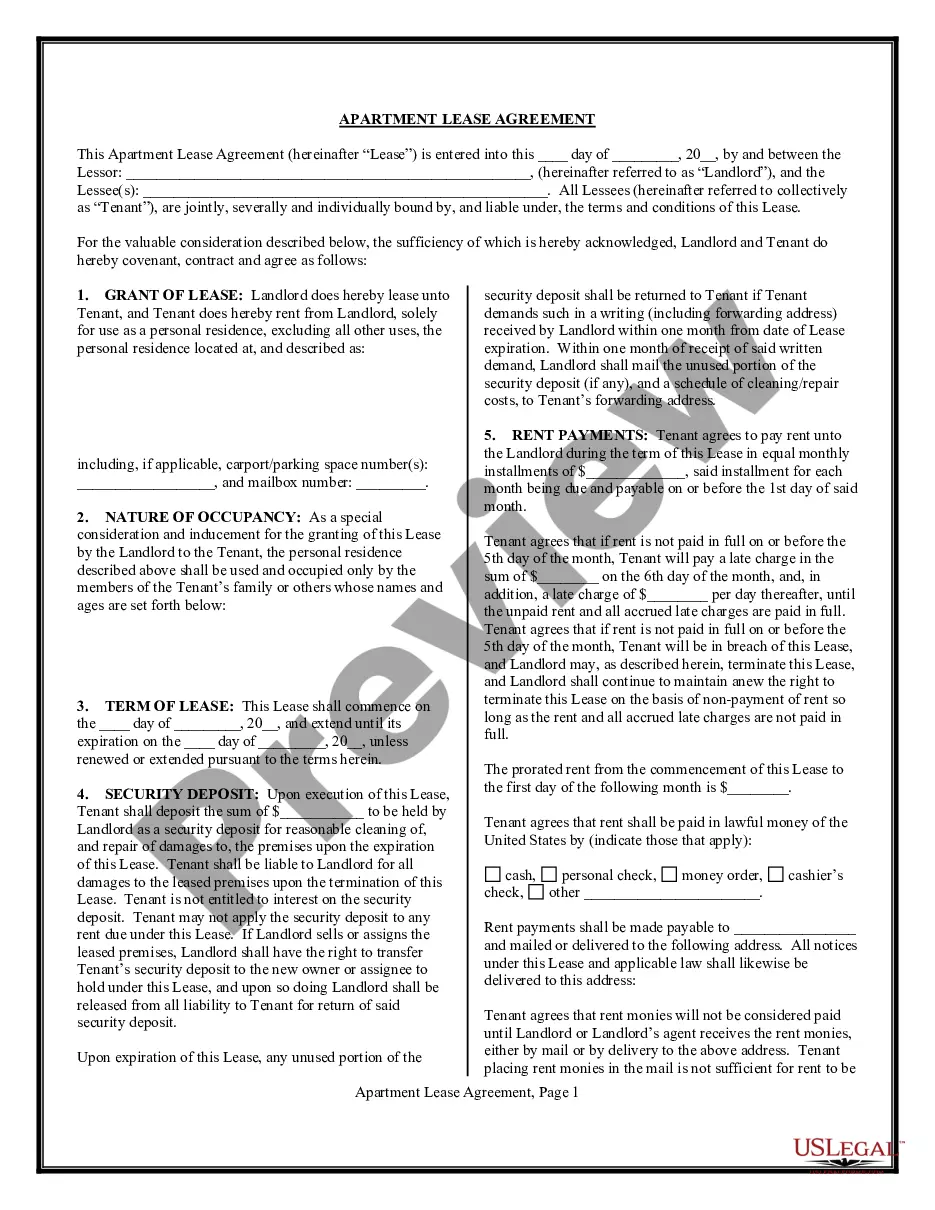
Apartment Lease For In California
Description
Get your form ready online
Our built-in tools help you complete, sign, share, and store your documents in one place.
Make edits, fill in missing information, and update formatting in US Legal Forms—just like you would in MS Word.
Download a copy, print it, send it by email, or mail it via USPS—whatever works best for your next step.
Sign and collect signatures with our SignNow integration. Send to multiple recipients, set reminders, and more. Go Premium to unlock E-Sign.
If this form requires notarization, complete it online through a secure video call—no need to meet a notary in person or wait for an appointment.
We protect your documents and personal data by following strict security and privacy standards.

Make edits, fill in missing information, and update formatting in US Legal Forms—just like you would in MS Word.

Download a copy, print it, send it by email, or mail it via USPS—whatever works best for your next step.

Sign and collect signatures with our SignNow integration. Send to multiple recipients, set reminders, and more. Go Premium to unlock E-Sign.

If this form requires notarization, complete it online through a secure video call—no need to meet a notary in person or wait for an appointment.

We protect your documents and personal data by following strict security and privacy standards.
Looking for another form?


Form popularity
FAQ
The application will ask you for the following information: your place of employment, past employers, names and addresses of your current and past landlords, your Social Security number, driver's license number and authorization for the landlord to run a background and credit check.
In some cities, the odds of getting denied for an apartment can be as high as 30% or more, making it essential to understand why applications get rejected and how you can improve your chances of securing your ideal rental.
The application will ask you for the following information: your place of employment, past employers, names and addresses of your current and past landlords, your Social Security number, driver's license number and authorization for the landlord to run a background and credit check.
Information Required on a Rental Application Name and contact info. Social security number (for background and credit checks) Current and previous addresses. Employment history and income. References (personal and professional) Vehicle information (if you'll be parking on the property)
Renting an apartment isn't as easy as waltzing in and saying “I'll take it!”—particularly in today's competitive rental market. With many prospective tenants to choose from, landlords can be picky, and they will prioritize applicants with a track record of paying off debts and respecting their neighbors and community.
Here's a list of standard fields that you should include in your lease agreement: Tenant information. Include each tenant's full name and contact information. Rental property description. Security deposit. Monthly rent amount. Utilities. Lease term. Policies. Late fees.
Completion The lease and any other lease documents will be dated by both parties' respective solicitors and will then be completed. Your solicitor will send the completion monies to the landlord's solicitor. You will then be able to collect the keys to the property (normally from the estate agent/selling agent).
The standard lease agreement in California, whether for residential or commercial property, is a legal contract between the property owner and the prospective tenant. It outlines the terms under which the tenant can occupy and use the rental property.
Longer leases are best for situations where you and any roommates know you want to stay in the apartment for a year or more. Ideally, you're already familiar with the neighborhood and have a stable work or school situation. Shorter leases or month-to-month leases are better for renters who need a bit more flexibility.
term lease is the most traditional lease. They're called fixed term because tenants and landlords are agreeing to abide by the lease for a fixed amount of time, normally six to 14 months.