Mortgage Holder Lender With Excessive Interest Rates
Description
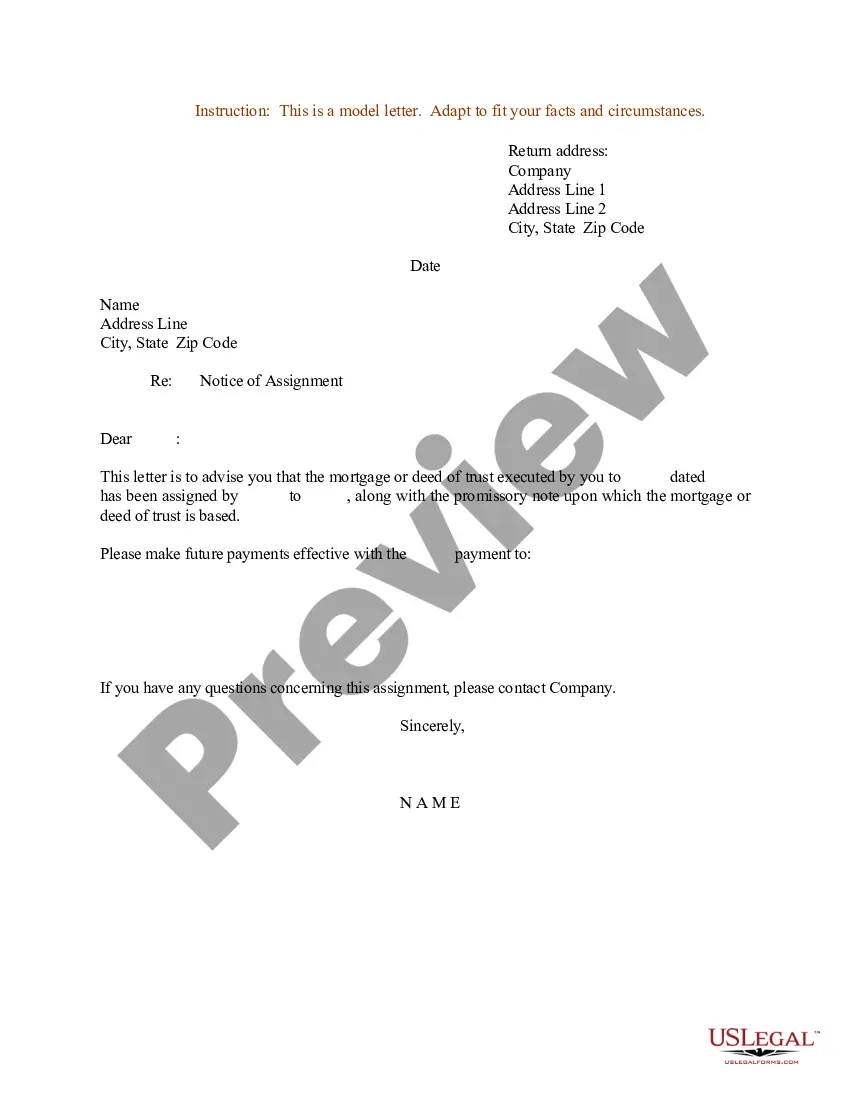
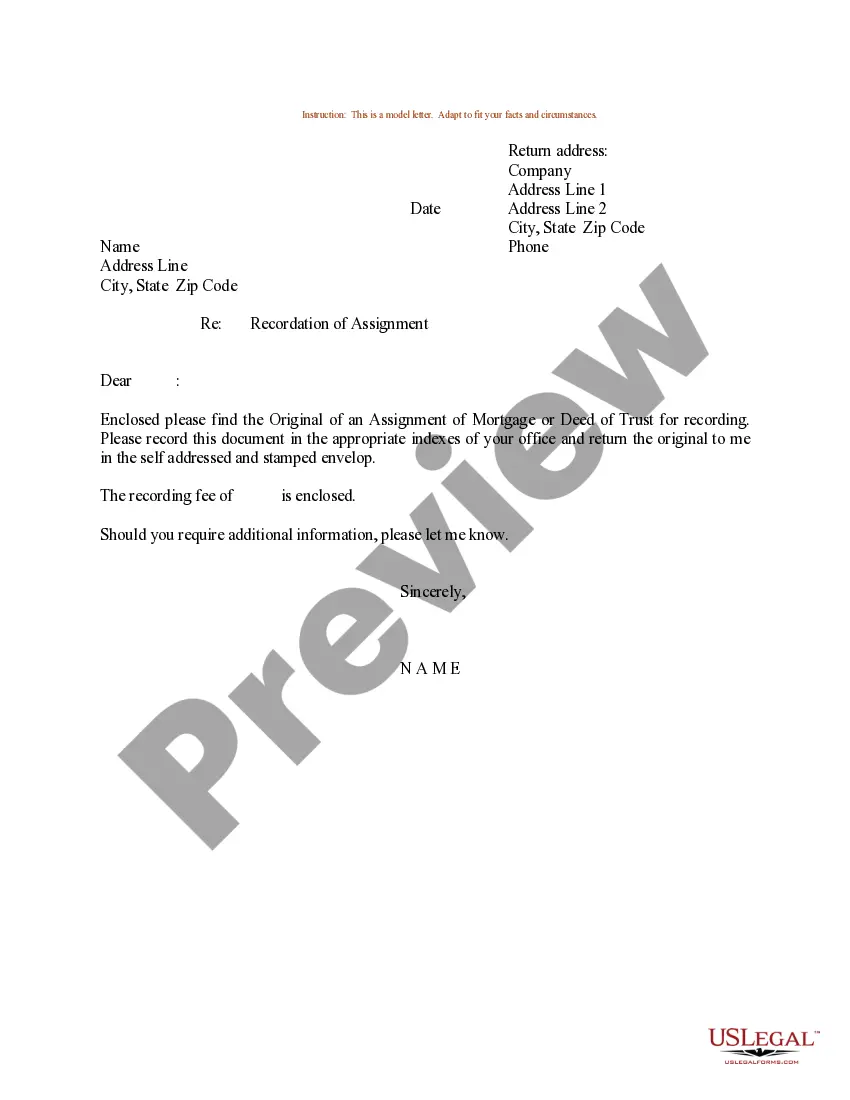
Get your form ready online
Our built-in tools help you complete, sign, share, and store your documents in one place.
Make edits, fill in missing information, and update formatting in US Legal Forms—just like you would in MS Word.
Download a copy, print it, send it by email, or mail it via USPS—whatever works best for your next step.
Sign and collect signatures with our SignNow integration. Send to multiple recipients, set reminders, and more. Go Premium to unlock E-Sign.
If this form requires notarization, complete it online through a secure video call—no need to meet a notary in person or wait for an appointment.
We protect your documents and personal data by following strict security and privacy standards.

Make edits, fill in missing information, and update formatting in US Legal Forms—just like you would in MS Word.

Download a copy, print it, send it by email, or mail it via USPS—whatever works best for your next step.

Sign and collect signatures with our SignNow integration. Send to multiple recipients, set reminders, and more. Go Premium to unlock E-Sign.

If this form requires notarization, complete it online through a secure video call—no need to meet a notary in person or wait for an appointment.

We protect your documents and personal data by following strict security and privacy standards.
Looking for another form?
How to fill out Texas Assignment Of Mortgage Package?
Whether for corporate reasons or for personal matters, everyone must confront legal scenarios eventually in their lives.
Filling out legal documents requires meticulous focus, starting from choosing the appropriate form template.
With a extensive catalog from US Legal Forms available, you don’t have to waste time searching for the correct sample across the web. Take advantage of the library’s user-friendly navigation to discover the appropriate template for any circumstance.
- Locate the template you require by using the search box or catalog browsing.
- Review the form’s details to ensure it aligns with your situation, jurisdiction, and area.
- Click on the form’s preview to examine it.
- If it’s the incorrect document, return to the search tool to find the Mortgage Holder Lender With Excessive Interest Rates template you want.
- Download the document if it fulfills your criteria.
- If you possess a US Legal Forms account, simply click Log in to access previously saved files in My documents.
- If you do not have an account, you can obtain the form by selecting Buy now.
- Choose the appropriate pricing option.
- Complete the account registration form.
- Select your payment method: either a credit card or a PayPal account.
- Choose the document format you prefer and download the Mortgage Holder Lender With Excessive Interest Rates.
- Once it’s downloaded, you can fill out the form using editing software or print it and complete it by hand.
Form popularity
FAQ
A 600% interest rate is typically considered excessive and may fall under predatory lending laws, which protect consumers. Most states have usury laws that set maximum interest rates for loans, but these laws vary widely. If you suspect you are dealing with a mortgage holder lender with excessive interest rates, it is crucial to consult with a legal expert who specializes in consumer rights. Understanding your options can help you take appropriate action.
To report seller financed mortgage interest, you must create a Form 1098, where you will provide documentation of the interest collected from the borrower. It's essential to include the amount of interest and the lender's information. This process is particularly important if you're a mortgage holder lender with excessive interest rates, as it keeps you compliant with the IRS and helps clarify your financial position. Consider using platforms like uslegalforms to simplify the paperwork and ensure accuracy.
When a lender charges more interest than legally permitted, it is termed 'usury.' This practice can lead to financial hardship for borrowers and is often illegal. If you suspect that your lender falls into this category, seeking legal advice or looking into platforms like US Legal Forms can help you explore your options.
Several factors can affect your mortgage interest deduction. If your mortgage balance exceeds the limit or if you don't itemize your deductions on your tax return, you might not receive the full benefit. Understanding these nuances can help you maximize your deductions, especially if you’re paying excessive interest rates.
If you find yourself a victim of predatory lending practices, it's essential to act quickly. Document all transactions, communicate with your lender, and consider seeking legal assistance. Platforms like US Legal Forms can guide you through the process of filing complaints or seeking remediation against lenders with excessive interest rates.
You can negotiate interest rates with a mortgage lender, especially when dealing with a mortgage holder lender with excessive interest rates. Many lenders are willing to discuss terms to keep you as a customer, particularly if you demonstrate good financial standing or show competitive offers from other lenders. Engaging directly and confidently can make a difference in your negotiations. If you feel overwhelmed, consider using platforms like US Legal Forms to guide you through the process.
Ask the seller (or builder) for help. ... Buy points. ... Consider different lenders ? and negotiate with them. ... Take over the seller's old mortgage. ... Make a larger down payment. ... Consider an adjustable-rate mortgage, government-backed loan or shorter term.
Types of Predatory Loans These are short-term loans, generally for $500 or less, that are due on your next payday. Interest rates are typically $15-$25 for every $100 borrowed, meaning you pay an APR of 400%!
3 Things Never to Say to Your Mortgage Lender You don't want to tell the mortgage lender that the house is in disrepair. You also don't want to suggest you don't know where your down payment money is coming from. Finally, don't give your lender reason to worry if your income will stay stable.
5. A Prepayment Penalty Clause: Allows a lender to charge extra interest if the loan is paid off before the normal completion date. 6. Subordination Clause: A subsequent mortgage or deed of trust takes priority.