Mortgage Holder Lender For Bad Credit
Description
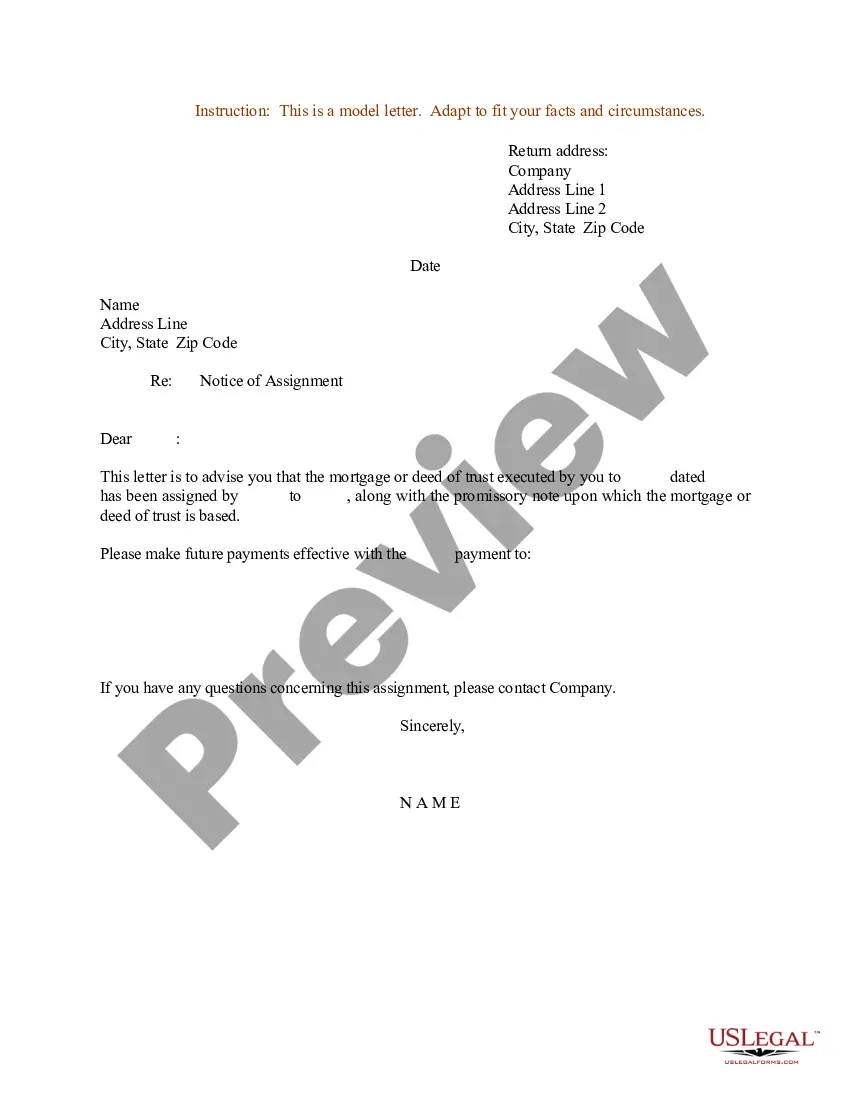
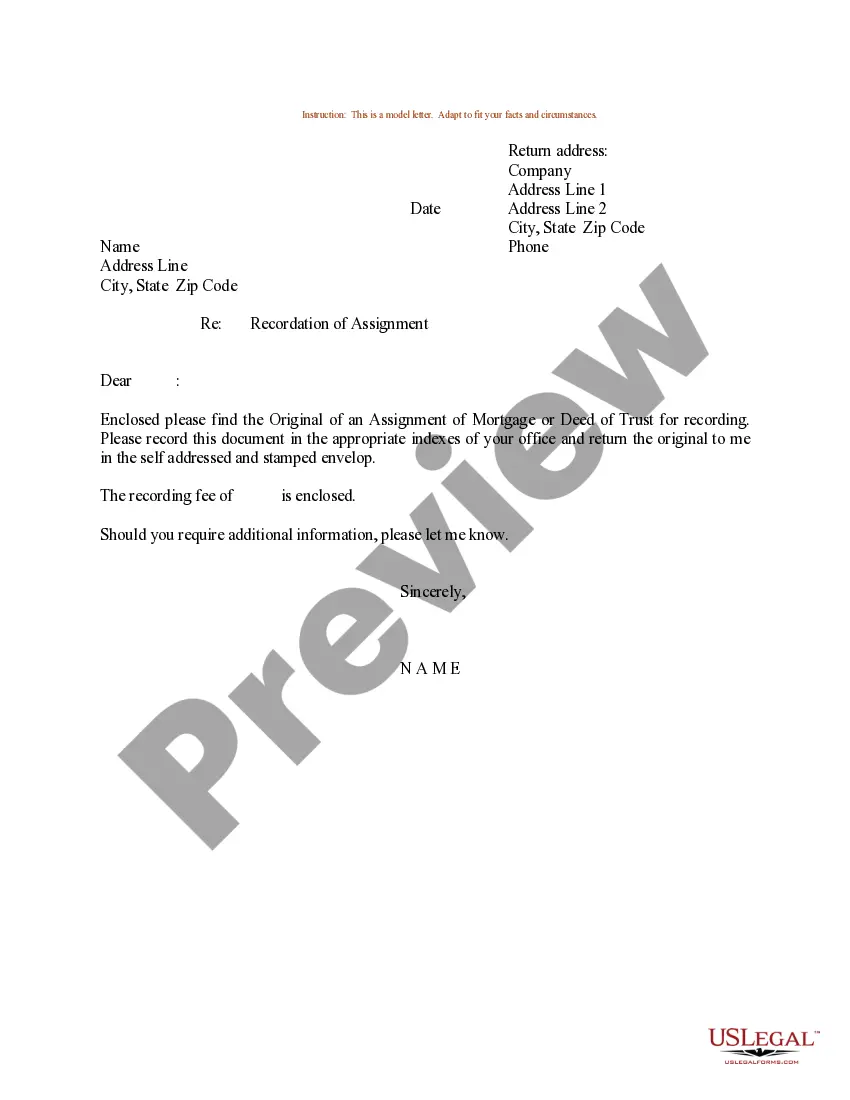
Get your form ready online
Our built-in tools help you complete, sign, share, and store your documents in one place.
Make edits, fill in missing information, and update formatting in US Legal Forms—just like you would in MS Word.
Download a copy, print it, send it by email, or mail it via USPS—whatever works best for your next step.
Sign and collect signatures with our SignNow integration. Send to multiple recipients, set reminders, and more. Go Premium to unlock E-Sign.
If this form requires notarization, complete it online through a secure video call—no need to meet a notary in person or wait for an appointment.
We protect your documents and personal data by following strict security and privacy standards.

Make edits, fill in missing information, and update formatting in US Legal Forms—just like you would in MS Word.

Download a copy, print it, send it by email, or mail it via USPS—whatever works best for your next step.

Sign and collect signatures with our SignNow integration. Send to multiple recipients, set reminders, and more. Go Premium to unlock E-Sign.

If this form requires notarization, complete it online through a secure video call—no need to meet a notary in person or wait for an appointment.

We protect your documents and personal data by following strict security and privacy standards.
Looking for another form?
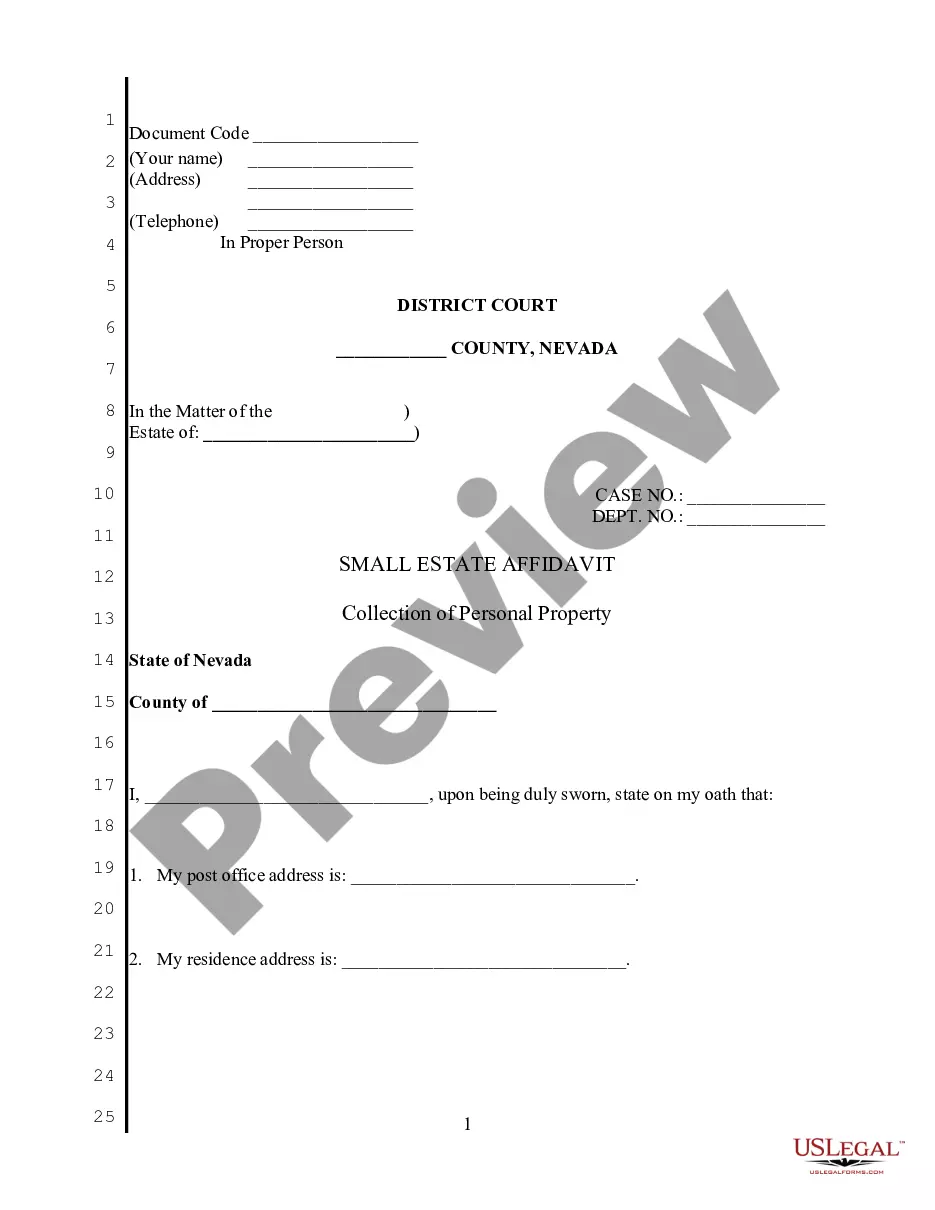
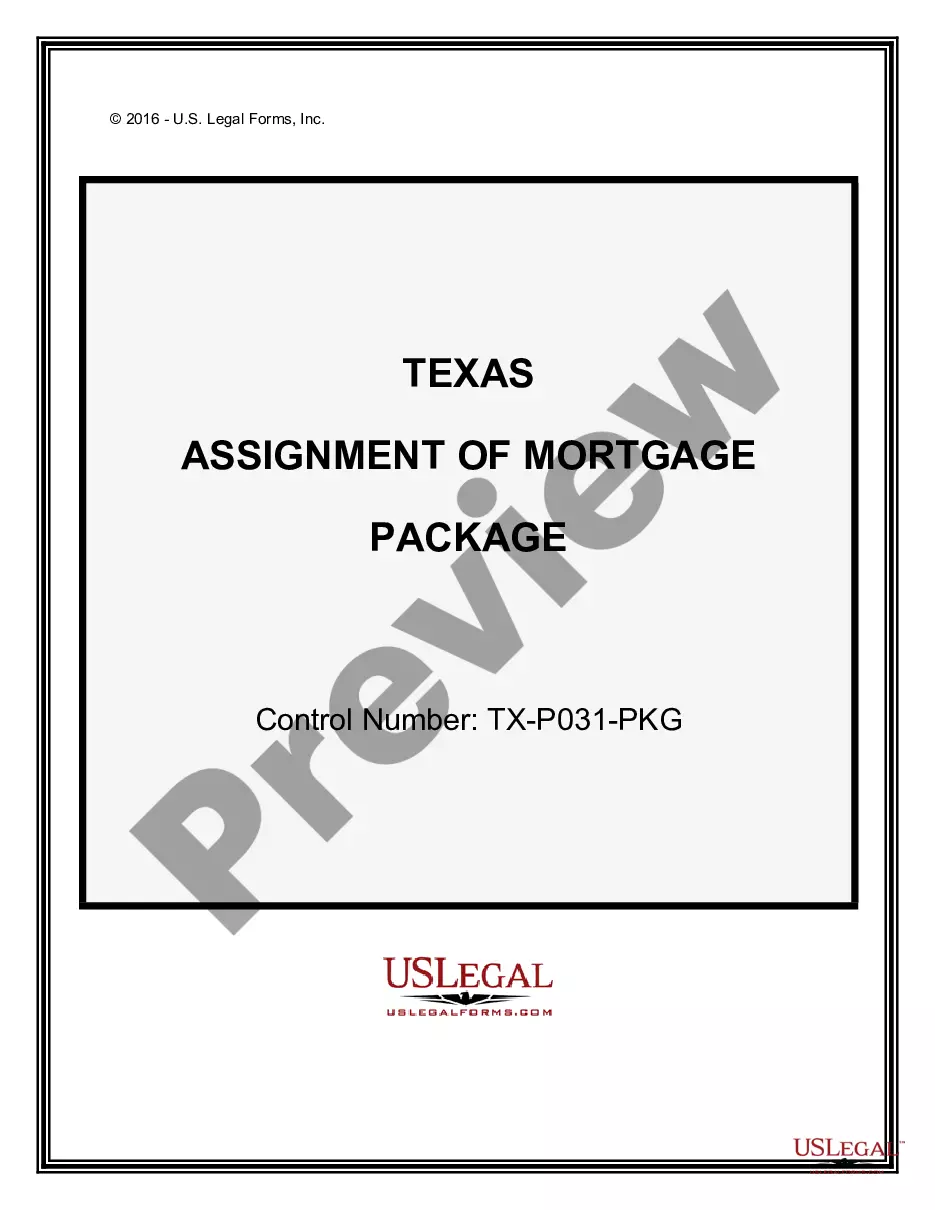
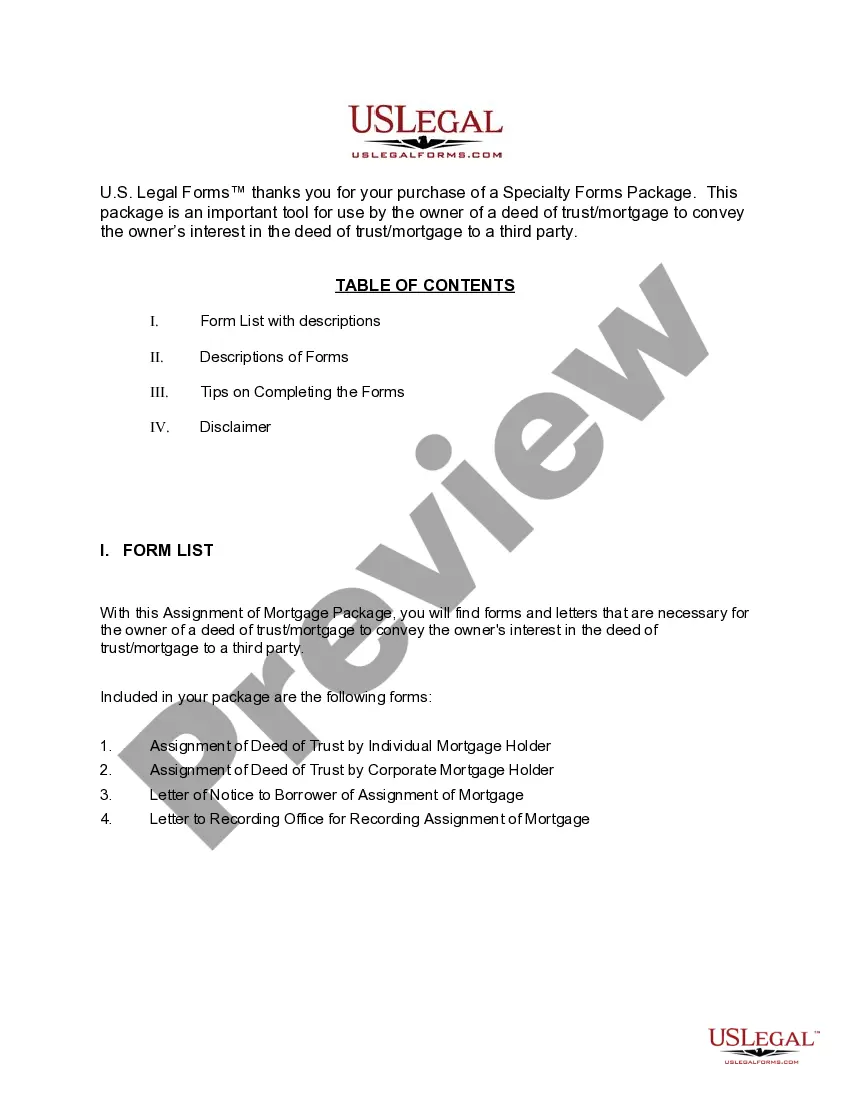
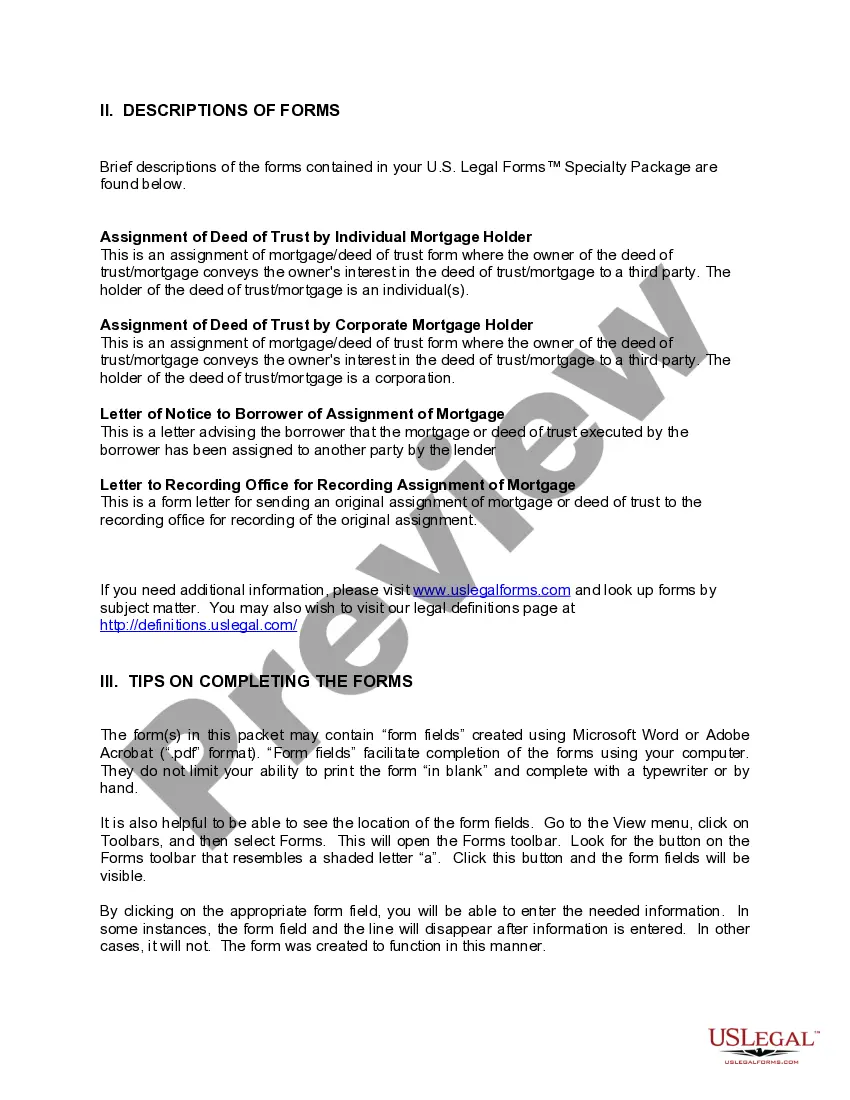
How to fill out Texas Assignment Of Mortgage Package?
Managing legal documents and processes can be an arduous addition to your schedule.
Mortgage Holder Lender For Bad Credit and similar forms generally require you to locate them and determine the most effective way to fill them out.
Thus, if you are dealing with financial, legal, or personal affairs, using a comprehensive and user-friendly online database of forms whenever needed will greatly assist.
US Legal Forms is the premier online source of legal templates, providing over 85,000 state-specific documents and various tools to help you complete your paperwork promptly.
Simply Log In to your account, find Mortgage Holder Lender For Bad Credit and download it instantly from the My documents section. You can also retrieve previously downloaded forms.
- Explore the repository of relevant documents available to you with just one click.
- US Legal Forms offers state- and county-specific templates available for download at any time.
- Protect your document management tasks with a top-tier service that enables you to create any form in minutes without additional or hidden fees.
Form popularity
FAQ
Yes, you can get a mortgage with someone who has bad credit. Many mortgage holder lenders for bad credit understand that a co-borrower can help strengthen your application. When you apply together, the lender will assess both credit profiles, and this can improve your chances of approval. It is important to research various lenders and consider alternatives to find the best terms available for your specific situation.
Many lenders specialize in working with individuals who have bad credit. Look for mortgage holder lenders for bad credit, as they frequently offer solutions tailored to your needs. Options like online lenders, credit unions, and government programs may provide favorable terms. Engaging with platforms like US Legal Forms can guide you through the process of finding appropriate lenders and preparing necessary documentation.
The easiest mortgage to obtain with bad credit often comes from FHA loans, which allow lower credit scores and offer flexible qualifications. Additionally, some mortgage holder lenders for bad credit may provide specific programs tailored for those with challenged credit histories. Working with an experienced lender can simplify the process and enhance your chances of approval. Explore options suited to your financial situation.
Yes, obtaining a mortgage with a 500 credit score is possible, though it may limit your options. Many mortgage holder lenders for bad credit will consider your application, but expect higher interest rates and stricter terms. It's crucial to present a solid financial profile, including proof of income. Exploring various lenders will help you find the best fit.
Yes, you can refinance with a 500 credit score, but it may be challenging. Many traditional lenders may hesitate to work with you due to concerns about your credit history. However, mortgage holder lenders for bad credit often specialize in helping individuals with lower scores secure refinancing options. Platforms like US Legal Forms can assist you in finding the right lender to navigate this process successfully.
When writing a letter of explanation for bad credit, start by clearly stating the reason for your credit issues. Be honest and provide context, elaborating on any circumstances that contributed to your situation. Keep your tone positive and focus on how you have addressed these issues. Now, if you're seeking support from a mortgage holder lender for bad credit, you can explain your efforts to resolve previous financial difficulties.
Conventional Loan Requirements It's recommended you have a credit score of 620 or higher when you apply for a conventional loan. If your score is below 620, lenders either won't be able to approve your loan or may be required to offer you a higher interest rate, which can result in higher monthly payments.
Mortgage lenders can use Credit Reports from any Credit Reference Agency that they have a reciprocal data sharing agreement with. In practice, this means a mortgage lender might access your Equifax, Experian, or TransUnion Credit Report ? or a combination of the three ? when assessing your application.
Having bad credit does not mean you cannot get a mortgage. It could vary depending on your credit rating ? as there can be a fine line between 'fair' and 'bad' credit scores. Some lenders offer mortgages designed for people with bad credit. But these can include higher interest rates and fees.
3 Things Never to Say to Your Mortgage Lender You don't want to tell the mortgage lender that the house is in disrepair. You also don't want to suggest you don't know where your down payment money is coming from. Finally, don't give your lender reason to worry if your income will stay stable.