Texas Deceptive Trade Practices Act Demand Letter Without Prejudice
Description
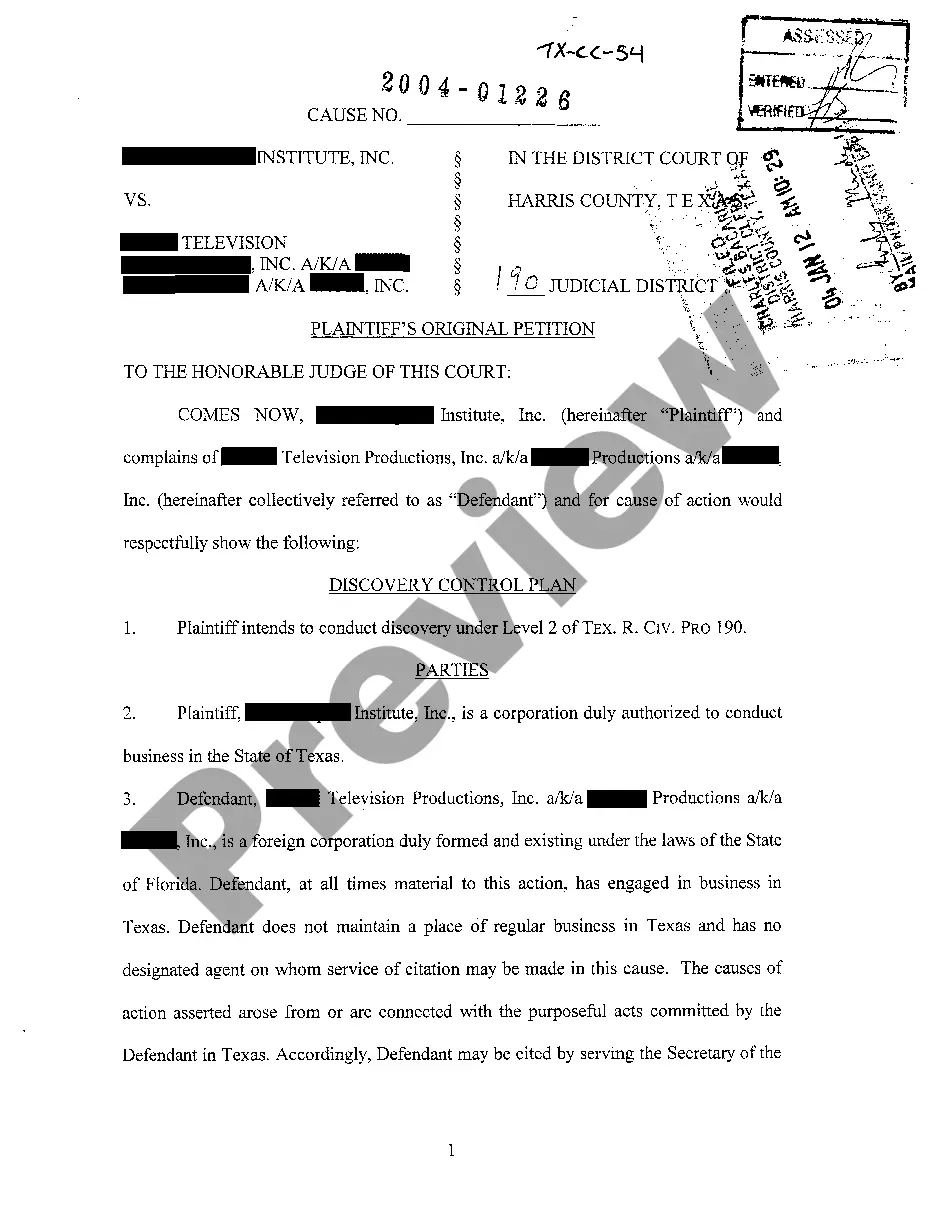
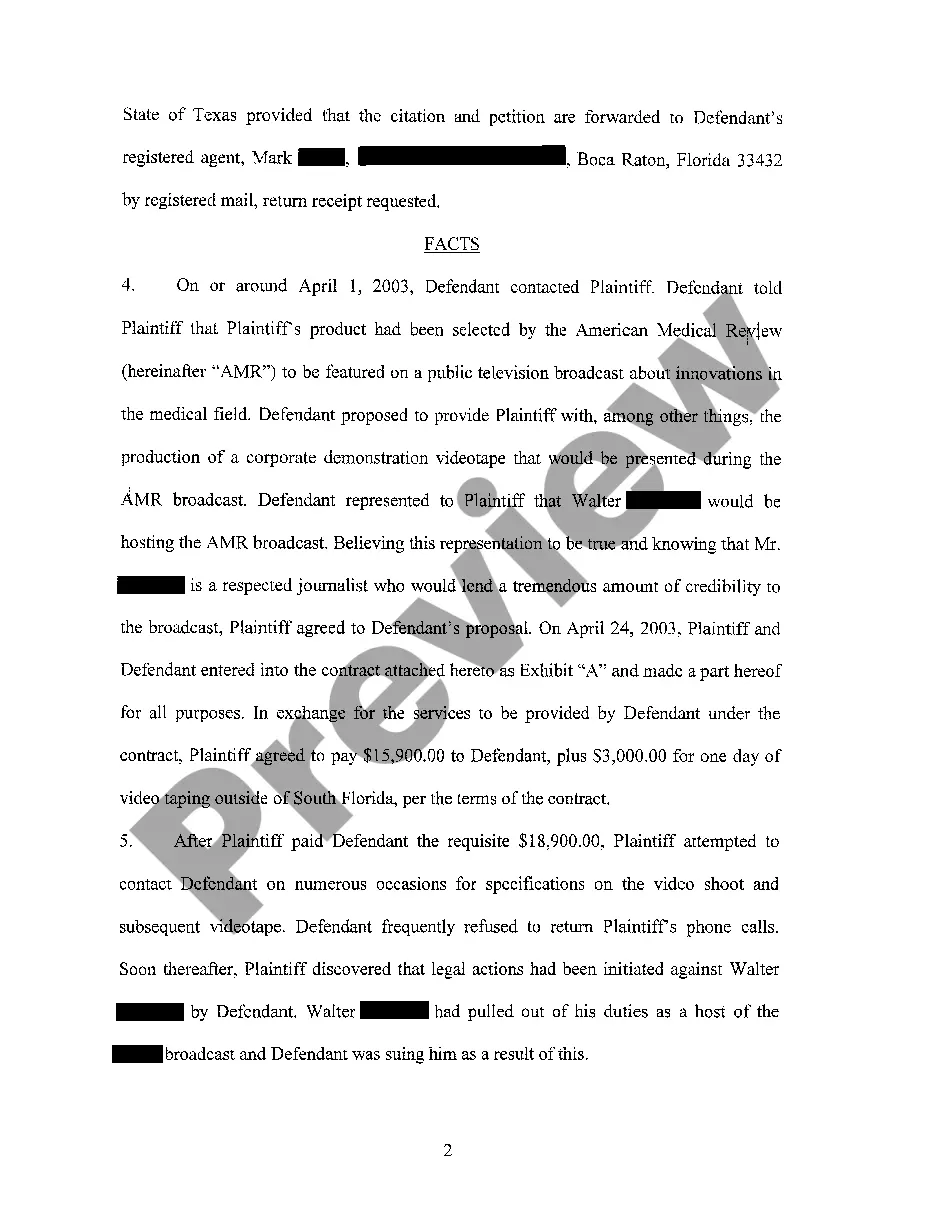
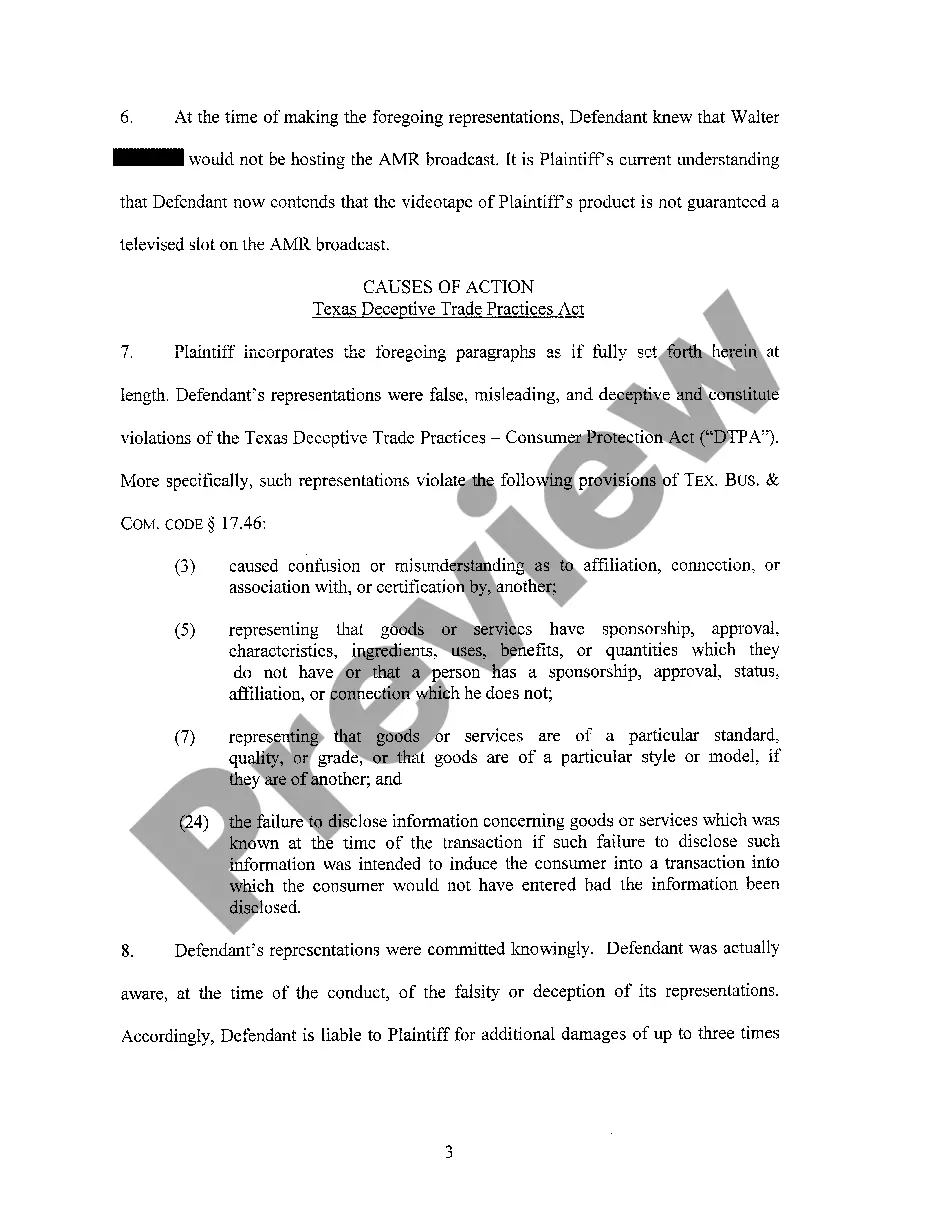
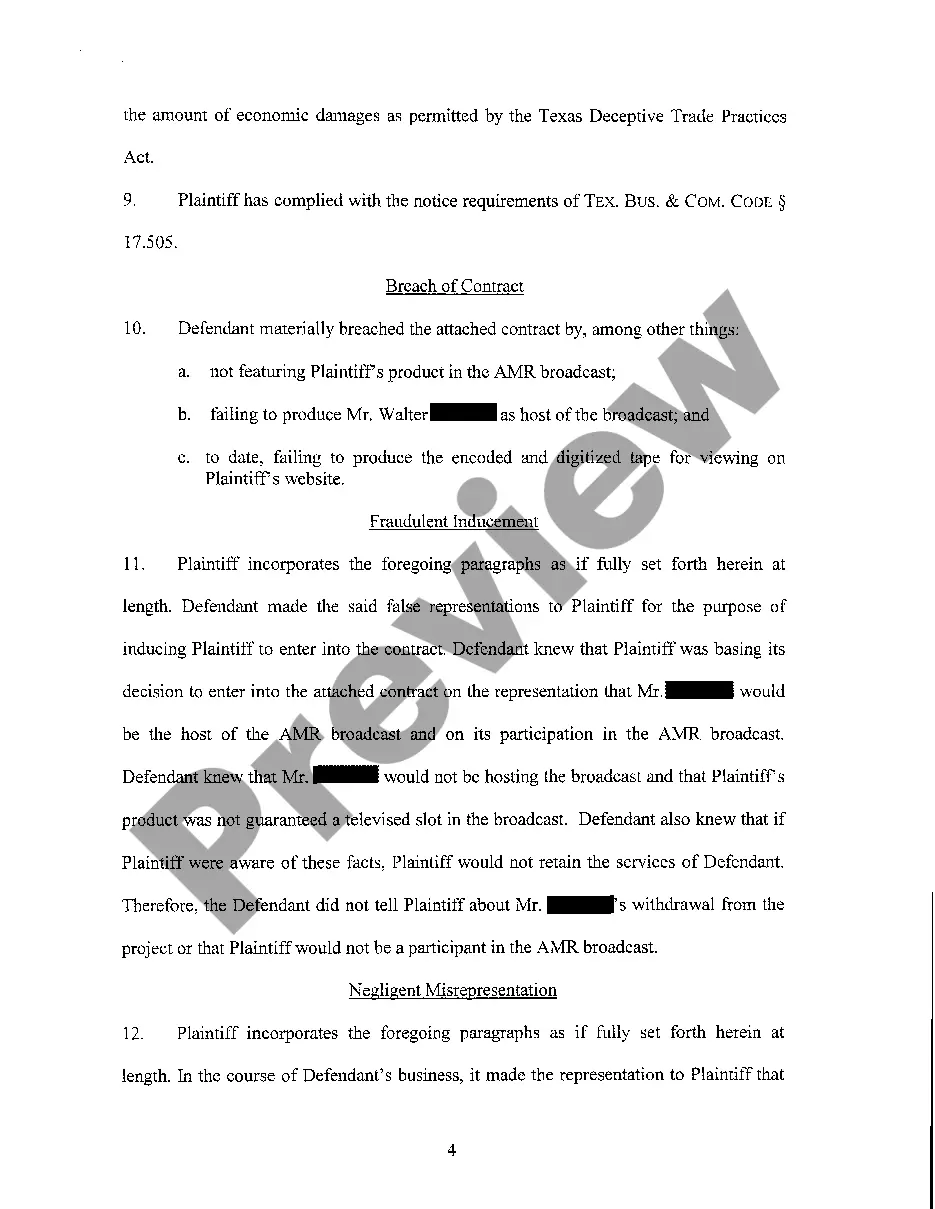
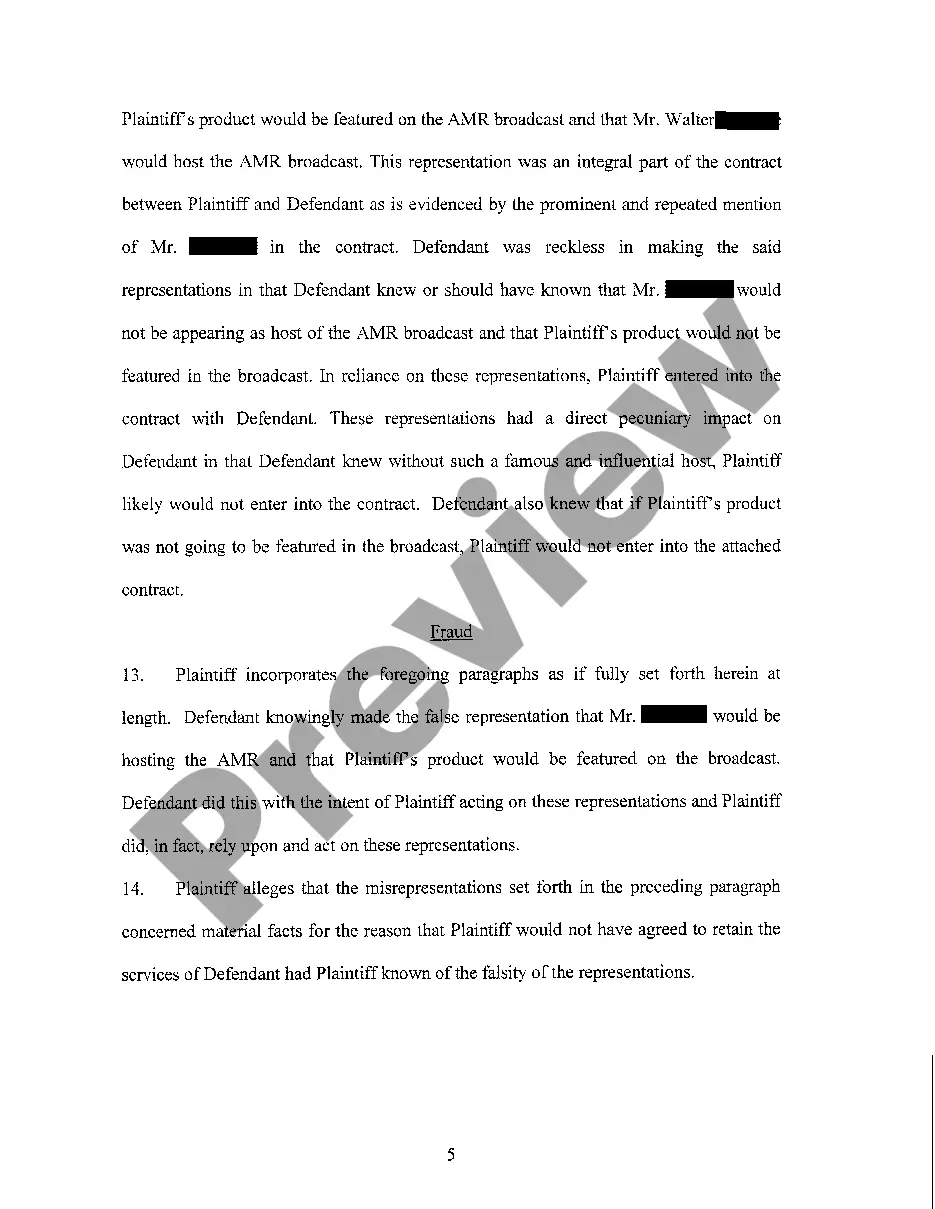
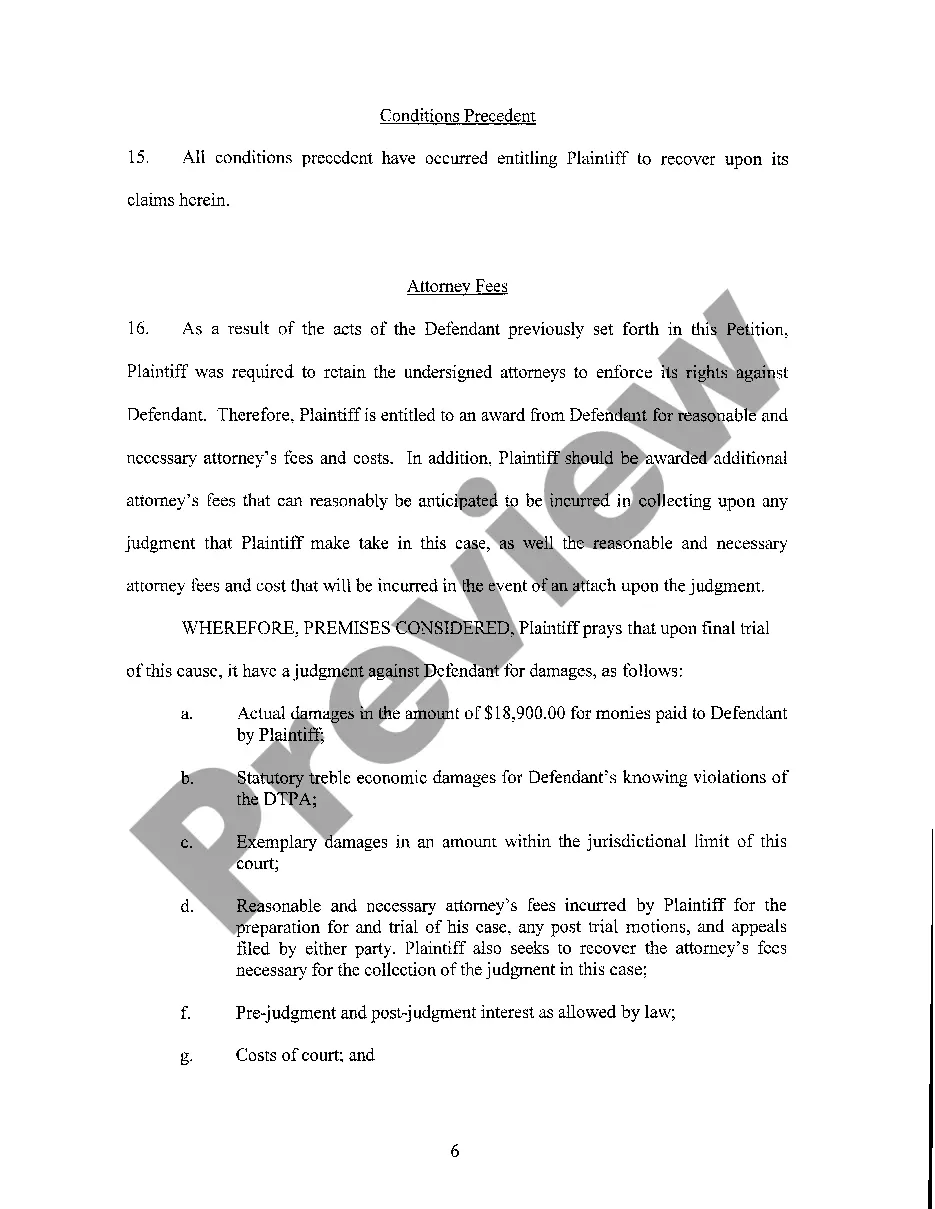
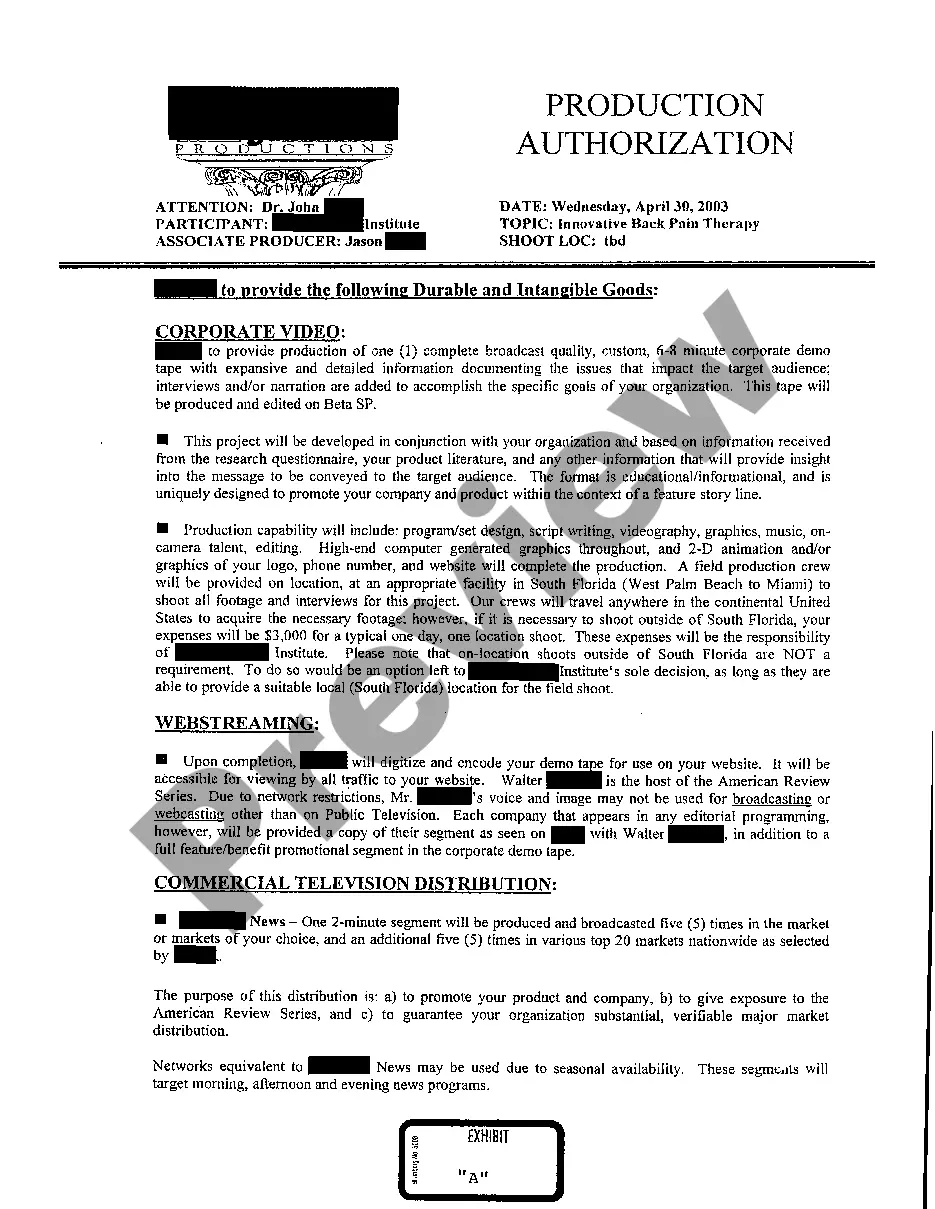
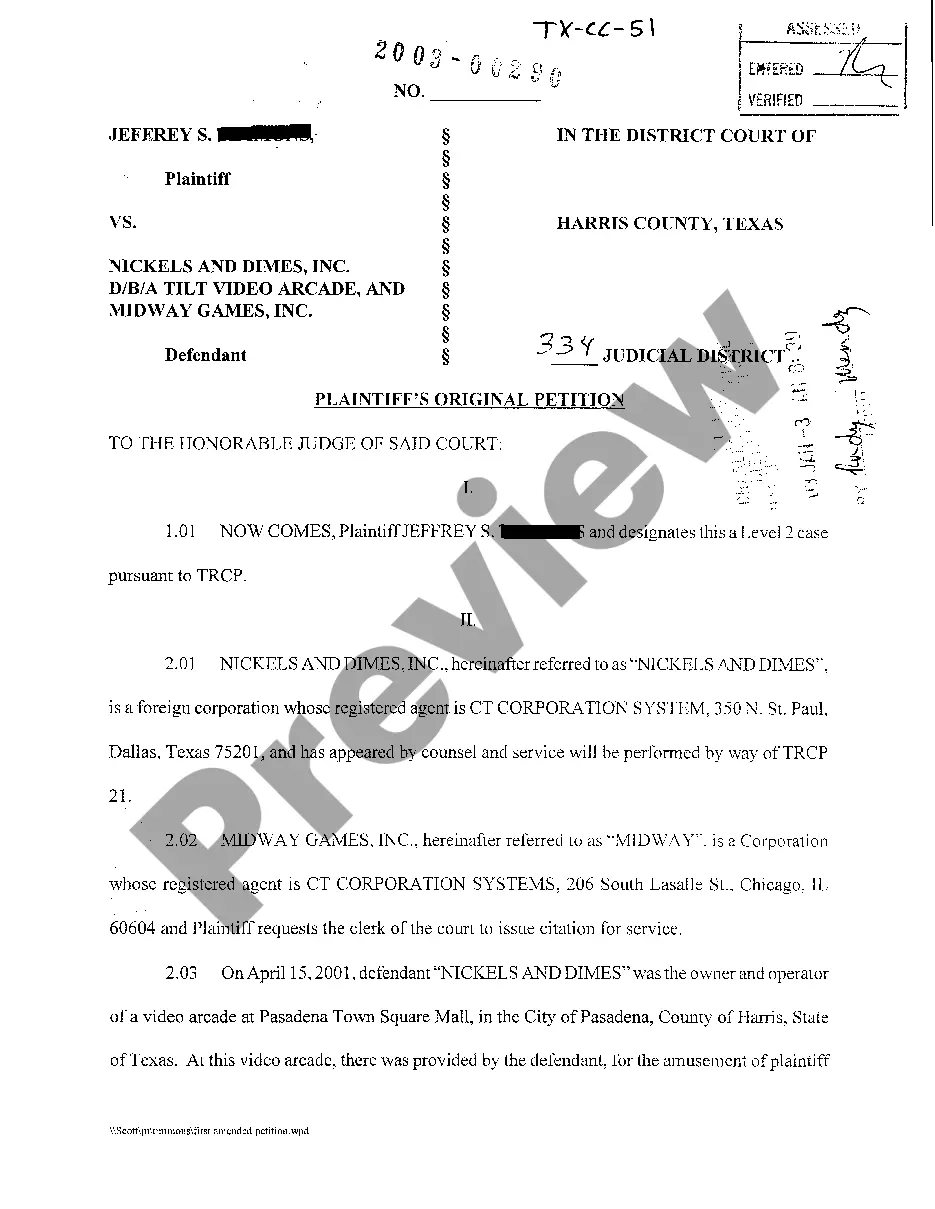





How to fill out Texas Plaintiff's Original Petition Regarding Deceptive Trade Practices?
It's clear that you can't become a legal authority overnight, nor can you swiftly learn how to draft a Texas Deceptive Trade Practices Act Demand Letter Without Prejudice without possessing a specialized foundation.
Creating legal documents is a lengthy task that demands specific education and expertise. So why not entrust the preparation of the Texas Deceptive Trade Practices Act Demand Letter Without Prejudice to the experts.
With US Legal Forms, which boasts one of the most comprehensive libraries of legal templates, you can find anything from court documents to templates for in-office correspondence. We recognize the importance of compliance and adherence to federal and state regulations. That's why all templates on our platform are location-specific and current.
You can access your documents again from the My documents tab at any moment. If you are an existing customer, just Log In, and find and download the template from the same tab.
Regardless of the purpose of your forms—whether financial, legal, or personal—our platform has it all. Give US Legal Forms a try today!
- Begin by discovering the document you require using the search bar located at the top of the page.
- If available, preview it and read the accompanying description to verify whether the Texas Deceptive Trade Practices Act Demand Letter Without Prejudice is what you seek.
- If you need any other form, start your search again.
- Create a free account and choose a subscription plan to acquire the template.
- Click Buy now. After payment is completed, you can obtain the Texas Deceptive Trade Practices Act Demand Letter Without Prejudice, complete it, print it, and send it or mail it to the necessary recipients or organizations.
Form popularity
FAQ
To file a Texas deceptive trade practices act demand letter without prejudice, you first need to gather evidence of the deceptive practice. Clearly outline your claim and the damages you have experienced, and then prepare your demand letter, ensuring it complies with Texas laws. It is advisable to send this letter to the party involved and keep a copy for your records. If they do not respond or refuse to settle, you may proceed with filing a lawsuit to seek compensation.
The elements of a DTPA claim involve showing that a false, misleading, or deceptive act occurred, and that this act caused you damages. It's necessary to prove that the deceptive practice was connected to a sale or lease of goods or services. To strengthen your case, you should present a Texas deceptive trade practices act demand letter without prejudice, detailing how these elements apply to your situation.
While a demand letter is not legally required in Texas, it is highly advisable before filing a DTPA claim. Sending a well-structured letter can encourage settlement and help clarify your position on the deceptive practices involved. A carefully drafted Texas deceptive trade practices act demand letter without prejudice can serve as an initial step toward resolving the issue amicably.
Common mistakes in demand letters include lacking specificity about the deceptive acts and failing to provide concrete details regarding the damages incurred. Often, individuals overlook the importance of tone, which should remain professional and assertive. To avoid these pitfalls, consider using a Texas deceptive trade practices act demand letter without prejudice that clearly articulates your claims and expectations.
The notice requirement under the Texas Deceptive Trade Practices Act requires you to send a written notice to the other party, detailing the exact deceptive practice alleged. This notice must be delivered at least 60 days prior to filing any legal action. Adhering to this requirement by utilizing a Texas deceptive trade practices act demand letter without prejudice could facilitate a resolution without resorting to litigation.
In Texas, a DTPA notice must be sent to the party you are claiming against at least 60 days before filing a lawsuit. This notice should outline the specific acts of deception and provide a clear statement of the damages you seek. By sending a Texas deceptive trade practices act demand letter without prejudice, you allow the opposing party an opportunity to resolve the issue before the case proceeds to court.
The notice prejudice rule in Texas refers to the requirement that parties must be given adequate notice before legal action is initiated. This rule ensures that the receiving party has a fair opportunity to respond to any claims made against them. When drafting a Texas deceptive trade practices act demand letter without prejudice, adhering to this rule can bolster your case. By respecting this principle, you can maintain a professional approach while pursuing your rights.
In Texas, demand letters serve as formal requests for resolution before pursuing legal action. These letters must clearly state the issue, provide relevant details, and indicate that you are seeking a remedy under the Texas deceptive trade practices act demand letter without prejudice. Following proper protocol in your demand letter can significantly enhance your position should the issue escalate to court. It's essential to be clear and concise to promote effective communication.
Section 17.46 of the Texas Deceptive Trade Practices Act outlines various deceptive acts that are considered unlawful in Texas. This section aims to protect consumers by prohibiting misleading conduct by businesses. Importantly, this section serves as a foundation for understanding issues related to Texas deceptive trade practices act demand letter without prejudice. You can seek legal recourse if you believe you have been a victim of deceptive practices under this section.