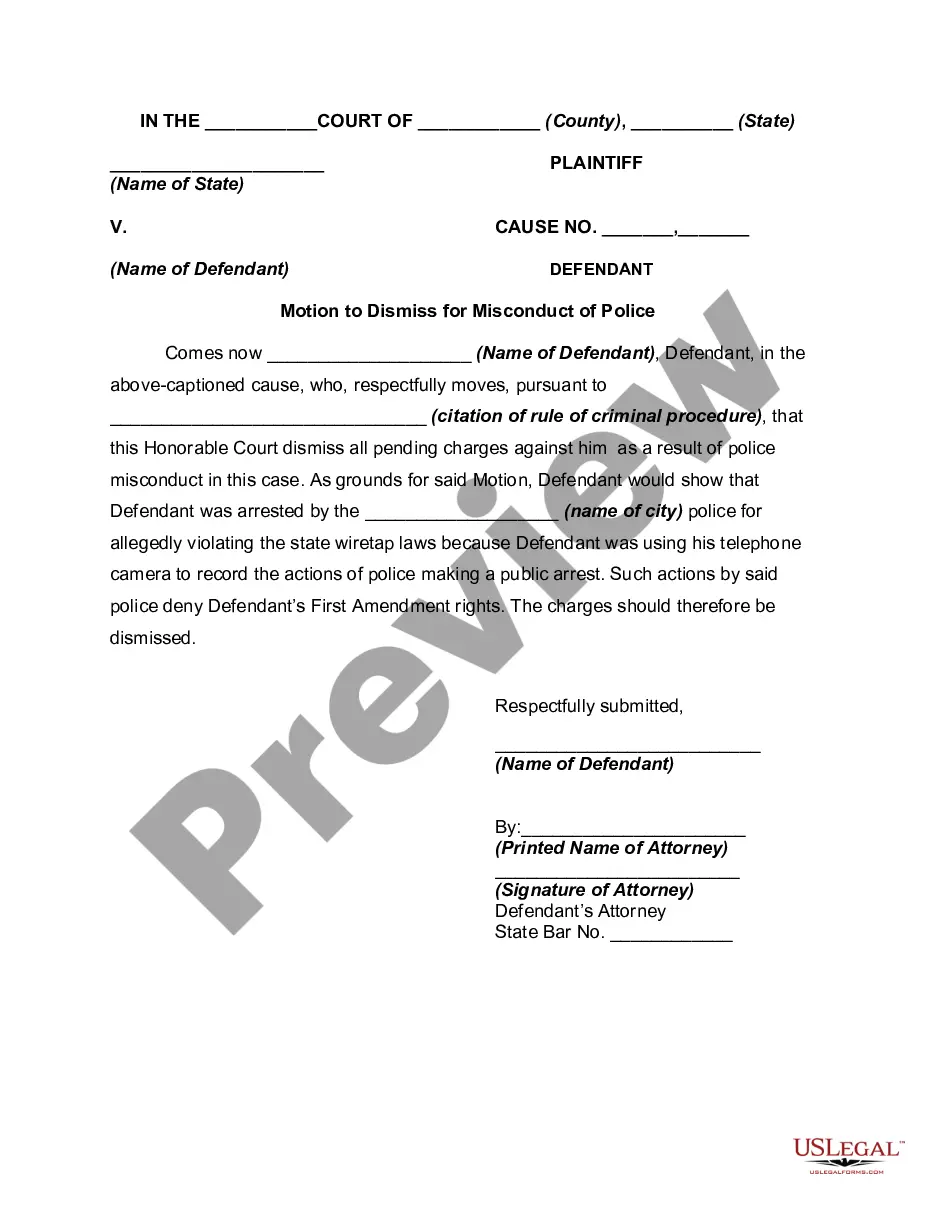
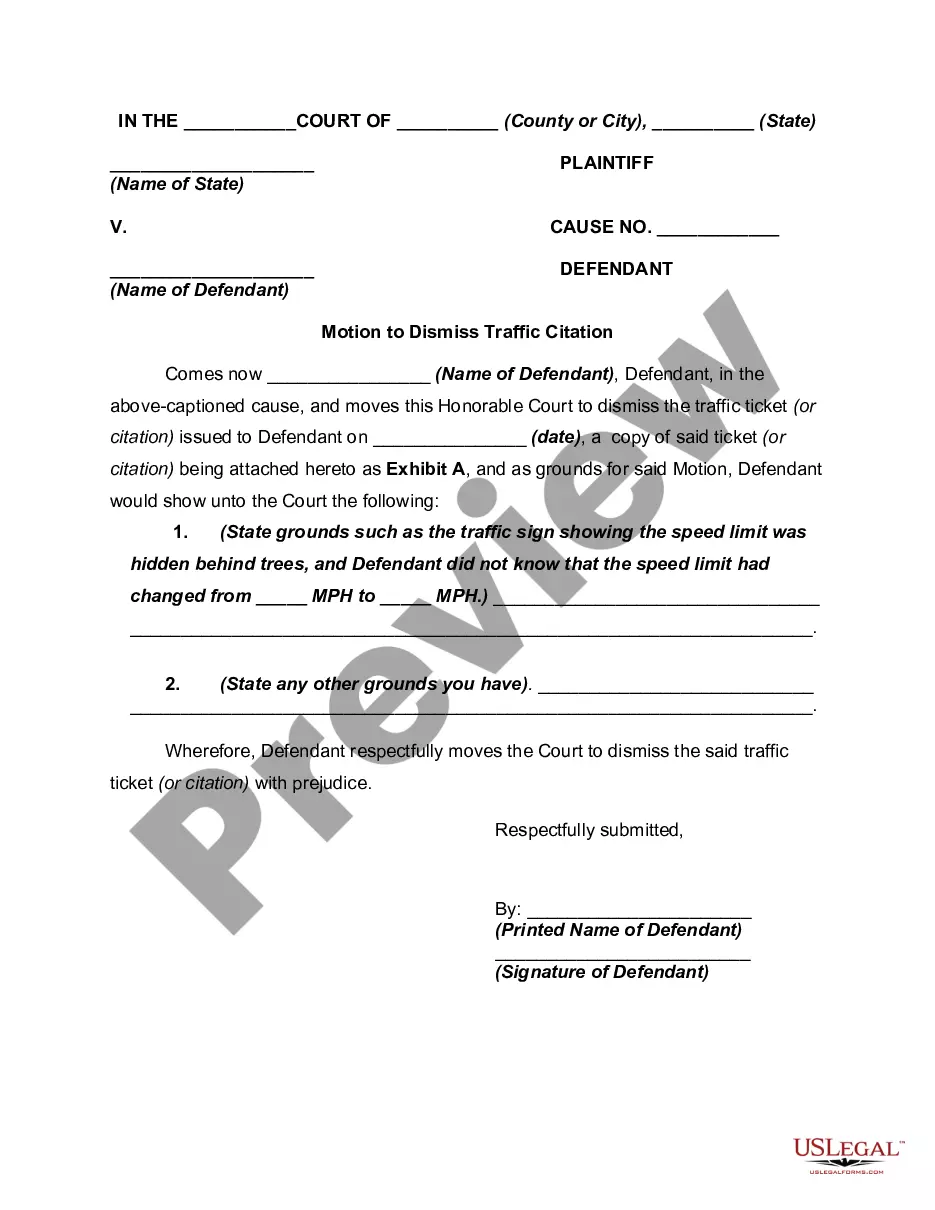
Motion In Texas Traffic Court For New Trial
Description
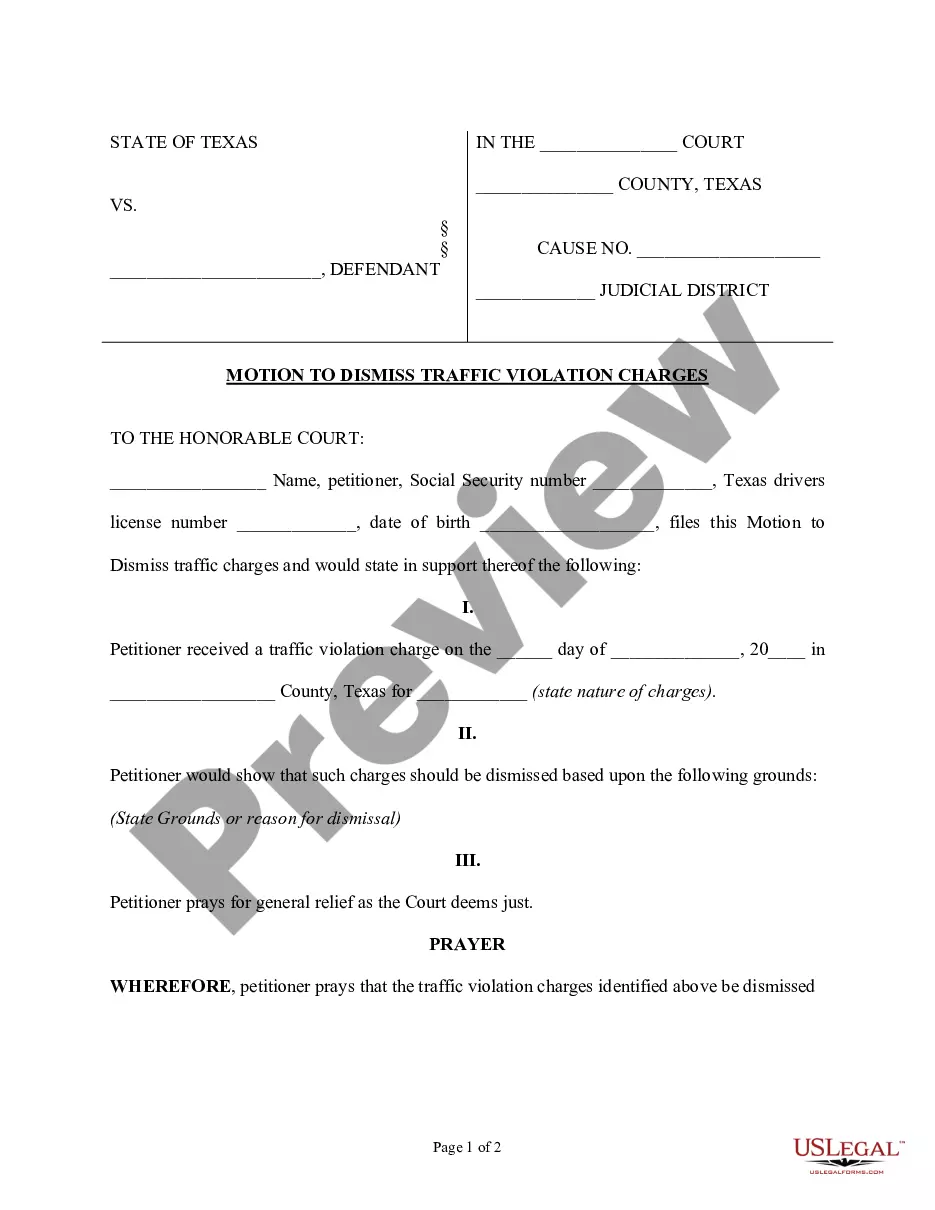
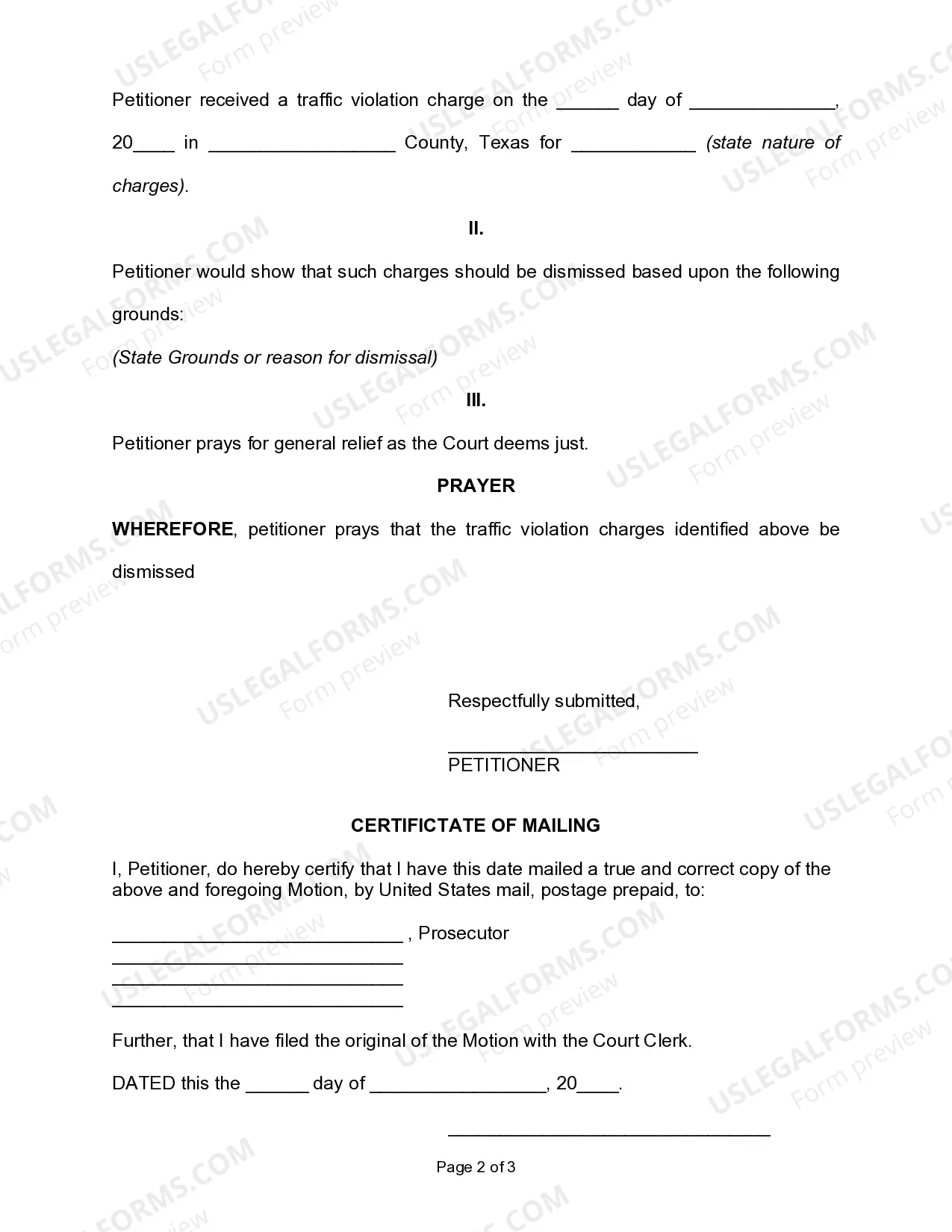

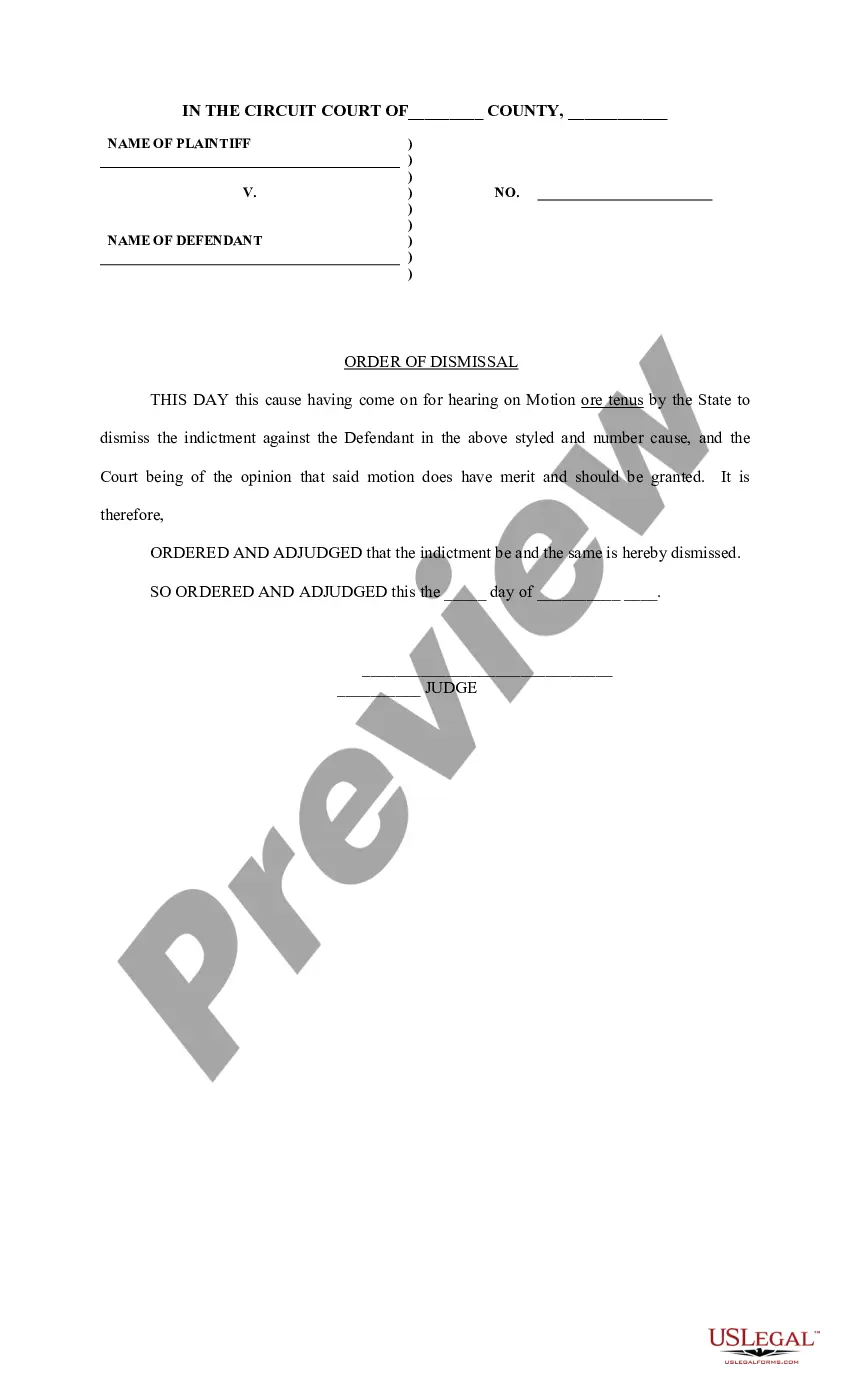
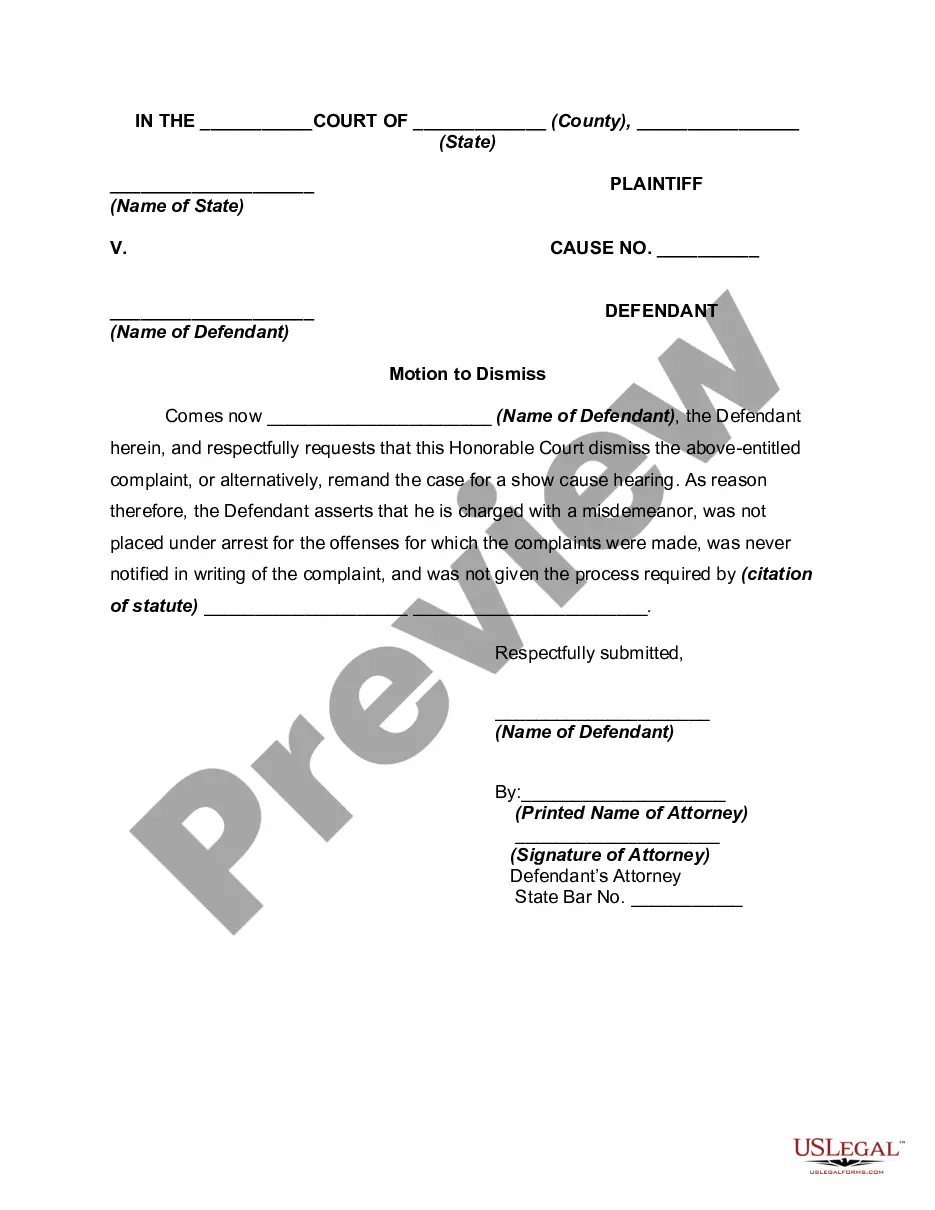
Get your form ready online
Our built-in tools help you complete, sign, share, and store your documents in one place.
Make edits, fill in missing information, and update formatting in US Legal Forms—just like you would in MS Word.
Download a copy, print it, send it by email, or mail it via USPS—whatever works best for your next step.
Sign and collect signatures with our SignNow integration. Send to multiple recipients, set reminders, and more. Go Premium to unlock E-Sign.
If this form requires notarization, complete it online through a secure video call—no need to meet a notary in person or wait for an appointment.
We protect your documents and personal data by following strict security and privacy standards.

Make edits, fill in missing information, and update formatting in US Legal Forms—just like you would in MS Word.

Download a copy, print it, send it by email, or mail it via USPS—whatever works best for your next step.

Sign and collect signatures with our SignNow integration. Send to multiple recipients, set reminders, and more. Go Premium to unlock E-Sign.

If this form requires notarization, complete it online through a secure video call—no need to meet a notary in person or wait for an appointment.

We protect your documents and personal data by following strict security and privacy standards.
Looking for another form?






Form popularity
FAQ
Yes, you can appeal a traffic ticket in Texas, but it involves specific procedures. First, you typically need to contest the ticket in a lower court before considering an appeal. If you are unsatisfied with the outcome, you can file a Motion in Texas traffic court for a new trial to challenge the decision. Using tools and information from US Legal Forms can provide guidance in navigating the appeal process effectively.
You can make an appeal on several grounds, such as if the court made errors during the trial, if the verdict was against the weight of the evidence, or if you have newly discovered evidence. Additionally, procedural irregularities may warrant an appeal. If you simply believe the decision is unjust, pursuing a Motion in Texas traffic court for a new trial might be a preferred approach. Resources like US Legal Forms can help clarify the grounds relevant to your specific situation.
To request a new trial in Texas, you need to file a Motion in Texas traffic court for a new trial, typically within 30 days of the judgment. Your motion must clearly outline the grounds for your request and include any new evidence or arguments. It’s crucial to follow the specific court rules and guidelines when preparing your motion. Using platforms like US Legal Forms can provide templates and guidance to ensure your request is properly submitted.
In Texas, you can appeal based on several legal grounds, including procedural errors, misapplication of the law, or insufficient evidence. Additionally, if new evidence arises that could impact the outcome, this could also be a valid ground for appealing. Filing a Motion in Texas traffic court for a new trial may be necessary in such circumstances. Connecting with US Legal Forms can offer valuable insight into your options.
If you are unhappy with the court's decision, you have several options available. You can file a Motion in Texas traffic court for a new trial to present new evidence or arguments. Alternatively, you may consider pursuing an appeal if the decision falls within the appealable parameters. Seeking guidance from legal resources such as US Legal Forms can provide you with the necessary steps for your specific case.
The timeline for going to trial in Texas can vary widely, depending on the court's schedule and the nature of the case. Typically, you may expect your trial to occur within a few months. If you plan to file a Motion in Texas traffic court for a new trial, this process may take additional time, as the court will need to review your request. Engaging with an experienced legal platform like US Legal Forms can help streamline your preparation.
The timeframe for a case to go to trial in Texas can vary widely based on several factors, including the court’s calendar and the complexity of the case. Typically, cases may take several months to a year or more to reach trial. Understanding this timeline is crucial when considering a motion in texas traffic court for new trial to ensure you manage your expectations during the legal process.
Yes, it is possible to appeal a traffic court decision in Texas. Generally, you need to file a notice of appeal after the conviction, which allows you to contest the judgment made by the traffic court. If you believe there were errors in the initial trial, filing a motion in texas traffic court for new trial may also be an effective step before pursuing an appeal.
The motion for new trial rule in Texas enables litigants to challenge verdicts or judgments made in earlier court proceedings. Traditionally established under the Texas Rules of Civil Procedure, this rule outlines the procedures for filing and the grounds for which a motion can be granted. A well-prepared motion in texas traffic court for new trial can lead to a more favorable outcome.
Rule 31 of the Texas Rules of Civil Procedure addresses the requirements for interrogatories and requests for admissions. Understanding this rule is crucial for preparing a solid defense or response during a case. It can play a significant role when addressing a motion in texas traffic court for new trial.
